
Cooked chicken is safe from bird flu when prepared properly. The bird flu virus is destroyed at temperatures above 165°F (74°C), making thoroughly cooked poultry a low-risk food. Following safe handling and cooking practices ensures your meals remain healthy and virus-free.
Key Takeaways
- Cooked chicken is safe from bird flu: Proper cooking at 165°F (74°C) kills the bird flu virus, eliminating infection risk.
- Raw or undercooked poultry poses a risk: Consuming undercooked chicken may expose you to live viruses if the bird was infected.
- Safe food handling is essential: Prevent cross-contamination by washing hands, utensils, and surfaces after contact with raw chicken.
- Commercial poultry is monitored: Regulatory agencies test flocks and enforce safety standards to reduce bird flu outbreaks in food supply chains.
- Freezing does not kill the virus: Bird flu can survive in frozen meat, so cooking is the only reliable way to ensure safety.
- Symptoms of bird flu in humans are rare but serious: Fever, cough, and difficulty breathing may occur after exposure to infected birds or contaminated environments.
- Choose reputable sources: Buy chicken from trusted suppliers who follow health and safety regulations.
Quick Answers to Common Questions
Can you get bird flu from eating cooked chicken?
No, you cannot get bird flu from eating properly cooked chicken. The virus is destroyed when poultry reaches an internal temperature of 165°F (74°C).
Is it safe to eat chicken during a bird flu outbreak?
Yes, it is safe to eat chicken during a bird flu outbreak as long as it is cooked thoroughly and handled safely to prevent cross-contamination.
Does freezing chicken kill bird flu?
No, freezing does not kill the bird flu virus. The virus can survive in frozen meat, so cooking is essential for safety.
What temperature kills bird flu in chicken?
Bird flu is killed at temperatures above 165°F (74°C). This is the recommended safe internal temperature for all poultry.
Can bird flu spread through eggs?
Bird flu does not spread through properly cooked eggs. Cook eggs until the yolks and whites are firm to ensure safety.
📑 Table of Contents
- Is Cooked Chicken Safe from Bird Flu Risks?
- Understanding Bird Flu: What You Need to Know
- How Cooking Destroys the Bird Flu Virus
- Safe Handling Practices to Prevent Contamination
- Commercial Poultry Safety and Regulations
- Myths and Misconceptions About Bird Flu and Chicken
- What to Do If You’re Concerned About Bird Flu
- Conclusion: Enjoy Chicken with Confidence
Is Cooked Chicken Safe from Bird Flu Risks?
You’ve probably heard the news about bird flu outbreaks in poultry farms or wild birds. It’s natural to wonder: Can I still eat chicken safely? The short answer is yes—cooked chicken is safe from bird flu risks when handled and prepared correctly. But like any food safety concern, it’s important to understand the facts, not just the headlines.
Bird flu, or avian influenza, is a group of viruses that primarily affect birds. Some strains, like H5N1 and H7N9, can occasionally infect humans, usually through direct contact with infected live birds or contaminated environments. However, the risk of getting bird flu from eating properly cooked chicken is extremely low. That’s because the virus cannot survive high cooking temperatures. When chicken reaches an internal temperature of 165°F (74°C), the virus is completely destroyed.
This doesn’t mean you should ignore precautions. Raw chicken can carry bacteria like Salmonella and Campylobacter, and if a bird was infected with bird flu, the virus could still be present in raw meat. That’s why safe food handling—washing hands, avoiding cross-contamination, and cooking thoroughly—is just as important as ever. The good news? Following basic kitchen hygiene and cooking guidelines protects you from both common foodborne illnesses and rare viruses like bird flu.
Understanding Bird Flu: What You Need to Know
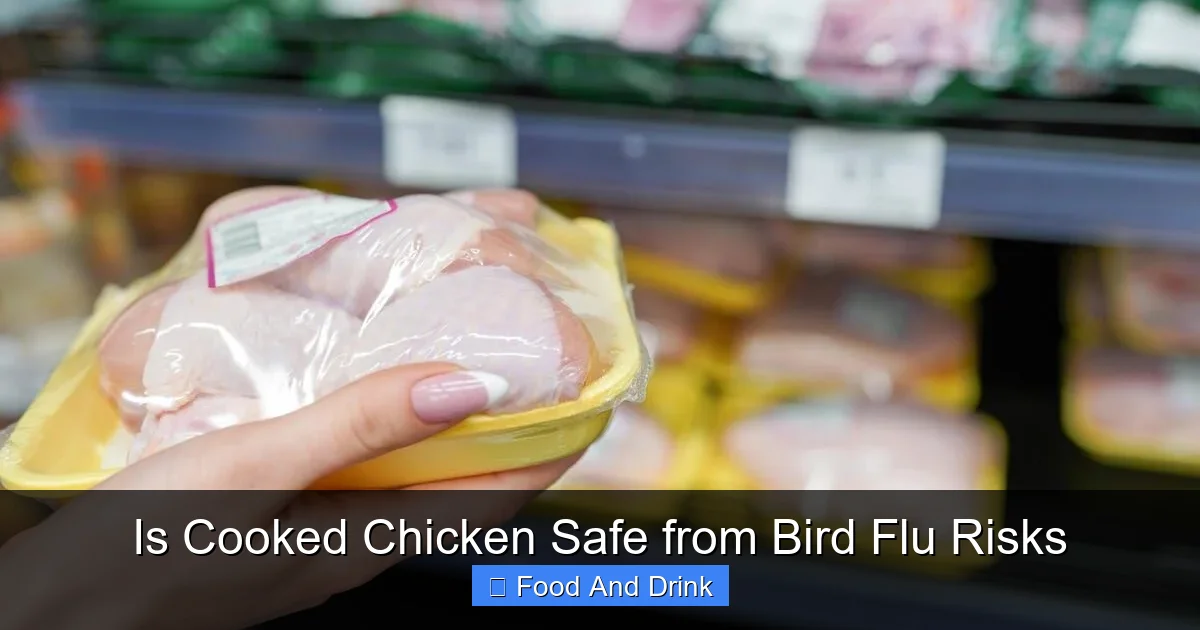
Visual guide about Is Cooked Chicken Safe from Bird Flu Risks
Image source: i.kinja-img.com
Before diving into how cooking affects bird flu, it helps to understand what the virus is and how it spreads. Bird flu refers to influenza viruses that naturally infect wild aquatic birds like ducks and geese. These birds often carry the virus without getting sick, but they can spread it to domestic poultry like chickens and turkeys.
There are many types of bird flu, but only a few have been known to infect humans. The most concerning strains include H5N1, H7N9, and H5N6. These viruses can cause severe respiratory illness in people, and in some cases, be fatal. However, human infections are rare and usually happen after close contact with infected live birds, their droppings, or contaminated surfaces—not from eating food.
The virus spreads through bird-to-bird contact, contaminated feed, water, or equipment. In rare cases, it can jump to humans, especially those working in poultry farms or live bird markets. But here’s the key point: there is no evidence that properly cooked poultry or eggs transmit bird flu to humans.
How Common Is Bird Flu in Poultry?
Bird flu outbreaks do occur, especially in certain regions of Asia, Europe, and North America. In recent years, there have been sporadic cases in backyard flocks and commercial farms. When an outbreak is detected, authorities often cull infected flocks to prevent further spread. This helps protect both animal and public health.
In the U.S., the Department of Agriculture (USDA) and the Centers for Disease Control and Prevention (CDC) monitor bird flu closely. They test poultry flocks and track outbreaks in wild birds. If a case is found in a commercial farm, that flock is typically destroyed, and the meat does not enter the food supply.
This means that the chicken you buy at the grocery store has already passed safety checks. Commercial poultry operations follow strict biosecurity measures to prevent disease. Even if a bird flu case occurs nearby, the risk of contaminated meat reaching your kitchen is very low.
Can Humans Get Bird Flu from Food?
The simple answer is: not from properly cooked food. According to the World Health Organization (WHO) and the CDC, there have been no confirmed cases of bird flu transmission through eating cooked poultry or eggs. The virus is fragile and cannot survive the heat of cooking.
However, there is a theoretical risk if you handle raw chicken that came from an infected bird and then touch your face, mouth, or food without washing your hands. This is why food safety experts emphasize washing hands and surfaces after handling raw meat.
It’s also worth noting that bird flu viruses are not the same as the seasonal flu that affects humans. They don’t spread easily from person to person. Most human cases have occurred in people who had direct contact with sick birds, not from eating food.
How Cooking Destroys the Bird Flu Virus
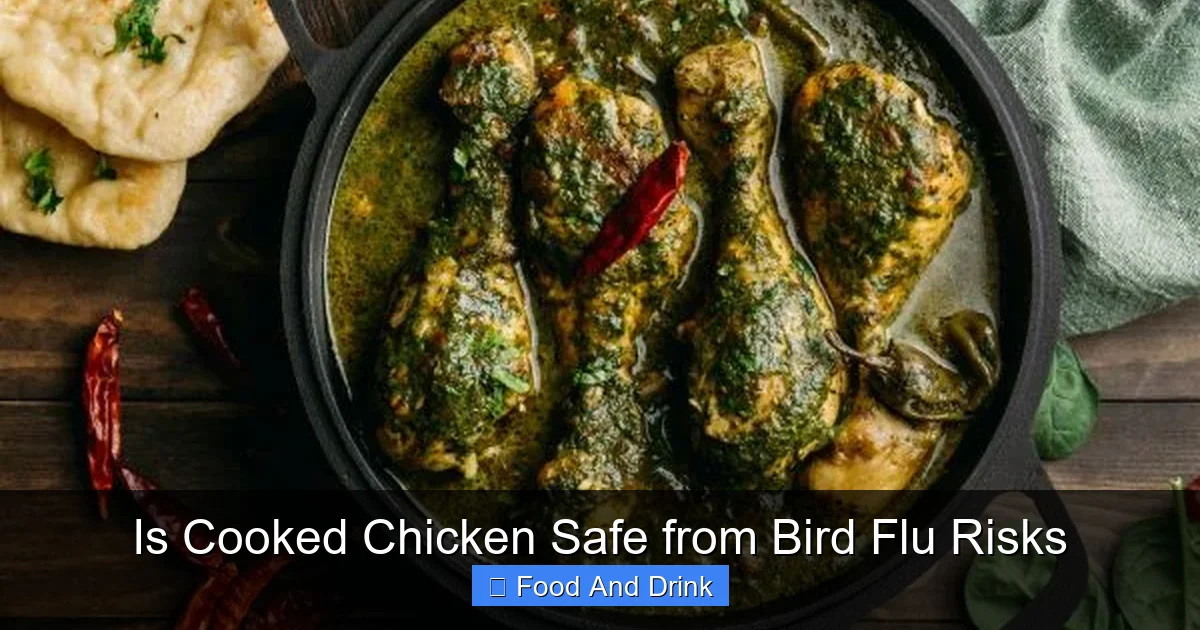
Visual guide about Is Cooked Chicken Safe from Bird Flu Risks
Image source: images.boldsky.com
Now let’s get to the heart of the matter: how cooking makes chicken safe from bird flu. Heat is one of the most effective ways to kill viruses and bacteria. When chicken is cooked to the right temperature, any harmful pathogens—including bird flu—are destroyed.
The USDA and food safety experts recommend cooking poultry to an internal temperature of 165°F (74°C). This temperature is high enough to kill not only bird flu viruses but also common foodborne bacteria like Salmonella and E. coli.
The Science Behind Heat and Virus Inactivation
Viruses like bird flu have a protein shell and genetic material inside. Heat disrupts the structure of these proteins, making the virus unable to infect cells. Studies have shown that bird flu viruses are inactivated at temperatures above 140°F (60°C), but 165°F ensures complete destruction.
This is why using a food thermometer is so important. Visual cues like “the juices run clear” or “the meat is no longer pink” are not reliable indicators of doneness. A thermometer gives you an accurate reading, so you know the chicken has reached a safe temperature throughout.
Different Cooking Methods and Their Effectiveness
All common cooking methods—baking, grilling, frying, boiling, and roasting—can make chicken safe from bird flu, as long as the internal temperature reaches 165°F. Here’s how each method works:
– Baking and Roasting: These methods use dry heat in an oven. They’re great for whole chickens or chicken parts. Use a meat thermometer to check the thickest part of the meat, avoiding bone.
– Grilling: Grilling adds flavor and cooks food quickly. Be sure to flip the chicken and check the temperature in multiple spots.
– Frying: Whether deep-frying or pan-frying, the high heat kills pathogens. Just make sure the oil is hot enough and the chicken is cooked through.
– Boiling or Simmering: This method uses moist heat and is common in soups and stews. The water temperature reaches 212°F (100°C), well above the threshold needed to kill the virus.
No matter which method you choose, the key is consistency. Avoid undercooked spots, especially near bones or in thick pieces like chicken breasts or thighs.
What About Sous Vide Cooking?
Sous vide is a popular method that involves sealing food in a bag and cooking it in a water bath at a precise temperature. While it’s excellent for texture and flavor, it requires extra caution with poultry.
Because sous vide uses lower temperatures for longer times, you must ensure the chicken reaches 165°F internally. Some chefs cook chicken at 140°F for several hours, but this may not be safe if the bird was infected with bird flu. For maximum safety, cook sous vide chicken at 165°F for at least 12 minutes, or follow USDA guidelines for time and temperature combinations.
Safe Handling Practices to Prevent Contamination
Visual guide about Is Cooked Chicken Safe from Bird Flu Risks
Image source: images.boldsky.com
Cooking chicken properly is only half the battle. The other half is handling it safely from the moment you bring it home. Even if the chicken is free of bird flu, poor handling can lead to cross-contamination and foodborne illness.
Preventing Cross-Contamination in the Kitchen
Cross-contamination happens when harmful pathogens from raw chicken spread to other foods, utensils, or surfaces. This is one of the most common causes of food poisoning. Here’s how to avoid it:
– Use separate cutting boards: Have one for raw meat and another for vegetables, fruits, and ready-to-eat foods.
– Wash hands thoroughly: Use soap and warm water for at least 20 seconds after handling raw chicken.
– Clean surfaces and utensils: Wash countertops, knives, and plates that touched raw chicken with hot, soapy water. Sanitize with a kitchen-safe disinfectant.
– Store chicken properly: Keep raw chicken in a sealed container on the bottom shelf of the fridge to prevent drips onto other foods.
These steps protect you not just from bird flu, but from everyday bacteria that can make you sick.
Thawing Chicken Safely
How you thaw chicken matters too. Never thaw chicken at room temperature, as this allows bacteria and viruses to multiply in the “danger zone” between 40°F and 140°F (4°C and 60°C). Instead, use one of these safe methods:
– Refrigerator thawing: Place the chicken in a container and let it thaw in the fridge. This is the safest method, though it takes time (about 24 hours per 5 pounds).
– Cold water thawing: Seal the chicken in a leak-proof bag and submerge it in cold water. Change the water every 30 minutes. Cook immediately after thawing.
– Microwave thawing: Use the defrost setting and cook the chicken right away, as some parts may begin to cook during thawing.
Once thawed, cook the chicken within 1–2 days.
Marinating with Care
Marinating adds flavor, but it can also increase the risk of contamination if not done properly. Always marinate chicken in the refrigerator, not on the counter. Use a non-reactive container like glass or plastic, and never reuse marinade that has touched raw meat unless you boil it first.
If you want to use the marinade as a sauce, set aside a portion before adding the raw chicken. This way, you avoid introducing pathogens into your finished dish.
Commercial Poultry Safety and Regulations
You might be wondering: If bird flu is out there, how do we know the chicken in stores is safe? The answer lies in strict government regulations and industry practices.
How the Food Supply Is Protected
In the U.S., the USDA’s Food Safety and Inspection Service (FSIS) oversees poultry safety. Inspectors visit processing plants daily to ensure compliance with health and sanitation standards. They test for pathogens and monitor for signs of disease.
If bird flu is detected in a flock, that entire group is quarantined and destroyed. The meat does not enter the food supply. This prevents contaminated products from reaching consumers.
Additionally, commercial poultry farms follow biosecurity protocols to keep flocks healthy. This includes limiting access to farms, disinfecting equipment, and monitoring bird health. These measures reduce the risk of outbreaks and protect both animals and people.
Labeling and Traceability
Many countries require labeling that shows where the chicken was raised and processed. This helps track products back to their source in case of a recall. In the U.S., while country-of-origin labeling (COOL) is not required for all poultry, many retailers provide this information voluntarily.
Buying from reputable brands and local farms with transparent practices can give you added peace of mind. Look for labels like “USDA inspected” or “organic,” which indicate higher standards of care and safety.
International Trade and Bird Flu
Bird flu can affect global trade. When an outbreak occurs in one country, others may ban imports of poultry from that region. This helps prevent the spread of the virus across borders.
However, imported chicken is still subject to strict inspections before entering the U.S. or other countries. The CDC and USDA work with international partners to monitor outbreaks and ensure food safety.
Myths and Misconceptions About Bird Flu and Chicken
With so much information online, it’s easy to fall for myths about bird flu and food safety. Let’s clear up some common misconceptions.
Myth: Freezing Kills Bird Flu
Fact: Freezing does not kill the bird flu virus. In fact, the virus can survive in frozen meat for long periods. That’s why cooking is essential—even if the chicken has been frozen.
Myth: Organic or Free-Range Chicken Is Immune to Bird Flu
Fact: While organic and free-range chickens may have better living conditions, they are not immune to bird flu. In fact, free-range birds may have more exposure to wild birds, which can carry the virus. Safety depends on farming practices and biosecurity, not just the label.
Myth: If Chicken Looks and Smells Fine, It’s Safe
Fact: Bird flu and other pathogens are invisible and odorless. You can’t tell if chicken is contaminated by sight or smell. Always cook it to 165°F and follow safe handling practices.
Myth: You Can Get Bird Flu from Eating Eggs
Fact: Like chicken, eggs are safe when cooked properly. The virus is destroyed at 165°F. Cook eggs until the yolks and whites are firm, and avoid raw or undercooked egg dishes unless you’re using pasteurized eggs.
Myth: Bird Flu Is as Common as the Seasonal Flu
Fact: Human cases of bird flu are extremely rare. The seasonal flu spreads easily between people, but bird flu does not. Most infections occur in people with direct contact with sick birds, not from food.
What to Do If You’re Concerned About Bird Flu
Even with all this information, it’s normal to feel cautious—especially during an outbreak. Here’s what you can do to stay safe and informed.
Stay Updated on Outbreaks
Check reliable sources like the CDC, USDA, or WHO for updates on bird flu activity. These organizations provide real-time information and guidance for consumers.
Choose Trusted Suppliers
Buy chicken from reputable grocery stores, butcher shops, or farms with good hygiene practices. Avoid purchasing poultry from unregulated sources or live bird markets, especially in areas with known outbreaks.
Practice Kitchen Safety Every Day
Make safe food handling a habit. Wash your hands, use separate cutting boards, cook to the right temperature, and clean as you go. These simple steps protect you from a wide range of foodborne illnesses.
Talk to Your Doctor If You’re at High Risk
People with weakened immune systems, young children, and older adults may want to take extra precautions. If you’ve been exposed to sick birds or live in an affected area, consult a healthcare provider.
Conclusion: Enjoy Chicken with Confidence
So, is cooked chicken safe from bird flu risks? Absolutely—when it’s handled and cooked properly. The bird flu virus is no match for heat, and following basic food safety rules keeps your meals safe and delicious.
You don’t need to stop eating chicken or live in fear of outbreaks. Instead, focus on what you can control: cooking to 165°F, washing your hands, avoiding cross-contamination, and buying from trusted sources. These habits protect you from bird flu and many other foodborne risks.
Remember, food safety isn’t about fear—it’s about knowledge and care. With the right practices, you can enjoy your favorite chicken dishes without worry. Whether it’s a weeknight stir-fry, a weekend roast, or a backyard BBQ, your meals can be both safe and satisfying.
So go ahead, fire up the grill, and cook with confidence. Your kitchen is a place of nourishment, not risk—especially when you know how to keep it that way.
Frequently Asked Questions
Is it safe to eat chicken if there’s a bird flu outbreak in my area?
Yes, it is safe to eat chicken during a local bird flu outbreak as long as the meat is properly cooked and handled. Commercial poultry is monitored and inspected to prevent contaminated products from reaching consumers.
How can I tell if chicken is fully cooked?
The best way to tell if chicken is fully cooked is by using a food thermometer. Insert it into the thickest part of the meat, avoiding bone, and ensure it reads at least 165°F (74°C).
Should I avoid buying chicken from countries with bird flu cases?
Imported chicken is still safe if it passes inspection. Countries with outbreaks often face trade restrictions, and imported products are tested before entering the market. Buying from trusted sources is key.
Can I get bird flu from touching raw chicken?
While rare, it’s possible to get bird flu from handling raw chicken if the bird was infected and you touch your face without washing your hands. Always wash hands and surfaces after handling raw poultry.
Are organic chickens less likely to have bird flu?
Organic chickens are not immune to bird flu. In fact, free-range birds may have higher exposure to wild birds. Safety depends on farming practices and biosecurity, not just the label.
What should I do if I accidentally ate undercooked chicken?
If you ate undercooked chicken, monitor for symptoms like fever, nausea, or respiratory issues. Most people do not get sick, but contact a doctor if symptoms appear, especially if you live in an area with bird flu activity.