Cooked chicken is safe to eat only when stored properly and promptly. Leaving it out too long at room temperature can lead to dangerous bacterial growth. Refrigerate cooked chicken within two hours—or one hour in hot weather—to keep it safe and delicious.
Key Takeaways
- Refrigerate within two hours: Cooked chicken must be refrigerated within two hours of cooking to prevent bacterial growth, especially in warm environments.
- One hour rule in heat: If the ambient temperature is above 90°F (32°C), refrigerate cooked chicken within one hour to avoid foodborne illness.
- Safe storage temperature: Store cooked chicken in the refrigerator at or below 40°F (4°C) to slow down harmful bacteria like Salmonella and Listeria.
- Use airtight containers: Place cooked chicken in shallow, airtight containers to cool quickly and prevent contamination.
- Label and date leftovers: Always label containers with the date to track freshness and consume within 3–4 days.
- Reheat safely: Reheat cooked chicken to an internal temperature of 165°F (74°C) before eating to ensure safety.
- When in doubt, throw it out: If you’re unsure how long the chicken has been sitting out, it’s safer to discard it than risk food poisoning.
Quick Answers to Common Questions
How long can cooked chicken sit out at room temperature?
Cooked chicken should not sit out at room temperature for more than two hours. If the temperature is above 90°F, it must be refrigerated within one hour to prevent bacterial growth.
Can I refrigerate hot cooked chicken immediately?
It’s best to let cooked chicken cool to room temperature first, but no longer than two hours. Placing very hot chicken in the fridge can raise its internal temperature and affect other foods.
How long does cooked chicken last in the refrigerator?
Properly stored cooked chicken is safe to eat for 3–4 days in the refrigerator. Always check for signs of spoilage before consuming.
Can I freeze cooked chicken?
Yes, cooked chicken can be frozen for up to 4 months. Use airtight, freezer-safe containers or bags and thaw in the refrigerator before reheating.
Is it safe to eat cooked chicken that smells fine but was left out overnight?
No. If cooked chicken has been left out for more than two hours (or one hour in hot weather), it should be discarded, even if it smells and looks normal.
📑 Table of Contents
- Why Proper Refrigeration of Cooked Chicken Matters
- Understanding the “Danger Zone” and Bacterial Growth
- The Two-Hour Rule: When to Refrigerate Cooked Chicken
- How to Cool and Store Cooked Chicken Safely
- Signs That Cooked Chicken Has Gone Bad
- Safe Reheating and Reusing Cooked Chicken
- Common Mistakes to Avoid with Cooked Chicken
- Conclusion: Prioritize Safety with Every Meal
Why Proper Refrigeration of Cooked Chicken Matters
Cooked chicken is one of the most popular and versatile proteins in home kitchens. From grilled breasts to roasted thighs, it’s a go-to for quick meals, salads, sandwiches, and casseroles. But with its popularity comes a serious responsibility: food safety. Unlike raw chicken, which is obviously perishable, cooked chicken can look and smell perfectly fine even when it’s no longer safe to eat. That’s why knowing when cooked chicken needs to be refrigerated isn’t just helpful—it’s essential for protecting your health and the health of your family.
Bacteria like Salmonella, E. coli, and Listeria thrive in the “danger zone” between 40°F and 140°F (4°C to 60°C). This is the temperature range where food sits at room temperature, and it’s where bacteria can double in number every 20 minutes. Cooked chicken is especially vulnerable because it’s moist, nutrient-rich, and often handled multiple times during preparation and serving. Even if you cooked it to the perfect internal temperature of 165°F (74°C), leaving it out too long can undo all that good work.
Imagine this: You’ve just pulled a golden-brown roasted chicken from the oven. It smells amazing, and your family is ready to dig in. You let it rest for 20 minutes—perfectly normal. But then dinner runs late, and the chicken sits on the counter for another hour and a half. That’s already two hours at room temperature. In warm weather, or if your kitchen is above 90°F, that time drops to just one hour. After that, harmful bacteria may have multiplied to dangerous levels, even if the chicken still looks and smells fine.
This is why timing is everything. Refrigerating cooked chicken promptly isn’t just about preserving flavor or texture—it’s about preventing foodborne illness. A single lapse in judgment can lead to nausea, vomiting, diarrhea, and in severe cases, hospitalization. The good news? With a few simple habits, you can keep your meals safe and delicious every time.
Understanding the “Danger Zone” and Bacterial Growth
Visual guide about When Does Cooked Chicken Need to Be Refrigerated for Safety
Image source: topteenrecipes.com
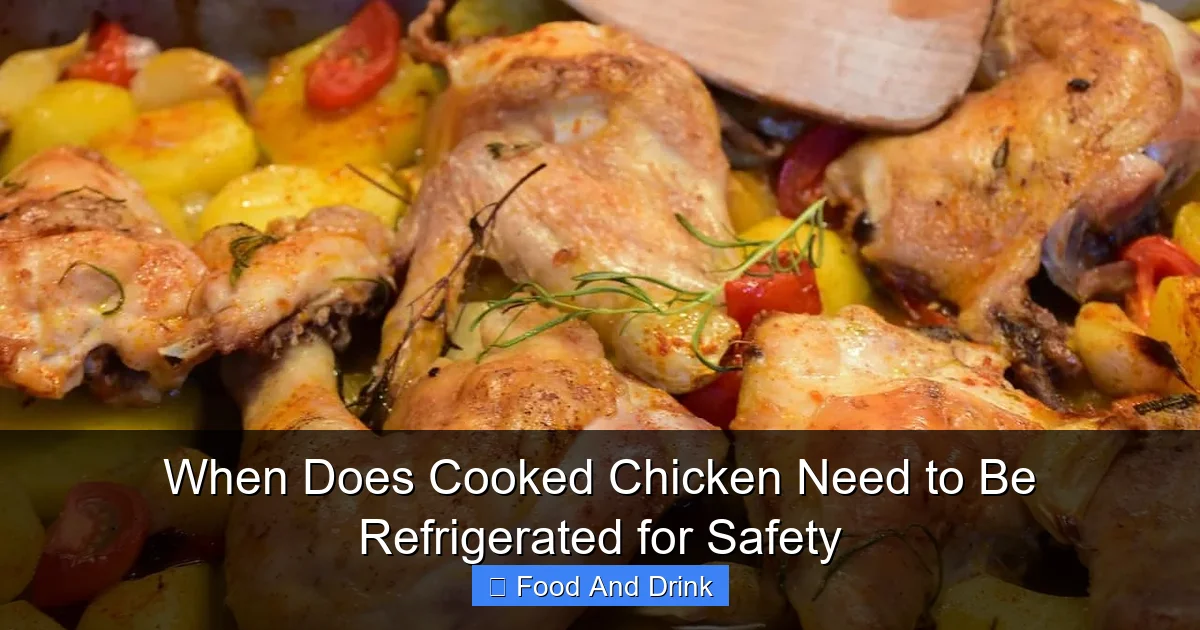
To understand why refrigeration timing is so critical, it helps to know how bacteria grow on food. The “danger zone” is a term used by food safety experts to describe the temperature range where bacteria multiply rapidly. This range is between 40°F and 140°F (4°C and 60°C). When cooked chicken sits in this zone for too long, bacteria that may have survived cooking or been introduced during handling can begin to grow.
Even though cooking chicken to 165°F (74°C) kills most harmful bacteria, it doesn’t make the meat sterile. Spores, cross-contamination from utensils or surfaces, and re-exposure to air can reintroduce bacteria. Once the chicken cools below 140°F, these bacteria can start multiplying. At room temperature (around 70°F or 21°C), they can double every 20 minutes. That means a small number of bacteria can become a dangerous amount in just a few hours.
For example, if a piece of cooked chicken has 100 bacteria on it when it’s removed from the oven, after two hours at room temperature, that number could skyrocket to over 6,000. After four hours, it could be in the millions. At that point, even reheating may not be enough to make the chicken safe—some toxins produced by bacteria are heat-stable and won’t be destroyed by cooking.
This is why the two-hour rule exists. The U.S. Department of Agriculture (USDA), the Food and Drug Administration (FDA), and the Centers for Disease Control and Prevention (CDC) all recommend refrigerating perishable foods—including cooked chicken—within two hours of cooking. In hot weather, when the ambient temperature is above 90°F (32°C), that time drops to one hour. This is because higher temperatures accelerate bacterial growth, making the danger zone even more hazardous.
It’s also important to note that the danger zone applies not just to room temperature, but to any environment where food is exposed to warm air. This includes outdoor picnics, summer barbecues, and even kitchens with poor ventilation. If you’re serving chicken at a family gathering on a hot day, don’t leave it sitting out for hours. Use coolers, ice packs, or chafing dishes with heat sources to keep food out of the danger zone.
Understanding the science behind bacterial growth helps you see why refrigeration isn’t just a suggestion—it’s a necessity. It’s not about being paranoid; it’s about being proactive. By refrigerating cooked chicken promptly, you’re cutting off the bacteria’s food supply and slowing their growth to a near halt.
The Two-Hour Rule: When to Refrigerate Cooked Chicken
Visual guide about When Does Cooked Chicken Need to Be Refrigerated for Safety
Image source: media1.popsugar-assets.com
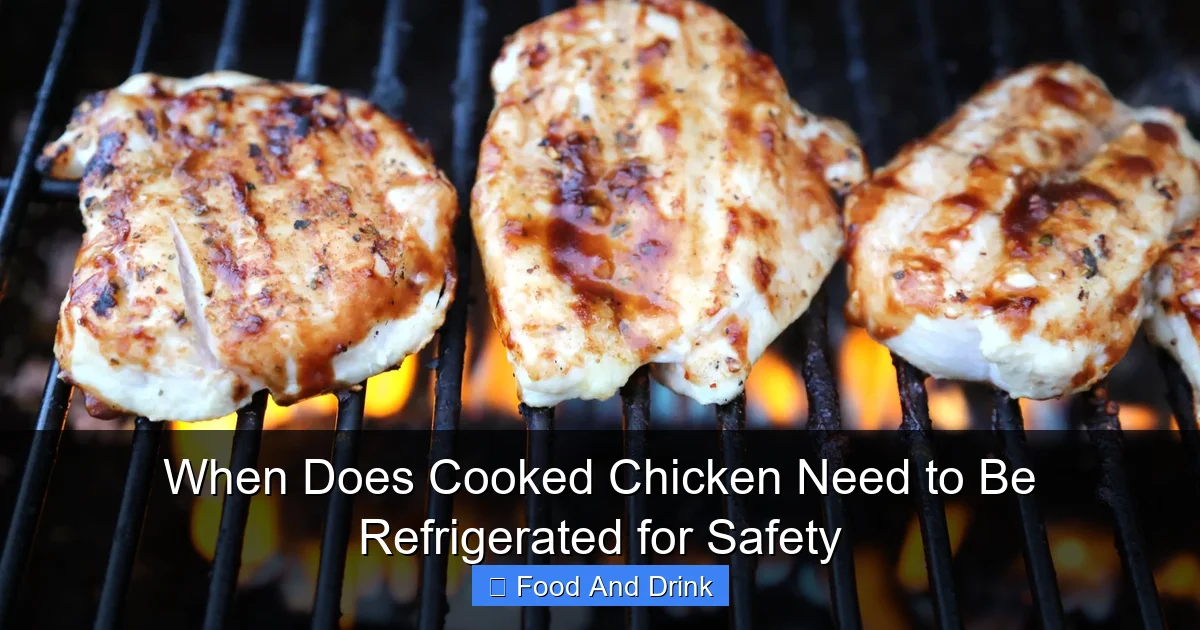
The two-hour rule is one of the most important guidelines in food safety. It states that cooked chicken—and most other perishable foods—should be refrigerated within two hours of being removed from heat. This rule is based on extensive research into bacterial growth and is supported by major health organizations worldwide.
But what does “within two hours” really mean? It starts the moment the chicken is taken off the grill, out of the oven, or removed from the stovetop. Even if you’re letting it rest to retain juices, that time counts. So if you pull your chicken from the oven at 6:00 PM and let it rest until 6:30 PM, you only have until 8:00 PM to get it into the fridge. After that, the risk of bacterial contamination increases significantly.
There’s one important exception: the one-hour rule. If the air temperature is above 90°F (32°C)—common during summer months, outdoor events, or in poorly air-conditioned kitchens—you must refrigerate cooked chicken within one hour. Heat speeds up bacterial reproduction, so the danger zone becomes even more dangerous. For example, if you’re grilling chicken at a backyard barbecue on a 95°F day, don’t let it sit out while you socialize. Get it into a cooler or the fridge within 60 minutes.
Let’s look at a real-life scenario. You’re hosting a Sunday dinner. You roast a whole chicken at 3:00 PM, and it’s ready by 5:00 PM. You let it rest until 5:20 PM, then carve it and serve it at 5:45 PM. Dinner ends at 7:00 PM, and the leftovers are still on the counter. That’s already 1 hour and 15 minutes since the chicken was removed from heat. If you don’t refrigerate it by 7:00 PM, you’re cutting it close. But if you wait until 7:30 PM, you’ve exceeded the two-hour window.
The best practice? Start cooling the chicken as soon as possible. Don’t wait until everyone has finished eating. Designate someone to handle leftovers while others are still at the table. Use shallow containers to spread the chicken out, which helps it cool faster. And if you’re not sure whether it’s been out too long, use a food thermometer to check the internal temperature. If it’s below 140°F and has been out for more than two hours, it’s time to refrigerate—or better yet, discard it.
How to Cool and Store Cooked Chicken Safely
Visual guide about When Does Cooked Chicken Need to Be Refrigerated for Safety
Image source: chicken.org.au
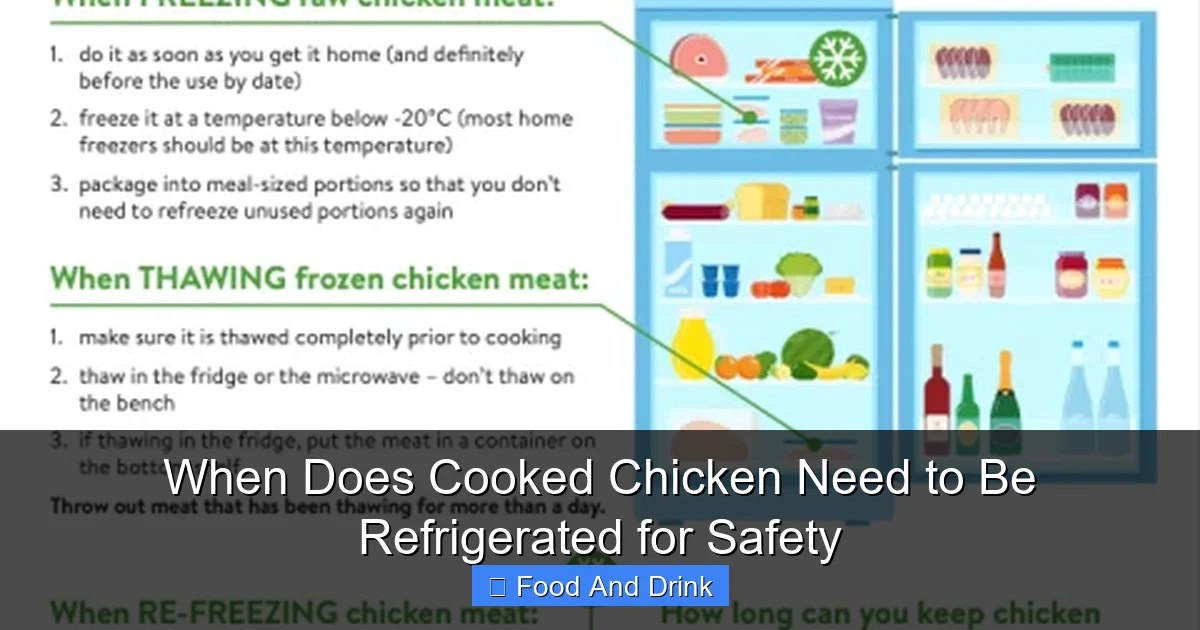
Refrigerating cooked chicken isn’t just about timing—it’s also about method. How you cool and store the chicken can make a big difference in its safety and quality. Improper cooling can leave parts of the chicken in the danger zone for too long, even if you refrigerate it on time.
The first step is to cool the chicken quickly. Large pieces, like a whole roasted chicken, take longer to cool than smaller portions. To speed up the process, cut the chicken into smaller pieces before storing. This increases the surface area and allows heat to escape faster. Place the pieces in shallow containers—no more than 2–3 inches deep. Deep containers trap heat and slow cooling, which can keep the center of the chicken warm for hours.
Avoid covering the chicken immediately after cooking. While it might seem like a good idea to keep it warm or prevent contamination, covering it traps steam and slows cooling. Instead, let it sit uncovered for 10–15 minutes to release some heat, then cover it loosely with foil or a lid. Once it’s cooled to room temperature—usually within 30–60 minutes—seal the container tightly and place it in the refrigerator.
Another tip: don’t overcrowd the fridge. Make sure there’s enough space around the container for cold air to circulate. This helps the chicken cool evenly and prevents warm spots. If you’re storing a lot of leftovers, consider using multiple smaller containers instead of one large one.
When it comes to storage containers, choose airtight, food-grade options. Glass or BPA-free plastic containers with tight-fitting lids work best. Avoid using aluminum foil or plastic wrap directly on the chicken, as they don’t provide a secure seal and can allow air and bacteria to enter.
Labeling is also important. Use a permanent marker or label to write the date on each container. This helps you keep track of how long the chicken has been stored. Cooked chicken is safe to eat for 3–4 days in the refrigerator. After that, the risk of spoilage increases, even if it still looks and smells okay.
If you know you won’t eat the chicken within a few days, consider freezing it. Cooked chicken can be frozen for up to 4 months without significant loss of quality. Use freezer-safe containers or heavy-duty freezer bags, and remove as much air as possible to prevent freezer burn. Thaw frozen chicken in the refrigerator, not on the counter, to keep it out of the danger zone.
Signs That Cooked Chicken Has Gone Bad
Even with proper storage, cooked chicken can spoil over time. Knowing the signs of spoilage can help you avoid eating unsafe food. While some spoiled chicken may not show obvious signs, there are several red flags to watch for.
The most common sign is smell. Fresh cooked chicken has a mild, neutral odor. If it starts to smell sour, sulfurous, or just “off,” it’s likely spoiled. This is caused by bacterial growth and the breakdown of proteins. Trust your nose—if it doesn’t smell right, don’t eat it.
Texture is another indicator. Spoiled chicken may feel slimy or sticky to the touch. This slime is a biofilm created by bacteria and is a clear sign that the chicken is no longer safe. Even if it smells fine, a slimy texture means it’s time to throw it out.
Color changes can also signal spoilage. While cooked chicken naturally darkens slightly over time, a grayish or greenish tint is a warning sign. This discoloration is often caused by bacterial or fungal growth and should not be ignored.
Taste is the last line of defense—but never rely on it. Some harmful bacteria don’t change the taste of food, so tasting a small amount could still make you sick. If the chicken shows any of the above signs, discard it immediately.
It’s also important to consider how the chicken was stored. If it was left out for more than two hours, or if the refrigerator temperature was above 40°F, the risk of spoilage increases. When in doubt, follow the old adage: “When in doubt, throw it out.” It’s better to waste a little food than risk a serious illness.
Safe Reheating and Reusing Cooked Chicken
Reheating cooked chicken safely is just as important as storing it properly. Improper reheating can leave cold spots where bacteria survive, especially if the chicken isn’t heated evenly.
The key is to reheat chicken to an internal temperature of 165°F (74°C). Use a food thermometer to check the temperature in the thickest part of the meat, avoiding bones. This ensures that any bacteria that may have grown during storage are destroyed.
There are several safe ways to reheat cooked chicken. The oven is a great option for larger portions. Preheat the oven to 325°F (165°C), place the chicken in a baking dish, cover with foil to retain moisture, and heat until it reaches 165°F. This usually takes 20–30 minutes, depending on the size.
The stovetop is ideal for smaller pieces or shredded chicken. Heat a skillet over medium heat, add a little oil or broth to prevent drying, and cook the chicken until hot throughout. Stir frequently to ensure even heating.
The microwave is the fastest method, but it can lead to uneven heating. To avoid cold spots, use a microwave-safe dish, cover the chicken with a damp paper towel, and heat in 30-second intervals, stirring in between. Check the temperature with a thermometer before eating.
Avoid reheating chicken more than once. Each time you cool and reheat food, it spends more time in the danger zone, increasing the risk of bacterial growth. If you have leftovers, divide them into single-serving portions before refrigerating. This way, you only reheat what you need.
You can also reuse cooked chicken in new dishes, like soups, casseroles, or stir-fries. As long as the chicken was stored properly and reheated to 165°F, it’s safe to use. Just make sure the new dish is cooked to the appropriate temperature and consumed within a few days.
Common Mistakes to Avoid with Cooked Chicken
Even experienced cooks can make mistakes when it comes to storing cooked chicken. Here are some common pitfalls and how to avoid them.
One mistake is leaving chicken out too long because it “still feels warm.” Just because the outside is cool doesn’t mean the inside is safe. Bacteria can grow in the center of the meat even if the surface feels room temperature.
Another error is refrigerating chicken while it’s still hot. While you shouldn’t leave it out for hours, placing very hot chicken directly into the fridge can raise the internal temperature of the refrigerator, putting other foods at risk. Instead, let it cool to room temperature first—but no longer than two hours.
Using deep containers is another issue. As mentioned earlier, deep containers slow cooling and can keep the center of the chicken in the danger zone. Always use shallow containers for faster, safer cooling.
Forgetting to label leftovers is a common oversight. Without a date, it’s easy to lose track of how long the chicken has been stored. Make it a habit to label every container.
Finally, some people assume that if chicken looks and smells fine, it’s safe to eat. But as we’ve learned, bacteria don’t always change the appearance or odor of food. Always follow storage guidelines, even if the chicken seems okay.
Conclusion: Prioritize Safety with Every Meal
Cooked chicken is a delicious and nutritious part of many meals, but it comes with responsibilities. Knowing when cooked chicken needs to be refrigerated is crucial for preventing foodborne illness. By following the two-hour rule, cooling food properly, and storing it safely, you can enjoy your meals with confidence.
Remember: refrigerate within two hours—or one hour in hot weather. Use shallow, airtight containers, label with dates, and reheat to 165°F. When in doubt, throw it out. These simple steps can make a big difference in your health and peace of mind.
Food safety isn’t about perfection—it’s about awareness and consistency. With a little attention to detail, you can keep your family safe and your meals delicious, every single time.
🎥 Related Video: Is it OK to freeze cooked chicken?
📺 Health·WHYS
Is It OK To Freeze Cooked Chicken? ———- James Webb (2022, August 2.) Is it OK to freeze cooked chicken? WHYS.video …
Frequently Asked Questions
What temperature should cooked chicken be stored at?
Cooked chicken should be stored in the refrigerator at or below 40°F (4°C). This temperature slows bacterial growth and keeps the chicken safe to eat.
Can I reheat cooked chicken more than once?
It’s not recommended to reheat cooked chicken more than once. Each cooling and reheating cycle increases the time the food spends in the danger zone, raising the risk of contamination.
How can I tell if cooked chicken has gone bad?
Signs of spoilage include a sour or off smell, slimy texture, or unusual color changes like gray or green. If in doubt, throw it out.
Is it safe to eat cold cooked chicken?
Yes, as long as it has been properly refrigerated and stored within the safe time frame. Cold cooked chicken is safe to eat if it hasn’t been in the danger zone for too long.
Can I store cooked chicken in the same container as raw chicken?
No. Always store cooked chicken separately from raw chicken to prevent cross-contamination. Use clean, dedicated containers for cooked foods.
What should I do if I accidentally left cooked chicken out for three hours?
If cooked chicken has been left out for more than two hours (or one hour in hot weather), it should be discarded. The risk of bacterial growth is too high to safely consume it.