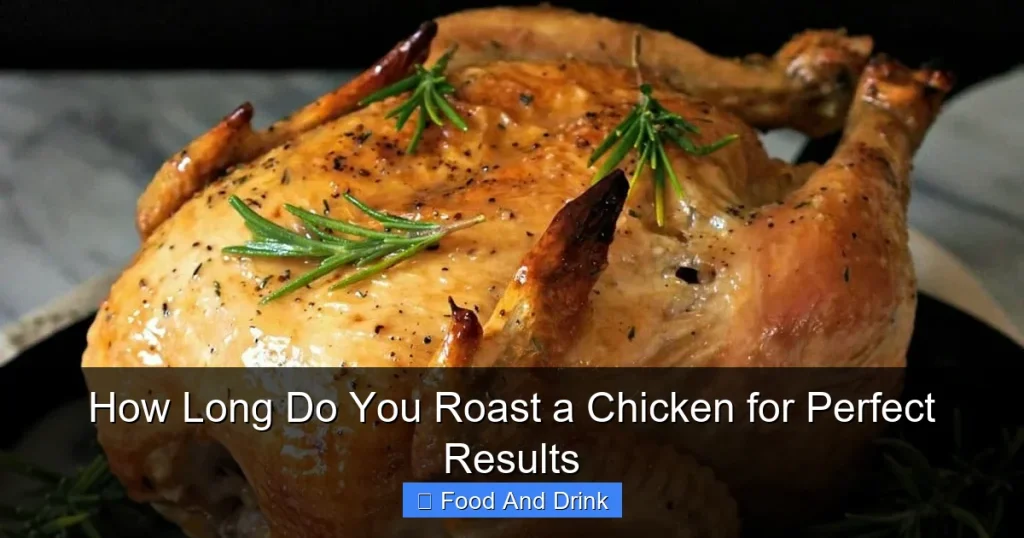

Roasting a chicken seems simple, but getting the timing right is key to juicy meat and crispy skin. The general rule is 20 minutes per pound at 375°F (190°C), but factors like oven type, stuffing, and chicken size can shift that.
Key Takeaways
- Standard roasting time: Allow 20 minutes per pound at 375°F (190°C) for an unstuffed chicken.
- Use a meat thermometer: The safest way to know your chicken is done is when the internal temperature reaches 165°F (74°C) in the thickest part of the thigh.
- Rest before carving: Let the chicken rest for 15–20 minutes after roasting to lock in juices.
- Higher heat for crispier skin: Start at 425°F (220°C) for the first 15–20 minutes, then reduce to 350°F (175°C) to prevent burning.
- Stuffing adds time: If roasting a stuffed chicken, add 15–20 minutes and ensure the stuffing reaches 165°F (74°C).
- Bone-in vs. boneless: Bone-in chickens take longer but stay juicier; boneless cuts roast faster but dry out more easily.
- Oven variations matter: Convection ovens cook faster—reduce time by 25% or lower temperature by 25°F (15°C).
Quick Answers to Common Questions
How long do you roast a 4-pound chicken?
A 4-pound chicken typically takes 80–90 minutes to roast at 375°F (190°C) when unstuffed. Always check the internal temperature—165°F (74°C) in the thigh—to confirm it’s done.
Should I roast chicken covered or uncovered?
Always roast chicken uncovered. Covering traps steam, which prevents the skin from crisping. For even browning, leave it exposed the entire time.
Can I roast a chicken from frozen?
It’s not recommended. Frozen chickens cook unevenly and can lead to food safety issues. Always thaw in the refrigerator before roasting.
How do I know when my roast chicken is done?
Use a meat thermometer. Insert it into the thickest part of the thigh, avoiding the bone. It’s done when it reads 165°F (74°C).
Why does my chicken skin stay pale?
Pale skin usually means the chicken wasn’t dried thoroughly before roasting. Pat it dry with paper towels and consider roasting at a higher temperature at the end for crispiness.
📑 Table of Contents
How Long Do You Roast a Chicken for Perfect Results
Roasting a whole chicken is one of those classic kitchen tasks that feels both timeless and intimidating. It’s the centerpiece of Sunday dinners, holiday feasts, and cozy weeknight meals. But despite its simplicity, many home cooks hesitate—worried about undercooking, overcooking, or ending up with dry, flavorless meat. The truth? Roasting a chicken to golden, juicy perfection is absolutely achievable, and it all starts with understanding how long to roast a chicken.
The key to success lies in timing, temperature, and technique. While recipes often give a rough estimate—like “roast for 1 hour and 15 minutes”—that’s not always accurate. A 3-pound chicken won’t cook the same as a 5-pounder, and a convection oven behaves differently than a conventional one. That’s why knowing the general rule of thumb—20 minutes per pound at 375°F (190°C)—is a great starting point, but it’s not the whole story. To truly master roasting, you need to consider the chicken’s size, whether it’s stuffed, your oven type, and how you want the final result: crispy skin, tender meat, or both.
In this guide, we’ll walk you through everything you need to know about how long to roast a chicken for perfect results. From prep tips to resting times, we’ll cover the science, the shortcuts, and the small details that make a big difference. Whether you’re a beginner or a seasoned home cook, these insights will help you roast a chicken that’s juicy on the inside, golden on the outside, and absolutely delicious.
Understanding Roasting Basics

Visual guide about How Long Do You Roast a Chicken for Perfect Results
Image source: preciouscore.com
Before we dive into timing, let’s talk about what roasting actually does. Roasting is a dry-heat cooking method that uses hot air to cook food evenly, creating a flavorful crust while keeping the interior moist. When you roast a chicken, the heat penetrates from the outside in, slowly cooking the meat while browning the skin. This process not only makes the chicken safe to eat but also develops rich, savory flavors through the Maillard reaction—a chemical reaction between amino acids and sugars that gives browned food its appealing taste and color.
The ideal roasting temperature for chicken is between 350°F and 425°F (175°C to 220°C). Lower temperatures (around 325°F to 350°F) cook the chicken more slowly, which can help prevent drying out, especially for larger birds. Higher temperatures (400°F to 425°F) create a crispier skin and faster cooking time, but they require more attention to avoid burning. Most home cooks find that 375°F (190°C) strikes the perfect balance—hot enough to brown the skin and cook the meat thoroughly, but not so hot that it dries out the breast.
One of the biggest mistakes people make is relying solely on time. A recipe might say “roast for 1 hour,” but that doesn’t account for variations in oven performance, chicken size, or starting temperature (room temp vs. straight from the fridge). That’s why using a meat thermometer is non-negotiable. The USDA recommends cooking poultry to an internal temperature of 165°F (74°C) to ensure food safety. But for the best texture, many chefs aim for 160°F (71°C) in the thigh, knowing that the temperature will rise 5°F during resting.
Why Timing Matters
Timing is everything when it comes to roasting chicken. Cook it too long, and the meat becomes dry and stringy. Not long enough, and you risk foodborne illness. The goal is to hit that sweet spot where the meat is tender, juicy, and fully cooked, with skin that’s golden and slightly crisp.
The general rule—20 minutes per pound at 375°F (190°C)—works well for most unstuffed, whole chickens. So a 4-pound chicken would take about 80 minutes. But this is just a guideline. A chicken that’s been sitting on the counter for 30 minutes will cook faster than one pulled straight from the fridge. A chicken with the backbone removed (spatchcocked) will cook more evenly and in less time. And a chicken stuffed with aromatics or dressing will take longer because the stuffing acts as an insulator, slowing heat transfer.
That’s why it’s so important to use a meat thermometer. Insert it into the thickest part of the thigh, avoiding the bone. When it reads 160°F to 165°F (71°C to 74°C), your chicken is done. Let it rest for 15–20 minutes before carving. During this time, the juices redistribute, and the temperature continues to rise slightly, ensuring the meat stays moist.
Factors That Affect Roasting Time
Several factors can influence how long you need to roast a chicken. Understanding these will help you adjust on the fly and avoid under- or overcooking.
First, chicken size. A small 3-pound chicken will roast in about 60–70 minutes at 375°F. A larger 6-pound bird could take 2 hours or more. Always calculate based on weight, not just visual size.
Second, whether the chicken is stuffed. If you’re adding stuffing, herbs, or citrus inside the cavity, it will take longer to cook because the heat has to penetrate through the stuffing to reach the center. Add 15–20 minutes to your estimated time, and make sure the stuffing itself reaches 165°F (74°C).
Third, bone-in vs. boneless. A whole, bone-in chicken takes longer but stays juicier because the bones conduct heat slowly and help retain moisture. Boneless chickens (like split breasts or butterflied cuts) cook faster but are more prone to drying out.
Fourth, oven type. Convection ovens circulate hot air, which cooks food more evenly and up to 25% faster. If using a convection setting, reduce the temperature by 25°F (15°C) or shorten the cooking time accordingly.
Finally, starting temperature. A chicken that’s been at room temperature for 20–30 minutes will cook more evenly and slightly faster than one straight from the fridge. Cold chickens can lead to uneven cooking—overcooked breast, undercooked thigh.
Step-by-Step Roasting Guide

Visual guide about How Long Do You Roast a Chicken for Perfect Results
Image source: content.instructables.com
Now that you understand the basics, let’s walk through a foolproof method for roasting a chicken that turns out perfect every time.
Prep the Chicken
Start by removing the chicken from the refrigerator 20–30 minutes before roasting. This allows it to come to room temperature, promoting even cooking. While it sits, preheat your oven to 375°F (190°C). Pat the chicken dry with paper towels—this is crucial for crispy skin. Moisture on the surface steams instead of browning, so dry it thoroughly, inside and out.
Season generously with salt and pepper, both inside the cavity and under the skin if possible. Gently loosen the skin over the breast and thighs with your fingers, then tuck butter, herbs, or garlic underneath for extra flavor. You can also rub the outside with olive oil or butter to help the skin crisp up.
If you’re stuffing the chicken, keep it simple—onions, lemons, herbs, or a basic bread stuffing. Don’t overpack the cavity, as the stuffing will expand. And remember: stuffed chickens take longer to roast.
Trussing (Optional but Helpful)
Trussing means tying the legs together with kitchen twine and tucking the wings under the body. This helps the chicken cook evenly and keeps the breast from drying out. It also gives the bird a neat, professional appearance. If you don’t have twine, you can skip this step, but trussing is especially helpful for larger chickens.
Roasting Process
Place the chicken breast-side up on a roasting pan or oven-safe skillet. You can use a rack in the pan to elevate the chicken, allowing air to circulate underneath and promoting even browning. If you don’t have a rack, the chicken will still roast fine—just make sure the pan isn’t too crowded.
Roast at 375°F (190°C) for approximately 20 minutes per pound. For a 4-pound chicken, that’s about 80 minutes. But again, don’t rely solely on time. Start checking the temperature after 60 minutes. Insert a meat thermometer into the thickest part of the thigh, avoiding the bone. When it reads 160°F (71°C), the chicken is nearly done.
For extra-crispy skin, you can increase the heat to 425°F (220°C) for the last 10–15 minutes of roasting. This gives the skin a beautiful golden finish without overcooking the meat.
Basting and Monitoring
Basting—brushing the chicken with its own juices or melted butter—can add flavor and help brown the skin. But it’s not necessary. Every time you open the oven door to baste, you lose heat, which can extend cooking time. If you do baste, do it quickly and only once or twice.
Instead of basting, consider spritzing the chicken with a little broth or wine halfway through roasting. This adds moisture without cooling the oven.
Keep an eye on the chicken as it roasts. If the skin is browning too quickly, tent it loosely with aluminum foil. This protects the skin from burning while allowing the meat to continue cooking.
Resting the Chicken
Once the chicken reaches the right temperature, remove it from the oven and let it rest for 15–20 minutes before carving. This is one of the most important steps. During resting, the juices redistribute throughout the meat, ensuring every bite is moist and flavorful. The internal temperature will also rise by 5°F, so pulling it at 160°F ensures it reaches 165°F safely.
Cover the chicken loosely with foil to keep it warm, but don’t wrap it tightly—this can steam the skin and make it soggy.
Roasting Times by Chicken Size

Visual guide about How Long Do You Roast a Chicken for Perfect Results
Image source: content.instructables.com
To make things easier, here’s a quick reference guide for how long to roast a chicken based on weight. These times assume an unstuffed chicken roasted at 375°F (190°C) in a conventional oven.
- 3-pound chicken: 60–70 minutes
- 4-pound chicken: 80–90 minutes
- 5-pound chicken: 100–110 minutes
- 6-pound chicken: 120–130 minutes
These are estimates. Always use a meat thermometer to confirm doneness. For stuffed chickens, add 15–20 minutes and check that the stuffing reaches 165°F (74°C).
If you’re roasting a spatchcocked chicken (butterflied), the time drops significantly—about 45–60 minutes for a 4-pound bird at 425°F (220°C). The flattened shape allows for even, fast cooking and extra-crispy skin.
Convection Oven Adjustments
If your oven has a convection setting, you’re in luck—it cooks more evenly and faster. Reduce the temperature by 25°F (15°C) or shorten the cooking time by about 25%. So instead of 375°F, roast at 350°F (175°C), or cut the time from 80 minutes to about 60 minutes for a 4-pound chicken.
Convection is especially great for achieving crispy skin without burning, as the circulating air browns the surface evenly.
Tips for Juicy, Flavorful Results
Roasting a chicken isn’t just about timing—it’s about technique. Here are some pro tips to elevate your roast chicken game.
Season Under the Skin
For maximum flavor, season not just the outside, but also under the skin. Gently lift the skin over the breast and thighs and rub butter, salt, pepper, garlic, or herbs directly onto the meat. This infuses flavor deep into the chicken and keeps it moist.
Use a Roasting Rack
A roasting rack elevates the chicken, allowing hot air to circulate underneath. This promotes even browning and prevents the bottom from steaming in its own juices. If you don’t have a rack, you can create a makeshift one with chopped vegetables like carrots, onions, and celery. They’ll absorb drippings and add flavor to your pan sauce.
Add Aromatics
Stuff the cavity with aromatics like lemon halves, garlic cloves, onion wedges, and fresh herbs (thyme, rosemary, sage). These won’t make the chicken “taste” lemony or garlicky, but they’ll infuse the meat with subtle fragrance and keep the cavity moist.
Make a Pan Sauce
Don’t waste those delicious drippings! After roasting, remove the chicken and place the pan on the stovetop. Add a splash of wine or broth, scrape up the browned bits, and simmer until reduced. Stir in a knob of butter for richness, and you’ve got an instant pan sauce that’s restaurant-quality.
Brining for Extra Juiciness
For the juiciest chicken possible, consider brining. Soak the chicken in a saltwater solution (with sugar and spices) for 4–12 hours before roasting. Brining helps the meat retain moisture, so even if you slightly overcook it, it stays tender. Just remember to rinse and pat dry before seasoning.
Troubleshooting Common Problems
Even with the best intentions, things can go wrong. Here’s how to fix common roasting issues.
Dry Breast Meat
The breast cooks faster than the thighs, so it’s prone to drying out. To prevent this, truss the chicken, roast breast-side down for the first 30 minutes, then flip it breast-side up. Or, use a meat thermometer and remove the chicken as soon as the breast hits 160°F (71°C).
Pale or Soggy Skin
If the skin isn’t crispy, it’s likely due to moisture. Make sure the chicken is thoroughly dried before roasting. Avoid covering it with foil unless necessary. For extra crispiness, roast at a higher temperature (425°F) for the last 10–15 minutes.
Undercooked Thighs
If the breast is done but the thighs aren’t, continue roasting and check every 5 minutes. You can also remove the breast and let the thighs finish cooking separately, though this is more advanced.
Overcooked Chicken
If you’ve accidentally overcooked the chicken, don’t despair. Shred the meat and use it in soups, salads, or sandwiches. The flavor will still be good—just not ideal for a whole roast.
Conclusion
Roasting a chicken doesn’t have to be stressful. With the right timing, temperature, and a few smart techniques, you can achieve juicy, golden, restaurant-worthy results at home. Remember: the key to perfect roast chicken is not just how long you roast it, but how you prepare it, monitor it, and let it rest.
Use the 20-minutes-per-pound rule as a starting point, but always rely on a meat thermometer for accuracy. Adjust for size, stuffing, and oven type, and don’t skip the resting period. With practice, you’ll develop a feel for it—and soon, roasting a chicken will be one of your most confident kitchen skills.
So the next time someone asks, “How long do you roast a chicken?” you’ll have the answer—and the perfect bird to prove it.
🎥 Related Video: How to roast a chicken!
📺 Jose.elcook
Roasting a chicken can make or break your reputation at the homies gathering, so show let me show you how to Bust it down!
Frequently Asked Questions
How long do you roast a chicken per pound?
You should roast a chicken for about 20 minutes per pound at 375°F (190°C) when it’s unstuffed. This is a general guideline, so always verify with a meat thermometer.
Can I roast a chicken at 350°F instead of 375°F?
Yes, roasting at 350°F (175°C) is fine and may help prevent drying out, especially for larger chickens. Just add 10–15 minutes to the cooking time and monitor the internal temperature.
Do I need to baste my roast chicken?
Basting is optional. It can add flavor and help brown the skin, but it’s not necessary. Frequent oven opening can reduce heat and extend cooking time.
How long should I let a roast chicken rest?
Let the chicken rest for 15–20 minutes after roasting. This allows the juices to redistribute, resulting in moister, more flavorful meat.
Can I stuff a chicken before roasting?
Yes, but it will take 15–20 minutes longer to cook. Make sure the stuffing reaches 165°F (74°C) to be safe to eat.
Is it better to roast chicken breast-side up or down?
Roast breast-side up for even browning. Some cooks flip it breast-side down for the first 30 minutes to protect the breast, but it’s not required for most home roasting.