
Knowing when cooked chicken lasts in the fridge is key to avoiding foodborne illness and food waste. Proper storage, temperature control, and recognizing spoilage signs help you enjoy safe, delicious meals.
Key Takeaways
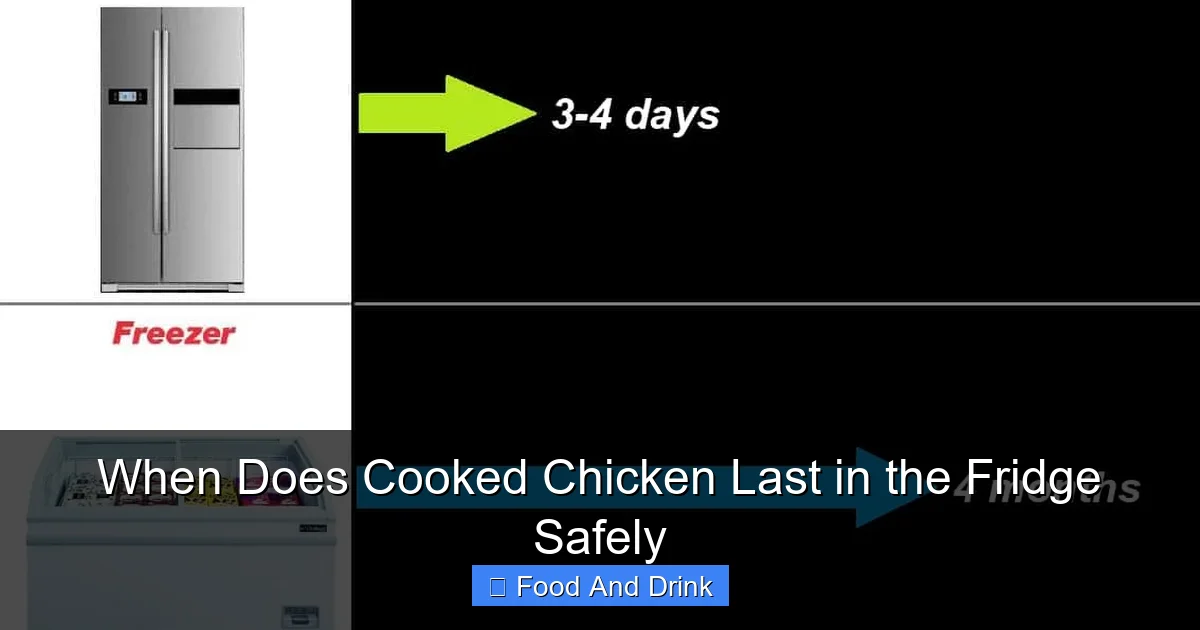
- Cooked chicken lasts 3–4 days in the fridge at 40°F or below. Beyond that, bacteria like Salmonella and Listeria can grow, increasing food poisoning risk.
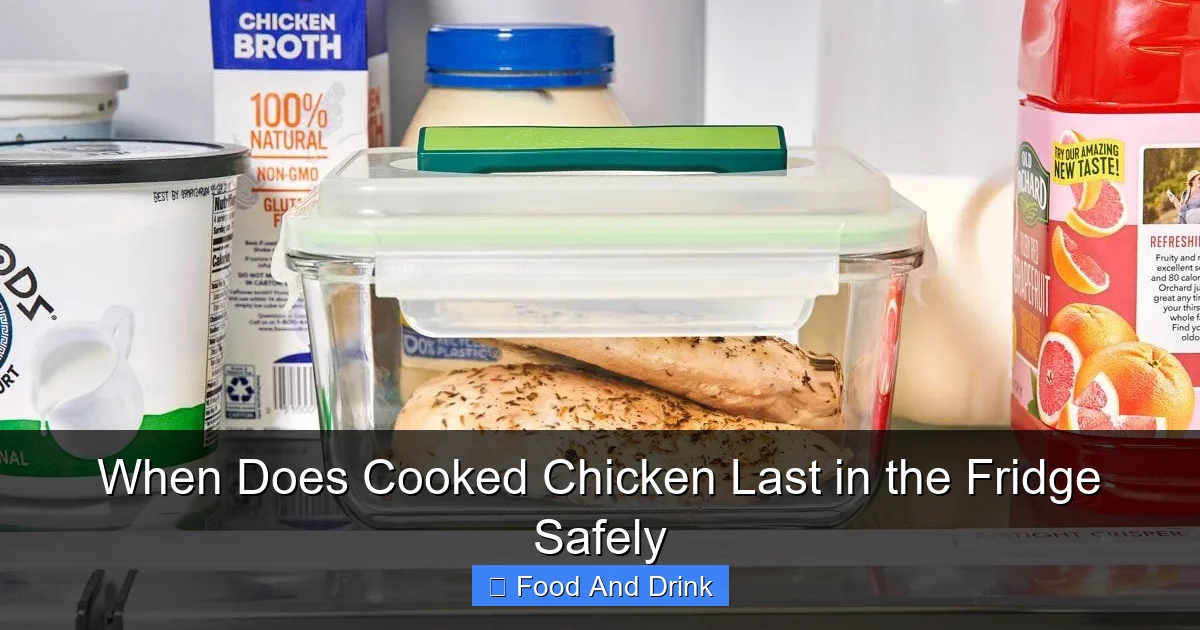
- Store chicken in airtight containers or sealed bags to maintain freshness and prevent cross-contamination. This also helps retain moisture and flavor.
- Label and date your leftovers so you know exactly how long they’ve been stored. This simple habit prevents guesswork and reduces waste.
- Reheat cooked chicken to an internal temperature of 165°F before eating. This kills any bacteria that may have developed during storage.
- Freeze cooked chicken if you won’t eat it within 4 days. It can last 2–6 months in the freezer without losing quality.
- Trust your senses—if it smells sour, feels slimy, or looks discolored, throw it out. When in doubt, it’s safer to discard than risk illness.
- Never leave cooked chicken at room temperature for more than 2 hours (1 hour if it’s above 90°F). Bacteria multiply rapidly in the “danger zone” between 40°F and 140°F.
Quick Answers to Common Questions
How long can cooked chicken sit out?
Cooked chicken should not sit out for more than 2 hours at room temperature. If the temperature is above 90°F, limit it to 1 hour to avoid bacterial growth.
Can you eat cooked chicken after 5 days?
It’s not recommended. Cooked chicken is safest within 3–4 days. After that, the risk of bacterial contamination increases significantly.
Does freezing cooked chicken make it last longer?
Yes. Freezing cooked chicken can extend its shelf life to 2–6 months, depending on storage method and packaging.
Can you reheat cooked chicken more than once?
It’s best to avoid reheating more than once. Each cycle increases the risk of bacterial growth. Only reheat what you plan to eat.
How can I tell if cooked chicken is spoiled?
Look for sour smell, slimy texture, or unusual color. If any of these are present, discard the chicken immediately.
📑 Table of Contents
- How Long Does Cooked Chicken Last in the Fridge?
- Why Timing Matters: The Science Behind Chicken Spoilage
- Best Practices for Storing Cooked Chicken
- Signs That Cooked Chicken Has Gone Bad
- How to Safely Reheat Cooked Chicken
- Freezing Cooked Chicken: Extending Shelf Life
- Common Mistakes to Avoid
- Conclusion: Enjoy Your Chicken Safely and Deliciously
How Long Does Cooked Chicken Last in the Fridge?
So, you’ve made a big batch of grilled chicken, roasted a whole bird, or whipped up some creamy chicken curry—now what? You’ve got leftovers, and you’re wondering: how long can I keep this in the fridge before it goes bad? The short answer? Cooked chicken lasts 3 to 4 days in the refrigerator when stored properly. But there’s more to it than just counting the days.
Food safety isn’t just about convenience—it’s about protecting your health. Chicken is a high-risk food when it comes to bacterial contamination. Whether it’s raw or cooked, it can harbor harmful pathogens like Salmonella, Campylobacter, and Listeria. These bacteria don’t always change the taste or smell of the food, which means you can’t always rely on your senses to tell if something’s safe to eat. That’s why understanding proper storage and shelf life is so important.
The good news? With a few simple habits, you can safely enjoy your leftover chicken without worry. From the moment you finish cooking, the clock starts ticking. How you cool it, where you store it, and how you reheat it all play a role in how long it stays fresh and safe. In this guide, we’ll walk you through everything you need to know about storing cooked chicken in the fridge—so you can eat with confidence and reduce food waste.
Why Timing Matters: The Science Behind Chicken Spoilage
Visual guide about When Does Cooked Chicken Last in the Fridge Safely
Image source: cs-tf.com
You might be thinking, “It’s just chicken—how bad can a few extra days be?” But here’s the thing: bacteria grow fast, especially in protein-rich foods like chicken. Once cooked chicken cools down, it enters what food scientists call the “danger zone”—the temperature range between 40°F and 140°F where bacteria multiply rapidly.
Even though cooking kills most bacteria, it doesn’t make the food sterile. Spores and some resilient bacteria can survive, and new contamination can happen during handling or storage. Plus, enzymes in the meat continue to break it down over time, leading to spoilage.
The main culprits behind chicken spoilage are:
- Salmonella: Causes nausea, vomiting, diarrhea, and fever. It’s one of the most common causes of food poisoning.
- Campylobacter: Often linked to undercooked poultry, it can lead to severe gastrointestinal illness.
- Listeria: Especially dangerous for pregnant women, newborns, and people with weakened immune systems.
- Staphylococcus aureus: Can produce toxins that aren’t destroyed by reheating.
These bacteria don’t always make the chicken smell or look bad. That’s why relying on your nose or eyes alone isn’t safe. The only way to truly protect yourself is to follow proper storage guidelines and stick to the 3–4 day rule.
How Temperature Affects Shelf Life
Your refrigerator’s temperature is one of the most important factors in how long cooked chicken lasts. The FDA recommends keeping your fridge at or below 40°F (4°C). At this temperature, bacterial growth slows significantly, giving you that 3–4 day window.
But if your fridge is warmer—say, 45°F or higher—bacteria can grow much faster. In fact, some studies show that at 45°F, certain bacteria can double in number in just a few hours. That means your chicken could spoil in as little as 2 days.
To check your fridge’s temperature, use a refrigerator thermometer. Place it in the middle shelf and wait 24 hours before reading. If it’s above 40°F, adjust the settings or consider having it serviced.
The Role of Moisture and Air Exposure
Moisture and air are two other key players in spoilage. Cooked chicken is moist, and moisture encourages bacterial and mold growth. Exposure to air can dry out the surface, creating a tough texture, but it can also introduce contaminants.
That’s why storing chicken in airtight containers or resealable plastic bags is so important. These containers limit air exposure and help retain moisture without creating a breeding ground for bacteria. For even better protection, consider using vacuum-sealed bags, which remove air entirely and can extend freshness.
Best Practices for Storing Cooked Chicken
Visual guide about When Does Cooked Chicken Last in the Fridge Safely
Image source: repairinuae.com
Now that you know why timing and temperature matter, let’s talk about how to store cooked chicken the right way. Good storage isn’t just about tossing it in a container and hoping for the best. It’s about creating the ideal environment to slow spoilage and keep your food safe.
Cool It Down Quickly
One of the biggest mistakes people make is letting cooked chicken sit out too long before refrigerating. The FDA recommends refrigerating perishable foods within 2 hours of cooking—or within 1 hour if the room temperature is above 90°F.
Leaving chicken at room temperature gives bacteria a head start. To cool it safely:
- Divide large portions into smaller, shallow containers. This increases the surface area and helps the chicken cool faster.
- Place the containers in an ice bath or the refrigerator immediately after cooking.
- Avoid covering the chicken while it’s still hot, as this traps heat and slows cooling.
For example, if you’ve roasted a whole chicken, carve it into pieces and store them in separate containers. A whole bird can take hours to cool, which is too long in the danger zone.
Use the Right Containers
Not all containers are created equal when it comes to food storage. Glass and BPA-free plastic containers with tight-fitting lids are ideal. They’re non-porous, easy to clean, and help prevent leaks and odors.
Avoid using aluminum foil or plastic wrap alone, as they don’t provide a complete seal. If you must use them, wrap the chicken tightly and place it in a container or bag for extra protection.
For long-term storage or meal prep, consider investing in reusable silicone bags or vacuum sealers. These options remove air and keep chicken fresher longer.
Label and Date Everything
It’s easy to forget when you stored something—especially if you cook in batches. That’s why labeling is crucial. Use a permanent marker or label maker to write the date on each container.
A simple system like “Cooked – 5/20” helps you track how long it’s been in the fridge. This is especially helpful if you have multiple types of leftovers.
Pro tip: Store newer items behind older ones. This “first in, first out” method ensures you use the oldest food first and reduces waste.
Where to Store in the Fridge
Not all parts of your fridge are equally cold. The door, for example, is the warmest area because it’s opened frequently. Avoid storing cooked chicken here.
Instead, place it on the middle or lower shelves, where the temperature is most consistent. The back of the fridge is usually the coldest spot, so that’s ideal for perishable items.
Avoid overcrowding your fridge. Good air circulation helps maintain a steady temperature. If your fridge is packed, the cooling system has to work harder, and some areas may become warmer than others.
Signs That Cooked Chicken Has Gone Bad
Visual guide about When Does Cooked Chicken Last in the Fridge Safely
Image source: tasteofhome.com
Even with perfect storage, chicken can still spoil. Knowing the signs of spoilage can help you avoid a nasty case of food poisoning.
Smell
Fresh cooked chicken has a mild, almost neutral smell. If it starts to smell sour, sulfurous, or just “off,” it’s time to toss it. A strong, unpleasant odor is one of the earliest signs of bacterial growth.
Texture
Cooked chicken should feel firm and slightly moist. If it feels slimy or sticky to the touch, that’s a red flag. Slime is a sign of bacterial biofilm formation, which can harbor harmful pathogens.
Note: A thin layer of moisture is normal, especially if the chicken was stored in a sealed container. But if it feels gooey or leaves a residue on your fingers, don’t risk it.
Color
Chicken that’s gone bad may develop gray, green, or yellowish patches. While some color change is normal due to oxidation (like when meat turns brown), unusual discoloration—especially with other signs—means it’s unsafe.
For example, if your grilled chicken turns a dull gray and smells sour, it’s spoiled. But if it’s just slightly darker on the edges and still smells fine, it might still be okay.
Taste (Only If You’re Sure It’s Safe)
We don’t recommend tasting questionable food—even a small amount can make you sick. But if the chicken passes the smell, texture, and color tests, a tiny taste can confirm freshness. If it tastes sour, bitter, or just “wrong,” spit it out and throw the rest away.
When in Doubt, Throw It Out
This is the golden rule of food safety. If you’re unsure whether cooked chicken is still good, don’t take the risk. It’s better to lose a little food than spend days sick with food poisoning.
Remember: Bacteria like Listeria can grow even in the fridge, and they don’t always produce obvious signs of spoilage. So trust your instincts—and your labels.
How to Safely Reheat Cooked Chicken
Reheating isn’t just about making your chicken warm and tasty—it’s also about safety. Improper reheating can leave harmful bacteria alive, especially if the food isn’t heated evenly.
Reheat to 165°F
The FDA recommends reheating leftovers to an internal temperature of at least 165°F. This temperature is high enough to kill most bacteria that may have grown during storage.
Use a food thermometer to check the temperature in the thickest part of the chicken. Avoid guessing—what feels hot to the touch may not be hot enough inside.
Best Reheating Methods
- Oven: Preheat to 350°F. Place chicken in a baking dish, cover with foil, and heat for 20–30 minutes. This method keeps the chicken moist and evenly heated.
- Stovetop: Great for shredded or sliced chicken. Heat in a skillet over medium heat with a little broth or oil to prevent drying.
- Microwave: Use a microwave-safe dish and cover with a lid or damp paper towel. Heat in 30-second intervals, stirring in between, until hot throughout.
- Air Fryer: Perfect for crispy textures. Reheat at 350°F for 5–8 minutes, shaking the basket halfway through.
Avoid reheating chicken more than once. Each time you cool and reheat, you increase the risk of bacterial growth. If you have a large portion, only reheat what you plan to eat.
Avoid the Danger Zone
Never let reheated chicken sit at room temperature for more than 2 hours. Once it’s hot, either eat it right away or refrigerate it promptly.
If you’re meal prepping, consider reheating individual portions instead of the whole batch. This reduces the number of times the food enters the danger zone.
Freezing Cooked Chicken: Extending Shelf Life
What if you won’t eat your cooked chicken within 3–4 days? Freezing is the answer. When stored properly, cooked chicken can last 2 to 6 months in the freezer without significant loss of quality.
How to Freeze Safely
- Cool the chicken completely before freezing. Hot food raises the freezer’s temperature and can affect other items.
- Portion it into meal-sized amounts. This makes it easier to thaw only what you need.
- Use freezer-safe containers, heavy-duty freezer bags, or vacuum sealers. Remove as much air as possible to prevent freezer burn.
- Label each package with the date and contents. For example: “Cooked Chicken – 5/20.”
Freezer burn doesn’t make food unsafe, but it can dry out the chicken and affect texture. To minimize it, wrap the chicken tightly and store it in the coldest part of the freezer.
Thawing Frozen Chicken
Never thaw chicken at room temperature. Instead, use one of these safe methods:
- Refrigerator: Thaw overnight in the fridge. This is the safest method and keeps the chicken at a safe temperature.
- Cold water: Place the sealed package in a bowl of cold water. Change the water every 30 minutes. Cook immediately after thawing.
- Microwave: Use the defrost setting, but cook the chicken right away, as some parts may begin to cook during thawing.
Once thawed, treat the chicken like fresh leftovers—eat within 3–4 days or freeze again (though quality may decline).
Common Mistakes to Avoid
Even with the best intentions, it’s easy to make mistakes that shorten the shelf life of cooked chicken. Here are some common pitfalls and how to avoid them.
Leaving Chicken Out Too Long
We’ve all been there—dinner’s over, everyone’s full, and the chicken sits on the counter while you clean up. But that extra hour can be dangerous. Bacteria multiply fastest between 40°F and 140°F, and room temperature is right in the middle.
Solution: Make it a habit to refrigerate leftovers within 2 hours—or 1 hour in hot weather.
Using the Wrong Containers
Storing chicken in a deep, narrow container slows cooling and traps moisture. It also makes it harder to reheat evenly.
Solution: Use shallow, airtight containers that allow for quick cooling and easy reheating.
Ignoring the Fridge Temperature
If your fridge isn’t cold enough, even properly stored chicken can spoil faster.
Solution: Check your fridge temperature regularly and adjust as needed.
Reheating Multiple Times
Reheating the same portion over and over increases the risk of bacterial growth.
Solution: Only reheat what you’ll eat. Store the rest in the fridge or freezer.
Not Labeling
Without labels, it’s easy to lose track of how long something’s been stored.
Solution: Label everything with the date. Use a simple system and stick to it.
Conclusion: Enjoy Your Chicken Safely and Deliciously
Knowing when cooked chicken lasts in the fridge isn’t just about avoiding waste—it’s about protecting your health and enjoying your meals with confidence. By following these guidelines, you can safely store, reheat, and enjoy your leftover chicken without worry.
Remember: 3–4 days in the fridge, 2–6 months in the freezer, and always reheat to 165°F. Cool it quickly, store it properly, and trust your senses—but when in doubt, throw it out.
With a little attention to detail, you can turn last night’s dinner into today’s delicious lunch, all while keeping your family safe. So go ahead—make that big batch of chicken soup, grill up extra breasts, or roast a whole bird. Just store it right, and you’ll be good to go.
🎥 Related Video: How Long Does Cooked Chicken Last in the Fridge?
📺 The AI Briefing
How Long Does Cooked Chicken Last in the Fridge? Storing cooked chicken properly is essential for food safety! How long can …
Frequently Asked Questions
Can I freeze cooked chicken that’s been in the fridge for 3 days?
Yes, you can freeze cooked chicken that’s been refrigerated for up to 3–4 days. Freezing stops bacterial growth, but it’s best to freeze it sooner for optimal quality.
Is it safe to eat slightly slimy chicken?
No. A slimy texture is a sign of bacterial growth and spoilage. Even if it smells okay, it’s unsafe to eat and should be thrown away.
Can I store cooked chicken in the same container as raw chicken?
Absolutely not. This can lead to cross-contamination. Always use separate containers and utensils for raw and cooked foods.
Does marinating cooked chicken extend its shelf life?
No. Marinating doesn’t preserve cooked chicken. In fact, leftover marinade can introduce bacteria if not handled properly. Store cooked chicken separately.
Can I eat cold cooked chicken straight from the fridge?
Yes, as long as it’s been stored properly and is within the 3–4 day window. Cold chicken is safe to eat, though some people prefer to reheat it for better flavor.
What’s the best way to store shredded cooked chicken?
Store shredded chicken in an airtight container or resealable bag. Press out excess air and label with the date. It lasts 3–4 days in the fridge.