
Eating cooked chicken that’s been left out overnight can be dangerous and lead to serious foodborne illness. Bacteria like Salmonella and E. coli multiply rapidly at room temperature, making the chicken unsafe to consume even if it smells or looks fine.
Key Takeaways
- Leaving cooked chicken out overnight allows bacteria to grow rapidly. The “danger zone” for food is between 40°F and 140°F, where harmful microbes thrive.
- Even if it smells or looks okay, the chicken may still be contaminated. Many foodborne pathogens don’t change the appearance or odor of food.
- Symptoms of food poisoning can appear within hours or days. Watch for nausea, vomiting, diarrhea, fever, and stomach cramps.
- Refrigerating chicken within 2 hours of cooking is essential. If the room is above 90°F, reduce this time to just 1 hour.
- When in doubt, throw it out. It’s not worth risking your health over a questionable meal.
- Proper storage and reheating can help prevent illness. Store chicken in shallow containers and reheat to at least 165°F.
- Children, elderly, and immunocompromised individuals are at higher risk. They should avoid eating any food left out too long.
Key Takeaways
- Understanding what if cooked chicken is left out overnight: Provides essential knowledge
Quick Answers to Common Questions
Can you get sick from eating chicken left out overnight?
Yes, you can get seriously sick. Bacteria like Salmonella and E. coli grow rapidly at room temperature, and eating contaminated chicken can cause food poisoning.
How long is it safe to leave cooked chicken out?
Never leave cooked chicken out for more than 2 hours. If the room is above 90°F, limit it to 1 hour.
Does reheating kill bacteria in spoiled chicken?
Reheating can kill some bacteria, but not the toxins they produce. Some toxins survive high heat and can still make you sick.
What are the first signs of food poisoning from chicken?
Common early signs include nausea, vomiting, stomach cramps, and diarrhea. Symptoms can start within hours or take days to appear.
Is it safe to eat chicken that smells fine but was left out?
No. Many harmful bacteria don’t change the smell or appearance of food. If it’s been out overnight, it’s not safe to eat.
📑 Table of Contents
What Happens When Cooked Chicken Is Left Out Overnight?
You’ve just finished a delicious family dinner. The chicken was juicy, flavorful, and perfectly seasoned. But in the rush to clean up, you forget to put the leftovers in the fridge. The next morning, you find the cooked chicken sitting on the counter—still in its serving dish, uncovered. Now you’re wondering: Is it safe to eat?
Unfortunately, the short answer is no. Eating cooked chicken that’s been left out overnight can put you at serious risk of foodborne illness. Even if it looks and smells normal, harmful bacteria may have already multiplied to dangerous levels.
Cooked chicken is a high-risk food when it comes to bacterial contamination. It’s rich in protein and moisture—two things bacteria love. When left at room temperature, especially for more than two hours, these bacteria can grow rapidly. Overnight means at least 8 to 12 hours in the “danger zone” (40°F to 140°F), which is more than enough time for pathogens like Salmonella, E. coli, and Listeria to flourish.
The scary part? You can’t always tell if food is spoiled just by looking or smelling it. Some bacteria don’t produce any noticeable changes in color, texture, or odor. That means even if the chicken seems fine, it could still be teeming with germs. Consuming it could lead to symptoms ranging from mild stomach upset to severe dehydration, hospitalization, or worse.
Let’s break down exactly what happens when cooked chicken sits out too long—and why it’s so important to handle leftovers safely.
How Bacteria Grow on Leftover Chicken
Bacteria are microscopic organisms that exist everywhere—on surfaces, in the air, and even on our skin. While many are harmless or even beneficial, some can cause serious illness when they contaminate food.
When cooked chicken is left out, it becomes an ideal breeding ground for these harmful bacteria. Here’s why:
– Temperature matters most. Bacteria multiply fastest between 40°F and 140°F—the so-called “danger zone.” At room temperature (around 68°F to 72°F), bacteria can double in number every 20 minutes. That means a single bacterium can become over 1 million in just 6 hours.
– Moisture and protein feed bacterial growth. Chicken is high in both, making it a prime target. Even if the chicken was fully cooked and safe when it came out of the oven, it can become contaminated again if not stored properly.
– Cross-contamination can occur. If the chicken was left uncovered, airborne bacteria or pests like flies could land on it. Also, if it was sitting near raw meat or unwashed utensils, bacteria could transfer easily.
Common culprits include:
– Salmonella: Causes fever, diarrhea, and abdominal cramps. Symptoms usually start 6 hours to 6 days after eating contaminated food.
– Campylobacter: One of the most common causes of food poisoning. Leads to diarrhea (sometimes bloody), fever, and vomiting.
– E. coli: Some strains produce toxins that can cause severe stomach cramps, bloody diarrhea, and vomiting.
– Staphylococcus aureus: Produces a toxin that causes rapid-onset nausea, vomiting, and stomach pain—often within 30 minutes to 6 hours.
These bacteria don’t need oxygen to grow, so even tightly covered chicken isn’t safe if it’s been out too long. The only way to stop bacterial growth is to keep food either hot (above 140°F) or cold (below 40°F).
The Danger Zone: Why Time and Temperature Are Critical
The USDA and food safety experts agree: Perishable foods like cooked chicken should not be left at room temperature for more than 2 hours. If the ambient temperature is above 90°F (like on a hot summer day), that time drops to just 1 hour.
This rule isn’t arbitrary. It’s based on extensive research into how quickly bacteria grow under different conditions. The “danger zone” is where bacteria thrive, and even a small amount can multiply to dangerous levels in a short time.
Let’s say you cooked chicken at 6 p.m. and forgot to refrigerate it until 7 a.m. the next day. That’s 13 hours in the danger zone. Even if the chicken was cooled quickly after cooking, the extended exposure allows bacteria to grow unchecked.
And here’s a common misconception: Reheating the chicken won’t make it safe. While high heat can kill some bacteria, it won’t destroy the toxins they’ve already produced. For example, Staphylococcus aureus produces a heat-stable toxin that survives boiling. So even if you reheat the chicken to 165°F, the toxin remains and can still make you sick.
That’s why prevention is key. The best way to avoid food poisoning is to store cooked chicken properly—within 2 hours of cooking, or 1 hour if it’s hot outside.
Can You Tell If Chicken Is Safe to Eat After Being Left Out?
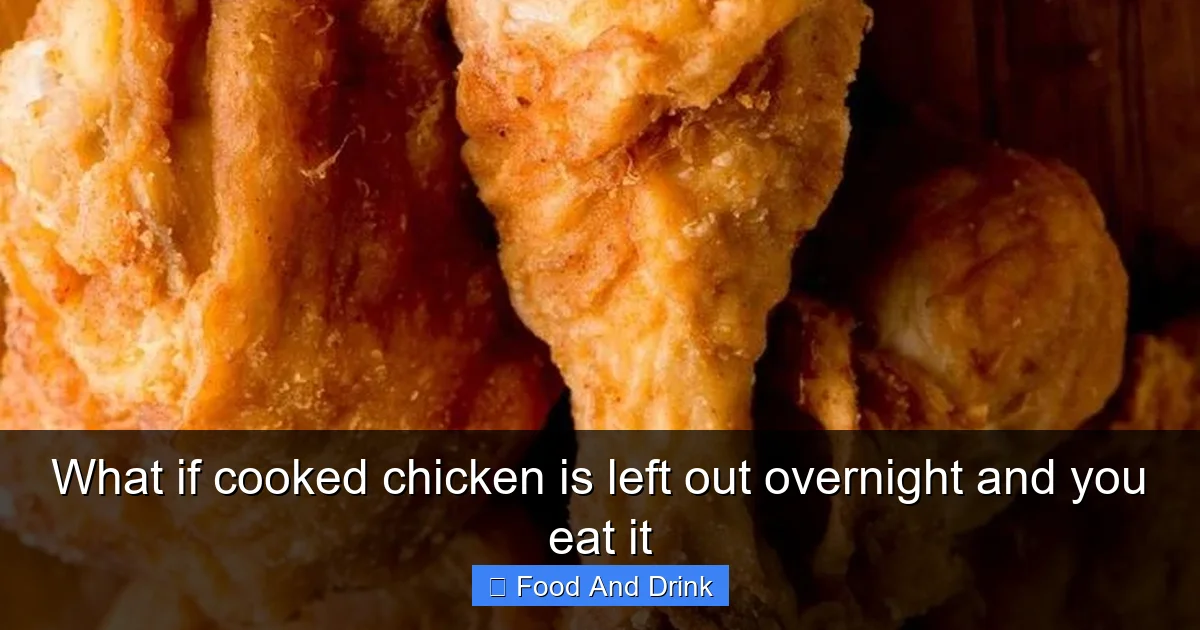
Visual guide about What if cooked chicken is left out overnight and you eat it
Image source: i.pinimg.com
Many people assume that if food doesn’t smell bad or look slimy, it’s still safe to eat. Unfortunately, that’s not always true—especially with cooked chicken.
Signs That Chicken Might Be Spoiled
While some spoiled foods give off clear warning signs, others don’t. Here are a few things to look for:
– Unpleasant odor: Sour, rancid, or “off” smells can indicate spoilage. However, some bacteria don’t produce noticeable odors.
– Slimy texture: If the chicken feels sticky or slimy to the touch, it’s likely gone bad.
– Discoloration: Gray, green, or yellowish spots may signal bacterial or fungal growth.
– Bubbles or foam: If liquid around the chicken appears bubbly or foamy, it could be a sign of fermentation or spoilage.
But here’s the catch: Many harmful bacteria don’t change the look, smell, or texture of food. Salmonella and E. coli, for example, are odorless and invisible. You could eat contaminated chicken and not realize it until symptoms hit.
That’s why relying on your senses isn’t enough. The only reliable way to ensure safety is proper storage and handling.
Why “It Smells Fine” Isn’t Enough
Let’s say you find the chicken in the morning. It doesn’t smell bad. It looks normal. You’re tempted to eat it—maybe even reheat it thoroughly. But is that safe?
Not necessarily. Here’s why:
– Bacteria grow invisibly. You can’t see, smell, or taste most foodborne pathogens. They multiply silently.
– Reheating doesn’t fix everything. As mentioned earlier, some toxins survive high heat.
– The risk isn’t worth it. Food poisoning can be severe, especially for vulnerable groups.
Think of it this way: Would you drink water from a puddle just because it looks clear? Probably not. The same logic applies to food. Just because it looks okay doesn’t mean it’s safe.
A real-life example: In 2018, a family in Texas got sick after eating leftover chicken that had been left out overnight. The chicken looked and smelled normal, but it was contaminated with Salmonella. Three family members were hospitalized, including a child who developed kidney complications.
This isn’t an isolated case. Every year, thousands of people get sick from eating improperly stored leftovers. And chicken is one of the most common culprits.
Symptoms of Food Poisoning from Spoiled Chicken
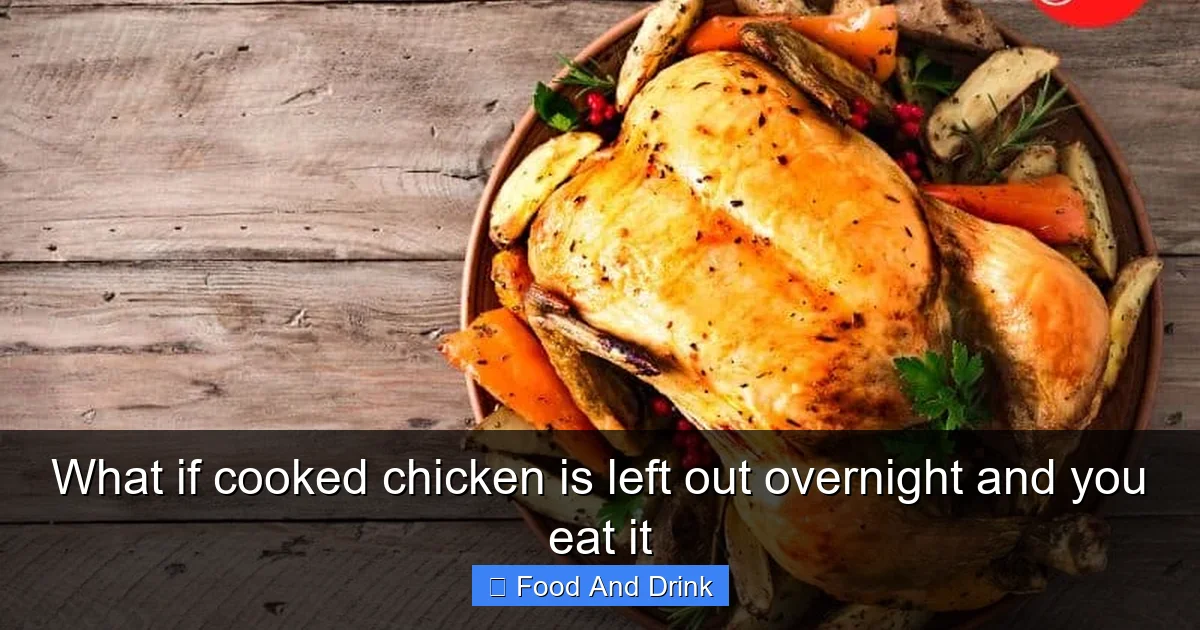
Visual guide about What if cooked chicken is left out overnight and you eat it
Image source: foodandfizz.com
If you or someone you know eats cooked chicken that’s been left out overnight, it’s important to recognize the signs of food poisoning early.
Common Symptoms to Watch For
Symptoms can start as soon as 30 minutes after eating or take several days to appear, depending on the bacteria involved. Common signs include:
– Nausea and vomiting: Often one of the first signs, especially with Staphylococcus or Bacillus cereus.
– Diarrhea: Can be watery or bloody. Lasts 1–7 days in most cases.
– Stomach cramps and abdominal pain: Usually severe and crampy.
– Fever and chills: A sign your body is fighting infection.
– Headache and body aches: Common with many types of foodborne illness.
– Dehydration: Due to vomiting and diarrhea. Signs include dry mouth, dizziness, and reduced urination.
In most healthy adults, symptoms last 1–3 days and resolve on their own. But in some cases, food poisoning can lead to serious complications.
When to Seek Medical Help
While mild cases can be managed at home with rest and fluids, certain symptoms require immediate medical attention:
– High fever (above 101.5°F)
– Blood in stool or vomit
– Signs of dehydration (dizziness, rapid heartbeat, dry mouth)
– Symptoms lasting more than 3 days
– Neurological symptoms (blurred vision, muscle weakness, tingling)
Certain groups are at higher risk for severe illness:
– Young children: Their immune systems are still developing.
– Older adults: Immune function declines with age.
– Pregnant women: At risk for Listeria, which can cause miscarriage or stillbirth.
– People with weakened immune systems: Due to conditions like diabetes, cancer, or HIV.
If someone in these groups eats questionable chicken, it’s best to consult a doctor—even if symptoms are mild.
Real-Life Example: A Cautionary Tale
Sarah, a 32-year-old teacher, hosted a dinner party on a warm summer evening. She made grilled chicken, and after everyone left, she forgot to put the leftovers in the fridge. The next morning, she found the chicken still on the counter. It looked fine, so she reheated it and ate it for lunch.
Within two hours, she started feeling nauseous. By evening, she had severe stomach cramps, vomiting, and diarrhea. She went to the ER, where she was diagnosed with Salmonella poisoning. She spent two days recovering at home and missed a week of work.
Her doctor confirmed that the chicken had been left in the danger zone for over 12 hours. Even though it smelled okay, bacteria had multiplied to dangerous levels.
Sarah’s story is a reminder: When it comes to food safety, it’s better to be safe than sorry.
How to Safely Store and Reheat Cooked Chicken
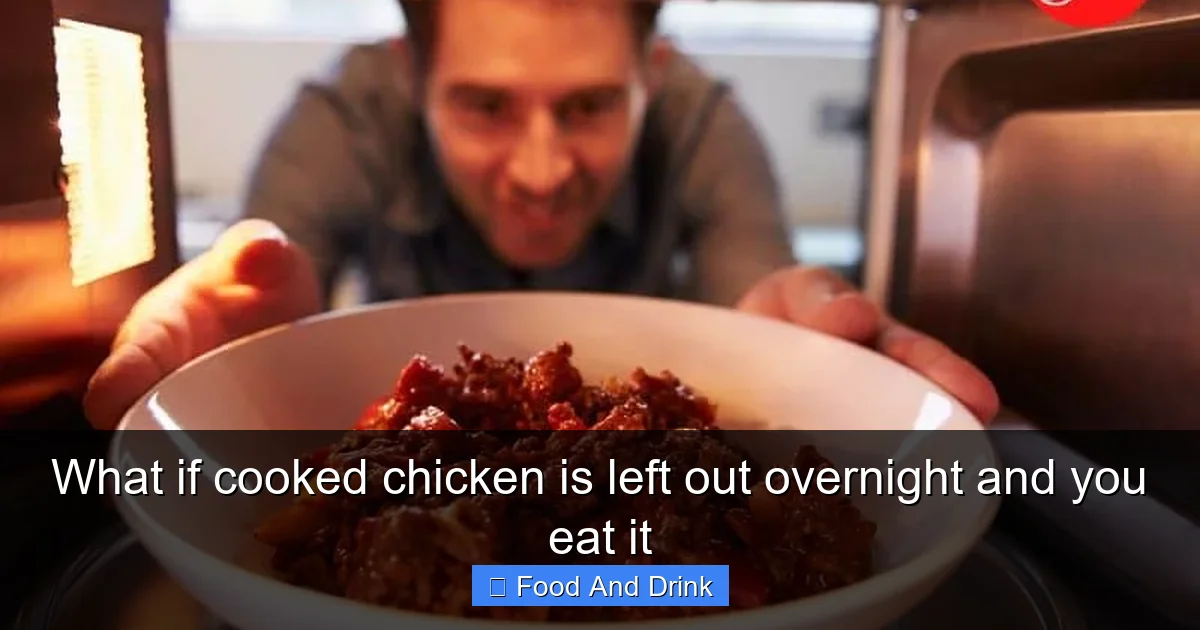
Visual guide about What if cooked chicken is left out overnight and you eat it
Image source: foodandfizz.com
The good news? You can enjoy leftovers safely—if you store and handle them correctly.
Proper Storage Tips
Follow these steps to keep your cooked chicken safe:
1. Cool it quickly. Don’t leave hot chicken sitting out to cool. Instead, divide large portions into shallow containers. This helps it cool faster and reduces time in the danger zone.
2. Refrigerate within 2 hours. If the room is above 90°F, refrigerate within 1 hour.
3. Use airtight containers. This prevents contamination and keeps the chicken moist.
4. Label and date. Use a marker to note when the chicken was cooked. Most cooked chicken is safe for 3–4 days in the fridge.
5. Freeze for longer storage. Cooked chicken can be frozen for up to 4 months. Thaw in the fridge, not on the counter.
Safe Reheating Practices
When reheating chicken, follow these guidelines:
– Reheat to 165°F. Use a food thermometer to ensure it reaches this safe internal temperature.
– Use even heat. Microwave, oven, or stovetop—just make sure the entire portion is heated through.
– Avoid reheating more than once. Repeated cooling and heating increases the risk of bacterial growth.
– Stir or rotate food. This helps distribute heat evenly, especially in the microwave.
Creative Ways to Use Leftover Chicken Safely
Don’t let good chicken go to waste! Here are some tasty, safe ideas:
– Chicken salad: Mix with mayo, celery, and herbs. Store in the fridge and eat within 2 days.
– Chicken soup or stew: Add veggies and broth. Reheat thoroughly before serving.
– Tacos or wraps: Shred the chicken and warm it with spices.
– Fried rice: Combine with rice, eggs, and vegetables.
Just remember: Always store these dishes properly and don’t leave them out at room temperature.
Who Is Most at Risk?
While anyone can get sick from eating spoiled chicken, some people are more vulnerable than others.
Vulnerable Populations
– Children under 5: Their immune systems are still developing. Dehydration from food poisoning can be dangerous.
– Adults over 65: Immune function weakens with age. They’re more likely to develop severe complications.
– Pregnant women: Hormonal changes suppress the immune system. Listeria can cross the placenta and harm the baby.
– People with chronic illnesses: Conditions like diabetes, liver disease, or cancer increase risk.
– Immunocompromised individuals: Those on chemotherapy, steroids, or with HIV/AIDS are at higher risk.
For these groups, even a small amount of contaminated food can lead to serious illness. It’s especially important to follow food safety guidelines strictly.
Special Considerations for Caregivers
If you’re caring for a young child, elderly parent, or someone with a weakened immune system, take extra precautions:
– Never serve food that’s been left out.
– Double-check storage times and temperatures.
– When in doubt, throw it out.
A little caution can prevent a lot of suffering.
Conclusion: When in Doubt, Throw It Out
So, what if cooked chicken is left out overnight and you eat it? The truth is, it’s a gamble—one that could cost you your health.
Bacteria grow quickly at room temperature, and many don’t change the way food looks or smells. Even reheating won’t always make it safe. Symptoms of food poisoning can range from mild discomfort to life-threatening illness, especially for vulnerable individuals.
The safest choice? Don’t eat cooked chicken that’s been left out overnight. It’s not worth the risk.
Instead, follow food safety best practices:
– Refrigerate leftovers within 2 hours (1 hour if it’s hot).
– Store in shallow, airtight containers.
– Reheat to 165°F.
– When in doubt, throw it out.
Your health is more important than a meal. By taking a few simple steps, you can enjoy delicious leftovers without worrying about food poisoning.
Remember: Food safety isn’t just about rules—it’s about protecting yourself and your loved ones. So next time you’re tempted to eat that forgotten chicken, ask yourself: Is it worth it? The answer is almost always no.
🎥 Related Video: Can I leave cooked chicken out overnight?
📺 Health·WHYS
Can I Leave Cooked Chicken Out Overnight? ———- James Webb (2022, August 3.) Can I leave cooked chicken out overnight?
Frequently Asked Questions
How long does food poisoning from chicken last?
Most cases last 1–3 days, but symptoms can persist longer depending on the bacteria. Severe cases may require medical treatment.
Can you freeze chicken that was left out overnight?
No. Freezing doesn’t kill bacteria or toxins. If chicken has been in the danger zone for too long, it should be thrown away.
What temperature kills bacteria in chicken?
Cooking chicken to an internal temperature of 165°F kills most harmful bacteria. However, it won’t destroy toxins already produced.
Can you eat chicken left out for 4 hours?
It depends. If the room is cool and the chicken was covered, it might be safe. But after 2 hours, the risk increases significantly.
How can I prevent food poisoning from leftovers?
Refrigerate leftovers within 2 hours, store in shallow containers, reheat to 165°F, and avoid eating food that’s been left out too long.
Is it safe to eat chicken that was left out but reheated?
Not necessarily. While reheating kills some bacteria, it doesn’t remove toxins. If the chicken was out overnight, it’s best to discard it.