

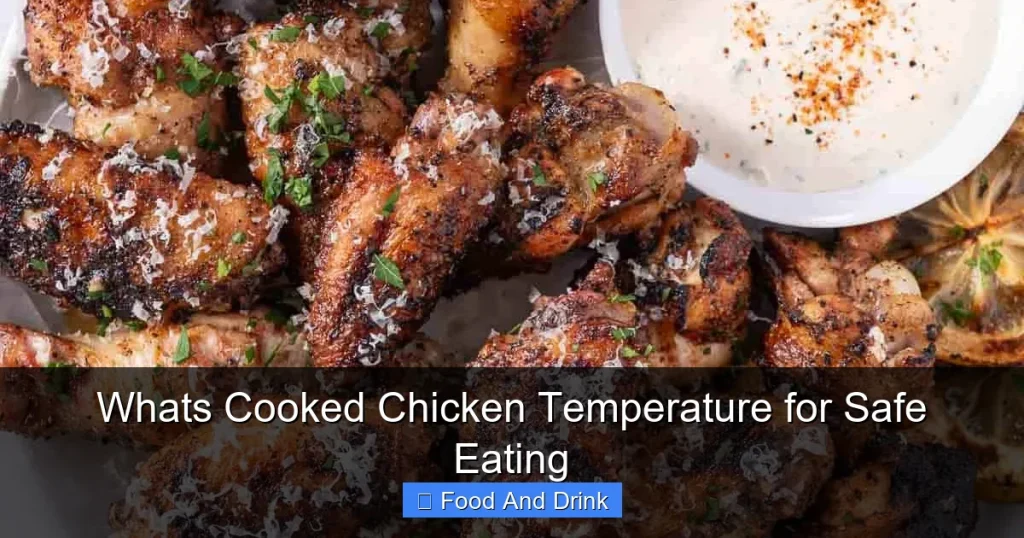

Knowing the correct cooked chicken temperature is essential for safe eating and avoiding food poisoning. The USDA recommends cooking chicken to an internal temperature of 165°F (74°C), measured with a food thermometer. This ensures harmful bacteria like Salmonella and Campylobacter are destroyed while keeping your chicken tender and flavorful.
Key Takeaways
- Cooked chicken temperature must reach 165°F (74°C): This is the minimum safe internal temperature set by the USDA to kill harmful bacteria.
- Use a food thermometer for accuracy: Visual cues like color and texture can be misleading; a thermometer is the only reliable way to check doneness.
- Check the thickest part of the meat: Insert the thermometer into the breast, thigh, or wing joint—avoiding bones and fat—for the most accurate reading.
- Resting time matters: Let chicken rest for 3–5 minutes after cooking; the temperature can rise 5–10°F during this time, ensuring safety and juiciness.
- Different cuts may cook at varying rates: Dark meat (like thighs) can be safely eaten at slightly lower temps (160–165°F) if held longer, but 165°F is the safest standard.
- Reheating requires the same temperature: When reheating cooked chicken, bring it back to 165°F to eliminate any bacteria that may have grown during storage.
- Undercooked chicken poses serious health risks: Consuming chicken below 165°F increases the risk of foodborne illnesses like salmonellosis and campylobacteriosis.
Quick Answers to Common Questions
What is the safe cooked chicken temperature?
The safe cooked chicken temperature is 165°F (74°C), as recommended by the USDA. This temperature ensures harmful bacteria are destroyed.
Can you eat chicken at 160°F?
Chicken cooked to 160°F can be safe if held at that temperature for a specific time (about 36 seconds), but 165°F is the standard for instant safety and ease.
How do you check chicken temperature without a thermometer?
You shouldn’t. Visual cues like color and texture are unreliable. A food thermometer is the only accurate way to ensure safety.
Is it safe to eat slightly pink chicken?
Not necessarily. Pink color can persist even when chicken is fully cooked, especially if brined or smoked. Always check the temperature.
Can you reheat chicken to 165°F?
Yes, reheating cooked chicken to 165°F is essential to kill any bacteria that may have grown during storage.
📑 Table of Contents
- Why Cooked Chicken Temperature Matters for Food Safety
- The USDA’s Official Cooked Chicken Temperature Guideline
- How to Measure Cooked Chicken Temperature Accurately
- The Role of Resting Time in Cooked Chicken Temperature
- Different Cuts of Chicken and Their Cooking Temperatures
- Reheating Cooked Chicken Safely
- Common Myths About Cooked Chicken Temperature
- Conclusion: Safety First, Flavor Always
Why Cooked Chicken Temperature Matters for Food Safety
Chicken is one of the most popular proteins in kitchens around the world—whether it’s grilled, roasted, fried, or baked. But behind its delicious flavor lies a serious food safety concern: raw chicken often carries harmful bacteria like Salmonella, Campylobacter, and Listeria. These pathogens can cause severe gastrointestinal illness, with symptoms ranging from nausea and vomiting to fever, dehydration, and in rare cases, long-term health complications.
The good news? Proper cooking kills these bacteria—but only if the chicken reaches the right internal temperature. That’s why understanding what’s cooked chicken temperature is non-negotiable for anyone who prepares meals at home or in a professional kitchen. It’s not just about taste or texture; it’s about protecting yourself and your loved ones from foodborne illness.
Many people rely on visual cues—like clear juices or white meat—to determine if chicken is done. But these signs can be misleading. Chicken can turn white before it’s fully cooked, and juices may run clear even when the meat is still undercooked. The only way to know for sure is by using a food thermometer. This simple tool takes the guesswork out of cooking and ensures your chicken is both safe and delicious.
The USDA’s Official Cooked Chicken Temperature Guideline
Visual guide about Whats Cooked Chicken Temperature for Safe Eating
Image source: i.pinimg.com
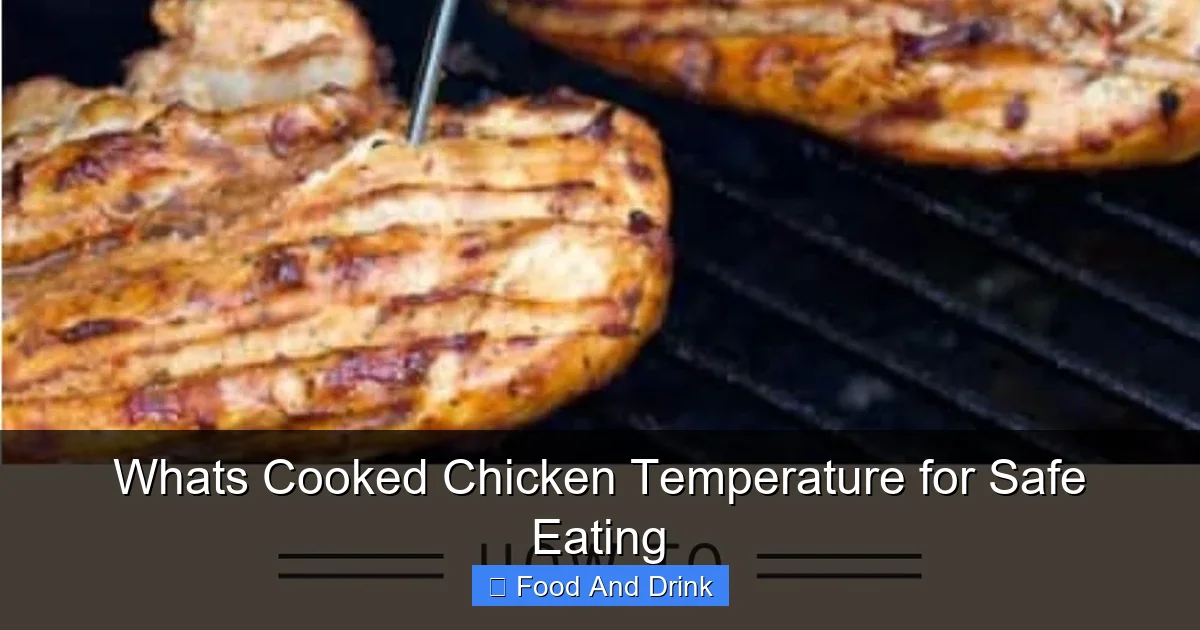
The U.S. Department of Agriculture (USDA) is the leading authority on food safety in the United States, and their guidelines are based on years of scientific research. According to the USDA, all poultry, including chicken, must be cooked to a minimum internal temperature of 165°F (74°C) to be considered safe for consumption.
This temperature is not arbitrary. It’s the point at which harmful bacteria are destroyed almost instantly. At 165°F, Salmonella and Campylobacter—two of the most common culprits in chicken-related food poisoning—are eliminated in less than a second. This makes 165°F the gold standard for safe eating.
But why such a high temperature? Some people argue that lower temperatures, if held for a longer time, could also kill bacteria. And they’re not entirely wrong. For example, cooking chicken to 155°F (68°C) and holding it at that temperature for 54 seconds can achieve the same level of safety. However, the USDA recommends 165°F because it’s simpler, faster, and leaves no room for error—especially for home cooks who may not have precise timing tools.
Why 165°F Is the Magic Number
The 165°F threshold is based on the concept of “instantaneous lethality.” In food safety terms, this means that at this temperature, dangerous pathogens are destroyed immediately upon contact. There’s no need to hold the temperature for a specific duration—just reaching it is enough.
This is particularly important for chicken because it’s often consumed in large pieces (like whole breasts or thighs), which can have cold spots where bacteria survive if not cooked thoroughly. By ensuring the entire piece reaches 165°F, you eliminate these risks.
Additionally, 165°F is a conservative standard designed to protect vulnerable populations, including young children, pregnant women, older adults, and people with weakened immune systems. These groups are more susceptible to severe outcomes from foodborne illness, so the higher safety margin is essential.
Exceptions and Clarifications
While 165°F is the standard, there are a few nuances to consider. For example, ground chicken—like any ground meat—should also be cooked to 165°F. This is because grinding spreads bacteria throughout the meat, increasing the risk of contamination.
Similarly, stuffed chicken (like a whole bird with stuffing inside the cavity) must reach 165°F in both the meat and the stuffing. The stuffing acts as an insulator and can remain undercooked even if the outer meat looks done.
It’s also worth noting that some chefs and food scientists advocate for lower temperatures with longer hold times. For instance, cooking chicken to 150°F (66°C) and holding it for 6 minutes can achieve the same bacterial reduction. However, this method requires precise temperature control and timing, which is difficult to manage at home. For most people, sticking to 165°F is the safest and most practical choice.
How to Measure Cooked Chicken Temperature Accurately
Visual guide about Whats Cooked Chicken Temperature for Safe Eating
Image source: i.pinimg.com
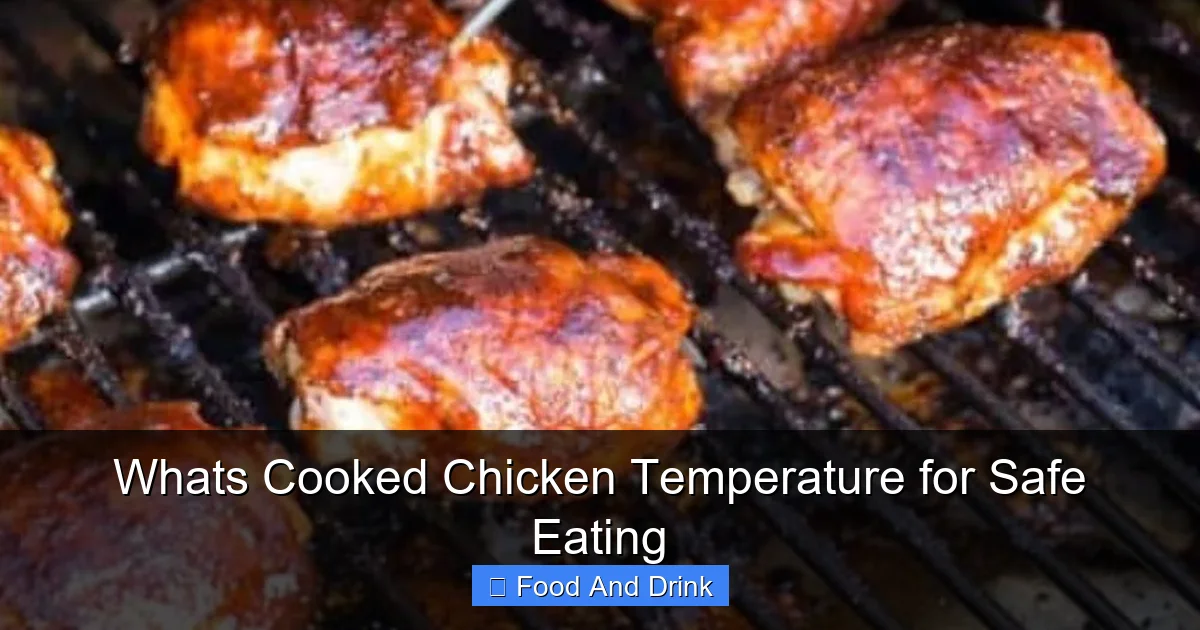
Knowing the target temperature is only half the battle—measuring it correctly is just as important. Using a food thermometer is the only reliable way to ensure your chicken has reached 165°F. But not all thermometers are created equal, and improper use can lead to inaccurate readings.
Choosing the Right Thermometer
There are several types of food thermometers on the market, but for checking cooked chicken temperature, an instant-read digital thermometer is your best bet. These thermometers provide quick, accurate readings in just a few seconds and are easy to use.
Avoid using oven-safe dial thermometers for this purpose—they’re designed to stay in the food while cooking and aren’t as precise for spot-checking. Similarly, infrared thermometers measure surface temperature, not internal temperature, so they’re not suitable for checking doneness.
When shopping for a thermometer, look for one that:
– Reads temperatures between 0°F and 220°F (–18°C to 104°C)
– Has a probe that’s at least 3–4 inches long
– Is labeled as “food-safe” and easy to clean
Popular brands like ThermoPop, Thermapen, and Lavatools offer reliable options that are widely used by home cooks and professionals alike.
Where to Insert the Thermometer
Placement is critical when measuring internal temperature. You want to check the thickest part of the meat, where it will take the longest to cook. For chicken breasts, insert the probe into the center, avoiding the bone. For thighs or drumsticks, aim for the middle of the meat, steering clear of the bone and any large fat deposits.
If you’re cooking a whole chicken, check the temperature in three places:
1. The innermost part of the thigh (near the breast)
2. The thickest part of the breast
3. The wing joint
All three should read 165°F. If one area is undercooked, continue cooking and check again in 5–10 minutes.
Common Mistakes to Avoid
Even with the right thermometer, it’s easy to make errors. Here are some common pitfalls:
– **Touching the bone:** Bones conduct heat differently than meat, leading to false high readings.
– **Checking too early:** Insert the thermometer too soon, and you might not get an accurate reading. Wait until the chicken is nearly done.
– **Not cleaning the probe:** Reusing a dirty probe can transfer bacteria from raw to cooked food. Always clean it with hot, soapy water between uses.
– **Relying on color:** As mentioned earlier, chicken can look done before it’s safe. Never judge doneness by appearance alone.
Practical Example: Checking a Roasted Chicken Breast
Let’s say you’re roasting boneless, skinless chicken breasts at 375°F (190°C). After 20 minutes, they look golden and firm. But are they safe to eat?
Insert your instant-read thermometer into the thickest part of the breast. If it reads 160°F, the chicken is close but not quite done. Return it to the oven for another 3–5 minutes, then check again. Once it hits 165°F, remove it from the heat.
Remember: the temperature will continue to rise slightly during resting (see next section), so pulling it at 163–164°F is acceptable if you’re careful. But for most people, aiming for 165°F ensures safety without overcooking.
The Role of Resting Time in Cooked Chicken Temperature
Visual guide about Whats Cooked Chicken Temperature for Safe Eating
Image source: lovefoodfeed.com
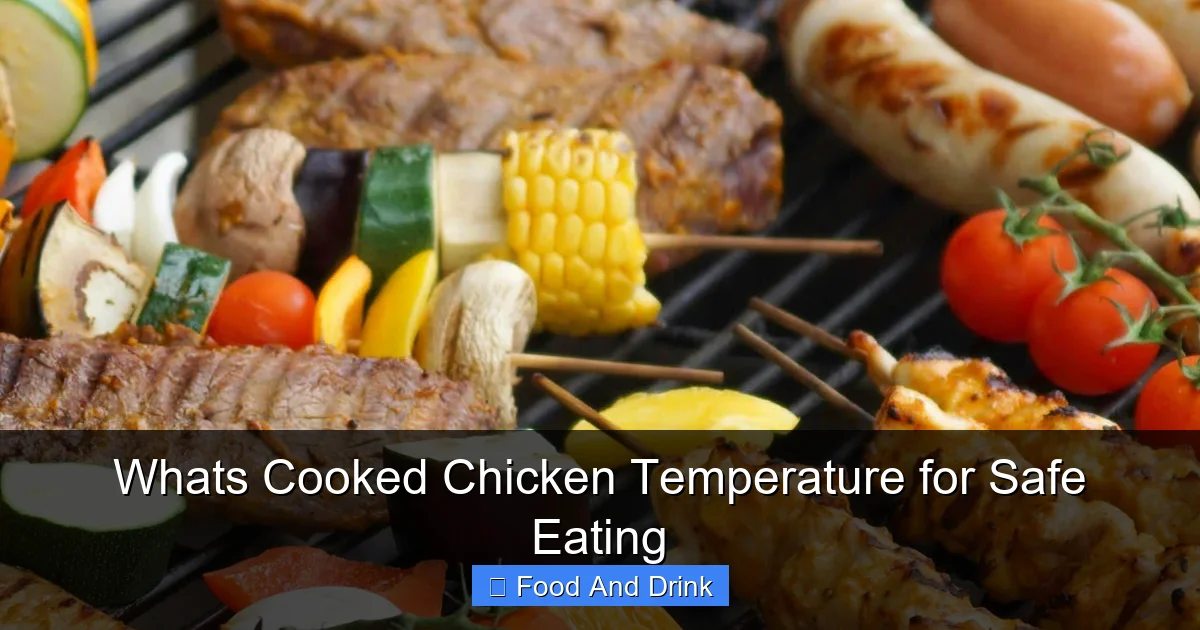
After removing chicken from the heat, many people make the mistake of slicing or serving it immediately. But resting is a crucial step that affects both safety and quality.
When chicken rests, the internal temperature can rise by 5–10°F due to residual heat. This phenomenon, known as “carryover cooking,” means that chicken pulled from the oven at 160°F might reach 165°F during the resting period.
Why Resting Matters
Resting allows the juices to redistribute throughout the meat. When you cut into hot chicken, those juices—full of flavor and moisture—spill out, leaving the meat dry and tough. By letting it rest for 3–5 minutes (longer for larger cuts like a whole bird), the fibers relax and reabsorb the juices, resulting in a more tender and flavorful bite.
From a safety standpoint, resting also ensures that the entire piece reaches the target temperature. Even if the thermometer reads 165°F at one spot, other areas might still be slightly undercooked. The extra time allows heat to spread evenly.
How Long to Rest Chicken
The resting time depends on the size of the cut:
– **Boneless breasts or thighs:** 3–5 minutes
– **Bone-in pieces (like drumsticks or wings):** 5–7 minutes
– **Whole chicken:** 10–15 minutes
Cover the chicken loosely with foil during resting to keep it warm without steaming it. Avoid wrapping it tightly, as this can trap moisture and make the skin soggy.
Example: Grilled Chicken Thighs
Imagine you’ve grilled chicken thighs to an internal temperature of 163°F. Instead of serving them right away, transfer them to a plate and cover loosely with foil. After 5 minutes, check the temperature again. You’ll likely find it’s now 165°F or higher—safe to eat and perfectly juicy.
This simple step can make a big difference in both safety and satisfaction. It’s a small investment of time that pays off in flavor and peace of mind.
Different Cuts of Chicken and Their Cooking Temperatures
Not all chicken is created equal—and neither are their ideal cooking temperatures. While 165°F remains the safe standard, different cuts have varying textures, fat content, and cooking times that affect how they should be prepared.
White Meat vs. Dark Meat
Chicken breast (white meat) is lean and cooks quickly, but it can dry out if overcooked. Thighs and drumsticks (dark meat) have more fat and connective tissue, making them more forgiving and flavorful.
Because of these differences, some chefs prefer to cook dark meat to a slightly lower temperature—around 160–165°F—and hold it for a short time. This can result in a more tender, juicy texture. However, for home cooks, sticking to 165°F across all cuts is the safest approach.
Ground Chicken
Ground chicken, like ground beef or turkey, should always be cooked to 165°F. The grinding process increases the surface area and can spread bacteria throughout the meat. There’s no “medium-rare” for ground poultry—only well-done is safe.
Whole Chicken
When roasting a whole chicken, check the temperature in multiple spots: the breast, thigh, and wing joint. The thigh is often the last part to reach 165°F, so use it as your guide. If the breast hits 165°F but the thigh is still at 155°F, continue cooking until the thigh is done.
Chicken Wings and Wings
Wings are small and cook quickly, but their joints can be tricky. Insert the thermometer into the meaty part of the wing, avoiding the bone. Fried, baked, or grilled wings should all reach 165°F.
Practical Tip: Brining for Moisture
To prevent dryness—especially in white meat—consider brining your chicken before cooking. A simple saltwater brine (1/4 cup salt per quart of water) helps the meat retain moisture, so it stays juicy even at 165°F.
Reheating Cooked Chicken Safely
Leftover chicken is a meal-prep favorite, but reheating it improperly can be risky. Bacteria can grow on cooked chicken if it’s left at room temperature for too long or stored incorrectly. When reheating, you must bring the chicken back to 165°F to ensure any new bacteria are destroyed.
Best Methods for Reheating
– **Oven:** Preheat to 325°F (165°C). Place chicken in a dish, cover with foil, and heat until it reaches 165°F internally (about 15–20 minutes).
– **Stovetop:** Use a skillet with a little oil or broth. Cook over medium heat, turning occasionally, until heated through.
– **Microwave:** Use a microwave-safe dish and cover with a damp paper towel. Heat in 30-second intervals, checking the temperature each time.
Avoid reheating chicken multiple times. Each cycle increases the risk of bacterial growth. Instead, divide leftovers into single-serving portions and reheat only what you’ll eat.
Signs of Spoiled Chicken
Even if reheated to 165°F, spoiled chicken can still make you sick. Before reheating, check for:
– A sour or unpleasant smell
– Slimy texture
– Discoloration (gray or green spots)
If any of these signs are present, discard the chicken immediately.
Common Myths About Cooked Chicken Temperature
Despite clear guidelines, several myths persist about how to tell if chicken is done. Let’s bust a few of the most common ones.
Myth 1: “If the juices run clear, it’s done.”
Clear juices are a sign of progress, but not a guarantee. Chicken can release clear juices even when it’s undercooked. Always use a thermometer.
Myth 2: “Chicken is safe if it’s not pink.”
While pink meat is a red flag, chicken can lose its pink color before reaching 165°F. Conversely, some chicken (especially if brined or smoked) may retain a pink hue even when fully cooked.
Myth 3: “You can tell by poking it—if it’s firm, it’s done.”
Texture varies based on cooking method and cut. A firm breast might still be undercooked in the center. Again, only a thermometer gives a reliable answer.
Myth 4: “Freezing kills bacteria, so frozen chicken is safer.”
Freezing doesn’t kill bacteria—it only slows their growth. Proper cooking is still required to make frozen chicken safe to eat.
Conclusion: Safety First, Flavor Always
Understanding what’s cooked chicken temperature is about more than following a rule—it’s about making smart, informed choices in the kitchen. By cooking chicken to 165°F, using a reliable thermometer, and allowing it to rest, you protect your health while maximizing flavor and texture.
Food safety doesn’t have to be complicated. With a few simple habits—like always checking the temperature and storing leftovers properly—you can enjoy delicious, worry-free meals every time. Whether you’re grilling for a summer BBQ or roasting a Sunday dinner, remember: when it comes to chicken, temperature is everything.
Frequently Asked Questions
What happens if you eat undercooked chicken?
Eating undercooked chicken can lead to foodborne illnesses like salmonellosis or campylobacteriosis, causing symptoms such as nausea, vomiting, diarrhea, and fever. In severe cases, it can lead to hospitalization.
Can you cook chicken to a lower temperature if you hold it longer?
Yes, but it requires precise timing. For example, holding chicken at 155°F for 54 seconds achieves the same safety as 165°F instantly. However, this method is harder to manage at home.
Is it safe to cook chicken from frozen?
Yes, but it takes about 50% longer to cook. Use a thermometer to ensure it reaches 165°F internally. Thawing in the fridge is safer and more even.
How long can cooked chicken sit out before it’s unsafe?
Cooked chicken should not sit out at room temperature for more than 2 hours (1 hour if the temperature is above 90°F). After that, bacteria can grow rapidly.
Can you use a meat thermometer for chicken?
Yes, a meat thermometer—especially an instant-read digital one—is ideal for checking the internal temperature of chicken to ensure it’s safely cooked.
Does brining affect the safe cooking temperature of chicken?
No, brining doesn’t change the required temperature. Chicken must still reach 165°F internally, but brining helps keep it moist and flavorful during cooking.


