



Grilled chicken is cooked quickly over direct heat, giving it a charred exterior and juicy interior, while smoked chicken is slow-cooked with indirect heat and wood smoke, resulting in deep, smoky flavor and tender meat. Both are delicious but serve different tastes and occasions—grilling is fast and fiery, smoking is slow and soulful.
Key Takeaways
- Cooking Method: Grilled chicken uses direct high heat; smoked chicken uses indirect low heat with wood smoke.
- Cooking Time: Grilling takes 15–30 minutes; smoking can take 2–6 hours depending on cut and temperature.
- Flavor Profile: Grilled chicken has a charred, savory taste; smoked chicken offers rich, smoky, complex flavors.
- Texture: Grilled chicken is firm and slightly crisp outside; smoked chicken is fall-off-the-bone tender.
- Best Cuts: Grilling works well with breasts, thighs, and wings; smoking shines with whole birds, thighs, and drumsticks.
- Equipment Needed: Grilling requires a grill (gas, charcoal, or electric); smoking needs a smoker or grill with smoke capability.
- Best Occasions: Grilled chicken is ideal for weeknights and casual meals; smoked chicken suits weekend feasts and special gatherings.
Quick Answers to Common Questions
Can you smoke chicken on a regular grill?
Yes! You can smoke chicken on a regular grill by using the indirect heat method—placing coals on one side, chicken on the other, and adding wood chips for smoke.
Is smoked chicken healthier than grilled chicken?
Both can be healthy, but grilled chicken is lower in added fats and smoke compounds. Smoked chicken may contain more polycyclic aromatic hydrocarbons (PAHs), so moderation is key.
How do you prevent grilled chicken from drying out?
Marinate the chicken, use a meat thermometer, and avoid overcooking. Brining also helps retain moisture.
What wood is best for smoking chicken?
Apple, cherry, and pecan are excellent choices—mild and sweet. Avoid strong woods like mesquite unless used sparingly.
Can you grill and then smoke chicken?
Yes! Some pitmasters “grill first” to sear the outside, then finish in the smoker for added smoke flavor and tenderness.
📑 Table of Contents
- What Is the Difference Between Grilled Chicken and Smoked Chicken?
- Cooking Methods: Direct Heat vs. Indirect Heat with Smoke
- Flavor Profiles: Charred Simplicity vs. Smoky Complexity
- Texture and Moisture: Crisp vs. Tender
- Cooking Time and Temperature: Speed vs. Patience
- Best Cuts of Chicken for Each Method
- Equipment and Setup: Grill vs. Smoker
- Best Occasions and Serving Suggestions
- Conclusion: Which Is Right for You?
What Is the Difference Between Grilled Chicken and Smoked Chicken?
When it comes to cooking chicken, two of the most popular methods are grilling and smoking. Both deliver mouthwatering results, but they’re as different as a summer barbecue and a slow-cooked backyard feast. If you’ve ever stood over a sizzling grill or inhaled the rich aroma of a smoker at work, you know there’s something special about each technique. But what exactly sets them apart?
At first glance, grilled and smoked chicken might seem similar—both involve fire, heat, and deliciously cooked poultry. But dig a little deeper, and you’ll find they differ in nearly every aspect: how they’re cooked, how long they take, the flavors they develop, and even the best cuts of chicken to use. Whether you’re planning a quick family dinner or hosting a weekend cookout, understanding these differences can help you choose the right method—and impress your guests with perfectly cooked chicken every time.
In this guide, we’ll break down the key distinctions between grilled and smoked chicken, from the science behind the cooking processes to practical tips for getting the best results at home. You’ll learn how heat, time, and smoke transform raw chicken into something truly delicious. So grab your apron, fire up your grill or smoker, and let’s dive into the flavorful world of chicken cookery.
Cooking Methods: Direct Heat vs. Indirect Heat with Smoke
Visual guide about What Is the Difference Between Grilled Chicken and Smoked Chicken
Image source: smokedbyewe.com
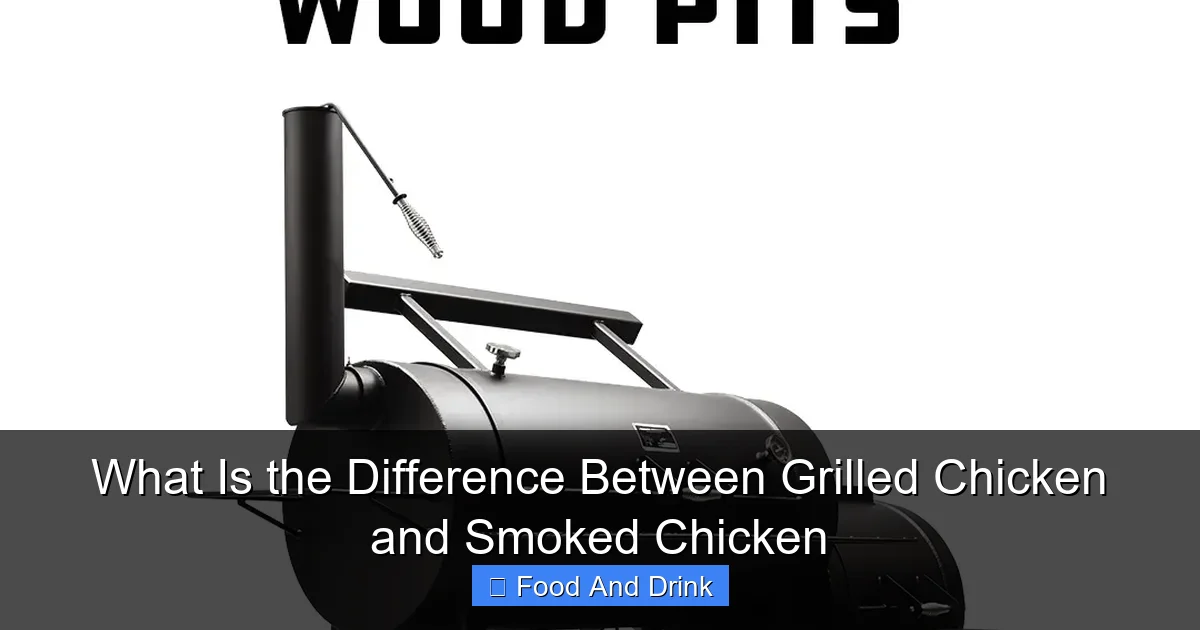
The biggest difference between grilled and smoked chicken lies in the cooking method. Grilling uses direct, high heat to cook food quickly, while smoking relies on indirect, low heat combined with wood smoke over a longer period. These fundamental differences shape everything from texture to taste.
How Grilling Works
Grilling involves placing chicken directly over a heat source—whether it’s charcoal, gas, or electric. The high temperatures (usually between 350°F and 550°F) sear the outside of the meat quickly, creating those beautiful grill marks and a slightly charred crust. This method is all about speed and intensity. The intense heat caramelizes the natural sugars in the chicken’s skin and marinade, giving it a savory, slightly smoky flavor—even without actual smoke.
Because the heat is direct, the chicken cooks fast. Boneless, skinless breasts might take just 6–8 minutes per side, while bone-in thighs could take 12–15 minutes. The key is to avoid overcooking, which can dry out the meat. That’s why many grill masters use a meat thermometer to check for doneness—chicken is safe to eat at 165°F internal temperature.
How Smoking Works
Smoking, on the other hand, is a slow and steady process. It uses indirect heat—meaning the heat source isn’t directly under the chicken—and circulates warm air and smoke around the meat. Temperatures are much lower, typically between 225°F and 275°F. This low-and-slow approach allows the chicken to cook gently over several hours, breaking down connective tissues and resulting in incredibly tender meat.
The magic of smoking comes from the wood. Different types of wood—like hickory, apple, cherry, or mesquite—impart unique flavors. Hickory gives a strong, bacon-like smokiness, while fruitwoods like apple or cherry add a sweeter, milder touch. The smoke doesn’t just flavor the outside; it penetrates deep into the meat, creating a rich, complex taste that’s hard to replicate.
Key Differences in Heat Application
– Grilling: Direct heat, high temperature, fast cooking.
– Smoking: Indirect heat, low temperature, slow cooking.
Think of grilling like a sprint and smoking like a marathon. Grilling gets you there quickly with bold, immediate results. Smoking takes time, but the payoff is deep flavor and melt-in-your-mouth texture. Both have their place in the kitchen—or backyard.
Flavor Profiles: Charred Simplicity vs. Smoky Complexity
Visual guide about What Is the Difference Between Grilled Chicken and Smoked Chicken
Image source: shungrill.com
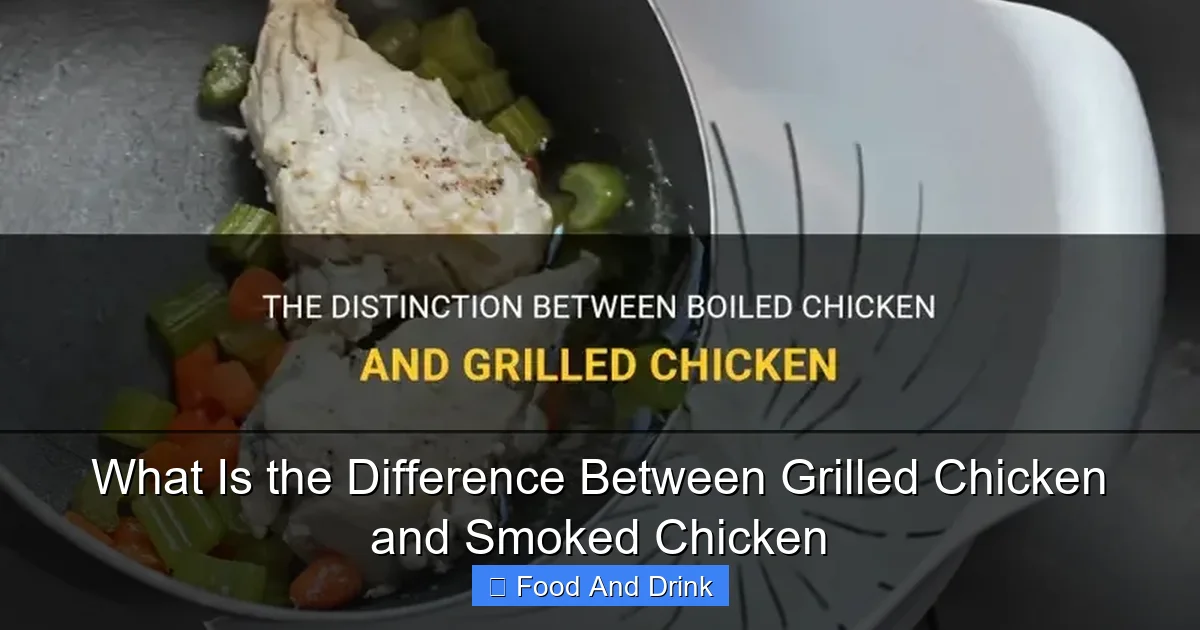
Flavor is where grilled and smoked chicken really diverge. While both can be delicious, they appeal to different palates and occasions. Grilled chicken offers a clean, savory taste with a hint of char, while smoked chicken delivers a bold, aromatic experience that lingers on the tongue.
The Taste of Grilled Chicken
Grilled chicken has a straightforward, satisfying flavor. The high heat creates a Maillard reaction—a chemical process that browns the surface of the meat, developing complex savory notes. This gives grilled chicken its signature “grilled” taste: slightly charred, smoky from the flames, and deeply savory.
Because grilling is fast, the chicken doesn’t absorb much smoke. Any smokiness comes from flare-ups or the type of fuel used (like charcoal). But the dominant flavors are usually from marinades, rubs, or seasonings. A simple mix of olive oil, lemon juice, garlic, and herbs can transform grilled chicken into a bright, zesty dish perfect for salads, wraps, or sandwiches.
The Taste of Smoked Chicken
Smoked chicken, by contrast, is all about depth and complexity. The slow infusion of wood smoke creates a rich, layered flavor that’s hard to match. The smoke doesn’t just sit on the surface—it permeates the meat, giving every bite a subtle, aromatic punch.
Different woods create different flavor profiles:
– Hickory: Strong, bold, bacon-like—great for bold palates.
– Mesquite: Intense and earthy—use sparingly to avoid bitterness.
– Apple or Cherry: Sweet and fruity—perfect for poultry.
– Pecan or Oak: Mild and nutty—ideal for longer smokes.
Many pitmasters also use brines or dry rubs before smoking to enhance flavor and keep the meat moist. A simple rub of brown sugar, paprika, garlic powder, and black pepper can create a beautiful crust (called a “bark”) that’s both flavorful and visually appealing.
Which Flavor Wins?
It depends on your mood. If you want something quick, bright, and versatile, grilled chicken is your go-to. It pairs well with fresh salads, grilled vegetables, or a tangy sauce. But if you’re in the mood for something indulgent and deeply satisfying—like a weekend BBQ centerpiece—smoked chicken is the star.
Texture and Moisture: Crisp vs. Tender
Visual guide about What Is the Difference Between Grilled Chicken and Smoked Chicken
Image source: img.freepik.com
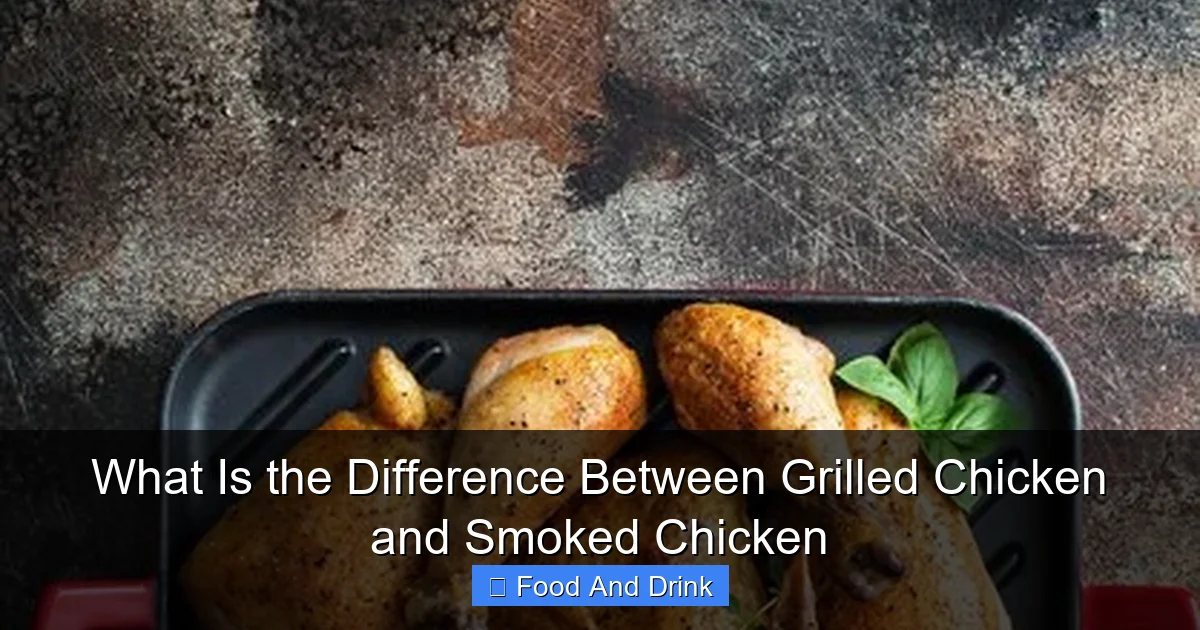
Texture is another major difference between grilled and smoked chicken. Grilling tends to produce a firmer, slightly crisp exterior with juicy meat inside, while smoking delivers fall-off-the-bone tenderness with a moist, almost buttery texture.
Grilled Chicken Texture
When chicken is grilled, the high heat quickly seals in juices, but it also risks drying out if overcooked. That’s why timing is critical. Boneless breasts, in particular, can become tough and dry if left on the grill too long. To avoid this, many chefs use techniques like brining, marinating, or pounding the meat to an even thickness.
The skin, if left on, becomes crispy and delicious—especially when brushed with a glaze or sauce during the last few minutes of cooking. The meat underneath stays moist, especially if you use a meat thermometer to pull it off at the right moment.
Smoked Chicken Texture
Smoked chicken is in a league of its own when it comes to tenderness. The low, slow heat breaks down collagen in the meat, turning it into gelatin. This process, called collagen hydrolysis, makes the chicken incredibly soft and juicy—so tender that it often falls apart when you try to cut it.
This texture is especially noticeable in bone-in cuts like thighs, drumsticks, or whole chickens. The meat pulls away from the bone with ease, and every bite is succulent. Even boneless cuts stay moist thanks to the long cooking time and the protective bark that forms on the surface.
Moisture Retention Tips
– For grilling: Marinate for at least 30 minutes, use a meat thermometer, and avoid flipping too often.
– For smoking: Brine the chicken beforehand, maintain consistent low heat, and spritz with apple juice or broth every hour to keep it moist.
Cooking Time and Temperature: Speed vs. Patience
Time and temperature are where grilled and smoked chicken differ most dramatically. Grilling is fast—perfect for busy weeknights. Smoking is slow—ideal for leisurely weekends.
Grilling: Fast and Furious
Grilling chicken typically takes between 15 and 30 minutes, depending on the cut and heat level. Boneless breasts cook in 12–16 minutes, while bone-in thighs take 20–25 minutes. The high heat means you can go from raw to ready in under half an hour.
This speed makes grilling a favorite for quick meals. Throw some veggies on the side, and you’ve got a complete dinner in under 45 minutes. It’s also great for meal prep—grill a batch of chicken on Sunday and use it in salads, tacos, or grain bowls all week.
Smoking: Slow and Steady
Smoking chicken is a time commitment. A whole chicken can take 3–5 hours at 250°F. Thighs or drumsticks might take 2–3 hours. The low temperature means the chicken cooks slowly, allowing smoke to penetrate deeply and connective tissues to break down.
This long cook time requires planning. You’ll need to prep the smoker, maintain consistent heat, and monitor the meat. But the results are worth it. Smoked chicken is a showstopper—perfect for holidays, parties, or when you want to impress.
Temperature Guidelines
– Grilling: 350°F–550°F (high heat for searing).
– Smoking: 225°F–275°F (low heat for slow cooking).
Use a reliable meat thermometer to ensure safety and doneness. Chicken should reach 165°F internally, regardless of method.
Best Cuts of Chicken for Each Method
Not all chicken cuts are created equal when it comes to grilling or smoking. Some parts thrive under high heat, while others need the slow, gentle touch of a smoker.
Best Cuts for Grilling
– Boneless, Skinless Breasts: Quick-cooking and lean, but prone to drying out. Marinate well and watch the temperature.
– Chicken Thighs (Bone-In, Skin-On): More forgiving and flavorful. The skin crisps up beautifully on the grill.
– Chicken Wings: Perfect for grilling—crispy skin, juicy meat. Great with spicy or sweet glazes.
– Chicken Skewers (Kabobs): Small pieces cook fast and evenly. Marinate for extra flavor.
Best Cuts for Smoking
– Whole Chicken: Smoking a whole bird creates a stunning centerpiece with crispy skin and tender meat.
– Chicken Thighs and Drumsticks: High in fat and collagen, these cuts become incredibly tender when smoked.
– Chicken Leg Quarters: A favorite among pitmasters—flavorful, juicy, and easy to handle.
– Boneless Thighs: Still great for smoking, especially if brined first.
Pro Tips for Choosing Cuts
– For grilling, lean cuts like breasts work best—just don’t overcook them.
– For smoking, fattier, bone-in cuts are ideal—they stay moist and develop deep flavor.
Equipment and Setup: Grill vs. Smoker
The tools you use can make or break your chicken. Grilling and smoking require different equipment, though some overlap exists.
Grilling Equipment
– Gas Grill: Convenient and easy to control. Great for beginners.
– Charcoal Grill: Adds natural smokiness and high heat. Requires more skill.
– Electric Grill: Good for indoor use, but lacks the flavor of real fire.
Most grills can also do basic smoking with a smoker box or foil pouch of wood chips.
Smoking Equipment
– Offset Smoker: Traditional and powerful. Burns wood or charcoal for authentic smoke.
– Electric Smoker: Set it and forget it. Easy to use, consistent results.
– Pellet Smoker: Uses wood pellets for flavor and convenience. Great for beginners.
– Kamado Grill (e.g., Big Green Egg): Can grill and smoke. Excellent heat retention.
Can You Smoke on a Grill?
Yes! With the right setup, you can turn your grill into a smoker. Use the “indirect heat” method: place coals on one side, chicken on the other, and add wood chips for smoke. A drip pan under the chicken catches juices and prevents flare-ups.
Best Occasions and Serving Suggestions
Grilled and smoked chicken shine in different settings. Knowing when to use each method can elevate your meal.
When to Grill
– Weeknight dinners
– Backyard barbecues
– Picnics and potlucks
– Quick meal prep
Serve grilled chicken with:
– Grilled vegetables
– Fresh salads
– Rice or quinoa
– Zesty sauces (like chimichurri or yogurt-based dips)
When to Smoke
– Weekend feasts
– Holidays (Thanksgiving, July 4th)
– Special occasions
– When you want to impress
Serve smoked chicken with:
– Coleslaw
– Baked beans
– Cornbread
– Pickles and onions
Pairing with Sides and Sauces
Grilled chicken pairs well with bright, acidic flavors—think lemon, vinegar, or fresh herbs. Smoked chicken loves rich, smoky, or sweet accompaniments—like barbecue sauce, bourbon glaze, or maple syrup.
Conclusion: Which Is Right for You?
So, what’s the difference between grilled chicken and smoked chicken? In short: grilling is fast, fiery, and perfect for everyday meals. Smoking is slow, smoky, and ideal for special occasions. Both methods deliver delicious results, but they cater to different tastes, timeframes, and techniques.
If you’re short on time and want something quick and tasty, fire up the grill. Marinate some chicken breasts, throw them over the flames, and enjoy a healthy, flavorful meal in under 30 minutes. But if you’ve got a few hours to spare and want to create something truly memorable, break out the smoker. The deep, smoky flavor and fall-off-the-bone tenderness of smoked chicken will have everyone asking for seconds.
Ultimately, the best method is the one that fits your lifestyle and satisfies your cravings. Why not try both? Grill a batch for Tuesday night dinner, then smoke a whole chicken for Sunday supper. You’ll discover new flavors, master new skills, and never look at chicken the same way again.
Whether you’re a grilling guru or a smoking rookie, one thing’s for sure: chicken has never tasted better.
🎥 Related Video: The JUICIEST Way to Smoke Barbecue Chicken…
📺 HowToBBQRight
Smoked Chicken Halves – brined and glazed – for a perfect Barbecue Chicken Recipe! #bbqchicken #smokedchicken …
Frequently Asked Questions
What is the main difference between grilled and smoked chicken?
Grilled chicken is cooked quickly over direct high heat, while smoked chicken is slow-cooked with indirect heat and wood smoke. This affects flavor, texture, and cooking time.
Which method takes longer to cook chicken?
Smoking takes much longer—typically 2–6 hours—compared to grilling, which usually takes 15–30 minutes.
Does smoked chicken have a strong smoky taste?
It can, depending on the wood used. Fruitwoods like apple or cherry give a mild, sweet smoke, while hickory or mesquite deliver a stronger flavor.
Can you get grill marks on smoked chicken?
Not typically. Smoked chicken is cooked slowly with indirect heat, so it doesn’t develop grill marks. For both, you can grill first, then smoke.
Is smoked chicken safe to eat?
Yes, as long as it reaches an internal temperature of 165°F and is handled properly. Use a meat thermometer to ensure safety.
Which is better for meal prep: grilled or smoked chicken?
Grilled chicken is better for meal prep due to its shorter cooking time. Smoked chicken is ideal for special meals but requires more planning.


