



Grilled chicken and chicken shawarma may both start with chicken, but they’re worlds apart in flavor, preparation, and tradition. Grilled chicken is simple, healthy, and quick—cooked over direct heat with minimal seasoning. Chicken shawarma, on the other hand, is a richly spiced, slow-roasted Middle Eastern dish with bold flavors and a signature vertical rotisserie style.
When it comes to chicken dishes, few are as universally loved as grilled chicken and chicken shawarma. Both are popular worldwide, often appearing on menus from fast-casual spots to fine dining restaurants. But despite their shared main ingredient, these two preparations couldn’t be more different. One is a symbol of simplicity and health, the other a celebration of spice, tradition, and slow-cooked richness.
Grilled chicken is the go-to for fitness enthusiasts, busy parents, and anyone looking for a quick, protein-packed meal. It’s lean, versatile, and easy to make at home with just a grill or stovetop pan. On the flip side, chicken shawarma is a flavor bomb—a dish that tells a story of Middle Eastern street food, family gatherings, and centuries of culinary evolution. It’s not just food; it’s an experience.
So, what exactly sets them apart? Is it just the spices? The cooking method? Or something deeper, like culture and tradition? In this article, we’ll dive deep into the differences between grilled chicken and chicken shawarma—exploring their origins, ingredients, preparation techniques, flavors, and how they’re enjoyed around the world. Whether you’re a home cook, a foodie, or just curious about what makes these dishes unique, you’ll walk away with a clearer understanding of why both deserve a spot on your plate.
Key Takeaways
- Origin and Culture: Grilled chicken is a global staple with roots in Western and health-focused cuisines, while chicken shawarma originates from the Levant region of the Middle East and is deeply tied to street food culture.
- Marinade and Seasoning: Grilled chicken uses light seasonings like salt, pepper, and herbs, whereas chicken shawarma relies on a complex blend of spices like cumin, paprika, turmeric, garlic, and yogurt for deep flavor.
- Cooking Method: Grilled chicken is cooked quickly over direct flame or heat, while shawarma is slow-roasted on a vertical rotisserie, allowing fat to drip and flavors to concentrate.
- Texture and Moisture: Grilled chicken can be lean and slightly dry if overcooked, but shawarma stays juicy due to its marinade and slow-cooking process.
- Serving Style: Grilled chicken is often served as a main dish with sides, while shawarma is typically wrapped in flatbread with vegetables, tahini, or garlic sauce.
- Flavor Profile: Grilled chicken is mild and clean-tasting; shawarma is bold, aromatic, and tangy with layers of spice and acidity.
- Customization and Variations: Both dishes can be adapted—grilled chicken with global rubs, shawarma with regional twists—but their core identities remain distinct.
Quick Answers to Common Questions
Is chicken shawarma healthier than grilled chicken?
Not necessarily. Grilled chicken is lower in calories and fat, making it better for weight management. Shawarma has more flavor and protein but can be higher in sodium and fat due to the marinade and cooking method.
Can I make shawarma without a rotisserie?
Yes! You can bake it in the oven on a rack, use a slow cooker, or even cook it in a skillet. The texture won’t be identical, but it will still be delicious.
What cut of chicken is best for shawarma?
Chicken thighs are ideal because they’re fattier and stay juicier during slow cooking. Breasts can work but may dry out if not monitored.
How long should I marinate chicken for shawarma?
At least 4 hours, but overnight is best. The longer it marinates, the more flavorful and tender it becomes.
Can I freeze grilled chicken or shawarma?
Yes! Both freeze well. Store in airtight containers for up to 3 months. Reheat grilled chicken in a skillet; reheat shawarma in the oven to keep it moist.
📑 Table of Contents
Origins and Cultural Background
To truly understand the difference between grilled chicken and chicken shawarma, we need to look at where they come from. Food is more than just sustenance—it’s a reflection of history, geography, and culture. And these two dishes are perfect examples of how culture shapes cuisine.
Grilled Chicken: A Global Staple
Grilled chicken is hard to pin to one place. It’s been around for centuries, with early forms appearing in ancient Greece, Rome, and beyond. But its modern popularity surged in the 20th century, especially in the United States, as part of the health and fitness movement. Think of the 1980s and 1990s—grilled chicken breast became the poster child for low-fat, high-protein eating.
Today, grilled chicken is a global phenomenon. You’ll find it in Mediterranean diets, American backyard barbecues, Korean BBQ joints, and even Japanese yakitori stands. It’s adaptable, neutral in flavor, and easy to pair with almost any cuisine. Because it’s so simple, it’s often used as a base for other flavors—like lemon and herbs in Italian cooking or soy and ginger in Asian dishes.
But at its core, grilled chicken is about minimalism. It’s chicken, heat, and a little seasoning. No frills, no fuss. That’s part of its appeal. It’s the blank canvas of the chicken world.
Chicken Shawarma: A Middle Eastern Masterpiece
Now, let’s travel to the Levant—modern-day Lebanon, Syria, Jordan, and Palestine. This is where chicken shawarma was born. The word “shawarma” comes from the Turkish “çevirme,” meaning “turning,” a reference to the rotating spit on which the meat is cooked. While lamb was the original star of shawarma, chicken versions became popular in the mid-20th century and quickly took over as the preferred choice in many regions.
Shawarma isn’t just food—it’s a cultural icon. It’s sold from street carts, served at family gatherings, and enjoyed late at night after a long day. The process of making it is almost ritualistic: marinating the chicken for hours (sometimes overnight), stacking it on a vertical rotisserie, and slowly roasting it as it turns. The outer layer crisps up while the inside stays tender and juicy.
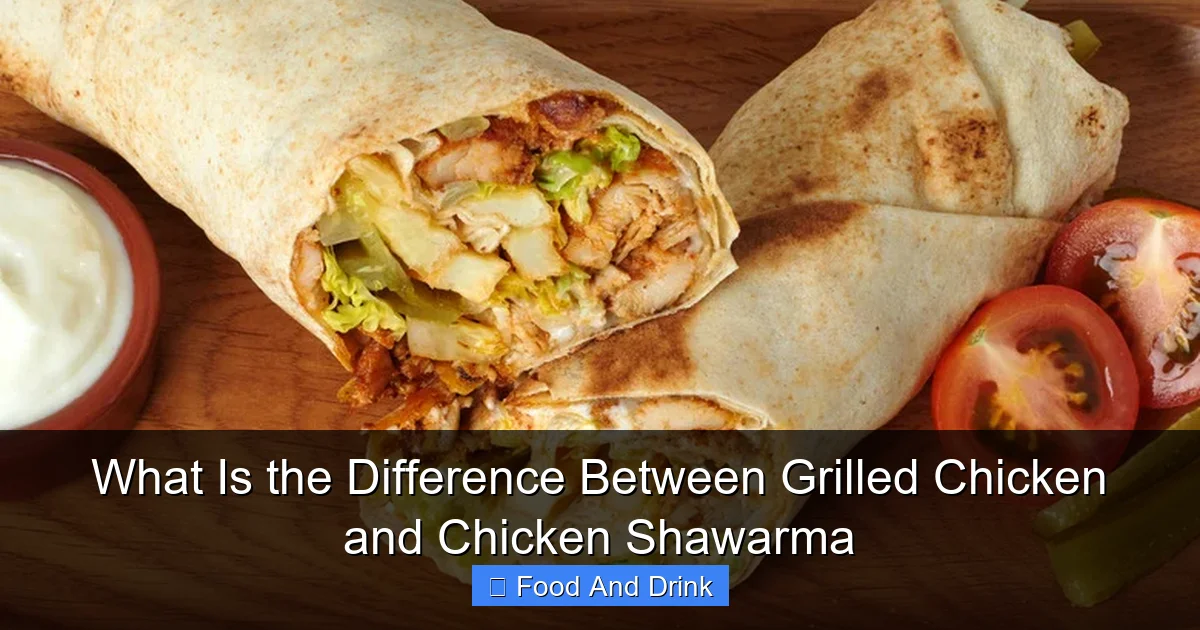
What makes shawarma special isn’t just the technique—it’s the blend of spices and the communal way it’s eaten. It’s often wrapped in pita or flatbread with pickles, tomatoes, onions, and a drizzle of tahini or garlic sauce. Every bite is a mix of textures and flavors, a perfect balance of savory, tangy, and aromatic.
So while grilled chicken is about simplicity and speed, shawarma is about depth and tradition. One is a quick meal; the other is a slow-crafted experience.
Ingredients and Marinades
Visual guide about What Is the Difference Between Grilled Chicken and Chicken Shawarma
Image source: closetcooking.com
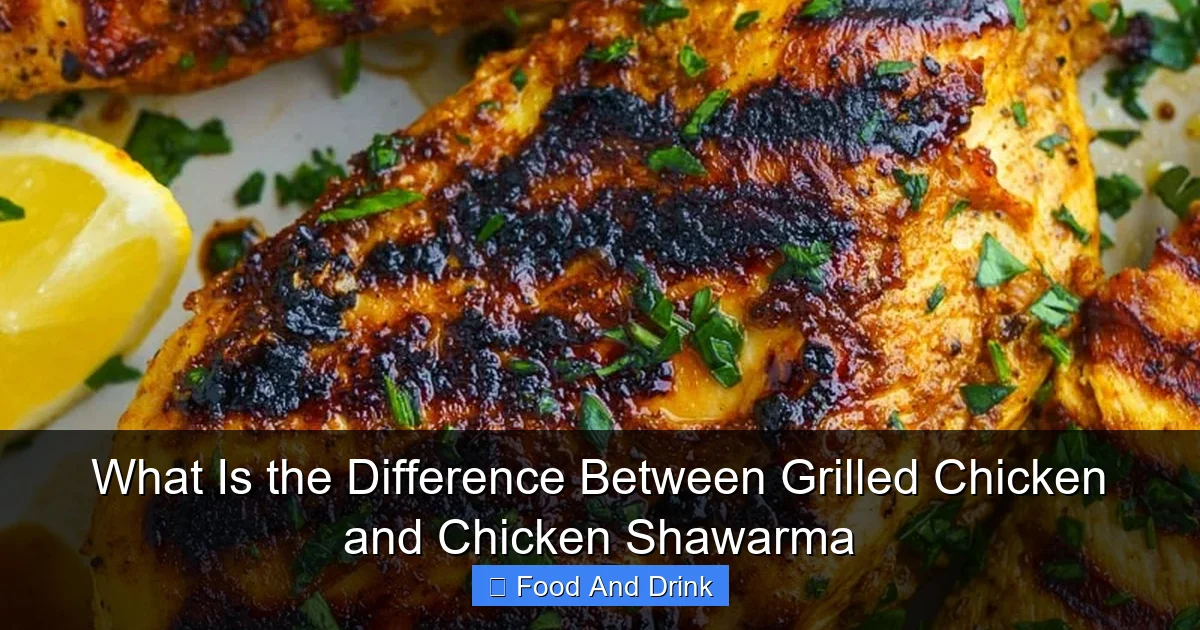
If origin tells the story of where a dish comes from, ingredients and marinades reveal its soul. And when it comes to grilled chicken versus chicken shawarma, the difference in seasoning is night and day.
Grilled Chicken: Keep It Simple
The beauty of grilled chicken lies in its simplicity. Most recipes call for just a few ingredients:
– Chicken (usually breast, but thighs work too)
– Salt and pepper
– Olive oil or another neutral oil
– Optional: herbs like rosemary, thyme, or oregano
Some people add a splash of lemon juice or a bit of garlic, but the goal is usually to let the natural flavor of the chicken shine. The marinade, if used, is light—often just 15 to 30 minutes. Over-marinating can make the meat mushy, especially with acidic ingredients like vinegar or citrus.
Because grilled chicken is often associated with healthy eating, many people skip heavy sauces or sugary glazes. It’s about clean flavors and lean protein. That’s why you’ll see it on salads, grain bowls, and wraps—it plays well with others without overpowering them.
Chicken Shawarma: A Spice-Lover’s Dream
Now, let’s talk about shawarma. If grilled chicken is a whisper, shawarma is a symphony. The marinade is where the magic happens. It’s not just about flavor—it’s about transformation.
A traditional chicken shawarma marinade includes:
– Yogurt (or sometimes buttermilk) – for tenderness and tang
– Olive oil – to keep the meat moist
– Lemon juice or vinegar – for acidity and depth
– Garlic – lots of it
– Spices – cumin, paprika, turmeric, coriander, cinnamon, allspice, and black pepper
Some recipes also include tomato paste, onion, or even a touch of sugar to balance the acidity. The key is layering flavors—each spice plays a role. Cumin adds earthiness, paprika brings smokiness, turmeric gives color and warmth, and cinnamon adds a subtle sweetness.
The marinating time is crucial. Most recipes recommend at least 4 hours, but overnight is ideal. This long soak allows the spices to penetrate the meat and the yogurt to tenderize it. The result? Chicken that’s not just flavorful on the surface but deeply infused with aroma and taste.
And here’s a fun fact: the yogurt in the marinade does more than add flavor. It helps break down proteins, making the chicken extra tender—even when cooked slowly on a rotisserie. That’s why shawarma stays juicy, even after hours of cooking.
So while grilled chicken keeps it light, shawarma goes all in. It’s not just seasoned—it’s transformed.
Cooking Methods and Techniques
Visual guide about What Is the Difference Between Grilled Chicken and Chicken Shawarma
Image source: outgrilling.com
How you cook chicken makes a huge difference in the final result. And when comparing grilled chicken and chicken shawarma, the cooking methods couldn’t be more different.
Grilled Chicken: Fast and Direct
Grilled chicken is all about speed and heat. Whether you’re using a gas grill, charcoal grill, or even a stovetop grill pan, the goal is the same: cook the chicken quickly over direct, high heat.
Here’s how it typically works:
1. Preheat the grill to medium-high (around 375–450°F).
2. Pat the chicken dry and season it.
3. Oil the grates to prevent sticking.
4. Place the chicken on the grill and cook for 6–8 minutes per side, depending on thickness.
5. Use a meat thermometer to check for doneness—165°F in the thickest part.
The high heat creates a nice sear on the outside, locking in juices and adding a smoky flavor. But because it’s cooked quickly, there’s little time for deep flavor development. That’s why the seasoning needs to be applied before cooking.
One downside? Grilled chicken can dry out if overcooked. Chicken breast, in particular, has little fat, so it’s easy to overdo it. That’s why many chefs recommend brining or using a marinade with oil to keep it moist.
Chicken Shawarma: Slow and Rotating
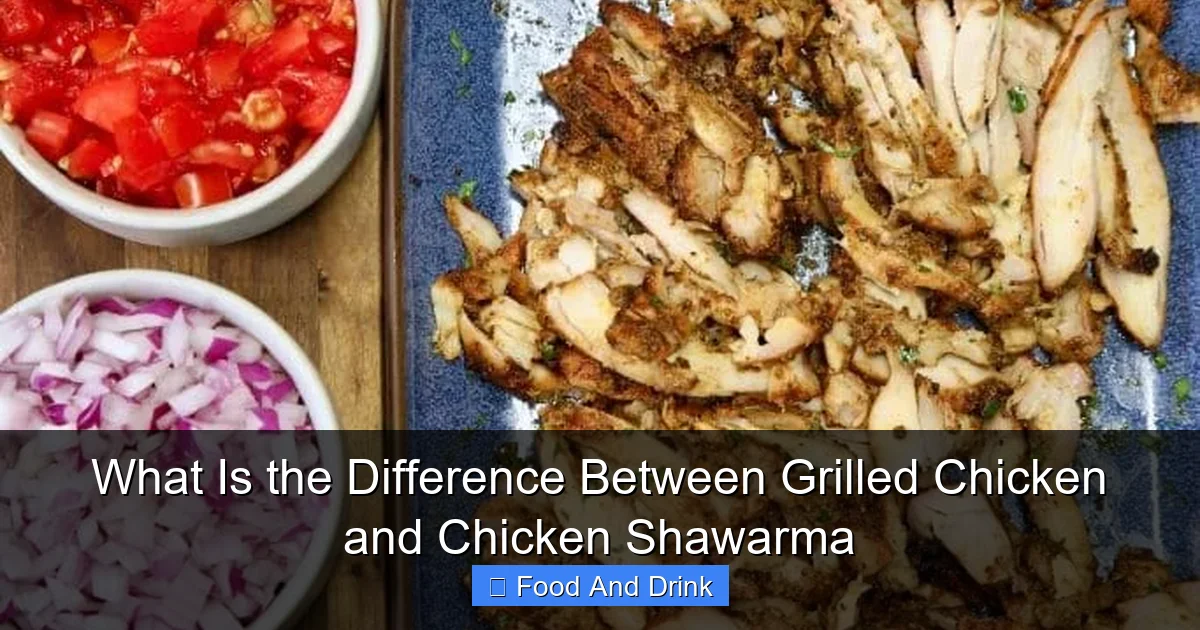
Shawarma, on the other hand, is a slow dance. The traditional method uses a vertical rotisserie—a vertical spit that rotates slowly over a heat source. The chicken is stacked in layers, often with pieces of fat or vegetables in between to keep it moist.
As the spit turns, the outer layer of chicken cooks first, becoming crispy and caramelized. The cook shaves off thin slices from the outside as they cook, serving them immediately. The inner layers continue to cook slowly, staying tender and juicy.
This method has several advantages:
– Even cooking from all sides
– Fat drips away, reducing grease
– Flavors concentrate as moisture evaporates
– The slow roast allows spices to meld and deepen
At home, you can’t easily replicate a vertical rotisserie, but there are workarounds. Some people use a rotisserie oven, while others cook shawarma-style chicken in the oven on a rack, basting it occasionally. You can also use a slow cooker or Instant Pot for a hands-off approach, though the texture won’t be exactly the same.
The key takeaway? Grilled chicken is fast and direct; shawarma is slow and rotational. One is about efficiency, the other about patience and flavor development.
Flavor, Texture, and Serving Style
Visual guide about What Is the Difference Between Grilled Chicken and Chicken Shawarma
Image source: tastingtable.com
Now that we’ve covered the how, let’s talk about the what—what does each dish actually taste like, feel like, and how is it served?
Grilled Chicken: Clean and Lean
Grilled chicken has a mild, clean flavor. It tastes like chicken—nothing more, nothing less. The seasoning is subtle, and the texture is firm but tender, especially if cooked properly.
Because it’s lean, it can be a bit dry if overcooked, but a good marinade or a quick rest after cooking can help. The outside usually has a light char or grill marks, adding a hint of smokiness.
Serving styles vary widely:
– On a bed of greens with vinaigrette
– In a wrap with hummus and veggies
– With rice and steamed vegetables
– As part of a grain bowl with quinoa and avocado
It’s often the star of healthy meals, but it can also be dressed up with sauces like pesto, chimichurri, or teriyaki.
Chicken Shawarma: Bold and Juicy
Shawarma is a flavor explosion. The first bite hits you with a mix of spices—earthy cumin, smoky paprika, warm cinnamon—balanced by the tang of yogurt and lemon. The texture is tender and juicy, with a slightly crispy exterior from the slow roast.
It’s rarely eaten plain. Instead, it’s wrapped in soft pita or flatbread and loaded with:
– Sliced tomatoes and cucumbers
– Pickled turnips or cucumbers
– Fresh parsley or lettuce
– A drizzle of tahini (sesame paste) or garlic sauce
Some versions include fries inside the wrap—a delicious, indulgent touch. The combination of textures—soft bread, crunchy veggies, tender chicken—makes every bite satisfying.
And because shawarma is so flavorful, it doesn’t need much else. It’s a complete meal in itself, often enjoyed on the go or shared with friends.
Nutritional Comparison
Let’s talk health. Both dishes can be part of a balanced diet, but they differ in calories, fat, and sodium.
Grilled Chicken: The Healthy Choice
A 3-ounce serving of grilled chicken breast (no skin) has about:
– 140 calories
– 3 grams of fat
– 0 grams of carbs
– 26 grams of protein
It’s low in fat and sodium, especially if you skip heavy sauces. That’s why it’s a favorite among athletes and people watching their weight.
Chicken Shawarma: Flavor with a Cost
Shawarma is more calorie-dense due to the marinade (oil, yogurt) and cooking method (fat drippings). A typical serving (with bread and sauce) can have:
– 400–600 calories
– 15–25 grams of fat
– 40–60 grams of carbs
– 30–40 grams of protein
The sodium content can also be high, especially if store-bought or street-vendor versions use processed spices or sauces.
But that doesn’t mean shawarma is unhealthy. It’s still a good source of protein and can be part of a balanced diet—especially if you make it at home with fresh ingredients and control the portions.
How to Make Both at Home
Want to try both? Here’s how to make them at home.
Grilled Chicken Recipe (Simple Version)
Ingredients:
– 2 chicken breasts
– 1 tbsp olive oil
– 1 tsp salt
– 1/2 tsp black pepper
– 1 tsp garlic powder
– 1 tsp dried oregano
Instructions:
1. Pat chicken dry and pound to even thickness.
2. Mix oil, salt, pepper, garlic powder, and oregano. Rub onto chicken.
3. Let sit for 15 minutes.
4. Preheat grill to medium-high.
5. Grill 6–8 minutes per side, until internal temp reaches 165°F.
6. Rest for 5 minutes before slicing.
Chicken Shawarma Recipe (Homemade Style)
Ingredients:
– 1.5 lbs chicken thighs (boneless, skinless)
– 1/2 cup plain yogurt
– 3 tbsp olive oil
– 3 cloves garlic, minced
– 1 tbsp lemon juice
– 1 tsp cumin
– 1 tsp paprika
– 1/2 tsp turmeric
– 1/2 tsp cinnamon
– 1/2 tsp black pepper
– 1/2 tsp salt
Instructions:
1. Cut chicken into strips.
2. Mix all marinade ingredients. Add chicken and coat well.
3. Marinate for at least 4 hours (overnight preferred).
4. Preheat oven to 425°F. Place chicken on a rack over a baking sheet.
5. Bake 20–25 minutes, flipping halfway, until cooked through.
6. Slice and serve in pita with veggies and tahini.
Conclusion
So, what’s the difference between grilled chicken and chicken shawarma? It’s not just about taste—it’s about culture, technique, and intention.
Grilled chicken is fast, simple, and healthy. It’s the go-to for quick meals and clean eating. Chicken shawarma, on the other hand, is a celebration of flavor, tradition, and slow-cooked richness. It’s food that brings people together, one spiced, juicy bite at a time.
You don’t have to choose one over the other. Both have their place in your kitchen. Grill up some chicken for a light lunch, or slow-roast shawarma for a flavorful dinner with friends. The key is understanding what makes each special—and enjoying them for exactly what they are.
🎥 Related Video: How to Make Grilled Chicken Shawarma – The Best Shawarma Recipe
📺 The Mediterranean Dish
Chicken Shawarma is a popular Middle Eastern street food! Nothing beats authentic grilled chicken shawarma on the spit with its …
Frequently Asked Questions
What is the main difference between grilled chicken and chicken shawarma?
The main difference is in preparation and flavor. Grilled chicken is cooked quickly over direct heat with simple seasoning, while shawarma is slow-roasted on a vertical spit with a rich, spiced marinade.
Is shawarma always made with chicken?
No, shawarma can be made with lamb, beef, or turkey. Chicken shawarma is the most popular version in many regions, especially in the Middle East and North America.
Why is shawarma so juicy?
Shawarma stays juicy because of the yogurt-based marinade, which tenderizes the meat, and the slow-cooking method, which allows flavors to develop without drying out the chicken.
Can I make grilled chicken taste like shawarma?
You can get close by using a shawarma-style marinade and grilling it, but it won’t have the same depth of flavor or texture as slow-roasted shawarma.
What sauce goes best with chicken shawarma?
Tahini sauce (made from sesame paste, lemon, and garlic) is traditional, but garlic sauce, yogurt sauce, or even a spicy harissa drizzle also work well.
Is grilled chicken better for weight loss?
Generally, yes. Grilled chicken is lower in calories and fat, making it a better choice for weight loss, especially when paired with vegetables and whole grains.


