

Timing is everything when cooking chicken—get it right, and you’ll enjoy tender, juicy meat every time. The best time to cook chicken depends on the cut, method, and desired texture, but understanding internal temperatures and resting periods is key.
Key Takeaways
- Use a meat thermometer: The safest and most accurate way to determine doneness is by checking the internal temperature—165°F (74°C) for most cuts.
- Rest your chicken: Letting cooked chicken rest for 5–10 minutes allows juices to redistribute, ensuring moist, flavorful results.
- Adjust time by cut: Boneless breasts cook faster than bone-in thighs; adjust cooking time accordingly to avoid dryness or undercooking.
- Preheat your cooking surface: Whether using a grill, oven, or skillet, proper preheating ensures even cooking and better browning.
- Marinate for moisture and flavor: Marinating chicken for at least 30 minutes (or overnight) can significantly improve juiciness and taste.
- Consider carryover cooking: Chicken continues to cook slightly after removal from heat, so remove it at 160°F (71°C) to reach 165°F during resting.
- Match method to cut: Slow-cooking methods like braising work best for tougher cuts, while quick methods suit tender, lean pieces like breasts.
Quick Answers to Common Questions
What is the safest internal temperature for cooked chicken?
The USDA recommends cooking chicken to an internal temperature of 165°F (74°C) to ensure food safety and kill harmful bacteria.
Can I cook chicken to a lower temperature if I let it rest?
Yes, you can remove chicken at 160°F (71°C) and let it rest. The temperature will rise to 165°F during resting due to carryover cooking.
How long should I let chicken rest after cooking?
Let boneless chicken rest for 5 minutes and bone-in or whole chicken rest for 10–15 minutes to allow juices to redistribute.
Is it safe to eat chicken cooked to 160°F?
Yes, as long as it reaches 165°F during resting. Removing it at 160°F helps prevent overcooking and dryness.
Does marinating chicken really make it juicier?
Yes, marinating adds moisture and flavor. For best results, marinate for at least 30 minutes or up to 24 hours in the refrigerator.
📑 Table of Contents
- What Is the Best Time to Cook Chicken for Juicy Results?
- Why Timing Matters When Cooking Chicken
- How to Use a Meat Thermometer for Perfect Timing
- Cooking Methods and Their Ideal Timing
- How Marinating and Brining Improve Juiciness
- Common Mistakes and How to Avoid Them
- Conclusion: Master the Timing, Master the Chicken
What Is the Best Time to Cook Chicken for Juicy Results?
Chicken is one of the most versatile and beloved proteins in kitchens around the world. From weeknight stir-fries to Sunday roasts, it’s a staple that can be prepared in countless ways. But despite its popularity, many home cooks struggle with one common issue: dry, overcooked chicken. The secret to avoiding this culinary pitfall isn’t just about technique—it’s about timing. Knowing the best time to cook chicken is the key to unlocking juicy, tender, and flavorful results every single time.
So, what exactly does “the best time to cook chicken” mean? It’s not just about how many minutes you leave it in the oven or on the grill. It’s about understanding the interplay between temperature, cooking method, and the specific cut of chicken you’re using. Whether you’re grilling chicken breasts, roasting a whole bird, or pan-searing thighs, the timing can make or break your dish. Too little time, and you risk foodborne illness. Too much, and you’re left with a dry, rubbery texture that no amount of sauce can fix.
In this guide, we’ll dive deep into the science and art of cooking chicken at the right time. You’ll learn how to use a meat thermometer like a pro, why resting is non-negotiable, and how different cooking methods affect timing. We’ll also explore tips for marinating, preheating, and choosing the right cut for your recipe. By the end, you’ll have the confidence to cook chicken that’s not just safe to eat—but absolutely delicious.
Why Timing Matters When Cooking Chicken

Visual guide about What Is the Best Time to Cook Chicken for Juicy Results
Image source: humbleapron.com
Chicken is a lean protein, which means it has less fat than meats like beef or pork. While that makes it a healthy choice, it also means it dries out more easily when overcooked. Fat helps retain moisture during cooking, so without it, timing becomes even more critical. Overcooked chicken loses its natural juices, resulting in a tough, stringy texture that’s unappealing to eat.
But timing isn’t just about avoiding dryness—it’s also about food safety. Chicken must reach a safe internal temperature to kill harmful bacteria like Salmonella and Campylobacter. The USDA recommends cooking all poultry to an internal temperature of 165°F (74°C). However, this doesn’t mean you should cook it until it hits exactly 165°F and then keep going. In fact, removing the chicken at 160°F (71°C) and letting it rest allows the temperature to rise to 165°F through carryover cooking, while preserving moisture.
Timing also affects flavor development. For example, chicken that’s cooked too quickly at high heat may brown on the outside but remain undercooked inside. On the other hand, slow-cooking methods like braising or roasting at lower temperatures can break down connective tissues, resulting in fall-off-the-bone tenderness. The best time to cook chicken, therefore, balances safety, texture, and flavor.
The Role of Carryover Cooking
One of the most misunderstood aspects of cooking chicken is carryover cooking. This is the phenomenon where the internal temperature of meat continues to rise after it’s removed from the heat source. For chicken, this can increase the temperature by 5°F to 10°F, depending on the size and cut.
For example, if you’re roasting a whole chicken, you might pull it from the oven when the thickest part of the thigh reads 160°F. During the resting period, the temperature will climb to 165°F, ensuring it’s safe to eat. But if you wait until it hits 165°F in the oven, it will likely climb to 170°F or higher while resting—resulting in dry meat.
Understanding carryover cooking allows you to remove the chicken at the optimal time, preserving juiciness while still meeting safety standards. This is especially important for large cuts like whole chickens or bone-in breasts, which retain more heat.
How Resting Time Affects Juiciness
Resting isn’t just a suggestion—it’s a crucial step in the cooking process. When you cook chicken, the muscle fibers contract and push moisture toward the center. If you slice into it immediately, those juices will spill out, leaving the meat dry.
By letting the chicken rest for 5 to 10 minutes (longer for larger cuts), you allow the juices to redistribute throughout the meat. This simple step can make a huge difference in texture and flavor. Think of it like letting a good wine breathe—it enhances the experience.
For boneless chicken breasts, 5 minutes is usually sufficient. For a whole roasted chicken, aim for 10–15 minutes. Cover it loosely with foil to keep it warm without steaming, which can make the skin soggy.
How to Use a Meat Thermometer for Perfect Timing
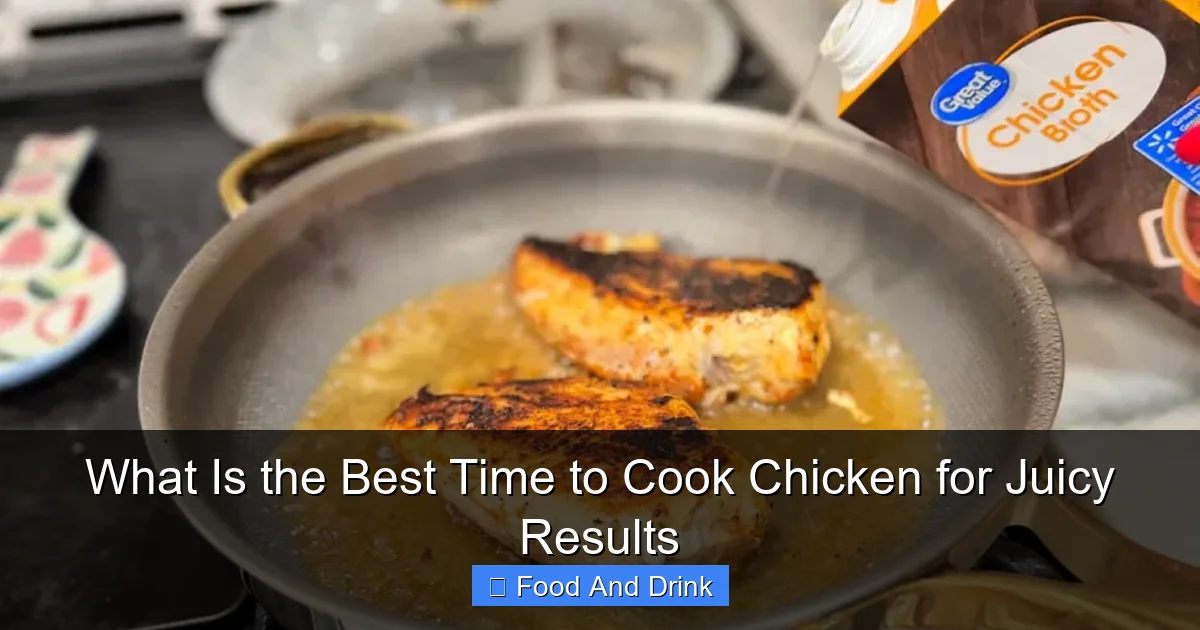
Visual guide about What Is the Best Time to Cook Chicken for Juicy Results
Image source: hip2save.com
If there’s one tool that can revolutionize your chicken cooking, it’s a meat thermometer. Relying on time alone is risky because ovens, grills, and stovetops vary in temperature. A thermometer takes the guesswork out of the equation, ensuring your chicken is cooked to the perfect doneness every time.
Choosing the Right Thermometer
There are several types of meat thermometers on the market, but for home cooks, an instant-read digital thermometer is the most practical. It provides a reading in seconds and is highly accurate. Look for one with a thin probe that won’t leave large holes in the meat.
Leave-in thermometers are also useful, especially for roasting whole chickens or large cuts. These stay in the meat during cooking and alert you when the target temperature is reached. Some even come with wireless probes that you can monitor from your phone.
Where to Insert the Thermometer
Placement is key when using a thermometer. For boneless chicken breasts, insert the probe into the thickest part, avoiding the bone if present. For bone-in cuts like thighs or drumsticks, aim for the center of the meat, making sure the tip doesn’t touch the bone, as bones conduct heat and can give a false reading.
When checking a whole chicken, insert the thermometer into the innermost part of the thigh, near the breast, without touching the bone. This area takes the longest to cook and is the best indicator of overall doneness.
Target Temperatures for Different Cuts
While 165°F is the standard safe temperature, you can adjust slightly based on the cut and cooking method:
– Boneless, skinless breasts: Remove at 160°F; rest to 165°F.
– Bone-in breasts: Remove at 165°F; rest briefly.
– Thighs and drumsticks: Can be cooked to 170°F–175°F for extra tenderness, especially if braised or slow-cooked.
– Whole chicken: Remove when the thigh reaches 165°F.
Remember, these are guidelines. The best time to cook chicken is when it reaches the right internal temperature for your preferred texture.
Cooking Methods and Their Ideal Timing

Visual guide about What Is the Best Time to Cook Chicken for Juicy Results
Image source: i.pinimg.com
Different cooking methods require different timing strategies. The best time to cook chicken varies depending on whether you’re grilling, baking, frying, or slow-cooking. Let’s break down the most common methods and their optimal timing.
Grilling Chicken
Grilling imparts a smoky, charred flavor that’s hard to beat. But it’s also easy to overcook chicken on the grill, especially thin cuts like breasts.
For boneless breasts, preheat the grill to medium-high (around 375°F–400°F). Cook for 6–8 minutes per side, depending on thickness. Use a thermometer to check for 160°F internal temperature.
Bone-in chicken pieces like thighs or drumsticks take longer—about 10–12 minutes per side. You can also use the indirect grilling method: sear over direct heat, then move to cooler part of the grill to finish cooking.
Tip: Marinate chicken for at least 30 minutes before grilling to keep it moist and add flavor.
Baking and Roasting
Baking is a hands-off method that works well for whole chickens, bone-in pieces, or sheet-pan meals.
For boneless breasts, bake at 375°F (190°C) for 20–25 minutes, or until the internal temperature reaches 160°F.
Bone-in breasts and thighs take about 35–45 minutes at the same temperature.
A whole chicken should be roasted at 350°F (175°C) for about 20 minutes per pound. Use a meat thermometer to check the thigh—it should read 165°F.
For extra juiciness, try spatchcocking (butterflying) the chicken. This reduces cooking time and ensures even cooking.
Pan-Searing and Sautéing
Pan-searing is ideal for quick meals. Heat a skillet over medium-high heat with a little oil. Season the chicken and cook for 5–7 minutes per side for boneless breasts.
Use a lid to trap steam and help the chicken cook through without drying out. Check the internal temperature—160°F is the target.
For bone-in pieces, start skin-side down and cook for 8–10 minutes, then flip and finish cooking for another 6–8 minutes.
Slow Cooking and Braising
Slow cooking is perfect for tougher cuts like thighs or drumsticks. These methods break down collagen into gelatin, resulting in incredibly tender meat.
In a slow cooker, cook chicken on low for 6–8 hours or on high for 3–4 hours. The internal temperature should reach at least 165°F.
For braising, sear the chicken first, then simmer in liquid (like broth or wine) on the stovetop or in the oven at 325°F (160°C) for 45–60 minutes.
These methods allow you to cook chicken longer without drying it out, making them ideal for meal prep or comfort food dishes.
How Marinating and Brining Improve Juiciness
One of the best ways to ensure juicy chicken is to start with a good marinade or brine. These techniques infuse moisture and flavor into the meat, making it more forgiving if slightly overcooked.
The Power of Marinating
A marinade typically contains an acid (like lemon juice or vinegar), oil, and seasonings. The acid helps tenderize the surface, while the oil adds moisture and carries flavor.
Marinate chicken for at least 30 minutes, but overnight is even better. Just don’t overdo it—prolonged exposure to acid can make the texture mushy.
Try this simple marinade: 1/4 cup olive oil, 2 tablespoons lemon juice, 2 cloves minced garlic, 1 teaspoon dried oregano, salt, and pepper.
Brining for Maximum Moisture
Brining involves soaking chicken in a saltwater solution, which helps the meat retain moisture during cooking. There are two types: wet brine (soaking in liquid) and dry brine (rubbing salt on the surface).
For a wet brine, dissolve 1/2 cup of salt in 4 cups of water. Submerge the chicken for 1–2 hours (or up to 12 hours in the fridge). Rinse and pat dry before cooking.
Dry brining is simpler: just sprinkle salt on the chicken and let it sit uncovered in the fridge for a few hours or overnight. The salt draws out moisture, then reabsorbs it, seasoning the meat deeply.
Both methods result in juicier, more flavorful chicken—especially useful for lean cuts like breasts.
Common Mistakes and How to Avoid Them
Even experienced cooks make mistakes when timing chicken. Here are the most common pitfalls and how to avoid them.
Overcooking Boneless Breasts
Boneless, skinless chicken breasts are the most prone to drying out. They’re lean and cook quickly, so it’s easy to go overboard.
Solution: Use a thermometer and remove at 160°F. Pound them to an even thickness for consistent cooking, or try brining beforehand.
Undercooking Bone-In Cuts
Bone-in pieces take longer to cook because the bone insulates the meat. Relying on time alone can lead to undercooked chicken.
Solution: Always check the internal temperature. Thighs and drumsticks can be cooked to 170°F for extra tenderness.
Not Preheating the Cooking Surface
Starting with a cold pan or grill leads to uneven cooking and poor browning.
Solution: Preheat your oven, skillet, or grill for at least 10 minutes before adding the chicken.
Skipping the Rest Period
Cutting into chicken immediately after cooking causes juices to escape.
Solution: Let it rest for 5–10 minutes. Cover loosely with foil to keep warm.
Conclusion: Master the Timing, Master the Chicken
Cooking chicken doesn’t have to be stressful. With the right knowledge and tools, you can consistently achieve juicy, flavorful results. The best time to cook chicken isn’t a fixed number—it’s a combination of temperature, method, and attention to detail.
Start by investing in a good meat thermometer. Learn the target temperatures for different cuts, and always account for carryover cooking and resting time. Choose the right cooking method for your cut, and don’t skip marinating or brining for extra moisture.
Whether you’re grilling for a summer barbecue or roasting a chicken for Sunday dinner, timing is your secret weapon. With practice, you’ll develop an intuition for when your chicken is perfectly done—tender, juicy, and safe to eat.
So the next time you’re in the kitchen, remember: the best time to cook chicken is when it’s ready, not when the timer goes off. Trust your thermometer, respect the rest, and enjoy every bite.
🎥 Related Video: How to Cook Tender, Juicy Chicken Every Time (No Dry Meat!)
📺 Allrecipes
Roscoe reveals the easiest way to cook perfectly juicy chicken—never dry again! #shorts #allrecipes #chicken.
Frequently Asked Questions
How do I know when chicken is done without a thermometer?
Without a thermometer, check that the juices run clear and the meat is no longer pink. However, this method is less reliable than using a thermometer.
Can I cook frozen chicken?
Yes, but it will take about 50% longer to cook. Use a meat thermometer to ensure it reaches 165°F internally.
Why is my chicken still dry even when cooked to the right temperature?
This could be due to overcooking, lack of fat, or not brining/marinating. Try brining or using bone-in cuts for more moisture.
Is it okay to cook chicken breasts to 170°F?
Yes, but they may become dry. 165°F is sufficient for safety, and higher temperatures are better suited for thighs or slow-cooked dishes.
How long can I marinate chicken?
Marinate chicken for 30 minutes to 24 hours. Avoid marinating for too long in acidic ingredients, as it can make the texture mushy.
What’s the best way to reheat cooked chicken?
Reheat in the oven at 325°F (160°C) until warmed through, or use a skillet with a little broth to retain moisture.