

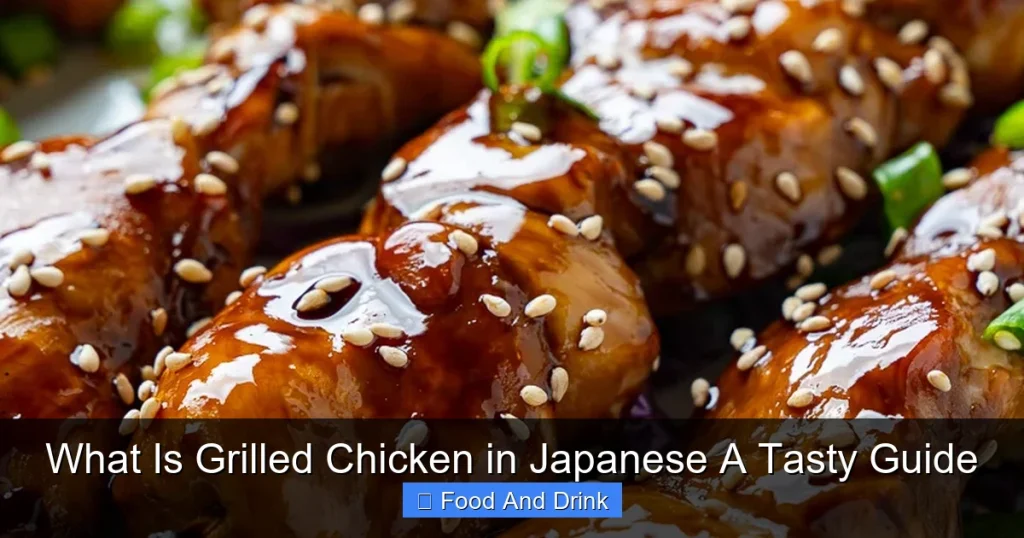

Grilled chicken in Japanese cooking, known as “yakitori” or “tori no yakimono,” is a beloved dish featuring tender, skewered, and flame-grilled chicken. It’s seasoned simply with salt or savory tare sauce and enjoyed in homes, izakayas, and street stalls across Japan.
Have you ever walked into a cozy izakaya in Tokyo, the air thick with smoky aromas and the soft clink of sake glasses, only to be drawn in by the sizzle of chicken over glowing charcoal? That’s the magic of grilled chicken in Japanese cuisine—a humble yet deeply flavorful dish that captures the soul of Japanese cooking. Whether it’s skewered and charred to perfection or grilled in larger pieces for a family meal, grilled chicken holds a special place in Japan’s culinary heart.
Grilled chicken in Japanese is more than just cooked poultry—it’s a cultural experience. From bustling yakitori stands in Shinjuku to quiet home kitchens in Kyoto, this dish brings people together. It’s simple, yes, but simplicity in Japanese food is never boring. It’s about highlighting the natural taste of the ingredient, enhancing it with minimal, thoughtful seasoning, and cooking it with precision. Whether you’re biting into a juicy piece of thigh meat glazed with sweet tare or savoring a lightly salted breast skewer, grilled chicken in Japanese style delivers satisfaction in every bite.
Key Takeaways
- Grilled chicken in Japanese is called “yakitori” when skewered and “tori no yakimono” when not. Both refer to chicken cooked over an open flame or grill.
- Yakitori is traditionally made with bite-sized pieces of chicken on bamboo skewers. It’s a staple in izakayas (Japanese pubs) and street food markets.
- Two main seasoning styles: “shio” (salt) and “tare” (sweet soy-based glaze). Each offers a unique flavor profile and texture.
- Popular cuts include thigh (momo), breast (mune), skin (kawa), and even organs like liver (reba). Variety is key to authentic yakitori.
- Grilled chicken is also served in bento boxes, teishoku (set meals), and as part of family dinners. It’s a versatile and everyday comfort food.
- High-quality, fresh chicken is essential. Japanese chefs prioritize texture, juiciness, and clean flavor.
- Home cooks can easily recreate grilled chicken Japanese-style using a grill pan or broiler. Simple marinades and proper timing make all the difference.
Quick Answers to Common Questions
What is grilled chicken called in Japanese?
Grilled chicken in Japanese is most commonly called “yakitori” when skewered, or “tori no yakimono” when grilled in larger pieces without skewers.
Is yakitori the same as grilled chicken?
Yakitori is a type of grilled chicken, specifically skewered and grilled over charcoal. Not all grilled chicken in Japan is yakitori, but yakitori is the most famous form.
What’s the difference between shio and tare yakitori?
Shio-style yakitori is seasoned with just salt, highlighting the chicken’s natural flavor. Tare-style uses a sweet soy-based glaze for a richer, more complex taste.
Can I make grilled chicken Japanese-style at home?
Absolutely! Use a grill pan or broiler, marinate chicken in soy sauce and mirin, and finish with salt or tare glaze for an authentic taste.
What part of the chicken is best for yakitori?
Chicken thigh (momo) is considered the best for yakitori because it’s juicy, flavorful, and stays tender when grilled.
📑 Table of Contents
- What Is Grilled Chicken in Japanese?
- Popular Types of Grilled Chicken in Japanese Cuisine
- Seasoning and Sauces for Grilled Chicken in Japanese Style
- Where to Enjoy Grilled Chicken in Japan
- Tips for Making Perfect Grilled Chicken at Home
- Health Benefits of Grilled Chicken in Japanese Cuisine
- Conclusion
What Is Grilled Chicken in Japanese?
When we talk about grilled chicken in Japanese, we’re referring to chicken that’s cooked over direct heat—usually charcoal, but sometimes gas or electric grills. The term most commonly associated with this dish is yakitori, which literally means “grilled bird” (yaki = grilled, tori = bird/chicken). However, not all grilled chicken in Japan is yakitori. Some versions are grilled in larger cuts and served without skewers, often as part of a set meal or bento.
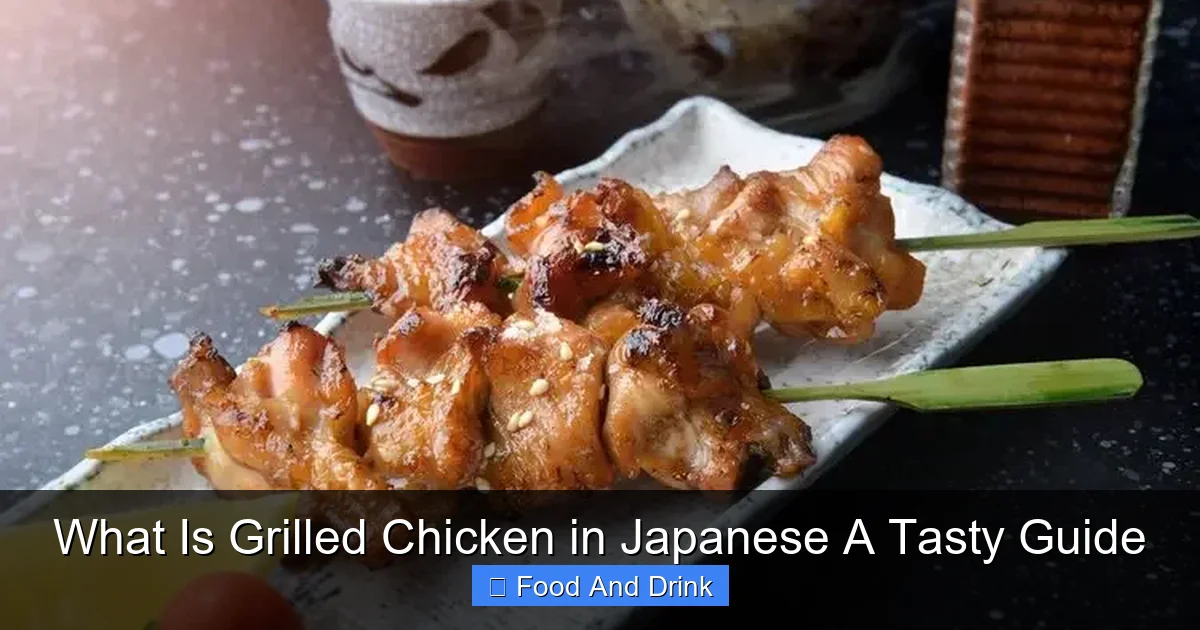
Yakitori is the star of the show when it comes to grilled chicken in Japanese street food and pub culture. These are small pieces of chicken threaded onto bamboo skewers and grilled over binchotan (white charcoal), which burns hot and clean, giving the meat a subtle smokiness without overpowering its natural flavor. The result? Tender, juicy chicken with a slightly charred exterior that’s both satisfying and aromatic.
But yakitori is just one form. Grilled chicken also appears in home cooking as tori no yakimono (grilled chicken dish), where chicken thighs or breasts are marinated and grilled in the oven or on a stovetop grill pan. It’s a common dinner option because it’s quick, healthy, and pairs well with rice, miso soup, and pickled vegetables.
The Origins of Grilled Chicken in Japan
Grilled chicken has been part of Japanese cuisine for centuries, but yakitori as we know it today became popular in the Edo period (1603–1868). Back then, chicken was a luxury, and only the wealthy could afford it regularly. However, as chicken farming expanded and became more accessible, grilled chicken began appearing in food stalls and markets.
The real boom came after World War II, when food shortages led people to get creative with available ingredients. Chicken, once rare, became more common, and yakitori stands popped up across cities like Tokyo and Osaka. These humble stalls offered affordable, filling meals to workers and students, and the smoky aroma of grilling chicken became a comforting soundtrack to urban life.
Today, yakitori is a national favorite. You’ll find it in high-end restaurants where chefs use premium, free-range chicken, as well as in casual izakayas where friends gather after work. It’s a dish that bridges class and culture—equally at home in a Michelin-starred kitchen as it is on a paper plate at a summer festival.
How Is Grilled Chicken Prepared in Japanese Style?
The preparation of grilled chicken in Japanese cuisine is all about balance and technique. Unlike Western grilling, which often relies on heavy marinades or barbecue sauces, Japanese grilled chicken focuses on enhancing the natural flavor of the meat with subtle seasonings.
First, the chicken is cut into small, even pieces—usually about 1 to 1.5 inches—to ensure even cooking. Bamboo skewers are soaked in water for at least 30 minutes before use to prevent burning. The chicken is then threaded onto the skewers, leaving a small gap between pieces for better heat circulation.
Cooking is done over high heat, typically using binchotan charcoal, which reaches temperatures of up to 1,000°C (1,832°F). This intense heat sears the outside quickly, locking in juices while creating a delicate char. The chicken is turned frequently to avoid burning and to ensure all sides cook evenly.
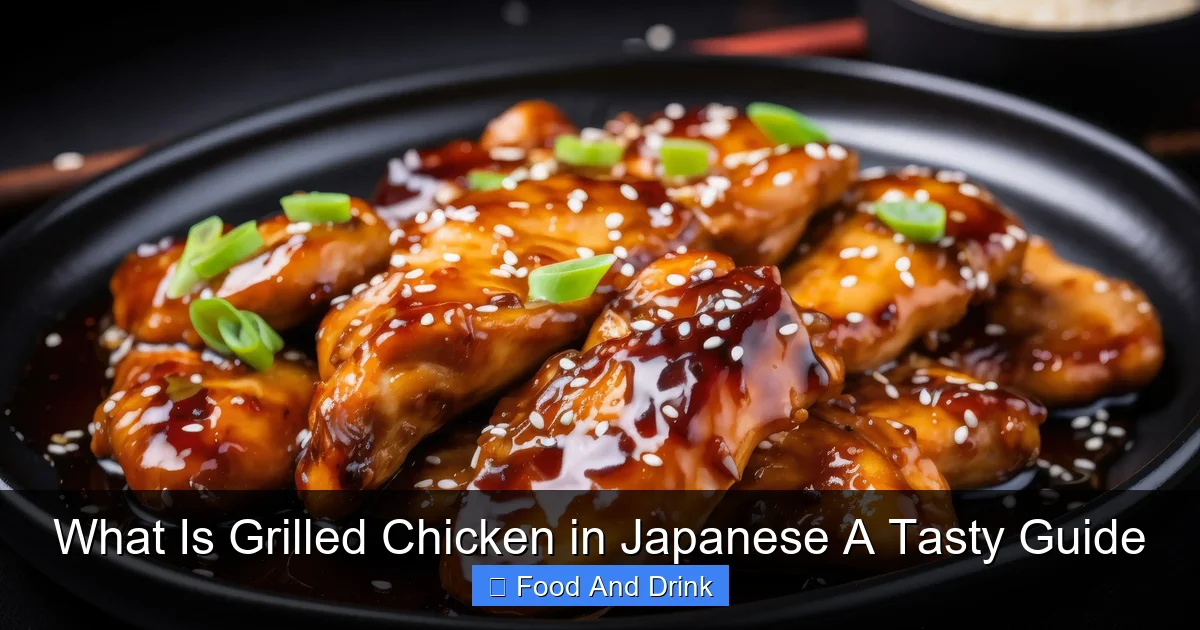
Seasoning is applied during or after grilling. Some skewers are seasoned with just sea salt (shio), which highlights the chicken’s natural sweetness. Others are brushed with tare, a glossy, sweet-savory glaze made from soy sauce, mirin, sake, sugar, and sometimes garlic or ginger. The tare is applied in layers, allowing it to caramelize slightly with each coat.
Popular Types of Grilled Chicken in Japanese Cuisine
Visual guide about What Is Grilled Chicken in Japanese A Tasty Guide
Image source: static.wixstatic.com
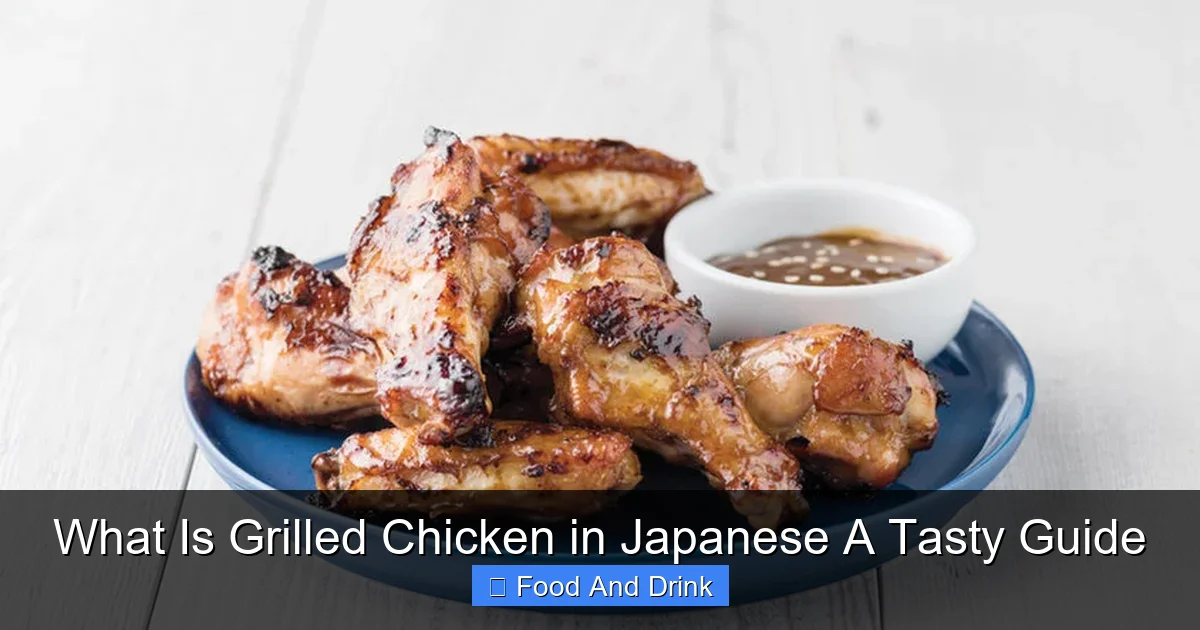
Grilled chicken in Japanese cooking isn’t limited to just one cut or style. In fact, one of the joys of yakitori is the variety—chefs often use every part of the chicken, from breast to tail, creating a diverse and exciting menu.
Yakitori: The Classic Skewered Delight
Yakitori is the most iconic form of grilled chicken in Japanese cuisine. These skewers are a staple in izakayas and yakitori-ya (specialty grilled chicken restaurants). Each skewer typically features 3–4 pieces of chicken, grilled to perfection and served hot off the grill.
Some of the most popular yakitori varieties include:
– Momo (thigh meat): Considered the gold standard of yakitori. Thigh meat is juicier and more flavorful than breast, with a rich, tender texture that holds up beautifully to grilling.
– Mune (breast meat): Leaner and milder in flavor. Often grilled with a light tare to add moisture and depth.
– Kawa (chicken skin): Crispy, fatty, and incredibly satisfying. The skin is grilled until it puffs up and turns golden brown, creating a crunchy exterior with a melt-in-your-mouth interior.
– Negima: A combination of chicken and green onion. The onions add a sweet, aromatic contrast to the savory meat.
– Reba (liver): A bold choice for adventurous eaters. Chicken liver is rich and creamy when cooked properly, often seasoned with just salt to let its natural flavor shine.
– Hara (gizzard): Chewy and flavorful, with a unique texture that’s loved by many. It’s usually grilled with tare for extra richness.
Each skewer is a small masterpiece, showcasing the chef’s skill and attention to detail.
Tori no Yakimono: Grilled Chicken in Home Cooking
Outside of yakitori, grilled chicken is a common feature in Japanese home meals. Known as tori no yakimono, this style often involves larger cuts like chicken thighs or drumsticks, grilled in the oven or on a stovetop grill pan.
These dishes are typically marinated in a simple mixture of soy sauce, mirin, sake, and sometimes ginger or garlic. The marinade tenderizes the meat and infuses it with umami-rich flavor. After marinating for 30 minutes to a few hours, the chicken is grilled until the skin is crispy and the inside is fully cooked.
This style of grilled chicken is often served as part of a teishoku (set meal), which includes rice, miso soup, pickles, and a side dish like grilled vegetables or simmered tofu. It’s a balanced, comforting meal that’s both nutritious and delicious.
Karaage vs. Grilled Chicken: What’s the Difference?
It’s easy to confuse grilled chicken with karaage, another popular Japanese chicken dish. But they’re quite different.
Karaage is Japanese-style fried chicken—bite-sized pieces marinated, coated in potato starch or flour, and deep-fried until crispy. It’s crunchy, juicy, and often served with lemon and mayonnaise.
Grilled chicken, on the other hand, is cooked over dry heat. It’s lighter, with a smoky flavor and a texture that ranges from tender and juicy (thigh meat) to slightly firm (breast or gizzard). While both are delicious, grilled chicken is often seen as a healthier, more refined option.
Seasoning and Sauces for Grilled Chicken in Japanese Style
Visual guide about What Is Grilled Chicken in Japanese A Tasty Guide
Image source: images.japanhighlights.com
Seasoning is where grilled chicken in Japanese cuisine truly comes alive. Unlike Western grilling, which often relies on bold spices or heavy sauces, Japanese seasoning is subtle, balanced, and designed to complement—not overpower—the chicken.
Shio (Salt) Style
The shio style is all about simplicity. After grilling, the chicken is lightly sprinkled with high-quality sea salt. This method highlights the natural flavor of the meat, especially when using premium, fresh chicken.
Shio-style yakitori is often preferred for richer cuts like thigh meat or skin, where the fat and juiciness can shine without interference. The salt enhances the umami and brings out the chicken’s inherent sweetness.
Tare (Glaze) Style
Tare is a sweet and savory glaze that’s brushed onto the chicken during grilling. It’s made from a base of soy sauce, mirin (sweet rice wine), sake, and sugar. Some recipes include garlic, ginger, or green onions for added depth.
The tare is applied in layers, allowing it to caramelize slightly with each coat. The result is a glossy, sticky glaze that clings to the chicken, adding moisture and a complex flavor profile. Tare-style yakitori is especially popular for leaner cuts like breast meat, which can dry out easily.
Homemade Tare Recipe
Want to try making tare at home? Here’s a simple recipe:
– 1/2 cup soy sauce
– 1/2 cup mirin
– 1/4 cup sake
– 2 tablespoons sugar
– 1 clove garlic, minced (optional)
– 1 teaspoon grated ginger (optional)
Combine all ingredients in a small saucepan and simmer over low heat for 10–15 minutes, until slightly thickened. Let cool before using. Store any leftovers in the fridge for up to 2 weeks.
Other Seasoning Variations
While shio and tare are the most common, some chefs experiment with other flavors:
– Shichimi togarashi: A seven-spice blend that adds a subtle heat and citrusy note.
– Miso glaze: Made with white or red miso, mirin, and sugar. Rich and umami-packed.
– Yuzu kosho: A spicy, citrusy paste made from yuzu zest, chili, and salt. Adds a bright, bold kick.
These variations are less traditional but increasingly popular in modern Japanese cuisine.
Where to Enjoy Grilled Chicken in Japan
Visual guide about What Is Grilled Chicken in Japanese A Tasty Guide
Image source: ik.imagekit.io
Grilled chicken in Japanese style can be found almost everywhere in Japan—from high-end restaurants to humble street stalls. Here are some of the best places to experience it.
Izakayas: The Heart of Yakitori Culture
Izakayas are Japanese pubs where friends gather to drink sake or beer and share small plates of food. Yakitori is a staple on the menu, often served alongside edamame, grilled fish, and pickled vegetables.
In Tokyo, neighborhoods like Shinjuku, Shibuya, and Ebisu are famous for their yakitori alleys—narrow streets lined with tiny, smoke-filled restaurants. Each spot has its own specialty, from classic momo skewers to creative fusion dishes like chicken-wrapped asparagus or cheese-stuffed meatballs.
Yakitori Stands and Food Carts
During festivals or in busy train stations, you’ll often find yakitori stands selling skewers to go. These are quick, affordable, and delicious—perfect for a snack on the run. The chicken is grilled fresh, and you can choose your seasoning on the spot.
Convenience Stores and Supermarkets
Believe it or not, you can find grilled chicken in Japanese convenience stores like 7-Eleven, Lawson, and FamilyMart. Pre-packaged yakitori skewers are available, often labeled with the cut and seasoning. While not as fresh as restaurant versions, they’re a convenient option for a quick meal.
Home Cooking: Bringing Yakitori Home
Many Japanese families enjoy grilled chicken at home. With a simple grill pan or broiler, you can recreate the yakitori experience. Marinate chicken thighs in soy sauce, mirin, and sake, then grill until charred and juicy. Serve with rice and a side of miso soup for a complete meal.
Tips for Making Perfect Grilled Chicken at Home
Want to master grilled chicken in Japanese style at home? Here are some practical tips to help you get started.
Choose the Right Cut
For the juiciest results, go for chicken thighs. They have more fat and connective tissue than breast meat, which keeps them moist during grilling. If using breast, marinate it well and avoid overcooking.
Use a Hot Grill or Broiler
High heat is key to achieving that perfect char. Preheat your grill or broiler to high, and make sure the grates are clean and oiled to prevent sticking.
Don’t Overcrowd the Skewers
Leave a small gap between pieces of chicken on the skewer. This allows heat to circulate evenly and prevents steaming instead of grilling.
Brush with Tare at the Right Time
Apply tare during the last few minutes of grilling. If you brush it too early, the sugar in the glaze can burn. Multiple light coats work better than one heavy layer.
Rest the Chicken
After grilling, let the chicken rest for a minute or two. This allows the juices to redistribute, ensuring every bite is moist and flavorful.
Serve Immediately
Grilled chicken is best enjoyed hot off the grill. Serve it with a side of rice, pickled vegetables, or a simple salad for a complete meal.
Health Benefits of Grilled Chicken in Japanese Cuisine
Grilled chicken in Japanese style isn’t just delicious—it’s also a healthy choice. Compared to fried or heavily sauced dishes, grilled chicken is lower in fat and calories, especially when seasoned with salt instead of tare.
Chicken is an excellent source of lean protein, which supports muscle growth and repair. It’s also rich in B vitamins, selenium, and phosphorus—nutrients essential for energy, immunity, and bone health.
The Japanese approach to grilling—using minimal oil and focusing on natural flavors—makes it a heart-healthy option. Plus, the inclusion of vegetables like green onions in negima skewers adds fiber and antioxidants.
Of course, balance is key. While grilled chicken is nutritious, it’s best enjoyed as part of a varied diet that includes plenty of vegetables, whole grains, and other protein sources.
Conclusion
Grilled chicken in Japanese cuisine is a celebration of simplicity, quality, and flavor. Whether it’s the smoky perfection of a yakitori skewer or the comforting warmth of a home-grilled chicken thigh, this dish embodies the essence of Japanese cooking—respect for ingredients, attention to detail, and a deep appreciation for balance.
From bustling izakayas to quiet family dinners, grilled chicken brings people together. It’s versatile, accessible, and endlessly delicious. And the best part? You don’t need to travel to Japan to enjoy it. With a few simple ingredients and a little practice, you can bring the taste of Japanese grilled chicken into your own kitchen.
So next time you fire up the grill or turn on the broiler, think like a Japanese chef. Choose fresh chicken, season with care, and cook with patience. The result? A dish that’s not just food—but an experience.
🎥 Related Video: Crispy grilled chicken! #shorts #japanesefood #cooking #japan #chickenrecipe
📺 Kyodokan ~Japanese culture to the world~
Frequently Asked Questions
What makes Japanese grilled chicken different from other styles?
Japanese grilled chicken focuses on simplicity and natural flavor, using minimal seasoning like salt or tare glaze. It’s often cooked over charcoal for a subtle smokiness, unlike Western styles that may use heavy marinades or spices.
Is grilled chicken healthy in Japanese cuisine?
Yes, grilled chicken is a healthy option, especially when seasoned with salt instead of sugary glazes. It’s high in protein and lower in fat than fried chicken, making it a nutritious choice.
What is tare sauce made of?
Tare is a sweet and savory glaze made from soy sauce, mirin, sake, and sugar. Some versions include garlic, ginger, or green onions for added flavor.
Can I use chicken breast for yakitori?
Yes, but chicken breast can dry out easily. Marinate it well and use a tare glaze to keep it moist. Thigh meat is generally preferred for its juiciness.
Where can I find authentic yakitori outside of Japan?
Look for Japanese izakayas or yakitori specialty restaurants in major cities. Some Asian grocery stores also sell pre-made yakitori skewers or tare sauce for home cooking.
How do I prevent chicken from sticking to the grill?
Preheat the grill, clean the grates thoroughly, and lightly oil them before cooking. Using soaked bamboo skewers also helps prevent burning and sticking.


