

Grilled chicken is a blank canvas for bold, delicious flavors. People season it with everything from simple salt and pepper to complex spice blends, citrus marinades, and aromatic herbs—each adding depth, moisture, and unforgettable taste.
Grilled chicken is one of the most beloved dishes around the world—simple, healthy, and incredibly versatile. Whether it’s a summer backyard barbecue, a quick weeknight dinner, or a festive feast, grilled chicken always finds its way to the table. But here’s the secret: the magic isn’t just in the grilling—it’s in the seasoning. What do people season grilled chicken with? The answer is as diverse as the cultures that love it. From backyard grill masters to professional chefs, everyone has their go-to blend of spices, herbs, and marinades that turn plain chicken into a flavor-packed masterpiece.
The beauty of grilled chicken lies in its adaptability. It absorbs flavors like a sponge, making it the perfect candidate for bold seasonings. Whether you prefer smoky, spicy, tangy, or herby profiles, there’s a seasoning style that fits your taste. And the best part? You don’t need fancy equipment or hard-to-find ingredients. Most of the best seasonings are already in your pantry. A little creativity, the right timing, and an understanding of how flavors work together can elevate your grilled chicken from “meh” to “wow” in just minutes.
Key Takeaways
- Salt and pepper are the foundation: Even the most elaborate seasonings start with these two basics for balanced flavor.
- Herbs like rosemary, thyme, and oregano add freshness: They infuse grilled chicken with aromatic, earthy notes that complement smoky char.
- Spice blends (like Cajun, Italian, or jerk) deliver big flavor fast: Pre-mixed or homemade, they save time and pack a punch.
- Acidic marinades (lemon, vinegar, yogurt) tenderize and flavor: They break down proteins while adding brightness and moisture.
- Garlic, onion, and smoked paprika enhance umami and depth: These ingredients create rich, savory layers that make chicken irresistible.
- Global flavors—like soy-ginger, harissa, or za’atar—offer exciting variety: They transform grilled chicken into a worldly dish with minimal effort.
- Timing matters: Seasoning at the right time—dry rubs before grilling, marinades hours ahead—maximizes flavor absorption.
Quick Answers to Common Questions
What is the best basic seasoning for grilled chicken?
The best basic seasoning is a simple mix of salt, black pepper, garlic powder, and a touch of olive oil. This combination enhances natural flavor without overpowering the chicken.
Can I use dried herbs instead of fresh on grilled chicken?
Yes, dried herbs work great and are more convenient. Use about one-third the amount of dried herbs compared to fresh, as they’re more concentrated.
How long should I marinate chicken before grilling?
For most cuts, 30 minutes to 2 hours is ideal. Yogurt-based marinades can go up to 24 hours, but avoid over-marinating with acidic ingredients.
What spices go well with grilled chicken?
Popular spices include paprika, cumin, coriander, garlic powder, onion powder, oregano, thyme, and cayenne. Smoked paprika adds a rich, smoky depth.
Should I season chicken before or after grilling?
Season before grilling for deep flavor. Add a final touch—like flaky salt or lemon juice—right after cooking to brighten the taste.
📑 Table of Contents
The Basics: Salt, Pepper, and Oil
Before diving into complex spice blends or exotic marinades, let’s talk about the foundation of all great grilled chicken: salt, pepper, and a touch of oil. These three ingredients might seem too simple to make a difference, but they’re essential for building flavor from the ground up.
Salt is the most important seasoning you can use. It doesn’t just make food taste salty—it enhances every other flavor in the dish. When you salt chicken, it penetrates the meat, drawing out moisture that then reabsorbs along with the salt. This process, called osmosis, seasons the chicken from the inside out. For best results, use kosher salt or sea salt and apply it at least 40 minutes before grilling. This gives the salt time to work its magic, resulting in juicier, more flavorful meat.
Black pepper adds a subtle heat and complexity. Freshly ground pepper is always better than pre-ground because it retains more of its essential oils and aroma. A coarse grind works well for grilling, as it holds up to high heat and gives a pleasant texture. Just a few grinds over the chicken before it hits the grill can make a noticeable difference.
Oil—whether olive, avocado, or vegetable—serves two purposes. First, it helps prevent sticking on the grill grates. Second, it aids in browning and caramelization, which creates that delicious charred exterior we all love. A light brush of oil before seasoning also helps spices adhere to the chicken, ensuring even flavor distribution.
Pro Tip: The Dry Brine Method
One of the easiest ways to guarantee juicy, flavorful grilled chicken is to use the dry brine method. Simply sprinkle salt (and optionally pepper) over the chicken and let it sit uncovered in the fridge for at least 40 minutes, or up to 24 hours. This not only seasons the meat deeply but also helps it retain moisture during cooking. The result? Tender, never-dry chicken every time.
Herbs and Aromatics: Fresh and Dried Options

Visual guide about What Do People Season Grilled Chicken With for Maximum Flavor
Image source: kitchensmokey.com
Herbs are the secret weapon in many grilled chicken recipes. They add brightness, depth, and a natural freshness that cuts through the richness of grilled meat. Whether you’re using fresh or dried herbs, they can completely transform the flavor profile of your chicken.
Fresh herbs like rosemary, thyme, oregano, and parsley are popular choices. Rosemary has a pine-like aroma that pairs beautifully with grilled chicken, especially when used in a marinade or as a sprig placed directly on the grill for smoky infusion. Thyme offers a slightly minty, earthy note that works well with lemon and garlic. Oregano brings a Mediterranean flair—think Greek or Italian-style chicken—while parsley adds a clean, fresh finish when sprinkled on after grilling.
Dried herbs, on the other hand, are more concentrated and convenient. They’re perfect for dry rubs or when fresh herbs aren’t available. Dried oregano, thyme, and marjoram are staples in many spice cabinets and can be mixed with salt, pepper, and garlic powder for a quick, flavorful rub. Just remember: dried herbs are about three times stronger than fresh, so use them sparingly.
Herb-Infused Oils and Butter
For an extra layer of flavor, consider using herb-infused oils or compound butter. Infused oils—made by steeping herbs in warm oil—can be brushed onto chicken during the last few minutes of grilling. This adds a subtle herbal note without overwhelming the meat. Compound butter, made by mixing softened butter with chopped herbs, garlic, and lemon zest, can be placed on top of hot grilled chicken right after it comes off the grill. The butter melts into the meat, creating a rich, aromatic finish.
Using Whole Aromatics on the Grill
Don’t forget about whole aromatics like garlic cloves, onion slices, or lemon halves. Placing these directly on the grill near the chicken allows their flavors to infuse the meat as they cook. You can also stuff chicken breasts with lemon slices and fresh herbs before grilling for a burst of citrus and aroma from the inside out.
Spice Blends: Ready-Made and Homemade
Visual guide about What Do People Season Grilled Chicken With for Maximum Flavor
Image source: jessicagavin.com
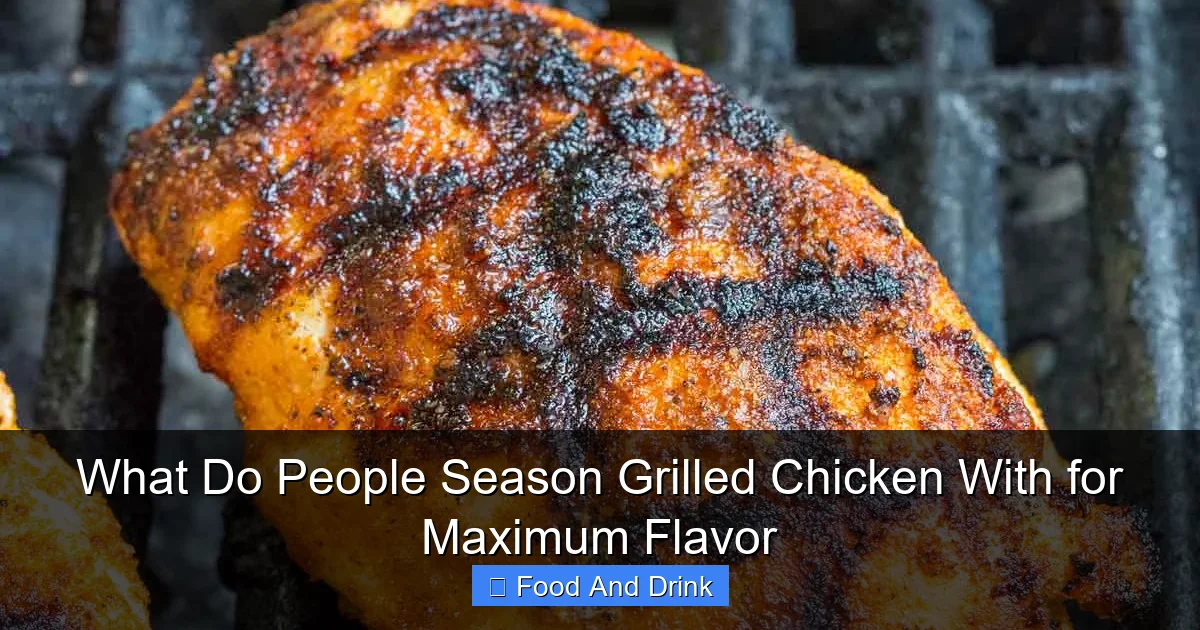
One of the easiest ways to season grilled chicken is with a spice blend. These pre-mixed combinations of spices save time and deliver consistent, bold flavor. Whether you buy them at the store or make your own, spice blends are a game-changer for busy cooks.
Popular store-bought blends include Italian seasoning, Cajun spice, jerk seasoning, and taco seasoning. Italian seasoning—typically a mix of oregano, basil, thyme, rosemary, and garlic—is perfect for Mediterranean-style grilled chicken. Cajun spice brings heat and smokiness with ingredients like cayenne, paprika, garlic, and onion powder. Jerk seasoning, inspired by Caribbean cuisine, combines allspice, thyme, Scotch bonnet peppers, and brown sugar for a sweet, spicy, and smoky profile.
DIY Spice Blends for Custom Flavor
Making your own spice blends at home gives you full control over the flavor and heat level. Here are a few easy recipes:
Smoky BBQ Rub:
– 2 tbsp smoked paprika
– 1 tbsp brown sugar
– 1 tbsp garlic powder
– 1 tbsp onion powder
– 1 tsp black pepper
– 1 tsp cumin
– 1/2 tsp cayenne (optional)
Herbes de Provence Blend:
– 1 tbsp dried lavender
– 1 tbsp dried thyme
– 1 tbsp dried rosemary
– 1 tsp dried marjoram
– 1 tsp dried savory
– 1/2 tsp dried basil
Simple All-Purpose Chicken Rub:
– 1 tbsp garlic powder
– 1 tbsp onion powder
– 1 tbsp paprika
– 1 tsp black pepper
– 1 tsp dried oregano
– 1/2 tsp cayenne
– 1 tsp salt
Store these blends in airtight containers for up to six months. They’re not just for chicken—use them on vegetables, fish, or even popcorn!
Applying Spice Blends
For best results, apply spice blends to chicken that’s been lightly oiled. This helps the spices stick and form a flavorful crust during grilling. Rub the blend evenly over all sides of the chicken, then let it sit for at least 15–30 minutes before cooking. This allows the flavors to penetrate the surface.
Marinades: Tenderizing and Flavoring

Visual guide about What Do People Season Grilled Chicken With for Maximum Flavor
Image source: jessicagavin.com
Marinades are liquid seasoning mixtures that do double duty: they flavor the chicken and help keep it moist during grilling. A good marinade typically includes three components: an acid, oil, and flavorings.
The acid—such as lemon juice, vinegar, yogurt, or buttermilk—breaks down the proteins in the chicken, making it more tender. It also adds brightness and helps the other flavors shine. Oil, like olive or avocado oil, coats the meat, preventing it from drying out and helping the marinade adhere. Flavorings can include herbs, spices, garlic, ginger, soy sauce, honey, or mustard.
Classic Marinade Recipes
Lemon-Herb Marinade:
– 1/4 cup olive oil
– Juice of 1 lemon
– 2 cloves garlic, minced
– 1 tbsp fresh rosemary, chopped
– 1 tbsp fresh thyme
– Salt and pepper to taste
Yogurt and Spice Marinade (Perfect for Tandoori-Style Chicken):
– 1 cup plain yogurt
– 2 tbsp lemon juice
– 1 tbsp garam masala
– 1 tsp cumin
– 1 tsp coriander
– 1 tsp turmeric
– 2 cloves garlic, minced
– 1-inch ginger, grated
– Salt to taste
Soy-Ginger Marinade (Asian-Inspired):
– 1/4 cup soy sauce
– 2 tbsp rice vinegar
– 1 tbsp honey or maple syrup
– 1 tbsp sesame oil
– 2 cloves garlic, minced
– 1-inch ginger, grated
– 1 green onion, chopped
Marinating Tips
Always marinate chicken in the refrigerator, never at room temperature. Use a resealable bag or airtight container to prevent leaks. For most chicken cuts, 30 minutes to 2 hours is sufficient. However, tougher cuts like thighs can benefit from marinating up to 24 hours. Avoid over-marinating, especially with acidic ingredients, as it can make the meat mushy.
Global Flavors: International Seasoning Styles
One of the most exciting things about grilling chicken is the ability to explore global cuisines through seasoning. Different cultures have unique flavor profiles that can turn a simple grilled chicken into an international delight.
Mediterranean Style
Mediterranean-seasoned grilled chicken often features olive oil, lemon, garlic, oregano, and fresh herbs. A classic Greek version might include lemon juice, olive oil, oregano, garlic, and a pinch of salt. Serve with tzatziki, pita, and a Greek salad for a complete meal.
Mexican and Latin American
For a Latin twist, use a blend of chili powder, cumin, smoked paprika, garlic, and lime juice. Add a touch of honey or brown sugar for balance. This style pairs well with corn salsa, black beans, and grilled peppers.
Middle Eastern and North African
Za’atar—a blend of thyme, sumac, sesame seeds, and salt—is a popular seasoning in Middle Eastern cuisine. Rub it on chicken with olive oil for a tangy, nutty flavor. Harissa, a North African chili paste made from roasted peppers, garlic, and spices, can be mixed with yogurt for a spicy marinade.
Asian-Inspired
Asian flavors often combine sweet, salty, and umami elements. A soy-ginger marinade with a touch of honey and sesame oil creates a glossy, flavorful glaze. For a Thai twist, add lemongrass, lime leaves, and fish sauce. Korean-style grilled chicken might use gochujang (fermented chili paste), garlic, and pear for sweetness.
Caribbean and Jamaican
Jerk seasoning is the star here, with allspice, Scotch bonnet peppers, thyme, and brown sugar. For a milder version, reduce the heat and add more herbs. Serve with mango salsa or coconut rice.
Timing and Technique: When and How to Season
Even the best seasonings won’t work if applied at the wrong time. Timing is crucial for maximum flavor absorption and texture.
Dry rubs and spice blends should be applied at least 15–30 minutes before grilling. This allows the salt to begin drawing out moisture and the spices to adhere to the surface. For deeper flavor, apply the rub the night before and let the chicken rest in the fridge uncovered. This also helps form a better crust on the grill.
Marinades need more time—anywhere from 30 minutes to 24 hours, depending on the ingredients and cut of chicken. Acidic marinades (like those with vinegar or citrus) should not exceed 2 hours for thin cuts like breasts, as they can start to “cook” the meat. Yogurt-based marinades are gentler and can be used longer.
Seasoning During and After Grilling
Don’t forget to season during and after grilling. A light sprinkle of flaky sea salt or a squeeze of fresh lemon juice right after the chicken comes off the grill enhances flavor and adds brightness. You can also brush on a glaze—like a honey-soy mixture or a spicy barbecue sauce—during the last few minutes of cooking for a sticky, caramelized finish.
Common Mistakes to Avoid
Even with the best intentions, it’s easy to make seasoning mistakes that can ruin grilled chicken. Here are a few to watch out for:
Over-seasoning with salt: Too much salt can make chicken inedible. Start with a moderate amount and taste as you go.
Using old spices: Spices lose their potency over time. Replace them every 6–12 months for maximum flavor.
Not letting chicken come to room temperature: Cold chicken straight from the fridge won’t absorb seasonings well and may cook unevenly. Let it sit for 20–30 minutes before grilling.
Skipping the oil: Without oil, spices won’t stick and the chicken may dry out.
Marinating too long: Over-marinating, especially with acidic ingredients, can make chicken mushy.
Conclusion
So, what do people season grilled chicken with? The answer is: just about everything! From simple salt and pepper to complex global spice blends, the seasoning possibilities are endless. The key is understanding how different ingredients work together and when to apply them. Whether you’re a beginner or a seasoned grill master, experimenting with herbs, spices, marinades, and timing will help you discover your signature grilled chicken flavor. Don’t be afraid to get creative—try a new blend, mix in a surprise ingredient, or take inspiration from a favorite cuisine. With the right seasoning, grilled chicken can be more than just a healthy option—it can be the star of the meal.
Frequently Asked Questions
What’s the difference between a dry rub and a marinade?
A dry rub is a mixture of dry spices applied directly to the chicken, while a marinade is a liquid mixture that includes oil, acid, and flavorings. Rubs form a crust; marinades tenderize and infuse moisture.
Can I use the same seasoning for chicken breasts and thighs?
Yes, most seasonings work for both, but thighs benefit from longer marinating times and stronger flavors due to their higher fat content.
Is it safe to reuse marinade that touched raw chicken?
No, unless you boil it first to kill bacteria. Otherwise, reserve a portion of marinade before adding raw chicken to use as a sauce.
Why does my grilled chicken taste bland?
It’s likely under-seasoned or not marinated long enough. Make sure to salt the chicken in advance and use enough spices or acidic ingredients to build flavor.
Can I season frozen chicken before grilling?
It’s best to thaw chicken first. Seasoning frozen meat won’t allow flavors to penetrate properly, and it may cook unevenly.
What’s a good seasoning for spicy grilled chicken?
Try a mix of cayenne, smoked paprika, garlic powder, onion powder, and a touch of brown sugar. For extra heat, add chili flakes or hot sauce to the marinade.