

Knowing how to tell if chicken cooked properly is essential for safe, delicious meals. This guide covers foolproof methods—from using a meat thermometer to checking color and texture—so you never serve undercooked or overdone chicken again.
Key Takeaways
- Use a meat thermometer: The most accurate way to ensure chicken is cooked safely is by checking that the internal temperature reaches 165°F (74°C).
- Check the color and texture: Fully cooked chicken should be white or opaque throughout, with no pink or translucent areas.
- Observe the juices: When pierced, cooked chicken releases clear juices, not pink or bloody ones.
- Follow proper cooking times: Cooking duration depends on the cut and method—breasts, thighs, and ground chicken all require different handling.
- Avoid common mistakes: Don’t rely solely on time or color; always verify doneness with a thermometer for safety.
- Rest the chicken: Letting cooked chicken rest for 5–10 minutes helps retain moisture and ensures even doneness.
- Store and reheat safely: Proper storage and reheating prevent foodborne illness and maintain quality.
Quick Answers to Common Questions
Is it safe to eat chicken if it’s slightly pink?
No, pink chicken may indicate undercooking. Always check the internal temperature with a thermometer to ensure it’s reached 165°F (74°C).
Can you tell if chicken is done by cutting it open?
Cutting can help check color and juices, but it’s not the safest method. It releases juices and can lead to dryness. Use a thermometer instead.
How long should chicken rest after cooking?
Let chicken rest for 5–10 minutes. This allows juices to redistribute, keeping the meat moist and flavorful.
Is it okay to cook chicken from frozen?
Yes, but it takes longer and requires careful monitoring. Use a thermometer to ensure it reaches 165°F (74°C) throughout.
Can you reheat chicken more than once?
It’s best to reheat only once. Repeated reheating increases the risk of bacterial growth and dries out the meat.
📑 Table of Contents
- How Do You Know If Chicken Cooked Perfectly Every Time?
- The Science Behind Safe Chicken Cooking
- The Most Reliable Method: Using a Meat Thermometer
- Visual and Physical Cues: What to Look and Feel For
- Cooking Methods and How They Affect Doneness
- Common Mistakes and How to Avoid Them
- Storing and Reheating Cooked Chicken Safely
- Conclusion
How Do You Know If Chicken Cooked Perfectly Every Time?
Cooking chicken seems simple—until you slice into it and find it’s still pink, or worse, dry and rubbery. Whether you’re grilling, baking, frying, or slow-cooking, getting chicken just right can feel like a guessing game. But it doesn’t have to be. With the right knowledge and tools, you can confidently serve perfectly cooked chicken every single time.
The key to success lies in understanding what “done” really means. It’s not just about time or color—it’s about safety, texture, and flavor. Undercooked chicken can harbor harmful bacteria like Salmonella and Campylobacter, while overcooked chicken becomes tough and dry. The good news? You don’t need to be a professional chef to master this. A few simple techniques and a reliable thermometer can make all the difference.
In this guide, we’ll walk you through every method to check if chicken is cooked, from the most accurate (using a thermometer) to visual and tactile cues. You’ll learn how to handle different cuts, avoid common pitfalls, and even how to store and reheat leftovers safely. By the end, you’ll never wonder, “Is this chicken done?” again.
The Science Behind Safe Chicken Cooking
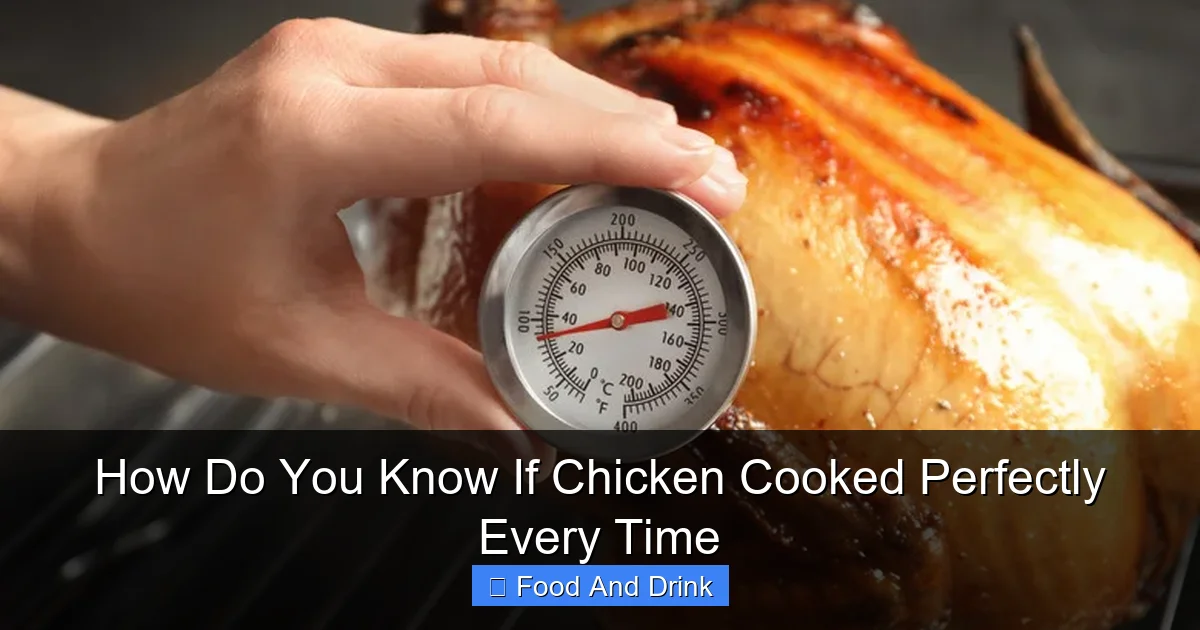
Visual guide about How Do You Know If Chicken Cooked Perfectly Every Time
Image source: mashed.com
Before we dive into the how-to, let’s talk about why cooking chicken properly matters. Chicken is a nutrient-rich protein, but it’s also a common carrier of foodborne pathogens. These bacteria thrive in raw or undercooked poultry and can cause serious illness if ingested.
The U.S. Department of Agriculture (USDA) and food safety experts agree: chicken must reach an internal temperature of 165°F (74°C) to be considered safe to eat. At this temperature, harmful bacteria are destroyed, making the meat safe for consumption. This isn’t just a suggestion—it’s a science-backed standard.
But why 165°F? It’s the temperature at which pathogens like Salmonella are instantly killed. Lower temperatures may reduce bacteria, but they don’t eliminate them completely. That’s why guessing based on time or appearance isn’t enough. Even if chicken looks white and firm, it might not have reached the safe temperature threshold, especially in thicker cuts like breasts or whole chickens.
How Bacteria Spread in Raw Chicken
Raw chicken often carries bacteria on its surface. When you handle it—chopping, marinating, or placing it on a cutting board—those bacteria can spread to your hands, utensils, and other foods. This is called cross-contamination, and it’s a leading cause of food poisoning.
That’s why it’s crucial to cook chicken thoroughly and clean everything it touches. But even with perfect hygiene, undercooked chicken is still a risk. The only way to be 100% sure your chicken is safe is to measure its internal temperature.
The Role of Carryover Cooking
Here’s a pro tip: chicken continues to cook even after it’s removed from heat. This is called carryover cooking, and it can raise the internal temperature by 5–10°F (3–6°C). For example, if you remove chicken from the oven at 160°F, it may reach 165°F during resting.
This means you can actually pull chicken off the heat a few degrees early—especially for thicker cuts—and let it finish cooking safely. Just remember to use a thermometer to monitor the final temperature.
The Most Reliable Method: Using a Meat Thermometer

Visual guide about How Do You Know If Chicken Cooked Perfectly Every Time
Image source: wikihow.com
If there’s one tool every home cook should own, it’s a digital instant-read meat thermometer. This small device takes the guesswork out of cooking and is the gold standard for knowing if chicken cooked perfectly.
Unlike old-fashioned dial thermometers, digital models give you a reading in seconds and are highly accurate. They’re affordable, easy to use, and can be used for everything from steak to casseroles.
How to Use a Thermometer Correctly
Using a thermometer isn’t just about sticking it in and reading the number. Placement matters. To get an accurate reading, insert the probe into the thickest part of the chicken, avoiding bones, fat, or gristle. These areas can give false readings.
For example, when checking a chicken breast, insert the thermometer from the side, aiming for the center. For a whole chicken, check the thigh and breast separately—the thigh should also reach 165°F, even though it’s darker meat.
Best Thermometer Types for Chicken
There are a few types of thermometers to consider:
– **Instant-read digital thermometers:** These are the most popular. They’re fast, accurate, and perfect for checking doneness at the end of cooking.
– **Oven-safe thermometers:** These stay in the chicken while it cooks, allowing you to monitor temperature without opening the oven.
– **Probe thermometers with alarms:** Great for grilling or smoking, these alert you when the chicken reaches the target temperature.
For most home cooks, an instant-read thermometer is the best choice. Look for one with a quick response time (under 5 seconds) and a temperature range that includes 165°F.
Common Thermometer Mistakes to Avoid
Even with a thermometer, mistakes can happen. Here are a few to watch out for:
– **Touching bone or fat:** This can give a false low reading. Always aim for the center of the meat.
– **Checking too early:** If you check before the chicken is nearly done, you might pull it off heat too soon.
– **Not calibrating:** Over time, thermometers can lose accuracy. Test yours in ice water (should read 32°F) or boiling water (212°F at sea level) to ensure it’s working correctly.
Visual and Physical Cues: What to Look and Feel For
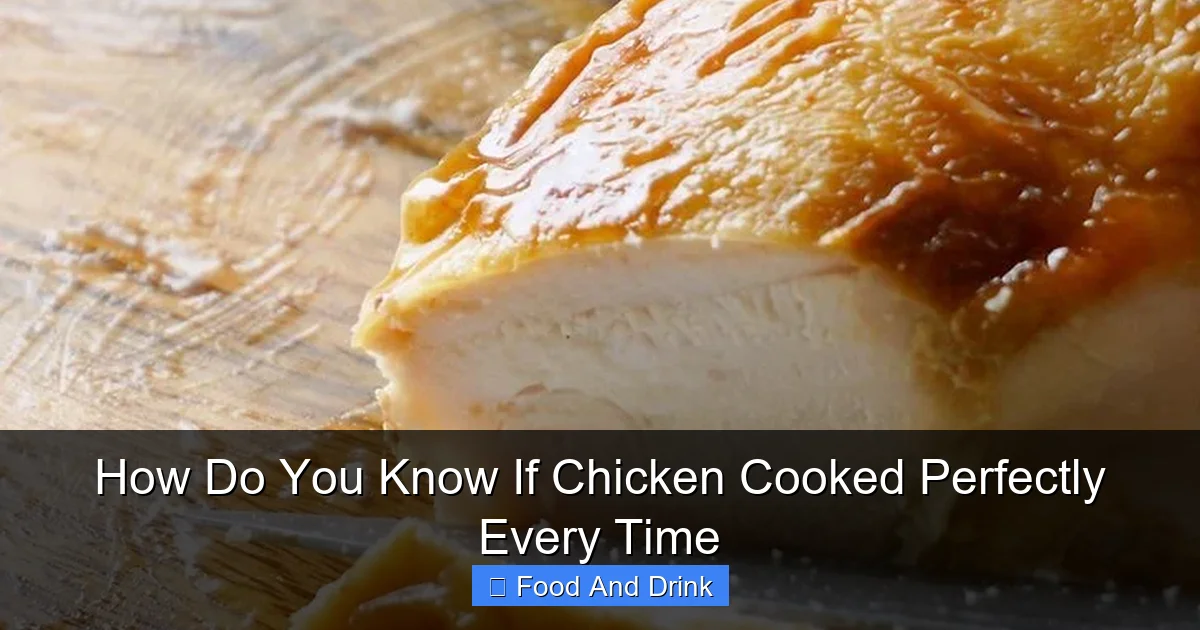
Visual guide about How Do You Know If Chicken Cooked Perfectly Every Time
Image source: wikihow.com
While a thermometer is the most reliable method, visual and physical cues can help you estimate doneness—especially if you don’t have a thermometer handy. These signs aren’t foolproof, but they’re useful when used alongside other methods.
Color and Opacity
Raw chicken is typically pink or grayish, with a translucent appearance. As it cooks, the proteins denature and the meat turns white or opaque. Fully cooked chicken should have no pink or translucent areas.
This is especially important for ground chicken, which can look done on the outside but still be undercooked in the center. Always check the interior.
Texture and Firmness
Cooked chicken becomes firmer as it heats up. Raw chicken feels soft and spongy, while properly cooked chicken feels springy and holds its shape.
You can test this by gently pressing the meat with a fork or tongs. If it springs back, it’s likely done. If it feels mushy or leaves an indentation, it needs more time.
Juices and Clear Liquid
When you pierce cooked chicken with a fork or knife, the juices that run out should be clear, not pink or bloody. Pink juices are a sign that the meat hasn’t reached a safe temperature.
This method works best for whole cuts like breasts or thighs. For ground chicken or casseroles, it’s harder to see, so a thermometer is still recommended.
Shrinkage and Separation
As chicken cooks, it shrinks and may pull away from the bone. This is normal and a good visual indicator that it’s cooking through. However, shrinkage alone doesn’t guarantee safety—always verify with a thermometer.
Cooking Methods and How They Affect Doneness
Different cooking methods require different approaches to checking doneness. What works for grilled chicken breasts may not apply to a slow-cooked whole chicken. Let’s break it down.
Baking and Roasting
Baking is one of the most common ways to cook chicken. Whether you’re roasting a whole bird or baking boneless breasts, the key is even heat distribution.
For boneless breasts, bake at 375°F (190°C) for 20–30 minutes, depending on thickness. Use a thermometer to check the center. For whole chickens, roast at 350°F (175°C) for about 20 minutes per pound. Check both the breast and thigh.
Grilling
Grilling adds great flavor, but it can be tricky. High heat can char the outside while the inside remains undercooked. To avoid this, use a two-zone fire: sear over direct heat, then move to indirect heat to finish cooking.
Check the internal temperature frequently, especially with thicker cuts. Flip only once to prevent drying out.
Pan-Frying and Sautéing
Pan-frying is great for quick meals, but it requires attention. Cook chicken over medium heat, covered, to trap steam and cook evenly. Flip once when the bottom is golden.
Use a thermometer to check the thickest part. If the chicken is browning too fast, reduce the heat and cover to finish cooking.
Slow Cooking and Instant Pot
Slow cookers and pressure cookers cook chicken gently, but timing varies. In a slow cooker, chicken breasts take 4–6 hours on low. In an Instant Pot, they take about 10–12 minutes under pressure.
Always check the temperature, even if the recipe says it’s done. Slow cooking can sometimes leave cold spots.
Deep Frying
Deep frying cooks chicken quickly, but oil temperature is critical. Maintain 350°F (175°C) and fry until golden and crisp. Use a thermometer to ensure the center reaches 165°F.
Common Mistakes and How to Avoid Them
Even experienced cooks make mistakes when cooking chicken. Here are the most common ones and how to fix them.
Relying Only on Cooking Time
Recipes give time estimates, but they’re not always accurate. Chicken size, thickness, and starting temperature (frozen vs. thawed) all affect cooking time. Always use a thermometer to verify doneness.
Overcooking and Drying Out
Overcooked chicken is dry and tough. To prevent this, remove chicken from heat when it’s 5°F below the target temperature and let it rest. The carryover cooking will finish the job.
Undercooking Due to Thick Cuts
Thick chicken breasts or whole chickens can fool you. The outside may look done, but the center is still raw. Butterfly thick breasts or pound them to an even thickness for faster, more even cooking.
Not Resting the Chicken
Resting allows juices to redistribute, keeping the meat moist. Let chicken rest for 5–10 minutes after cooking. Cover loosely with foil to keep warm.
Storing and Reheating Cooked Chicken Safely
Once your chicken is perfectly cooked, proper storage and reheating are just as important for safety and taste.
Refrigeration and Freezing
Store cooked chicken in an airtight container in the fridge for up to 4 days. For longer storage, freeze for up to 4 months. Label with the date to keep track.
Safe Reheating Methods
Reheat chicken to 165°F (74°C) to kill any bacteria that may have grown. Use the oven, microwave, or stovetop. Avoid reheating more than once.
Avoiding the Danger Zone
The “danger zone” is between 40°F and 140°F (4°C–60°C), where bacteria multiply rapidly. Don’t leave cooked chicken at room temperature for more than 2 hours (1 hour if it’s hot outside).
Conclusion
Knowing how to tell if chicken cooked perfectly is a skill every home cook should master. It’s about more than just taste—it’s about safety, confidence, and enjoying your meals without worry.
The best way to ensure doneness is by using a meat thermometer and checking that the internal temperature reaches 165°F (74°C). Visual cues like color, texture, and juices can help, but they’re not enough on their own.
Different cooking methods require different approaches, but the core principles remain the same: cook thoroughly, avoid cross-contamination, and let the chicken rest. With practice, you’ll develop a feel for when chicken is done, but always double-check with a thermometer.
By following these tips, you’ll serve juicy, safe, and delicious chicken every time—whether it’s a weeknight dinner or a holiday feast.
Frequently Asked Questions
What temperature should chicken be cooked to?
Chicken should reach an internal temperature of 165°F (74°C) to be safe to eat. This temperature kills harmful bacteria like Salmonella.
How do I know if ground chicken is cooked?
Ground chicken should be cooked to 165°F (74°C). It should be white throughout with no pink spots and clear juices when pierced.
Can I use a fork to check if chicken is done?
A fork can help test texture, but it’s not reliable for safety. Use a thermometer to confirm the internal temperature.
Why is my chicken still pink after cooking?
Pinkness can be caused by chemicals in the feed or myoglobin in the meat. However, always verify with a thermometer to ensure safety.
How long does it take to cook chicken breast?
Baked chicken breast takes 20–30 minutes at 375°F (190°C), depending on thickness. Always check with a thermometer.
Is it safe to eat chicken that smells a little off?
No. If chicken smells sour, slimy, or unpleasant, it may be spoiled. When in doubt, throw it out to avoid foodborne illness.