

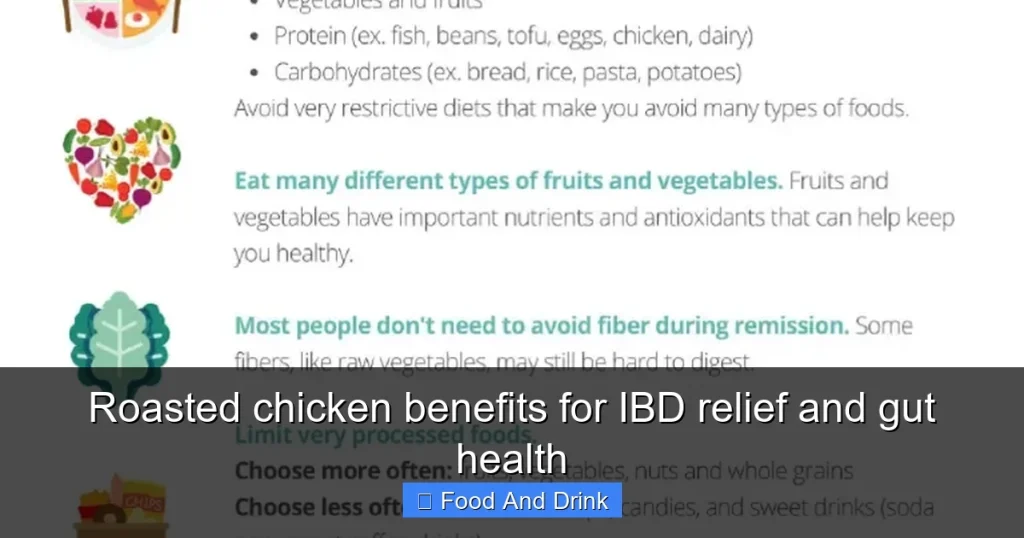

Roasted chicken benefits for IBD include easy digestion, high-quality protein, and essential nutrients that support gut healing and reduce inflammation. This lean, versatile protein is gentle on sensitive digestive systems and can be tailored to low-residue or anti-inflammatory diets.
Living with inflammatory bowel disease (IBD)—whether it’s Crohn’s disease or ulcerative colitis—can turn mealtime into a minefield. One wrong bite and you’re dealing with cramps, bloating, or worse. But what if there was a simple, delicious food that could actually help calm your gut instead of aggravating it? Enter roasted chicken: a humble kitchen staple that’s quietly becoming a go-to for people managing IBD.
You might be thinking, “Chicken? Really?” But hear me out. When prepared thoughtfully, roasted chicken offers a rare combination of nutrition, digestibility, and comfort—three things every IBD warrior needs. It’s not a miracle cure, of course, but it’s a powerful ally in your daily diet. Whether you’re in the middle of a flare or working to maintain remission, this lean protein can play a supportive role in healing your gut and boosting your overall well-being.
The key lies in how you prepare it. Skip the crispy skin, heavy spices, and creamy sauces during sensitive times. Instead, opt for simple seasonings, gentle cooking methods, and pairings that won’t overwhelm your digestive system. When done right, roasted chicken becomes more than just dinner—it becomes a tool for nourishment, stability, and even hope.
Key Takeaways
- Easy to digest: Roasted chicken is low in fiber and fat when skinless, making it gentle on inflamed intestines during IBD flares.
- Rich in high-quality protein: Supports tissue repair, muscle maintenance, and immune function—critical for those with Crohn’s or ulcerative colitis.
- Contains gut-supportive nutrients: Provides zinc, B vitamins, and selenium, which aid healing and reduce oxidative stress in the gut.
- Versatile and customizable: Can be seasoned simply or paired with low-FODMAP vegetables for a balanced, soothing meal.
- Promotes satiety and stable energy: Helps prevent malnutrition and fatigue common in IBD by providing steady, absorbable calories.
- Supports remission maintenance: When prepared without irritants (like spicy rubs or fatty skin), it fits well into long-term IBD management plans.
- Encourages meal consistency: A familiar, comforting food that reduces stress around eating—important for gut-brain axis health.
Quick Answers to Common Questions
Is roasted chicken safe during an IBD flare?
Yes, when prepared simply—skinless, unseasoned or mildly seasoned, and without fatty or spicy additions. It’s low in fiber and easy to digest, making it a good choice during flares.
Can I eat roasted chicken skin with IBD?
It’s best to avoid the skin during flares, as it’s high in fat and can be harder to digest. In remission, small amounts may be tolerated, but listen to your body.
What seasonings are safe for roasted chicken with IBD?
Use mild herbs like thyme, rosemary, or oregano. Avoid garlic, onion, chili, or black pepper if they trigger symptoms. A little lemon or turmeric (if tolerated) can add flavor and anti-inflammatory benefits.
How often can I eat roasted chicken with IBD?
You can include it several times a week as part of a balanced diet. Rotate with other lean proteins like fish or eggs to ensure variety and nutrient diversity.
Can roasted chicken help with IBD fatigue?
Yes. Its high protein and B vitamin content support energy production and muscle maintenance, helping combat fatigue common in IBD.
📑 Table of Contents
Why Protein Matters for IBD Management
If you’ve been diagnosed with IBD, your body is working overtime. Inflammation, frequent bowel movements, and nutrient malabsorption can lead to muscle loss, fatigue, and weakened immunity. That’s where protein steps in. It’s not just about building muscle—it’s about repairing damaged tissue, supporting immune cells, and keeping your energy levels stable.
But not all proteins are created equal. Some, like fatty cuts of red meat or processed sausages, can be hard to digest and may even worsen inflammation. Others, like beans or lentils, are high in fiber and can trigger symptoms during flares. That’s why lean, easily digestible proteins like roasted chicken are so valuable.
The Role of Protein in Gut Healing
When your gut lining is inflamed—common in IBD—it struggles to absorb nutrients efficiently. This can lead to deficiencies in key vitamins and minerals, especially if you’re avoiding certain foods due to symptoms. Protein helps rebuild the intestinal barrier, a critical step in reducing permeability (often called “leaky gut”) and preventing further irritation.
Amino acids—the building blocks of protein—are essential for producing enzymes, hormones, and immune molecules. For example, glutamine, found in poultry, is a preferred fuel source for intestinal cells. While roasted chicken isn’t the richest source of glutamine (that honor goes to bone broth or supplements), it still contributes to your overall amino acid intake, supporting cellular repair throughout the digestive tract.
Preventing Muscle Wasting and Fatigue
One of the most overlooked complications of IBD is muscle loss. Chronic inflammation increases protein breakdown in the body, and if you’re not consuming enough high-quality protein, your muscles pay the price. This can lead to weakness, slower recovery, and even reduced mobility.
Roasted chicken provides complete protein—meaning it contains all nine essential amino acids your body can’t make on its own. A 3-ounce serving (about the size of a deck of cards) delivers roughly 25 grams of protein, making it an efficient way to meet your daily needs without overloading your system.
Plus, because it’s low in fat and fiber, it’s less likely to cause bloating or discomfort. This makes it ideal for days when your appetite is low or your gut is extra sensitive.
How Roasted Chicken Supports Gut Health

Visual guide about Roasted chicken benefits for IBD relief and gut health
Image source: coolastro.com
Now, let’s talk about the gut—specifically, how roasted chicken can help soothe and support it. While it’s not a probiotic or prebiotic, it plays a quiet but crucial role in creating an environment where healing can happen.
Low Residue, High Nourishment
During IBD flares, many people follow a low-residue or low-fiber diet to give their digestive system a break. Roasted chicken fits perfectly into this approach. It’s virtually fiber-free and low in insoluble fat, especially when you remove the skin and trim visible fat.
This means it passes through your system with minimal irritation, reducing the workload on your intestines. At the same time, it delivers concentrated nutrition—something your body desperately needs when it’s fighting inflammation.
Think of it as a “reset” food: gentle enough to calm things down, but nourishing enough to keep you strong.
Anti-Inflammatory Potential
While chicken itself isn’t inherently anti-inflammatory, how you prepare it can influence its impact on inflammation. For example, roasting chicken with herbs like thyme, rosemary, or turmeric (in small amounts) can add natural compounds that help reduce oxidative stress.
Turmeric, in particular, contains curcumin, a compound studied for its potential to ease IBD symptoms. While you’d need a supplement for therapeutic doses, adding a pinch to your roasted chicken can contribute to a cumulative anti-inflammatory effect over time.
Avoiding high-heat cooking methods like deep-frying is also key. Frying can create advanced glycation end products (AGEs), which may promote inflammation. Roasting at moderate temperatures preserves the meat’s integrity and minimizes harmful byproducts.
Supports Gut Microbiome Balance
Your gut microbiome—the trillions of bacteria living in your digestive tract—plays a huge role in IBD. An imbalance (dysbiosis) is common in people with Crohn’s and colitis, and diet is one of the biggest factors influencing it.
While roasted chicken doesn’t feed good bacteria directly (that’s what prebiotics like garlic and onions do), it provides the protein needed for your body to produce short-chain fatty acids (SCFAs) when combined with fiber-rich foods during remission. SCFAs like butyrate are essential for colon health and can help reduce inflammation.
In other words, chicken isn’t the star of the microbiome show—but it’s a reliable supporting actor that helps the whole system function better.
Nutritional Benefits of Roasted Chicken for IBD

Visual guide about Roasted chicken benefits for IBD relief and gut health
Image source: chickenindia.org
Let’s break down what’s actually in that juicy, golden-brown chicken breast or thigh. Beyond protein, roasted chicken is packed with nutrients that are especially beneficial for people with IBD.
High in B Vitamins
Chicken is an excellent source of B vitamins, particularly B3 (niacin), B6 (pyridoxine), and B12 (cobalamin). These vitamins are crucial for energy production, nerve function, and red blood cell formation—all of which can be compromised in IBD due to malabsorption or chronic fatigue.
Vitamin B12, in particular, is a concern for people with Crohn’s, especially if the ileum (the last part of the small intestine) is affected. Since B12 is absorbed there, damage can lead to deficiency. Including B12-rich foods like chicken in your diet helps maintain adequate levels, especially if supplements aren’t an option.
Rich in Zinc and Selenium
Zinc is a mineral that plays a vital role in immune function, wound healing, and DNA synthesis. People with IBD often have low zinc levels due to diarrhea, poor absorption, or increased needs during inflammation. Just one serving of roasted chicken can provide up to 20% of your daily zinc requirement.
Selenium, another trace mineral found in chicken, acts as an antioxidant. It helps protect cells from damage caused by free radicals—molecules that increase during inflammation. Low selenium levels have been linked to more severe IBD symptoms, so getting enough through food is important.
Provides Iron (Especially in Dark Meat)
Iron deficiency anemia is common in IBD, often due to chronic blood loss in the gut or poor absorption. While chicken isn’t as iron-rich as red meat, dark meat (like thighs and legs) contains more heme iron—the type most easily absorbed by the body.
Pairing roasted chicken with vitamin C-rich foods (like a small side of steamed carrots or a squeeze of lemon) can further boost iron absorption. Just be mindful of portion sizes and preparation methods if you’re in a flare.
Best Ways to Prepare Roasted Chicken for IBD

Visual guide about Roasted chicken benefits for IBD relief and gut health
Image source: todayschicken.com
Now that we know why roasted chicken is beneficial, let’s talk about how to make it IBD-friendly. The goal is to maximize nutrition while minimizing irritation.
Choose the Right Cut
For most people with IBD, skinless chicken breast is the safest bet during flares. It’s lean, low in fat, and easy to digest. If you tolerate it, skinless thighs offer more flavor and a bit more iron, but they’re slightly higher in fat—so monitor your symptoms.
Avoid processed chicken products like nuggets, sausages, or deli meats. These often contain additives, high sodium, and hidden fats that can trigger symptoms.
Season Simply and Safely
Spices can be tricky. While some, like ginger or mild herbs, may be soothing, others—like black pepper, chili powder, or garlic—can irritate sensitive guts.
Stick to gentle seasonings:
– Salt (in moderation)
– Black pepper (use sparingly or omit if sensitive)
– Dried thyme, rosemary, or oregano
– A pinch of turmeric (if tolerated)
– Lemon juice or zest (for flavor and vitamin C)
Avoid heavy marinades with vinegar, sugar, or acidic ingredients if you’re in a flare. They can increase stomach acid and discomfort.
Roast, Don’t Fry
Roasting is one of the healthiest cooking methods. It uses dry heat to cook the meat evenly without adding extra fat. For best results:
– Preheat your oven to 375°F (190°C).
– Place chicken on a baking sheet or in a roasting pan.
– Add a splash of broth or water to keep it moist.
– Roast for 25–35 minutes, depending on size, until internal temperature reaches 165°F (74°C).
You can also use a slow cooker or Instant Pot for a hands-off approach. Just season the chicken, add a bit of liquid, and cook on low for 4–6 hours.
Pair with Gut-Friendly Sides
What you eat with your chicken matters just as much as the chicken itself. During flares, stick to low-residue, easily digestible sides:
– Steamed white rice or mashed potatoes
– Well-cooked carrots or zucchini
– Oatmeal or plain pasta
In remission, you can gradually reintroduce more variety:
– Quinoa or sweet potatoes
– Roasted low-FODMAP vegetables (like bell peppers or eggplant)
– A small green salad with olive oil and lemon dressing
Always listen to your body. If a side causes discomfort, scale back or try a different option.
Roasted Chicken in IBD Diet Plans
Roasted chicken isn’t just a standalone meal—it’s a flexible ingredient that fits into several IBD-friendly eating patterns.
Low-Residue Diet
This diet limits fiber and hard-to-digest foods to reduce bowel activity. Roasted chicken is a staple here because it’s low in residue and easy on the gut. Pair it with peeled, cooked vegetables and refined grains for a balanced, soothing meal.
Low-FODMAP Diet
Used to manage IBS-like symptoms in IBD, the low-FODMAP diet avoids certain carbohydrates that ferment in the gut. Chicken is naturally low-FODMAP, making it a safe protein choice. Just avoid high-FODMAP add-ons like onion or garlic powder.
Anti-Inflammatory Diet
This approach focuses on whole, nutrient-dense foods that reduce inflammation. Roasted chicken fits well when prepared with olive oil, herbs, and colorful vegetables. It provides high-quality protein without the inflammatory fats found in processed meats.
BRAT and Beyond
The BRAT diet (bananas, rice, applesauce, toast) is often recommended during flares, but it’s low in protein. Adding a small portion of roasted chicken can help prevent muscle loss and keep you nourished without overwhelming your system.
Real-Life Tips from the IBD Community
We asked people living with IBD how they use roasted chicken in their diets. Here’s what they shared:
– “I make a big batch on Sunday and use it all week—in salads, soups, or just with rice. It’s my go-to when I’m feeling low.”
– “I avoid the skin and any spicy seasonings. Simple salt, pepper, and a little rosemary work best for me.”
– “During flares, I eat plain roasted chicken with mashed potatoes. It’s comforting and doesn’t upset my stomach.”
– “I freeze portions so I always have a safe protein on hand. It reduces stress around meal planning.”
These stories highlight a common theme: roasted chicken is more than food—it’s a source of comfort, control, and consistency in the unpredictable world of IBD.
Potential Pitfalls and How to Avoid Them
While roasted chicken is generally safe, there are a few things to watch out for.
Overcooking
Dry, tough chicken is harder to chew and digest. Use a meat thermometer to avoid overcooking. Remove the chicken from the oven at 160°F (71°C)—it will continue to cook as it rests.
Hidden Ingredients
Store-bought rotisserie chicken may contain added sodium, preservatives, or flavor enhancers. Check the label or make your own at home for better control.
Cross-Contamination
If you’re following a strict low-FODMAP or low-residue diet, be careful about shared utensils or surfaces. Use clean cutting boards and avoid marinades with high-FODMAP ingredients.
Individual Tolerance
Everyone’s IBD is different. What works for one person may not work for another. Keep a food diary to track how roasted chicken affects your symptoms. If you notice bloating, gas, or discomfort, try adjusting the seasoning, portion size, or cooking method.
Conclusion
Roasted chicken may seem like an ordinary meal, but for people with IBD, it can be a powerful tool for healing and stability. Its high-quality protein, gentle digestibility, and rich nutrient profile make it a standout choice during flares and remission alike.
By preparing it simply, pairing it with gut-friendly sides, and listening to your body, you can turn this humble dish into a cornerstone of your IBD management plan. It’s not about restriction—it’s about finding foods that nourish, comfort, and support you through every stage of your journey.
So the next time you’re standing in the kitchen wondering what to make, consider reaching for that chicken. Roast it with care, savor each bite, and know that you’re doing something good for your gut—and your whole self.
Frequently Asked Questions
Is roasted chicken good for ulcerative colitis?
Yes, roasted chicken is often recommended for ulcerative colitis because it’s easy to digest and provides essential nutrients. It’s especially helpful during flares when the gut needs gentle, nourishing foods.
Can roasted chicken worsen Crohn’s disease symptoms?
Generally, no—when prepared simply. However, if seasoned with irritants like garlic, onion, or spicy spices, it could trigger symptoms in some people. Always tailor preparation to your tolerance.
Should I avoid roasted chicken if I’m on a low-FODMAP diet?
No, plain roasted chicken is low-FODMAP and safe to eat. Just avoid high-FODMAP ingredients like onion or garlic in the seasoning or marinade.
Is it better to eat white or dark meat roasted chicken for IBD?
White meat (like breast) is leaner and easier to digest during flares. Dark meat (like thighs) has more iron and flavor but slightly more fat—choose based on your symptoms and tolerance.
Can I freeze roasted chicken for later use?
Absolutely. Cooked roasted chicken freezes well for up to 3 months. Portion it into meal-sized containers for quick, safe meals during busy or symptomatic days.
Does roasted chicken help with nutrient absorption in IBD?
Indirectly, yes. By providing high-quality protein and key nutrients like zinc and B12, it supports overall health and healing, which can improve the body’s ability to absorb nutrients over time.


