

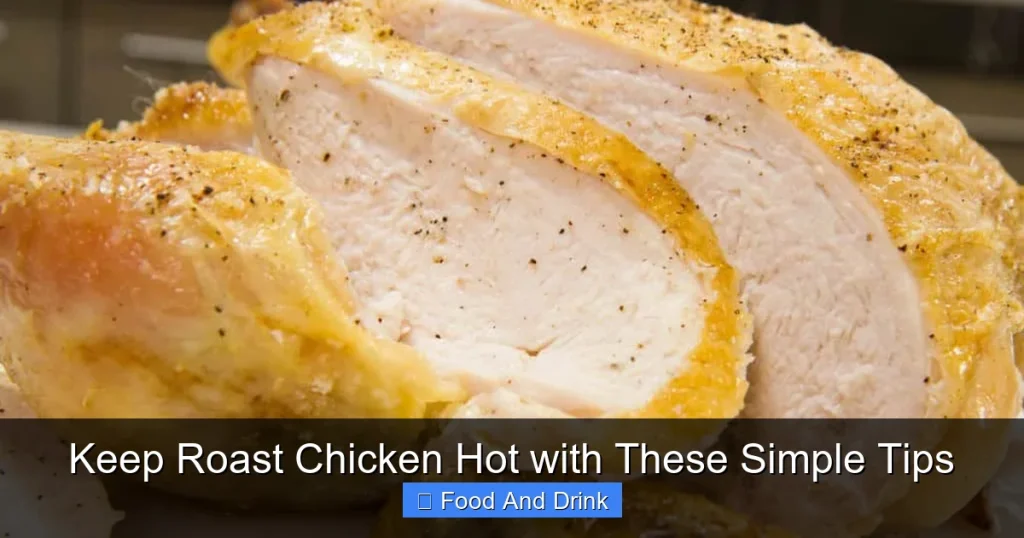

Roast chicken is a crowd-pleaser, but keeping it hot and juicy after cooking can be tricky. With the right techniques—like using foil, warming plates, or a slow cooker—you can serve perfectly warm chicken every time. These easy methods ensure your meal stays delicious, safe, and stress-free.
Key Takeaways
- Rest the chicken properly: Letting your roast chicken rest for 15–20 minutes after cooking helps retain juices and keeps it warm longer.
- Use aluminum foil to trap heat: Tenting the chicken with foil immediately after roasting slows heat loss and maintains temperature.
- Pre-warm serving dishes: Warm plates and platters absorb less heat from the chicken, helping it stay hot at the table.
- Keep it in the oven on low heat: If you’re not serving right away, store the chicken in a 170°F (77°C) oven to maintain safe serving temperature.
- Use a slow cooker or warming tray: These appliances are excellent for holding chicken at a consistent, safe temperature for hours.
- Avoid cutting too early: Slicing the chicken releases heat and juices—wait until just before serving to carve.
- Monitor internal temperature: Use a food thermometer to ensure chicken stays above 140°F (60°C) to prevent bacterial growth.
Quick Answers to Common Questions
How long can I keep roast chicken hot before serving?
You can safely keep roast chicken hot for up to 2 hours using methods like a low oven, slow cooker, or warming tray. Always ensure it stays above 140°F (60°C).
Can I reheat roast chicken if it cools down?
Yes, reheat it in a 350°F (175°C) oven until it reaches 165°F (74°C) internally. Add broth or cover with foil to prevent drying.
Is it safe to leave roast chicken at room temperature?
No. Cooked chicken should not sit at room temperature for more than 2 hours (1 hour if the room is above 90°F/32°C).
Should I cover roast chicken with foil while it rests?
Yes, but tent it loosely to avoid steaming the skin. Tenting traps heat without making the skin soggy.
Can I use a microwave to keep chicken warm?
Microwaves are not ideal for holding chicken warm over time—they can dry it out. Use them only for quick reheating, not long-term warming.
📑 Table of Contents
Why Keeping Roast Chicken Hot Matters
There’s nothing quite like the aroma of a golden, crispy-skinned roast chicken fresh from the oven. It’s a classic comfort food that brings families together, whether it’s Sunday dinner, a holiday feast, or a cozy weeknight meal. But here’s the catch: once that beautiful bird comes out of the oven, the clock starts ticking. Heat begins to escape, and within minutes, that juicy, tender meat can start to cool down—losing both flavor and appeal.
Keeping roast chicken hot isn’t just about serving it warm; it’s about preserving its texture, moisture, and safety. Cold chicken can feel dry and unappetizing, especially if the skin loses its crispness. More importantly, food safety plays a big role. According to the USDA, cooked poultry should be held at or above 140°F (60°C) to prevent the growth of harmful bacteria like Salmonella and Listeria. If chicken drops below this temperature for too long, it enters the “danger zone” (40°F to 140°F or 4°C to 60°C), where bacteria multiply rapidly.
So, how do you enjoy that perfect roast chicken without it turning lukewarm or, worse, unsafe to eat? The good news is that with a few smart, simple strategies, you can keep your roast chicken hot, juicy, and delicious from the oven to the table. Whether you’re hosting a dinner party or meal prepping for the week, these tips will help you serve a meal that’s as impressive as it is satisfying.
Let It Rest: The First Step to Keeping Chicken Hot
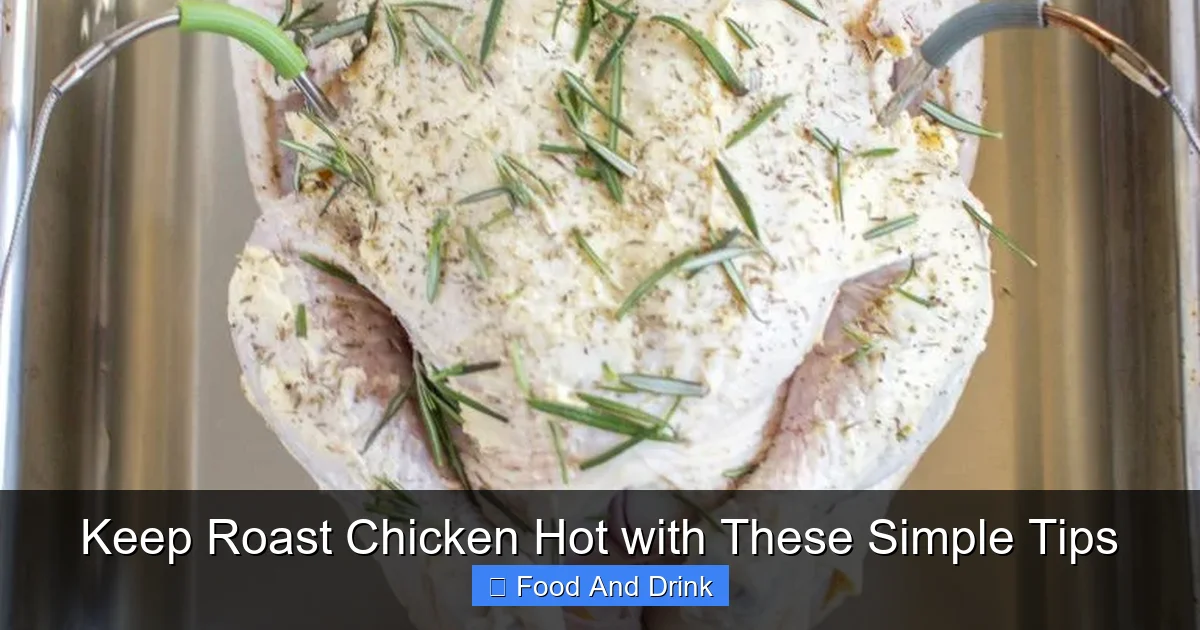
One of the most overlooked—but crucial—steps in roasting chicken is letting it rest. Many people are eager to carve and serve immediately, but this can actually work against you. When you first remove the chicken from the oven, the internal temperature continues to rise slightly due to residual heat. This is called “carryover cooking,” and it can add 5–10°F to the final temperature.
Visual guide about Keep Roast Chicken Hot with These Simple Tips
Image source: thekittchen.com
More importantly, resting allows the juices—which have been driven toward the center during cooking—to redistribute throughout the meat. If you slice too soon, those precious juices spill out onto the cutting board, leaving the chicken dry. But resting also helps keep the chicken warm longer. The internal heat takes time to dissipate, so a properly rested bird will stay hotter for a longer period.
How Long Should You Rest Roast Chicken?
For a whole roast chicken, aim to rest it for at least 15 to 20 minutes. Larger birds (over 5 pounds) may benefit from up to 30 minutes. Cover the chicken loosely with aluminum foil during this time—this is called “tenting”—to slow heat loss without trapping too much steam, which can make the skin soggy.
Place the chicken on a warm platter or cutting board, preferably one that’s been warmed slightly (more on that later). You can even rest it in the turned-off oven with the door slightly ajar to maintain ambient warmth. This simple pause not only improves texture and flavor but also gives you time to finish side dishes or set the table—making your meal prep more relaxed and enjoyable.
Pro Tip: Rest in the Roasting Pan
If you roasted your chicken on a bed of vegetables or in a flavorful liquid (like broth or wine), leave it in the pan while it rests. The pan retains heat and helps keep the chicken warm. Plus, those pan juices can be used to make a quick gravy or sauce—just skim off excess fat and simmer with a bit of flour or cornstarch to thicken. This not only adds flavor but also helps insulate the chicken with a warm, savory coating.
Use Aluminum Foil to Trap Heat
Aluminum foil is one of the most effective tools for keeping roast chicken hot—and it’s probably already in your kitchen drawer. When used correctly, foil acts as a heat-retaining barrier, slowing down the rate at which the chicken cools. It’s especially useful during the resting phase or when transporting chicken to a dinner party.

Visual guide about Keep Roast Chicken Hot with These Simple Tips
Image source: dinnerthendessert.com
The key is to tent the chicken, not wrap it tightly. Tenting means draping the foil loosely over the chicken so there’s a small air pocket between the foil and the meat. This allows steam to escape, preventing the skin from becoming rubbery or soggy. A tight wrap, on the other hand, traps moisture and can turn that beautiful crispy skin into a disappointing texture.
How to Tent Chicken with Foil
After removing the chicken from the oven, place it on a serving platter or cutting board. Crumple a sheet of aluminum foil slightly to create a dome shape, then gently place it over the chicken. Make sure the foil doesn’t touch the skin—especially if it’s crispy. Leave the legs and wings exposed if possible, or fold the foil around them loosely.
For extra insulation, you can double up the foil or place a clean kitchen towel over the foil. The towel adds another layer of insulation and absorbs any excess moisture. Just be sure the towel is dry and clean to avoid contamination.
When to Use Foil vs. Other Methods
Foil tenting works best for short-term heat retention—up to about 30–45 minutes. If you need to keep the chicken warm for longer, consider combining foil with other methods, like placing it in a low oven or using a warming tray. Also, avoid using foil if you’re planning to crisp up the skin again—reheating under foil will soften it. In that case, remove the foil and reheat in a hot oven for 10–15 minutes before serving.
Pre-Warm Your Serving Dishes
Have you ever noticed how a cold plate can make hot food feel cooler almost instantly? That’s because heat transfers from the food to the cooler surface. The same principle applies to roast chicken. If you serve it on a cold platter or plate, the chicken will lose heat faster, cooling down more quickly than if it were placed on a warm surface.
Visual guide about Keep Roast Chicken Hot with These Simple Tips
Image source: iheartrecipes.com
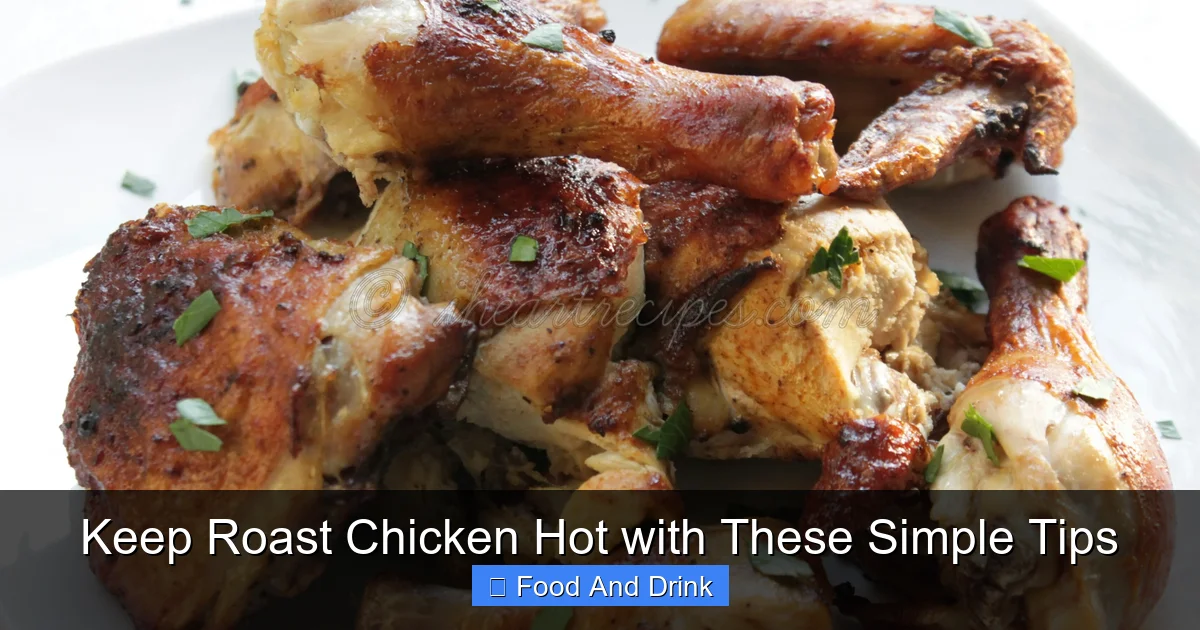
Pre-warming your serving dishes is a simple but effective way to keep roast chicken hot at the table. It’s especially helpful during large gatherings when the chicken might sit out for a while before everyone is ready to eat.
How to Warm Plates and Platters
There are several easy ways to warm your dishes:
- In the oven: Place plates or a serving platter in a low oven (around 200°F or 95°C) for 10–15 minutes before serving. This gently warms them without risking breakage.
- In the dishwasher: Run your plates through a hot wash and dry cycle, then remove them just before serving. The residual heat will keep them warm.
- With hot water: Fill a sink or large bowl with hot (not boiling) water and submerge the plates for a few minutes. Dry them thoroughly before use.
- With a warming drawer: If your oven has a warming drawer, use it to keep plates at a steady 170°F (77°C).
Bonus Tip: Warm the Carving Board Too
If you’re carving the chicken at the table, consider warming your carving board as well. A warm board helps maintain the chicken’s temperature while you slice, and it also prevents the meat from sticking. You can warm it in the oven or place it on a heating pad set to low.
Keep It in the Oven on Low Heat
If you’re not ready to serve your roast chicken right away, the oven can be your best friend—as long as you use it correctly. Many people make the mistake of leaving chicken in a hot oven, which can dry it out or overcook it. Instead, use the oven as a warming station by setting it to a low, safe temperature.
The ideal temperature for holding cooked chicken is between 140°F and 170°F (60°C to 77°C). This range keeps the chicken hot enough to be safe and enjoyable without continuing to cook it. Most ovens have a “warm” or “low” setting that falls within this range, or you can use an oven thermometer to monitor the temperature.
How to Use the Oven to Keep Chicken Hot
After roasting and resting, place the whole chicken (or carved pieces) on a heatproof platter or in a baking dish. Cover loosely with foil to retain moisture and heat. Set the oven to 170°F (77°C) and place the chicken inside. Check the internal temperature with a food thermometer every 30 minutes to ensure it stays above 140°F (60°C).
You can keep chicken in the oven like this for up to 2 hours, though it’s best to serve it within the first hour for optimal texture. If the skin starts to soften, remove the foil for the last 10–15 minutes to help it crisp up again.
Alternative: Use the Oven’s Residual Heat
If your oven doesn’t have a low setting, turn it off after roasting and leave the chicken inside with the door closed. The residual heat will keep the chicken warm for 30–45 minutes. For longer holding, crack the door slightly to prevent overcooking and use a thermometer to monitor the temperature.
Use a Slow Cooker or Warming Tray
For longer events or when you need to keep chicken hot for several hours, a slow cooker or electric warming tray is a game-changer. These appliances are designed to maintain a consistent, safe temperature—perfect for buffet-style meals, holiday dinners, or potlucks.
Slow cookers, in particular, are excellent for holding cooked chicken. They use low, steady heat and often have a “warm” setting that keeps food at around 165°F (74°C)—well above the danger zone. Warming trays work similarly, using electric coils to heat a metal or ceramic surface.
How to Use a Slow Cooker to Keep Chicken Hot
After roasting and resting, transfer the chicken to the slow cooker. If it’s a whole bird, you can place it breast-side up. For carved pieces, arrange them in a single layer. Add a splash of broth, wine, or pan juices to keep the meat moist. Cover with the lid and set the slow cooker to “warm.”
The chicken can safely stay in the slow cooker on warm for up to 4 hours. Just avoid leaving it beyond that time, as prolonged holding can affect texture. If you’re concerned about dryness, baste the chicken with liquid every hour or so.
Using a Warming Tray
Warming trays are ideal for keeping plated chicken hot at the table. Place the platter directly on the tray and turn it on. Most trays have adjustable temperature settings, so choose one that keeps the food above 140°F (60°C). Be sure the tray is stable and away from table edges to prevent accidents.
Some warming trays come with covers or domes, which help trap heat and moisture. These are especially useful for keeping skin crispy while maintaining warmth.
Avoid Cutting Too Early
It’s tempting to carve the chicken as soon as it comes out of the oven—especially when your family is hungry and the aroma is irresistible. But slicing too early can actually cause the chicken to cool faster and lose moisture.
When you cut into the chicken, you expose the inner meat to air and room temperature. Heat escapes more quickly from cut surfaces, and juices that would otherwise stay trapped inside begin to leak out. This not only dries out the meat but also reduces its warmth.
When to Carve Your Roast Chicken
Wait until just before serving to carve the chicken. If you’ve rested it properly (15–20 minutes), the internal temperature will be stable, and the juices will be redistributed. Carve at the table for a dramatic presentation, or do it in the kitchen if you prefer.
If you must carve ahead of time, keep the pieces covered with foil and place them in a low oven or warming tray. Add a bit of broth or pan sauce to prevent drying.
Carving Tips for Maximum Heat Retention
- Use a sharp knife to make clean cuts—this reduces tearing and heat loss.
- Carve the chicken into larger pieces (like halves or quarters) instead of individual slices if you’re holding it for a while.
- Keep the skin intact as much as possible—it acts as a natural insulator.
Monitor Temperature for Safety
No matter which method you use to keep roast chicken hot, food safety should always be a top priority. Bacteria grow rapidly between 40°F and 140°F (4°C and 60°C), so it’s essential to keep cooked chicken out of this “danger zone” as much as possible.
The USDA recommends that hot foods be held at or above 140°F (60°C) during service. Use a food thermometer to check the internal temperature of the chicken periodically, especially if it’s been sitting out for more than an hour.
How to Use a Food Thermometer
Insert the thermometer into the thickest part of the meat, avoiding bones and fat. For a whole chicken, check the breast and thigh. The safe internal temperature for cooked poultry is 165°F (74°C), but once it’s reached that point, you can hold it at 140°F (60°C) or higher.
If the temperature drops below 140°F (60°C), reheat the chicken to 165°F (74°C) before serving. You can do this in the oven, on the stovetop, or in a microwave (though microwaving may affect texture).
Signs Your Chicken Is No Longer Safe
Even if the temperature is safe, watch for signs of spoilage:
- Unpleasant or sour smell
- Slimy texture on the surface
- Discoloration or mold
If you notice any of these, discard the chicken immediately—even if it was properly cooked and stored.
Conclusion
Keeping roast chicken hot doesn’t have to be complicated or stressful. With a few simple techniques—like resting the bird, using foil, warming dishes, and monitoring temperature—you can serve a delicious, safe, and satisfying meal every time. Whether you’re hosting a holiday dinner or enjoying a quiet family meal, these tips will help your roast chicken stay juicy, flavorful, and perfectly warm from the first bite to the last.
Remember, the goal isn’t just to keep the chicken hot—it’s to preserve its quality, safety, and enjoyment. By planning ahead and using the right tools, you can turn a simple roast chicken into a show-stopping centerpiece that your guests will rave about. So next time you pull that golden bird from the oven, take a deep breath, follow these tips, and savor the moment. Your perfect roast chicken is worth the wait.
Frequently Asked Questions
What’s the best way to keep a whole roast chicken hot for a dinner party?
The best method is to rest it for 20 minutes, tent with foil, and place it in a 170°F (77°C) oven until serving. This keeps it safe, juicy, and warm for up to 2 hours.
Can I keep roast chicken warm in a slow cooker overnight?
No. Food should not be held in a slow cooker on warm for more than 4 hours. After that, bacteria can grow, even at safe temperatures.
Does covering chicken with foil make the skin soggy?
It can if wrapped tightly. Always tent the foil loosely to allow steam to escape and preserve crispiness.
How do I keep carved chicken pieces hot?
Arrange them in a single layer on a warm platter, cover loosely with foil, and place in a low oven or warming tray. Add a bit of broth to prevent drying.
Is it okay to reheat roast chicken more than once?
It’s safe to reheat once, but repeated reheating can dry out the meat. Store leftovers properly and reheat only what you’ll eat.
What temperature should roast chicken be when served?
It should be served hot, at or above 140°F (60°C). The internal temperature when cooked should reach 165°F (74°C) for safety.


