



Roast chicken is not fried—it’s baked or roasted in the oven, not submerged in oil. This method uses dry heat to create a crispy skin and juicy meat, making it a healthier and more flavorful option than fried chicken.
Key Takeaways
- Roast chicken is baked, not fried: It’s cooked using dry heat in an oven, not oil, which gives it a crispy exterior and tender interior.
- Different cooking methods, different results: Frying uses hot oil for a crunchy crust, while roasting enhances natural flavors and keeps meat moist.
- Health benefits of roasting: Roasting uses little to no added fat, making it a healthier choice compared to deep-frying.
- Flavor development through browning: The Maillard reaction during roasting creates rich, savory flavors that frying can’t fully replicate.
- Versatility in seasoning and stuffing: Roast chicken can be flavored with herbs, spices, and aromatics, offering endless customization.
- Perfect for meal prep and leftovers: A whole roasted chicken can be used in soups, salads, sandwiches, and more throughout the week.
- Simple technique, impressive results: With basic ingredients and oven time, anyone can make a restaurant-quality roast chicken at home.
Quick Answers to Common Questions
Is roast chicken fried?
No, roast chicken is not fried. It’s cooked using dry heat in an oven, which gives it a crispy skin and juicy meat without the need for oil.
What’s the difference between roasting and frying chicken?
Roasting uses dry heat to cook the chicken slowly, while frying submerges it in hot oil for a crispy, greasy coating. Roasting is generally healthier and more flavorful.
How long does it take to roast a chicken?
A typical 4-pound chicken takes about 1 hour and 15 minutes to roast at 350°F, but always use a meat thermometer to check for doneness.
Can you make roast chicken without butter or oil?
Yes! While a little fat helps crisp the skin, you can roast chicken with just salt, pepper, and herbs for a lighter version.
What temperature should roast chicken be cooked to?
Chicken should reach an internal temperature of 165°F (74°C) in the thickest part of the thigh to be safe to eat.
📑 Table of Contents
- Is Roast Chicken Fried or Baked to Perfection?
- What Is Roast Chicken? A Closer Look
- Roast Chicken vs. Fried Chicken: What’s the Difference?
- The Science Behind Perfect Roast Chicken
- How to Roast Chicken at Home: A Step-by-Step Guide
- Creative Ways to Enjoy Roast Chicken
- Conclusion: Why Roast Chicken Reigns Supreme
Is Roast Chicken Fried or Baked to Perfection?
When you walk into a cozy kitchen on a Sunday afternoon, the rich, savory aroma of a golden-brown chicken slowly turning in the oven is hard to beat. The skin crackles, the meat glistens, and your mouth waters in anticipation. But here’s a question that often pops up in home kitchens and dinner table conversations: *Is roast chicken fried?*
The short answer? No—roast chicken is not fried. It’s baked, or more accurately, *roasted* in the oven using dry heat. Unlike fried chicken, which is submerged in hot oil to achieve its crispy coating, roast chicken relies on the oven’s consistent heat to cook the meat evenly and develop a deliciously crisp skin. This method preserves the chicken’s natural juices while enhancing its flavor through slow, gentle cooking.
So why the confusion? Well, both fried and roasted chicken are beloved comfort foods with crispy exteriors and tender meat. But the techniques, ingredients, and outcomes are quite different. Roasting is a dry-heat cooking method that transforms a whole chicken into a centerpiece dish with minimal effort and maximum flavor. It’s a timeless tradition in homes around the world—from British Sunday roasts to American holiday dinners—and it’s easier than you might think to master.
In this article, we’ll dive deep into what makes roast chicken special, how it differs from fried chicken, and why roasting is often the preferred method for home cooks and chefs alike. Whether you’re a beginner or a seasoned cook, understanding the science and art behind roast chicken will help you create a dish that’s not only delicious but also nutritious and satisfying.
What Is Roast Chicken? A Closer Look
Visual guide about Is Roast Chicken Fried or Baked to Perfection
Image source: familydinners.com
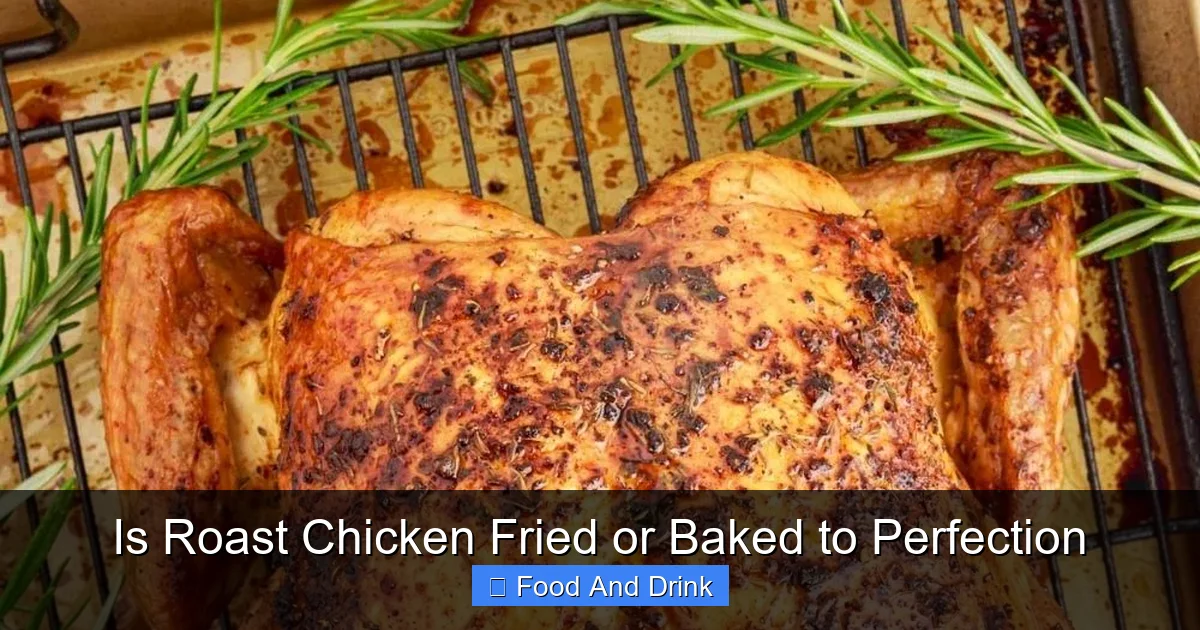
Roast chicken is exactly what it sounds like: a whole chicken that’s been cooked in an oven using dry heat. The term “roast” refers to the cooking method, not the seasoning or preparation style. It’s one of the most fundamental techniques in cooking, dating back centuries and found in nearly every culinary tradition.
The Basics of Roasting
Roasting involves placing the chicken on a rack inside a roasting pan and cooking it uncovered in a preheated oven. The heat circulates around the bird, cooking it evenly from all sides. As the chicken cooks, the skin renders its fat, crisps up, and turns a beautiful golden brown. Meanwhile, the internal temperature rises slowly, ensuring the meat stays juicy and tender.
Most roast chickens are cooked at temperatures between 350°F and 425°F (175°C to 220°C). Lower temperatures (around 325°F) result in slower, more even cooking, while higher temperatures (400°F+) help crisp the skin quickly. Many recipes recommend starting at a high temperature to jumpstart browning, then lowering the heat to finish cooking gently.
Why Roasting Works So Well
Roasting is ideal for whole chickens because it allows the meat to cook uniformly without drying out. The skin acts as a natural barrier, trapping moisture inside while the outside crisps up. This dual effect—crispy skin and succulent meat—is what makes roast chicken so irresistible.
Additionally, roasting enhances the chicken’s natural flavors. As the meat cooks, amino acids and sugars on the surface undergo the Maillard reaction, a chemical process that creates complex, savory flavors and that signature golden-brown color. This reaction is responsible for the rich, umami taste that makes roast chicken so satisfying.
Common Ingredients and Seasonings
While the chicken itself is the star, a few simple ingredients can elevate the dish:
– **Salt and pepper:** The foundation of flavor. Seasoning the chicken inside and out ensures every bite is tasty.
– **Herbs:** Fresh rosemary, thyme, sage, or parsley add aromatic depth.
– **Aromatics:** Onions, garlic, lemons, or apples stuffed inside the cavity infuse the meat with flavor as they cook.
– **Butter or oil:** A light coating helps the skin crisp up and adds richness.
– **Vegetables:** Carrots, potatoes, and celery can be roasted alongside the chicken for a complete meal.
These ingredients don’t just add taste—they also contribute to the cooking process. For example, stuffing the cavity with lemon and herbs steams the meat from the inside, keeping it moist.
Roast Chicken vs. Fried Chicken: What’s the Difference?

Visual guide about Is Roast Chicken Fried or Baked to Perfection
Image source: easychickenrecipes.com
Now that we’ve established that roast chicken is baked, not fried, let’s compare the two methods side by side. While both result in delicious chicken, the techniques, textures, and nutritional profiles are quite different.
Cooking Method
The most obvious difference is the cooking method. Fried chicken is cooked by submerging pieces of chicken in hot oil, usually at temperatures between 325°F and 375°F. This rapid cooking method creates a thick, crunchy crust almost instantly. The oil penetrates the coating, giving it a rich, greasy texture.
Roast chicken, on the other hand, is cooked in dry heat. There’s no oil bath—just hot air circulating in the oven. The skin crisps slowly as the fat renders out, and the meat cooks from the outside in. This slower process allows for more even cooking and better moisture retention.
Texture and Flavor
Fried chicken is known for its ultra-crispy, crunchy exterior and tender, juicy interior. The breading or batter absorbs oil, creating a satisfyingly greasy bite. The flavor is often bold, thanks to seasonings in the coating and the richness of the frying oil.
Roast chicken has a different kind of crispness—lighter and more delicate. The skin is golden and crackly, but not greasy. The meat is moist and flavorful, with a clean, savory taste that highlights the chicken’s natural qualities. Because there’s no heavy coating, you can really taste the bird itself, especially if it’s seasoned well.
Nutritional Comparison
When it comes to health, roast chicken generally has the edge. Frying adds significant fat and calories due to oil absorption. A single piece of fried chicken can contain 300–500 calories, depending on size and coating. Roast chicken, especially if the skin is removed, is much leaner. A 3-ounce serving of roasted chicken breast has about 140 calories and 3 grams of fat, compared to 250+ calories and 15+ grams of fat in fried chicken.
Roasting also preserves more nutrients. The slow, gentle heat doesn’t destroy vitamins and minerals as much as high-temperature frying can. Plus, you can control the amount of added fat—using just a little butter or oil, or none at all.
Time and Effort
Fried chicken requires more prep work. You need to coat the chicken in flour or batter, heat a large amount of oil, and monitor the frying process carefully to avoid undercooking or burning. It’s also messier, with oil splatters and strong odors.
Roast chicken is simpler. You season the bird, place it in a pan, and let the oven do the work. There’s no need for deep-frying equipment or constant stirring. Cleanup is easier, and the kitchen stays relatively tidy.
Versatility
Both methods are versatile, but in different ways. Fried chicken is often served as a main dish with sides like mashed potatoes, coleslaw, or biscuits. It’s also popular in sandwiches and salads.
Roast chicken is incredibly flexible. A whole roasted chicken can be served immediately, or the meat can be shredded and used in tacos, soups, casseroles, or sandwiches. The bones can be saved to make rich, flavorful stock. It’s a true multitasker in the kitchen.
The Science Behind Perfect Roast Chicken
Visual guide about Is Roast Chicken Fried or Baked to Perfection
Image source: familydinners.com
Making a great roast chicken isn’t just about following a recipe—it’s about understanding the science that makes it work. From temperature control to moisture retention, a few key principles can turn an average bird into a masterpiece.
The Role of Heat
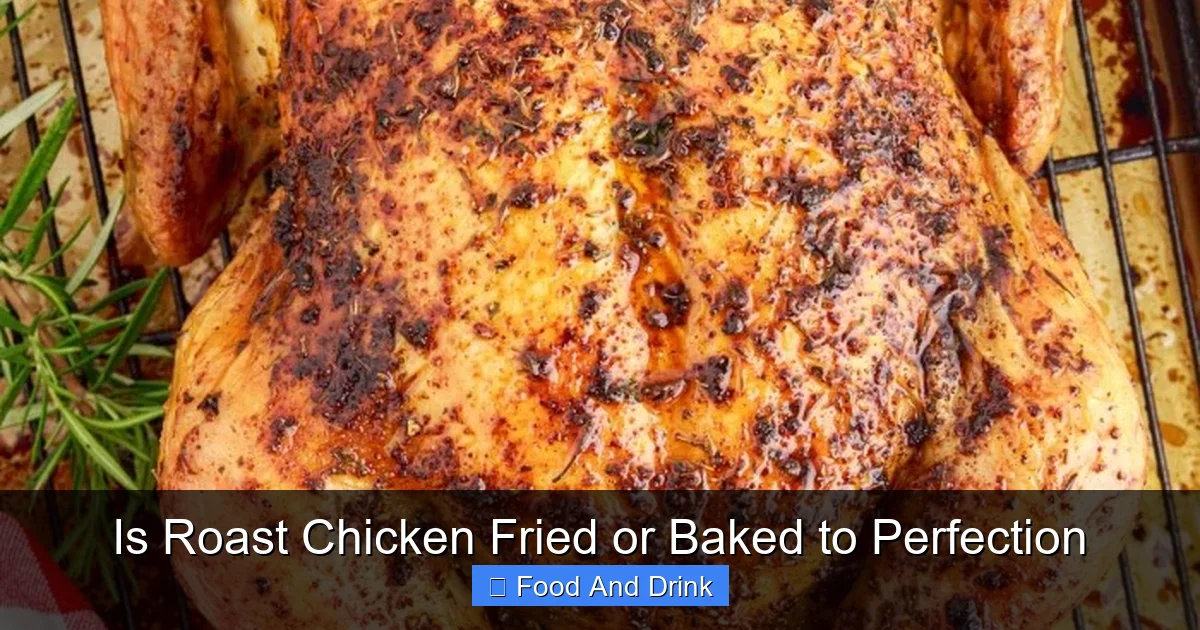
Heat is the driving force behind roasting. As the oven heats up, it transfers energy to the chicken’s surface, causing water to evaporate and fats to melt. This process, called rendering, is what crisps the skin. At the same time, heat penetrates inward, cooking the meat slowly and evenly.
The ideal roasting temperature balances browning and moisture. Too high, and the skin burns before the inside is done. Too low, and the skin stays pale and rubbery. Most experts recommend starting at 425°F (220°C) for the first 20–30 minutes to kickstart browning, then reducing to 350°F (175°C) to finish cooking gently.
The Maillard Reaction
One of the most important chemical reactions in cooking is the Maillard reaction. It occurs when amino acids and sugars on the surface of the chicken are exposed to high heat, creating new flavor compounds and a rich, brown color. This is what gives roast chicken its deep, savory taste.
To maximize the Maillard reaction, it’s important to dry the chicken thoroughly before roasting. Moisture on the skin prevents browning, so patting the bird dry with paper towels is a crucial step. Some cooks even leave the chicken uncovered in the fridge overnight to dry out the skin further.
Moisture Retention
One of the biggest challenges in roasting is keeping the meat juicy. Chicken, especially the breast, can dry out quickly if overcooked. To prevent this, many recipes use techniques like brining, basting, or spatchcocking.
– **Brining:** Soaking the chicken in a saltwater solution (with optional sugar and herbs) before cooking helps the meat retain moisture. The salt changes the protein structure, allowing the chicken to hold onto more water during cooking.
– **Basting:** Pouring pan juices or melted butter over the chicken during roasting adds flavor and keeps the surface moist. However, opening the oven door too often can drop the temperature and slow cooking.
– **Spatchcocking:** This technique involves removing the backbone and flattening the chicken so it cooks more evenly. It reduces cooking time and ensures both the white and dark meat are done at the same time.
Internal Temperature Matters
The best way to ensure your roast chicken is perfectly cooked is to use a meat thermometer. The USDA recommends cooking chicken to an internal temperature of 165°F (74°C). However, many chefs pull the chicken out at 160°F (71°C), knowing it will continue to rise a few degrees as it rests.
Insert the thermometer into the thickest part of the thigh, avoiding the bone. Once it reaches the target temperature, remove the chicken from the oven and let it rest for 10–15 minutes. This allows the juices to redistribute, resulting in more tender and flavorful meat.
How to Roast Chicken at Home: A Step-by-Step Guide
Ready to try roasting your own chicken? It’s easier than you think. With a few simple steps, you can create a juicy, flavorful roast chicken that’s perfect for dinner or meal prep.
Step 1: Choose the Right Chicken
Start with a high-quality, fresh or thawed whole chicken. Look for one that’s plump and evenly shaped, with smooth, unblemished skin. Organic or free-range chickens often have better flavor and texture, but conventional birds work just fine too.
Step 2: Prep the Chicken
Remove the chicken from its packaging and pat it dry with paper towels. This is essential for crispy skin. Trim any excess fat or loose skin around the neck and cavity.
Season generously with salt and pepper, both inside and out. For extra flavor, rub the skin with softened butter or olive oil, and stuff the cavity with aromatics like lemon halves, garlic cloves, and fresh herbs.
Step 3: Truss the Chicken (Optional)
Trussing—tying the legs together with kitchen twine—helps the chicken cook evenly and keeps the shape intact. It’s not required, but it can improve presentation and prevent the legs from drying out.
Step 4: Preheat the Oven
Preheat your oven to 425°F (220°C). Place a roasting rack inside a roasting pan to allow air to circulate under the chicken. This helps the skin crisp up evenly.
Step 5: Roast the Chicken
Place the chicken breast-side up on the rack. Roast for 20–30 minutes at 425°F to start browning the skin. Then, reduce the heat to 350°F (175°C) and continue roasting for about 15–20 minutes per pound, or until the internal temperature reaches 165°F (74°C).
Baste the chicken with pan juices every 20–30 minutes if desired, but avoid opening the oven too often.
Step 6: Rest and Serve
Once the chicken is done, remove it from the oven and let it rest for 10–15 minutes. This allows the juices to settle, making the meat more tender. Carve and serve with your favorite sides.
Creative Ways to Enjoy Roast Chicken
Roast chicken isn’t just a one-time meal—it’s a versatile ingredient that can be used in countless dishes. Here are some creative ways to enjoy your leftovers:
Chicken Salad
Shred the meat and mix it with mayonnaise, celery, grapes, and herbs for a classic chicken salad. Serve on bread, in a wrap, or over greens.
Chicken Soup
Use the leftover bones to make a rich, homemade chicken stock. Add shredded meat, vegetables, and noodles for a comforting soup.
Tacos or Burritos
Season the shredded chicken with taco spices and serve in tortillas with salsa, cheese, and avocado.
Chicken Pot Pie
Combine shredded chicken with vegetables and a creamy sauce, then top with puff pastry or pie crust for a hearty casserole.
Sandwiches and Wraps
Layer sliced roast chicken with lettuce, tomato, and your favorite condiments for a quick lunch.
Conclusion: Why Roast Chicken Reigns Supreme
So, is roast chicken fried? Absolutely not. It’s baked to perfection in the oven, using dry heat to create a dish that’s crispy, juicy, and full of flavor. Unlike fried chicken, which relies on oil for texture and taste, roast chicken celebrates the natural qualities of the bird, enhanced by simple seasonings and slow cooking.
Roasting is not only healthier but also more versatile and easier to master. With a little knowledge and practice, anyone can make a restaurant-quality roast chicken at home. Whether you’re serving it for a holiday dinner or using the leftovers for meals throughout the week, roast chicken is a timeless classic that never goes out of style.
So next time you’re craving comfort food, skip the fryer and turn on the oven. Your taste buds—and your body—will thank you.
Frequently Asked Questions
Is roast chicken healthy?
Yes, roast chicken is a healthy protein option, especially when skinless. It’s lower in fat and calories than fried chicken and retains more nutrients due to gentle cooking.
Can I roast a chicken without a roasting pan?
Absolutely. You can use a baking dish, sheet pan, or even a cast-iron skillet. Just make sure the chicken isn’t sitting in too much fat.
Why is my roast chicken skin not crispy?
Moisture is the enemy of crispy skin. Pat the chicken dry before roasting, and consider drying it in the fridge overnight. High initial heat also helps.
Should I brine my chicken before roasting?
Brining is optional but recommended. It adds moisture and flavor, resulting in juicier meat, especially for lean cuts like the breast.
Can I roast a frozen chicken?
It’s not recommended. Frozen chicken cooks unevenly and can lead to food safety issues. Always thaw it completely in the fridge before roasting.
What can I do with leftover roast chicken?
Use it in salads, soups, tacos, sandwiches, or casseroles. The meat stays flavorful for up to 4 days in the fridge.


