Are you ready to make mealtime easier and more delicious? Using a slow cooker, also known as a Crock Pot, can transform the way you cook.
Imagine coming home to a warm, ready-made meal without the stress of constant stirring or watching the stove. In this guide, you’ll discover simple steps to master your slow cooker, save time, and enjoy mouth-watering dishes every day. Keep reading, and you’ll learn how to turn your slow cooker into your best kitchen helper.
Choosing The Right Slow Cooker
Choosing the right slow cooker is important for easy and tasty meals. The right size and features make cooking simple. Focus on what fits your kitchen and cooking style. This guide helps you pick the best slow cooker for your needs.
Size And Capacity Options
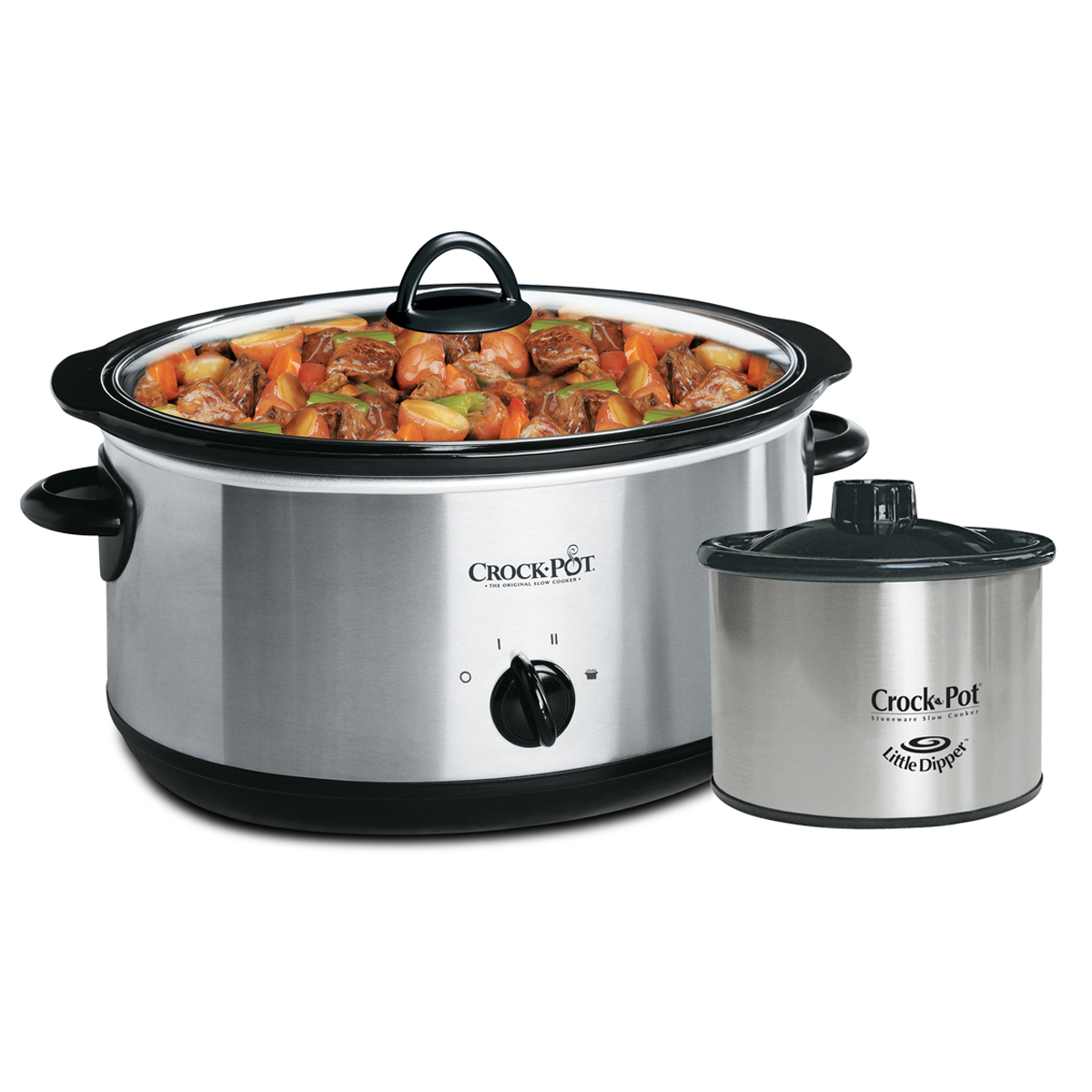
Slow cookers come in different sizes. Small models hold 1.5 to 3 quarts. They suit one or two people. Medium cookers hold 4 to 6 quarts. They work for families of three to five. Large slow cookers hold 7 quarts or more. Good for big groups or meal prep.
Pick a size that matches your usual cooking needs. Bigger is not always better. A small slow cooker saves space and energy.
Features To Consider
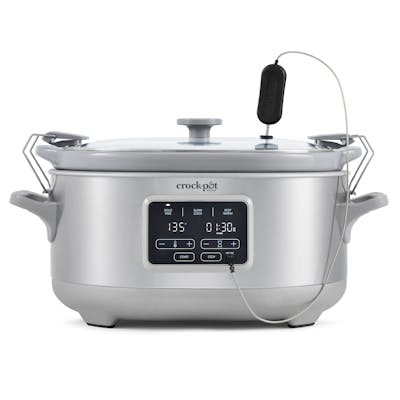
Look for simple controls. Many slow cookers have low, high, and warm settings. Some have timers to turn off automatically. This stops overcooking. A removable pot makes cleaning easy. Some lids lock for travel.
Choose features that suit your lifestyle. More options can help but keep it easy to use.
Material And Build Quality
Slow cooker pots are usually ceramic or stoneware. These materials heat evenly. They keep food warm for hours. The outer body is often metal or plastic. Metal lasts longer and feels sturdy. Plastic can be lighter and cooler outside.
Check that the lid fits well to keep heat inside. Strong build quality means your slow cooker will last many years.
Credit: www.crock-pot.ca
Preparing Ingredients For Slow Cooking
Preparing ingredients is a key step for slow cooking success. Proper preparation affects the taste and texture of your dish. Taking time to prepare ingredients helps everything cook evenly. It also saves time during cooking and reduces mistakes.
Chopping And Layering Tips
Cut vegetables into uniform pieces. This ensures they cook at the same speed. Hard vegetables like carrots and potatoes go at the bottom. Softer vegetables go on top. Layering ingredients in this order prevents overcooking. Place meat on top of vegetables. This keeps the meat tender and juicy.
Using Fresh Vs Frozen Ingredients
Fresh ingredients cook better in a slow cooker. They keep their flavor and texture. Frozen ingredients release extra water while cooking. This can make your dish watery. Use fresh ingredients for best results. If using frozen, thaw before adding to the slow cooker. This helps control moisture and cooking time.
Seasoning And Marinating
Season ingredients before cooking. Salt, pepper, and herbs enhance flavor. Marinate meat for a few hours to add taste. Use simple marinades with oil, vinegar, and spices. Avoid adding too much salt early. Slow cooking concentrates flavors and saltiness. Taste and adjust seasoning near the end.
Setting Cooking Times And Temperatures
Setting cooking times and temperatures is key to using a slow cooker well. It controls how your food cooks and tastes. Knowing the right setting helps avoid undercooked or overcooked meals. It also saves energy and keeps food safe.
Low Vs High Settings
Slow cookers usually have two main settings: low and high. Low cooks food gently over 6 to 10 hours. High cooks faster, usually in 3 to 6 hours. Use low for tough meats and stews. Use high for quicker meals or when short on time. Both settings cook food fully but at different speeds.
Adjusting For Different Recipes
Each recipe may need different times and temperatures. Check the recipe instructions first. If you double a recipe, increase cooking time slightly. For soups and vegetables, lower cooking time prevents mushiness. For large cuts of meat, use low setting for tender results. Adjust times based on your slow cooker’s size and model.
Using Timers And Keep Warm Functions
Many slow cookers have timers to stop cooking automatically. Set the timer to match your recipe’s cooking time. After cooking, the keep warm function keeps food hot without overcooking. This lets you serve food at the right time. It also helps if you cannot eat immediately after cooking ends.
Credit: www.crock-pot.com
Common Mistakes To Avoid
Using a slow cooker is simple, but some common mistakes can affect your meal. Avoiding these errors ensures your food cooks well and tastes great. Here are the main mistakes to watch out for.
Overfilling The Cooker
Do not fill your slow cooker to the top. Food needs space to cook evenly. Overfilling can cause undercooked meals or spills. Fill your cooker between half and three-quarters full for best results.
Lifting The Lid Frequently
Opening the lid often lets heat escape. This slows down cooking and changes the temperature inside. Keep the lid closed until the cooking time ends. Trust the slow cooker to do its job.
Ignoring Liquid Requirements
Slow cookers need enough liquid to work properly. Too little liquid can burn food or dry it out. Follow the recipe’s liquid amount carefully. The slow cooking process traps moisture, so extra water is usually not needed.
Easy Slow Cooker Recipes To Try
Slow cookers make meal prep simple and stress-free. You can create delicious dishes with little effort. Just add ingredients, set the time, and let it cook. Here are some easy slow cooker recipes to try. They suit every taste and skill level.
Hearty Soups And Stews
Soups and stews are perfect for slow cooking. They blend flavors beautifully over time. Try a classic beef stew with potatoes and carrots. Or make a chicken noodle soup with fresh herbs. These meals warm you up and fill you up.
Tender Meats And Poultry
Slow cookers make meat very tender. Tough cuts become soft and juicy. Cook pork shoulder for pulled pork sandwiches. Or make a whole chicken with vegetables. The slow heat breaks down fibers, making meat easy to chew.
Vegetarian And Vegan Dishes
Slow cookers are great for plant-based meals too. You can prepare chili with beans and veggies. Or try a lentil curry with coconut milk. These dishes are healthy, flavorful, and simple to make. Perfect for a meat-free day.
Cleaning And Maintaining Your Slow Cooker
Cleaning and maintaining your slow cooker is key to its long life. A clean slow cooker works better and keeps your food tasting fresh. Regular care prevents stains and odors from building up. Follow simple steps to keep your slow cooker in top shape.
Removing Stubborn Stains
Fill the slow cooker with warm water and a little baking soda. Let it soak for a few hours or overnight. Use a soft sponge to scrub away the stains gently. Avoid harsh scrubbing to protect the surface. Rinse well with clean water after scrubbing.
Safe Cleaning Practices
Unplug the slow cooker before cleaning. Remove the ceramic insert and wash it with warm, soapy water. The lid should be washed the same way. Never put the base in water or dishwasher. Wipe the base with a damp cloth and dry it well.
Storage Tips
Store your slow cooker with the lid off to avoid moisture build-up. Keep it in a dry and cool place. Ensure the ceramic insert is completely dry before storing. Avoid stacking heavy items on top of your slow cooker. This keeps it safe and ready for the next use.

Credit: www.spendwithpennies.com
Frequently Asked Questions
How Do I Start Using A Slow Cooker?
Begin by reading the manual and prepping ingredients. Add food and liquid to the pot, set the desired temperature, and cook for the recommended time. Avoid lifting the lid to maintain heat and cooking efficiency.
What Foods Work Best In A Slow Cooker?
Tough cuts of meat, beans, stews, soups, and casseroles work best. These foods benefit from low, slow cooking to develop rich flavors and tender texture. Avoid quick-cooking vegetables and seafood for best results.
Can I Put Frozen Food Directly In A Slow Cooker?
It’s not recommended to add frozen food directly. Frozen items increase cooking time and can risk unsafe temperatures. Always thaw food beforehand to ensure even cooking and food safety.
How Do I Clean A Slow Cooker Properly?
Unplug and cool the cooker before cleaning. Remove the stoneware insert and wash with warm, soapy water. Avoid abrasive materials to prevent damage. Clean the lid and base with a damp cloth only.
Conclusion
Using a slow cooker saves time and effort in the kitchen. Just add ingredients, set the temperature, and let it cook. You can prepare soups, stews, and even desserts easily. It helps make meals tender and flavorful. Plus, it uses less energy than a stove.
Clean-up is simple because most parts are dishwasher safe. Start with basic recipes and try new ones as you gain confidence. A slow cooker is a great tool for busy days. Give it a try and enjoy tasty, homemade meals with little fuss.