Are you ready to make cooking rice easier and faster? Using a rice cooker can save you time and give you perfect, fluffy rice every time—without any guesswork.
Whether you’re a beginner or want to get the most out of your rice cooker, this guide will show you simple steps and smart tips to master it. Keep reading, and you’ll discover how to turn your rice cooker into your new kitchen hero.
Credit: hamiltonbeach.com
Choosing The Right Rice Cooker
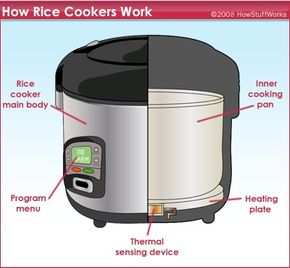
Choosing the right rice cooker is the first step to perfect rice every time. The market offers many options. Each cooker fits different needs and budgets. Understanding the types, features, and sizes helps pick the best one.
Types Of Rice Cookers
Basic rice cookers heat and switch off when rice is done. They are simple and affordable. Micom rice cookers use microcomputer technology for precise cooking. They adjust temperature and time automatically. Induction cookers use magnetic fields to heat evenly. This type cooks rice faster and more evenly. Some models come with pressure cooking for softer rice. Choose a type based on how much control and convenience you want.
Key Features To Consider
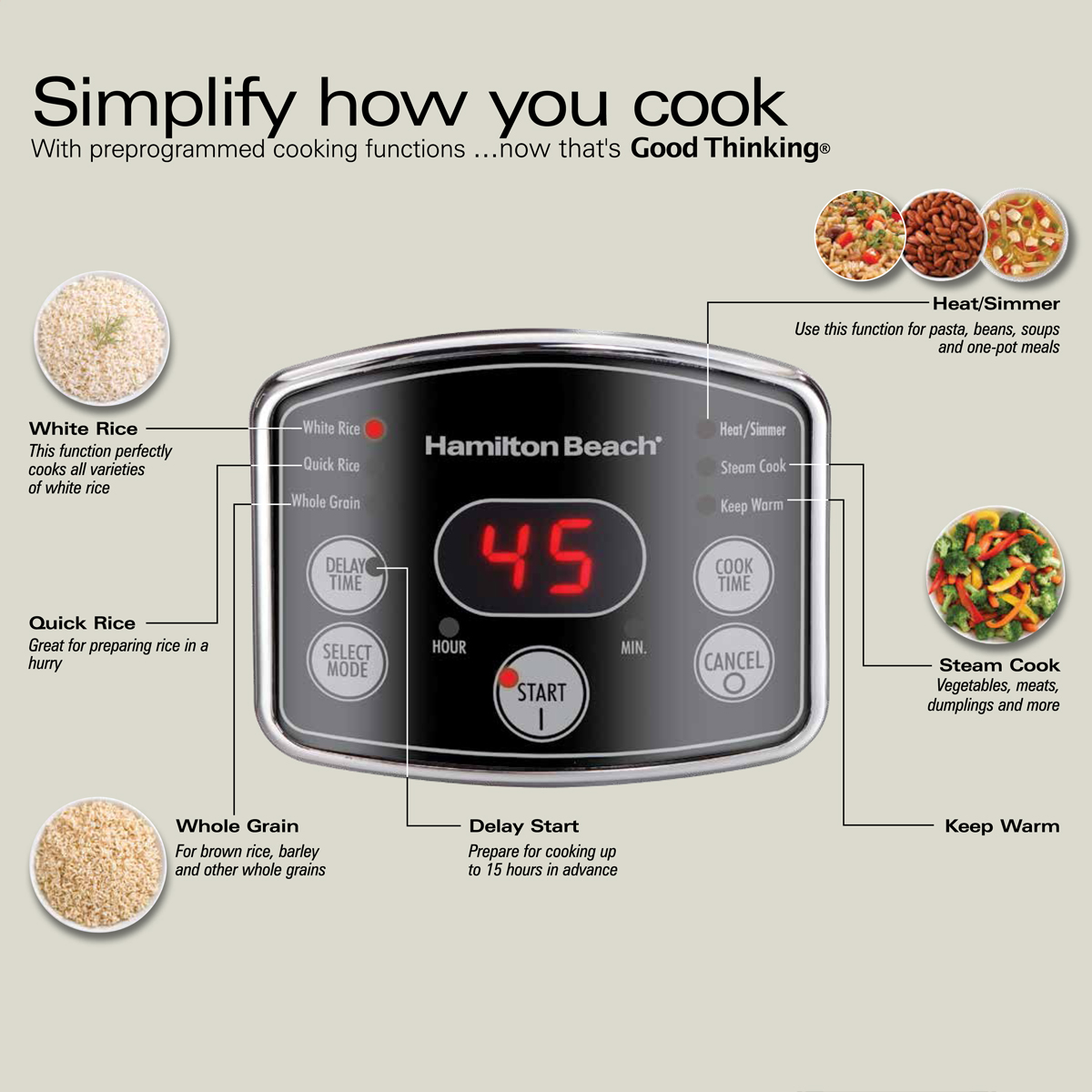
Look for a non-stick inner pot for easy cleaning. A keep-warm function keeps rice fresh for hours. Some cookers have timers to start cooking later. Multiple cooking settings help cook different types of rice. Safety features like automatic shut-off prevent overheating. A clear display and simple buttons improve usability. Think about what features suit your daily cooking habits.
Capacity And Size Options
Rice cookers come in various sizes. Small models cook 1-3 cups of rice, ideal for singles or couples. Medium sizes handle 4-6 cups, perfect for families. Large cookers can prepare 8 or more cups for gatherings. Consider kitchen space and how much rice you eat regularly. Choose a size that fits both your meals and storage area.
Credit: home.howstuffworks.com
Selecting The Best Rice Variety
Selecting the best rice variety matters for perfect results in your rice cooker. Different types of rice cook differently and taste unique. Choosing the right rice ensures the cooker works well. It also helps achieve the texture and flavor you want.
Common Rice Types
White rice is the most common type. It cooks fast and stays fluffy. Brown rice keeps the bran layer, which adds fiber. It takes longer to cook and is chewier. Jasmine rice has a light aroma and soft texture. Basmati rice has long grains and a nutty flavor. Sticky rice is very sticky when cooked, perfect for certain dishes.
Matching Rice To Cooker Settings
Many rice cookers have different settings for each rice type. Use the white rice setting for normal white rice. Brown rice requires more water and time, so use the brown rice setting. Some cookers have a quick cook setting for fast cooking. Use sticky rice mode for sticky rice. Choosing the right setting helps the cooker adjust heat and time. This prevents overcooking or undercooking your rice.
Preparing Rice For Cooking
Preparing rice for cooking is a crucial step to get soft and fluffy results. Proper preparation helps the rice cook evenly and taste better. It also prevents the rice from sticking or becoming mushy.
Measuring Rice Accurately
Use a standard measuring cup to get the right amount of rice. Each rice cooker model may have a specific rice-to-water ratio. Follow the instructions that come with your rice cooker. Measure rice carefully to avoid overcooking or undercooking. Accurate measurement ensures the best texture and flavor.
Rinsing And Soaking Techniques
Rinse the rice under cold water to remove excess starch. This prevents the rice from becoming sticky. Gently swirl the rice with your hand while rinsing. Repeat rinsing until the water runs clear. Soaking rice for 15 to 30 minutes softens the grains. It helps rice cook faster and more evenly. Drain the soaking water before cooking.
Water-to-rice Ratios
Water-to-rice ratios are key for perfect rice in a rice cooker. The right amount of water affects texture and taste. Use too little water, and rice turns dry and hard. Use too much, and rice becomes mushy or sticky. Learning the correct ratio is essential for every type of rice.
Standard Ratios For Different Rice
White rice usually needs one and a half cups of water per cup of rice. Brown rice requires more water, about two cups per cup of rice. Jasmine rice cooks well with one and a quarter cups of water per cup. Basmati rice needs about one and a half cups of water for each cup of rice. These basic ratios help you start with the right balance.
Adjusting Ratios For Texture Preferences
Want softer rice? Add a little more water, about two tablespoons extra per cup. Prefer firmer rice? Use less water, reducing it by two tablespoons per cup. For sticky rice, increase water slightly and stir well before cooking. Adjust small amounts of water to find your perfect texture. Each rice cooker may need slight changes too.
Operating Your Rice Cooker
Operating your rice cooker is simple and saves time. This appliance cooks rice evenly and keeps it warm. Understanding how to use it properly ensures perfect rice every time.
Most rice cookers have basic functions, but many models offer special settings for different rice types and textures. Learning these options helps you get the best results from your cooker.
Basic Cooking Steps
Start by measuring the rice with the cup provided. Rinse the rice under cold water to remove excess starch. Place the rinsed rice inside the inner pot of the cooker.
Add water according to the rice type and amount. Close the lid securely. Press the cook button to start the cooking process. The cooker will switch to warm mode automatically when done.
Let the rice rest inside the cooker for 5 to 10 minutes before opening the lid. Fluff the rice gently with a fork or paddle to separate the grains.
Using Special Functions And Settings
Many rice cookers include settings like brown rice, quick cook, or porridge. Choose the correct mode based on your recipe or rice type. This adjusts cooking time and temperature for best results.
Some models offer delay timers. Set the timer to have rice ready at a specific time. This feature is helpful for meal planning and busy schedules.
Keep the cooker clean by wiping the inner pot and lid after each use. Proper maintenance extends the appliance’s life and keeps the rice tasting fresh.

Credit: instantpot.co.uk
Tips For Fluffy Rice
Cooking rice in a rice cooker is easy, but getting fluffy rice needs care. The right steps make your rice soft and light. Small tips can stop it from being sticky or mushy. Follow these simple ideas to enjoy perfect rice every time.
Avoiding Overcooking
Overcooked rice becomes mushy and sticky. Use the rice cooker’s timer or automatic settings. Do not open the lid during cooking. This keeps the steam inside and cooks the rice evenly. Measure water carefully. Too much water makes rice soft and clumpy.
Letting Rice Rest After Cooking
After cooking, let the rice sit for 10 minutes. Keep the lid closed during this time. Resting lets steam finish the cooking gently. It makes rice grains separate and fluffy. Use a fork to fluff rice before serving. This stops clumps and makes the rice light.
Cleaning And Maintenance
Keeping your rice cooker clean is key to making great rice every time. Dirt and leftover food can cause bad smells and affect the cooker’s performance. Regular cleaning helps your cooker last longer and stay safe to use.
Cleaning also stops germs from growing inside the cooker. Simple care can save you money and effort on repairs or replacements. Here is how to clean and maintain your rice cooker easily.
Daily Cleaning Tips
After cooking, unplug the rice cooker and let it cool down. Remove the inner pot and wash it with warm, soapy water. Use a soft sponge to avoid scratching the surface.
Wipe the inside of the cooker with a damp cloth. Avoid using too much water on the heating plate. Clean the lid and steam vent to remove any stuck rice or moisture.
Dry all parts well before putting them back. This stops mold and rust from forming. Clean your rice cooker every day for the best results.
Preventing Odors And Build-up
Bad smells come from leftover food and moisture. To prevent odors, leave the lid open after cleaning. This lets the cooker dry fully and stay fresh.
Use a mixture of water and vinegar to clean the inner pot once a week. Vinegar removes stains and kills bacteria. Rinse the pot well after using vinegar.
Check the steam vent often. Clean it with a small brush to clear any blockages. Removing build-up keeps your rice cooker smelling good and working well.
Troubleshooting Common Issues
Troubleshooting common issues with your rice cooker saves time and reduces frustration. Many problems have simple fixes. Understanding these helps keep your cooker working well. Here are solutions to two frequent problems users face.
Rice Too Sticky Or Dry
Sticky rice often means too much water was added. Try using less water next time. Rinse the rice before cooking to remove extra starch. This helps prevent stickiness.
Dry rice usually means there was not enough water. Add a little more water than usual. Check the cooking time. Sometimes, rice needs a few extra minutes to cook fully.
Cooker Not Turning On
Check if the cooker is plugged in properly. Look at the power outlet by plugging in another device. If the outlet works, inspect the cooker’s power cord for damage.
Make sure the lid is closed tightly. Many cookers have safety switches that prevent starting if the lid is open. Reset the cooker by unplugging it, then plugging it back in.
Frequently Asked Questions
How Do I Use A Rice Cooker For Perfect Rice?
To use a rice cooker, measure rice and water as per instructions. Rinse rice, add to the cooker, then start the cooking cycle. The cooker will automatically switch off or keep warm when done.
Can I Cook Other Foods In A Rice Cooker?
Yes, rice cookers can steam vegetables, cook soups, and prepare porridge. Use the steaming tray or adjust water levels for different recipes. This makes the rice cooker a versatile kitchen tool.
How Much Water Should I Add To Rice Cooker?
Water quantity depends on rice type. For white rice, use 1. 5 cups of water per cup of rice. Brown rice typically needs more water, around 2 cups per cup of rice. Always check your cooker’s manual for specifics.
How Do I Clean A Rice Cooker Properly?
Unplug and cool the cooker first. Remove the inner pot and wash with warm, soapy water. Wipe the cooker’s exterior with a damp cloth. Clean the lid and steam vent regularly to prevent buildup.
Conclusion
Using a rice cooker saves time and effort in the kitchen. It cooks rice evenly and keeps it warm. You can also prepare other meals with it. Just follow the instructions and use the right amount of water. Cleaning the cooker is simple and quick.
This tool makes cooking rice easy and stress-free. Try different recipes and enjoy tasty meals every day. A rice cooker is a helpful addition to any home.