
Are you tired of scrubbing stubborn food off your pans after every meal? Imagine cooking with ease and cleaning up in seconds—that’s the magic of a nonstick cookware set.
But to get the best results, you need to know how to use it the right way. You’ll discover simple tips and tricks that will help you cook healthier meals, save time, and protect your cookware for years to come.
Keep reading, and soon you’ll wonder how you ever cooked without it!
Choosing The Right Nonstick Cookware
Choosing the right nonstick cookware is important for easy cooking and cleaning. The right set saves time and helps cook food evenly. Many options exist, so knowing what to pick is helpful. Consider materials, size, shape, and budget before buying. This guide explains these key points clearly.
Materials And Coatings
Nonstick cookware comes with different materials and coatings. Common coatings include Teflon and ceramic. Teflon offers smooth release but can scratch easily. Ceramic is safer at high heat but may wear out faster. The base material affects heat distribution. Aluminum heats quickly, while stainless steel is durable but slower. Pick materials that suit your cooking style.
Size And Shape Considerations
Cookware size depends on your family and cooking needs. Small pans are good for one or two people. Larger pans fit families or batch cooking. Think about shapes too. Deep pans work well for sauces and stews. Flat pans suit pancakes and eggs. Choose sizes and shapes that match your meals.
Budget Vs. Quality
Nonstick cookware prices vary widely. Cheaper sets may wear out fast or lose coating. Higher quality sets last longer and cook better. Balance cost with how often you cook. Investing in quality pays off over time. Avoid very low prices that risk poor performance.
Preparing Nonstick Cookware For First Use
Preparing your nonstick cookware for first use is important. It helps keep the coating safe and improves cooking results. A few simple steps before cooking make a big difference. These steps protect the pan and help food cook evenly. Follow these easy tips to get the best from your new cookware.
Cleaning Before Cooking
Start by washing the pan with warm water and mild soap. Use a soft sponge to avoid scratching the surface. Rinse the pan well to remove all soap. Dry it completely with a soft cloth or paper towel. This removes any dust or factory oils. Your pan is now clean and ready for seasoning.
Seasoning Tips
Seasoning your nonstick pan helps keep its surface smooth. Lightly rub a small amount of cooking oil on the inside. Use a paper towel to spread the oil evenly. Heat the pan on low for a few minutes. Let it cool before wiping off any extra oil. This simple step boosts the pan’s nonstick ability and protects it from damage.
Cooking Techniques For Nonstick Pans
Nonstick pans make cooking easier and cleaning faster. Using the right techniques helps protect the pan and improves food taste. Simple steps keep the coating safe and the pan lasting longer. Here are key tips on how to cook well with nonstick cookware.
Ideal Heat Levels
Nonstick pans work best on low to medium heat. High heat can damage the coating quickly. Use medium heat for most cooking tasks. Avoid heating the pan while it is empty. Let the pan warm gently before adding food or oil.
Using The Right Utensils
Use wooden, silicone, or plastic utensils with nonstick pans. Metal tools can scratch and ruin the surface. Soft utensils help keep the coating smooth. Replace utensils that show signs of wear. Caring for your tools protects your nonstick cookware.
Preventing Food Sticking
Preheat the pan before adding food to reduce sticking. Add a small amount of oil or butter to help food slide. Avoid moving food too soon; let it cook and release naturally. Clean the pan gently after use to keep the surface smooth. These steps help keep food from sticking and make cooking easier.
Credit: www.tramontina.com
Cleaning And Maintenance
Proper cleaning and maintenance keep your nonstick cookware set in top shape. It helps the cookware last longer and cook better. Simple steps protect the nonstick surface from damage. Follow these tips to maintain your cookware’s performance and appearance.
Safe Cleaning Methods
Use warm water and mild dish soap for cleaning. Avoid harsh chemicals or abrasive cleaners. Use a soft sponge or cloth to wipe the surface. For stuck food, soak the pan in warm, soapy water. Gently scrub after soaking to remove residue.
Avoiding Damage
Never use metal utensils on nonstick surfaces. They can scratch and ruin the coating. Avoid high heat, which can weaken the nonstick layer. Do not put cookware in the dishwasher unless it is dishwasher safe. Hand washing is the safest option for most sets.
Storage Tips
Stack cookware carefully to avoid scratching. Place a soft cloth or paper towel between pans. Store lids separately or upside down to save space. Keep cookware in a dry place to prevent rust on metal parts. Proper storage keeps your set ready for use.
Troubleshooting Common Issues
Nonstick cookware sets make cooking easier, but sometimes problems arise. Troubleshooting common issues helps keep your pans in good shape. Simple tips can solve many common problems quickly. A little care extends the life of your cookware.
Scratches And Peeling
Scratches happen when using metal utensils or abrasive cleaners. Use wooden, silicone, or plastic tools to avoid damage. Never scrub with steel wool or harsh pads. Peeling usually means the coating is worn out. Stop using cookware that peels to avoid health risks.
Uneven Heating
Uneven heating causes food to cook poorly. Check if the pan sits flat on the burner. Warped pans heat unevenly and need replacement. Use medium heat to prevent hot spots. Avoid sudden temperature changes to protect the coating.
Food Sticking Problems
Food sticks when the pan is too hot or cold. Preheat the pan on low to medium heat. Add a small amount of oil or butter before cooking. Avoid cooking sprays as they build residue. Clean pans thoroughly after each use to keep the surface slick.
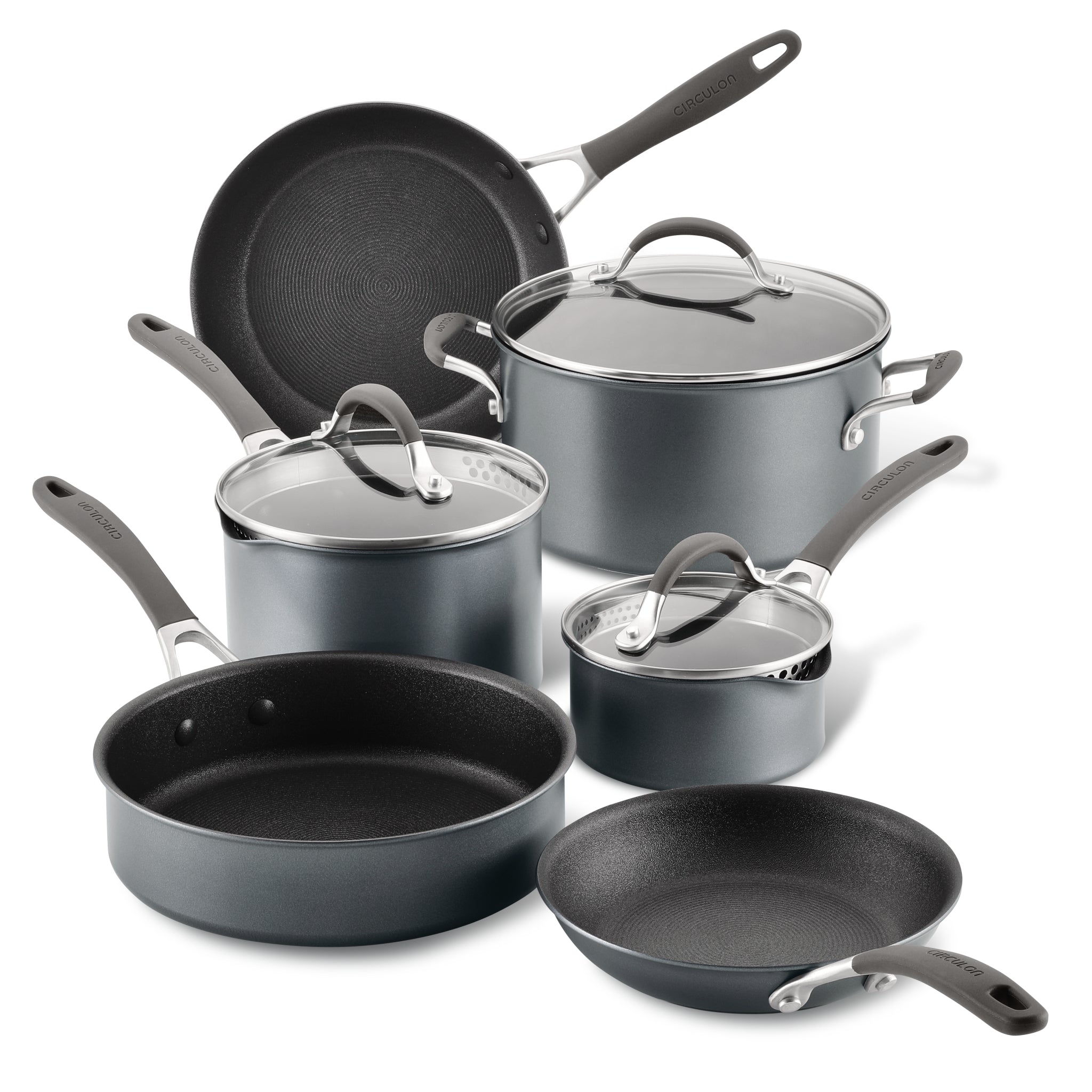
Credit: circulon.com
Extending The Life Of Nonstick Cookware
Extending the life of your nonstick cookware helps you save money and cook better meals. Nonstick pans can last for years with the right care. Small habits make a big difference. Proper use and cleaning keep the surface smooth and nonstick. Avoid damage that can ruin your cookware quickly.
Regular Care Practices
Always use soft utensils like wood or silicone. Avoid metal tools that scratch the surface. Clean your cookware gently with a soft sponge and mild soap. Do not use steel wool or harsh scrubbers. Hand wash instead of using a dishwasher to protect the coating. Heat the pan on low or medium settings. High heat can wear out the nonstick layer fast. Let the pan cool before washing to prevent warping. Store your pans carefully, stacking with a soft cloth between them.
When To Replace
Look for scratches or peeling on the cooking surface. Food sticking often means the coating is damaged. Warped or bent pans do not heat evenly and should be replaced. If the pan releases a strange odor while cooking, it may be time to buy a new one. Using damaged cookware can affect your food and health. Replace your pans every few years depending on use. Regular checks help you know when to switch out old cookware.
:max_bytes(150000):strip_icc()/Web_1500-SPRE-GroupShot-MFS-128-05f141feb1634128a33b2cd837df1e0a.jpg)
Credit: www.thespruceeats.com
Frequently Asked Questions
How Do I Properly Season Nonstick Cookware?
Season nonstick cookware by lightly coating with oil and heating on low for 1-2 minutes. This enhances its nonstick surface and durability. Avoid overheating or using high heat, as it can damage the coating.
Can I Use Metal Utensils On Nonstick Pans?
Avoid metal utensils on nonstick pans to prevent scratching. Use wooden, silicone, or plastic tools instead. This practice preserves the nonstick coating and extends the cookware’s lifespan.
What Cleaning Methods Are Best For Nonstick Cookware?
Clean nonstick cookware with warm, soapy water and a soft sponge. Avoid abrasive scrubbers or harsh detergents to protect the coating. Hand washing is preferred over dishwasher use for longevity.
Is It Safe To Use Nonstick Cookware At High Temperatures?
Nonstick cookware is best used on low to medium heat. High temperatures can degrade the coating and release harmful fumes. Always follow manufacturer instructions for safe temperature ranges.
Conclusion
Using a nonstick cookware set makes cooking easier and cleanup faster. Always use wooden or plastic utensils to protect the coating. Avoid high heat to keep the surface safe and last longer. Hand wash your pans gently with mild soap and a soft sponge.
Store them carefully to prevent scratches. With simple care, your nonstick pans will serve well for many meals. Enjoy cooking with less oil and less mess every day. Small steps bring big benefits in the kitchen.