


Are you ready to transform your baking experience? Using a complete bakeware set can make your kitchen tasks easier, faster, and more enjoyable.
Whether you’re a beginner or a seasoned baker, knowing how to use every piece in your set can unlock new possibilities for delicious treats. In this guide, you’ll discover simple tips and tricks to get the most out of your bakeware.
By the end, you’ll feel confident creating mouthwatering cakes, cookies, and more, all with the tools right at your fingertips. Let’s dive in and make your baking journey smoother and more fun!
Credit: www.gothamsteel.com
Choosing The Right Bakeware
Choosing the right bakeware is key to better baking results. The right tools help bake evenly and make cleanup easier. Different materials, sizes, and coatings serve different needs. Understanding these factors helps you select the best pieces for your kitchen.
Materials And Their Benefits
Bakeware comes in many materials like metal, glass, silicone, and ceramic. Metal heats quickly and browns food well. Glass heats evenly and lets you see your food while baking. Silicone is flexible and easy to clean. Ceramic holds heat longer and looks nice for serving.
Sizes And Shapes To Consider
Choose sizes that match your recipes. Small pans suit muffins and cupcakes. Larger pans work for cakes and casseroles. Shapes include round, square, and rectangular. Each shape fits different types of baking. Picking the right size and shape avoids over or under baking.
Non-stick Vs. Traditional Bakeware
Non-stick bakeware helps food release easily. It needs less oil or butter. Traditional bakeware like glass or metal may need greasing. Non-stick coatings can wear out over time. Traditional bakeware is often more durable. Pick based on your cooking style and care routine.
Preparing Your Bakeware
Preparing your bakeware properly is important for better baking results. It helps your baked goods cook evenly and come out easily. Taking time to prepare your bakeware protects it and keeps it lasting longer.
Simple steps before baking make a big difference. Clean and season your bakeware well. Use parchment or grease to stop food from sticking. Avoid burning by using the right techniques.
Seasoning And Cleaning Tips
Start with cleaning new bakeware to remove dust and oils. Use warm water and mild soap. Dry it fully before use.
For cast iron or carbon steel pans, seasoning is key. Rub a thin layer of oil on the surface. Heat it in the oven for one hour. This creates a natural non-stick layer.
Do not soak bakeware for a long time. Avoid harsh scrubbing to protect the surface. Clean right after use for best care.
Using Parchment And Grease
Line your pans with parchment paper for easy release. Cut it to fit the pan size perfectly. This reduces cleaning time and prevents sticking.
Greasing is another way to prepare bakeware. Use butter, oil, or non-stick spray. Cover the entire surface evenly for best results.
Combine parchment and grease for extra protection. This method works well with sticky or delicate recipes.
Preventing Sticking And Burning
Choose the right bakeware size for your recipe. Too small or too large pans can cause uneven cooking. Use a light layer of grease or parchment to prevent sticking.
Place bakeware in the center of the oven for even heat. Avoid placing pans too close to heating elements. Check your baking time and temperature carefully.
Use a lower temperature for dark-colored pans to reduce burning. Watch the first few minutes to adjust as needed. These tips help keep your baked goods perfect.
Baking Techniques For Each Piece
Baking with a complete bakeware set brings variety and ease to your kitchen. Each piece suits specific recipes and baking styles. Understanding how to use each item improves your baking results. It helps you create delicious cakes, breads, cookies, and pies with ease.
Cakes And Muffins
Use round or square cake pans for even baking. Grease the pans well to prevent sticking. Muffin tins work best for cupcakes and muffins. Fill each cup two-thirds full to allow rising. Bake at the right temperature for moist, fluffy texture.
Bread And Loaves
Loaf pans shape bread and quick loaves perfectly. Use a non-stick pan or line with parchment paper. Let dough rise in the pan before baking. Bake until golden brown and a toothpick comes out clean. Cool on a rack to keep crust crisp.
Cookies And Bars
Cookie sheets and baking pans suit cookies and bars. Use light-colored, flat cookie sheets for even heat. Space cookies well to avoid spreading together. Bars bake well in square or rectangular pans. Cut bars after cooling for clean pieces.
Pies And Tarts
Use pie dishes or tart pans with removable bottoms. Press dough evenly into the pan for a crisp crust. Blind bake crusts for cream or custard pies. Bake filled pies until crust turns golden and filling bubbles. Cool pies before slicing to set filling.

Credit: www.soupercubes.com
Maximizing Oven Space
Maximizing oven space is key when using a complete bakeware set. It helps bake more food at once and saves time. Careful planning and smart use of trays and racks make baking easier and more efficient.
Arranging Multiple Trays
Place trays with enough space between them. Air must flow freely around each tray. Avoid stacking trays too close. This stops heat from reaching all parts evenly. Use trays of similar size for best results. Keep heavier trays at the bottom to avoid accidents.
Rotating For Even Baking
Rotate trays halfway through baking. This helps all sides cook evenly. Move the bottom tray to the top and vice versa. Turn each tray front to back. This simple step stops some parts from burning. Set a timer to remind yourself to rotate trays.
Using Racks Effectively
Use oven racks to create more levels. Place racks evenly for good heat flow. Avoid overcrowding racks with too many pans. Leave space at the oven edges for air circulation. Remove racks you do not need to allow more room. Racks help bake several dishes without mixing smells.
Troubleshooting Common Issues
Using a complete bakeware set can make baking easier and more fun. Sometimes, small problems happen during baking. These problems can affect your dish’s taste and look. Knowing how to fix these issues helps you bake better every time.
Uneven Cooking
Uneven cooking means some parts of your food cook faster. This happens if your oven has hot spots. Also, placing pans too close can block heat flow. Use an oven thermometer to check temperature. Turn pans halfway through baking to cook evenly.
Overbrowning And Burning
Overbrowning happens when the outside cooks too fast. It can make your food dry or burnt. Lower the oven temperature by 25 degrees if this happens. Cover the top with foil to stop burning while the inside cooks. Use lighter-colored bakeware for better heat control.
Soggy Bottoms
Soggy bottoms occur when moisture collects at the base. This is common in pies and cakes. Use a metal or perforated pan to let steam escape. Preheat the pan before adding dough. Avoid adding too much liquid to the recipe.

Credit: www.amazon.com
Maintaining Your Bakeware Set
Maintaining your bakeware set keeps it in top shape for years. Proper care improves baking results and saves money. Simple steps protect your investment and make baking easier.
Proper Cleaning Techniques
Clean bakeware right after use. Warm water and mild soap work best. Avoid harsh scrubbers that can scratch surfaces. Use a soft cloth or sponge for cleaning. Dry completely to stop rust or damage.
Storage Tips
Store bakeware in a dry, cool place. Stack pans carefully to avoid dents. Place a paper towel or cloth between items to prevent scratching. Keep lids and parts together to find them easily.
Extending Bakeware Lifespan
Use baking mats or parchment paper to protect surfaces. Avoid metal utensils that can cause damage. Follow the manufacturer’s temperature limits. Regular cleaning and proper storage make bakeware last longer.
Frequently Asked Questions
What Are The Essential Items In A Complete Bakeware Set?
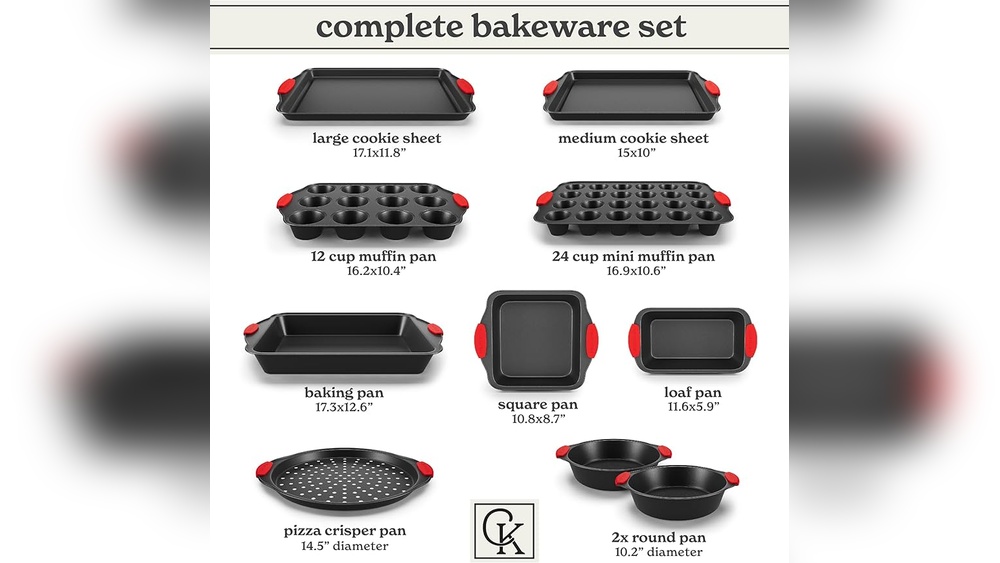
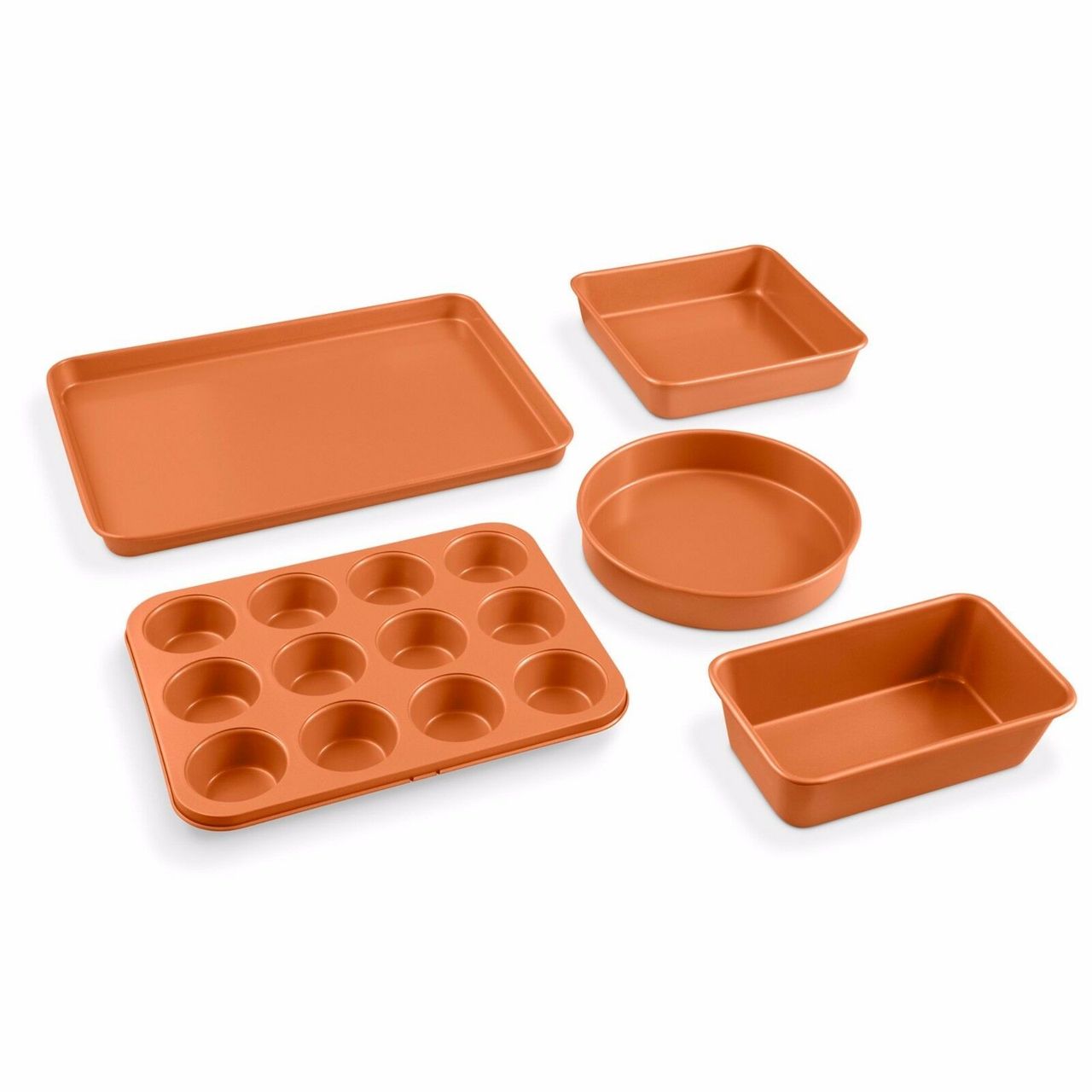
A complete bakeware set usually includes baking sheets, cake pans, muffin tins, and loaf pans. Some sets also have cooling racks and pie dishes, providing versatility for different baking needs.
How Do I Properly Clean A Bakeware Set?
Clean bakeware with warm, soapy water using a soft sponge. Avoid abrasive materials to prevent damage. Dry thoroughly to avoid rust or warping and maintain longevity.
Can I Use A Complete Bakeware Set In A Dishwasher?
Most bakeware sets are dishwasher-safe, but hand washing is recommended to preserve non-stick coatings. Always check manufacturer instructions to ensure safe cleaning practices.
What Materials Are Common In Bakeware Sets?
Bakeware sets are commonly made from aluminum, stainless steel, silicone, or non-stick coated metal. Each material offers different heat conduction and durability properties.
Conclusion
Using a complete bakeware set makes baking easier and more fun. Each piece has a special job in the kitchen. You can bake cakes, cookies, breads, and more with the right tools. Clean and store your bakeware carefully to keep it lasting long.
Enjoy trying new recipes and sharing your baked treats with friends. Practice and patience help you bake better every time. A complete set is a smart choice for anyone who loves baking at home.


