



Are you tired of messy blenders that take up too much space and are hard to clean? An immersion blender, also called a stick blender, can change the way you cook.
It’s simple to use, easy to handle, and perfect for making smoothies, soups, sauces, and more—all right in your pot or bowl. In this guide, you’ll discover how to get the most out of your immersion blender, so you can save time and enjoy delicious meals with less fuss.
Ready to unlock the full potential of your kitchen tool? Let’s dive in!
Credit: www.youtube.com
Choosing The Right Immersion Blender
Choosing the right immersion blender is important for cooking ease and success. The right blender fits your cooking style and kitchen needs. Consider key features before buying. This helps avoid frustration and wasted money.
Power And Speed Settings
Power affects blending performance. More watts mean better blending of tough ingredients. Speed settings give control over texture. Multiple speeds allow smooth purees or chunky mixes. Pick a blender with at least two speeds for flexibility.
Blade Types And Attachments
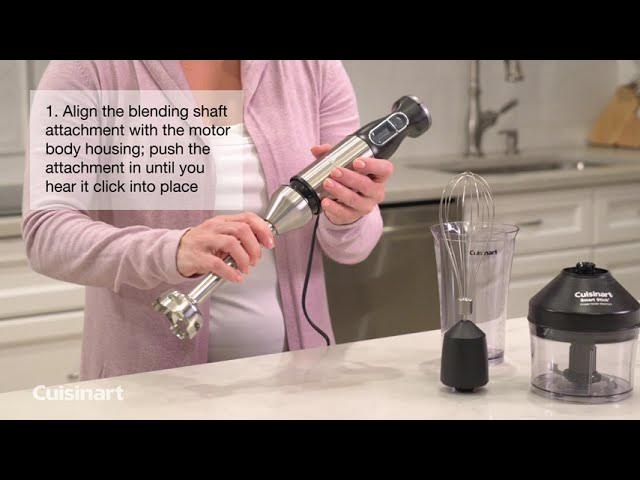
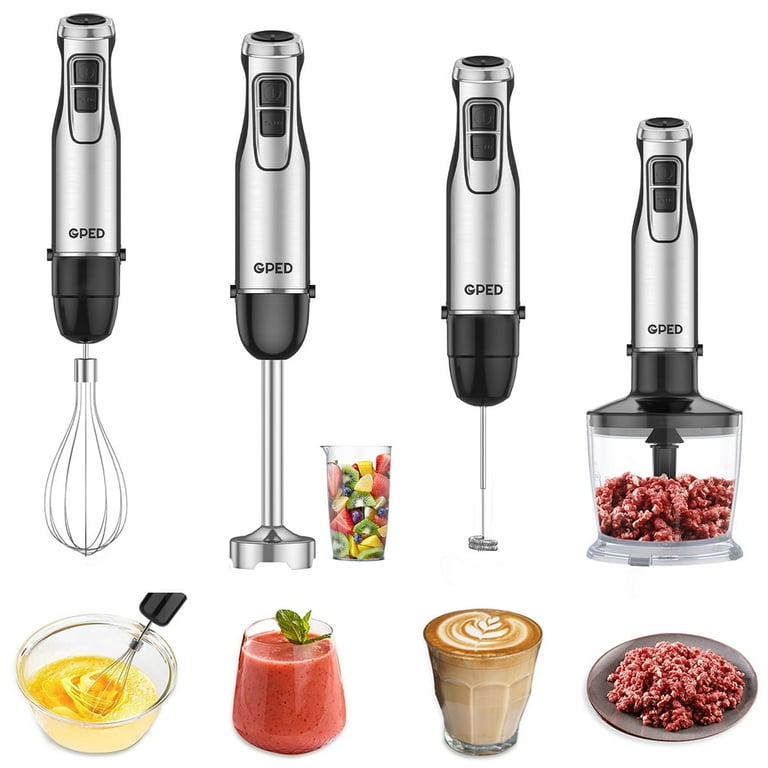
Blade design affects blending results. Stainless steel blades last longer and cut better. Some blenders come with extra attachments. Whisks and choppers add more functions. Choose attachments that match your cooking tasks.
Corded Vs Cordless Models
Corded models offer constant power without recharging. They are good for long blending sessions. Cordless models give freedom to move. They are light and handy for quick jobs. Consider how and where you plan to use the blender.
Safety Features To Look For
Safety matters when using sharp blades. Look for blenders with secure locking mechanisms. Overheat protection prevents damage to the motor. Non-slip handles help keep a firm grip. These features reduce accidents and make blending safer.
Essential Accessories
Immersion blenders are handy tools for quick blending tasks. Their power grows with the right accessories. These add-ons make blending easier and more versatile. They help you prepare different foods with less effort.
Blending Jars And Beakers
Blending jars fit perfectly with your immersion blender. They come in various sizes for different needs. Their tall sides prevent spills while blending. Clear jars let you watch the blending progress. Many jars have measurement marks for accuracy.
Whisk Attachments
Whisk attachments turn your blender into a mini mixer. They beat eggs and whip cream fast. The whisk spins evenly for smooth, fluffy results. This attachment saves time and washing up. It is ideal for light mixing tasks.
Chopper Bowls
Chopper bowls chop vegetables, nuts, and herbs quickly. They connect directly to the blender motor. The sharp blades cut ingredients evenly and safely. Chopper bowls are great for small amounts. They reduce the need for extra tools.
Storage Solutions
Storage containers keep your immersion blender parts organized. They protect attachments from dust and damage. Some sets include special cases or holders. Good storage helps find the right accessory fast. It keeps your kitchen tidy and efficient.
Basic Techniques For Blending
Using an immersion blender is simple with the right techniques. These basics help you blend ingredients smoothly and safely. Follow the steps to get the best results every time.
Proper Grip And Handling
Hold the blender firmly with one hand. Keep your fingers wrapped around the handle. Use your other hand to hold the bowl or pot steady. This prevents slipping and keeps the blender stable.
Starting And Stopping Safely
Always start the blender before it touches food. Turn it on at a low speed to avoid splashes. After blending, turn it off before removing it from the bowl. This stops messes and keeps you safe.
Achieving Smooth Consistency
Move the blender slowly up and down. Blend in small circles for even mixing. Check the texture often and blend more if needed. Stop once you see no lumps or chunks.
Avoiding Common Mistakes
Don’t press too hard on the blender. Avoid lifting it too quickly from food. Keep the blade fully submerged while blending. These tips stop splattering and protect your kitchen.
Recipes Perfect For Immersion Blenders
Immersion blenders are handy tools for many kitchen tasks. They blend ingredients directly in the pot or bowl. This makes cooking faster and cleanup easier. Certain recipes work best with immersion blenders. These recipes take full advantage of the blender’s shape and power. Here are some popular recipe types that suit immersion blenders well.
Soups And Sauces
Immersion blenders make smooth soups simple. Blend vegetables and broth right in the pot. No need to transfer hot soup to another blender. Sauces also get creamy without extra dishes. Tomato sauce, gravy, and cheese sauce become smooth quickly. The blender helps mix ingredients evenly for better flavor.
Smoothies And Shakes
Make fresh smoothies in seconds using an immersion blender. Toss fruits, yogurt, and ice cubes in a tall glass. Blend until smooth and creamy. Protein shakes and milkshakes also blend well. The stick blender fits perfectly in narrow containers. It creates thick, even drinks without lumps.
Purees And Baby Food
Pureeing vegetables and fruits is easy with this tool. Prepare homemade baby food fresh and healthy. Cook vegetables until soft, then blend until smooth. Control texture by blending longer or shorter. No need for bulky machines or extra containers. It’s quick and keeps nutrients intact.
Whipped Cream And Dressings
Whip cream to soft peaks fast with an immersion blender. It aerates the cream evenly for light texture. Salad dressings mix well without lumps. Combine oil, vinegar, and herbs smoothly in one go. The blender saves time and effort for these simple tasks.
Cleaning And Maintenance Tips
Cleaning and caring for your immersion blender is important for its long life. Proper maintenance keeps it working well and safe to use. Follow these simple steps to clean and store your stick blender correctly.
Detaching And Washing Parts
Remove the blending shaft from the motor unit before cleaning. Wash the shaft and blade in warm, soapy water. Use a brush to clean hard-to-reach spots around the blades. Rinse all parts with clean water and dry them well. Never put the motor part in water or dishwasher.
Preventing Motor Damage
Keep the motor dry at all times. Avoid immersing the motor in water or any liquid. Do not use the blender continuously for too long to prevent overheating. Let the motor rest between uses. Check the cord for damage before plugging it in.
Storage Best Practices
Store the immersion blender in a dry place. Keep it away from heat and moisture. Use a protective cover or case for the blade to avoid accidents. Coil the cord loosely to avoid damage. Store all parts together to avoid losing any piece.
Troubleshooting Common Issues
Immersion blenders are easy to use but can face some common problems. Knowing how to fix these issues saves time and frustration. This section helps you understand simple solutions for common troubles.
Blender Not Starting
Check if the blender is plugged in securely. Sometimes the power outlet may not work; try another one. Ensure the blender’s safety lock is disengaged. Press the power button firmly. If it still won’t start, the motor may be overheated. Let it cool down for 15 minutes before trying again.
Unusual Noises Or Vibrations
Loud sounds or shaking can mean the blades hit a hard object. Turn off the blender immediately. Remove any stuck food or debris around the blades. Make sure the blending shaft is tightly attached. If noises continue, the motor or blade assembly might be damaged and need inspection.
Poor Blending Performance
The blender may not work well if blades are dull or dirty. Clean the blades carefully after each use. Cut ingredients into smaller pieces for easier blending. Avoid overfilling the container. Blend in short pulses to get smoother results. Check for any cracks or damage on the blade guard.
Safety Precautions While Using
Using an immersion blender is quick and easy. Still, safety is very important. This section explains key safety tips. Follow them to avoid accidents and damage. Keep yourself and your kitchen safe.
Handling Sharp Blades
Immersion blender blades are very sharp. Always unplug the blender before cleaning or touching the blades. Never touch the blades while the blender is plugged in. Use a brush or cloth to clean around the blades carefully. Store the blender where blades cannot hurt anyone.
Avoiding Electrical Hazards
Keep the blender’s cord away from water and wet surfaces. Do not use the blender with wet hands. Always plug the blender into a grounded outlet. Check the cord and plug for damage before use. Stop using the blender if the cord is frayed or broken.
Using With Hot Liquids
Be careful when blending hot liquids. Hot splashes can cause burns. Hold the blender steady and keep it deep in the container. Blend in short bursts to avoid splashing. Wait a little for very hot liquids to cool before blending.
Credit: www.youtube.com
Credit: www.walmart.com
Frequently Asked Questions
What Is An Immersion Blender Used For?
An immersion blender is used for blending, pureeing, and mixing directly in pots or containers. It’s perfect for soups, smoothies, and sauces. Its handheld design offers convenience and easy cleanup compared to traditional blenders.
How Do You Safely Use An Immersion Blender?
Always keep the blade submerged while blending to avoid splashes. Turn off the blender before removing it from the food. Unplug it before cleaning or changing attachments to ensure safety.
Can Immersion Blenders Crush Ice Or Frozen Foods?
Most immersion blenders can crush small ice cubes or soft frozen fruits. However, avoid hard ice or large chunks to prevent damage. Check your model’s specifications for ice-crushing capability before use.
How Do You Clean An Immersion Blender Properly?
Detach the blending shaft and rinse it immediately after use. Wash with warm soapy water or place it in a dishwasher if safe. Never immerse the motor handle in water to avoid damage.
Conclusion
Using an immersion blender makes cooking faster and easier. It blends soups, sauces, and smoothies in seconds. You save time and avoid extra dishes. Always keep the blender immersed to avoid splashes. Clean it right after use to keep it working well.
Practice a little to get smooth results every time. Enjoy creating simple, tasty meals with this handy tool.


