



Are you ready to enjoy rich, café-quality espresso right in your own kitchen? Using an espresso machine at home might seem tricky at first, but with the right steps, you can master it quickly.
Imagine waking up to the perfect shot of espresso, crafted exactly to your taste, without leaving your house. In this guide, you’ll discover simple, clear instructions to make your espresso machine work for you. Whether you’re a complete beginner or just want to improve your technique, keep reading to unlock the secrets of brewing delicious espresso every time.
Your perfect cup is closer than you think!
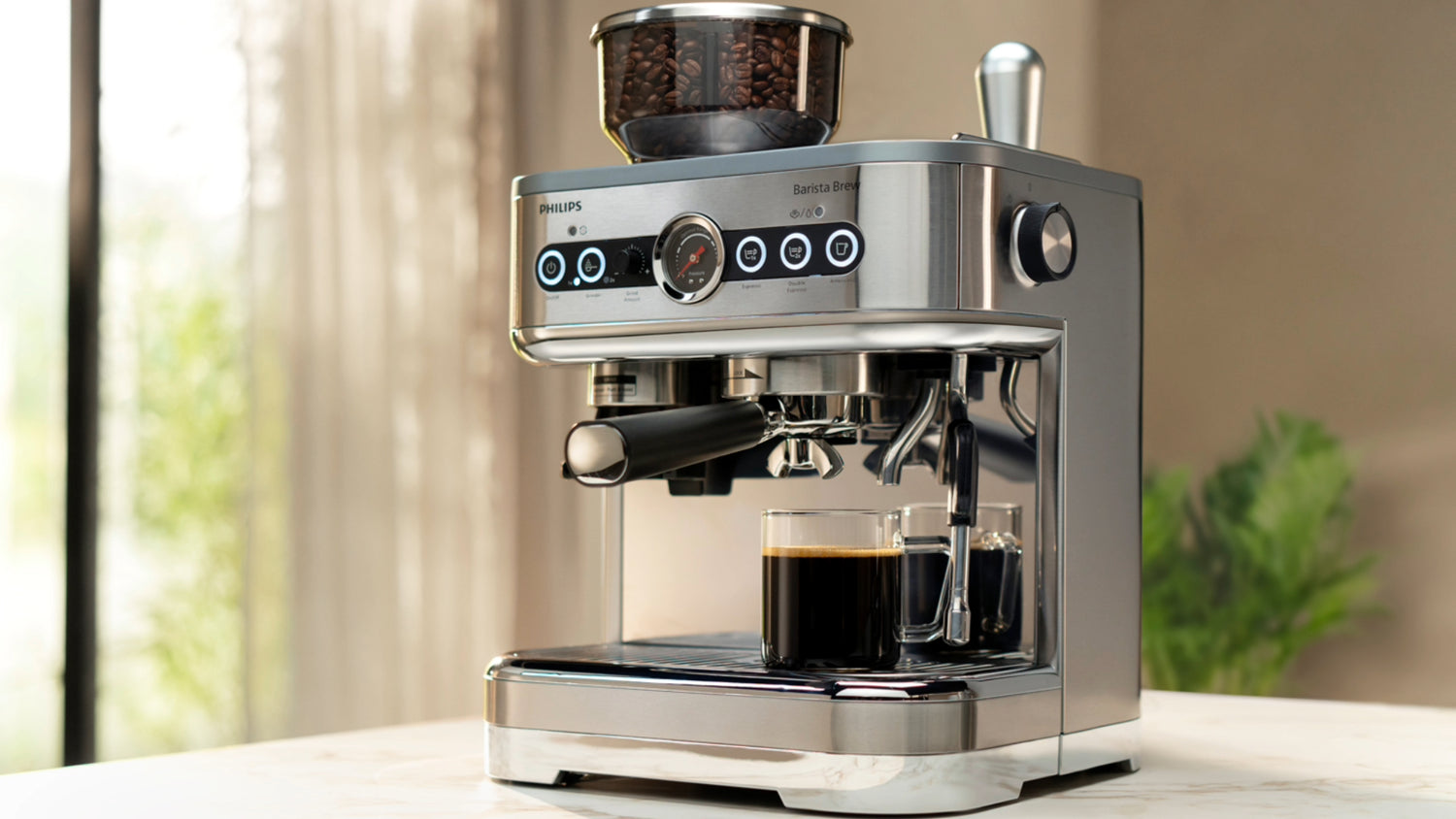
Credit: us.home-appliances.philips
Choosing The Right Espresso Machine
Choosing the right espresso machine for home use is important. It affects your coffee taste and daily routine. A good machine makes fresh espresso quickly and easily. Consider your needs before buying. Think about types, features, budget, and space. This helps pick the best machine for you.
Types Of Espresso Machines
Manual machines need you to control everything. You grind, tamp, and pull the shot. They offer full control but take practice.
Semi-automatic machines do some work for you. They pump water automatically but you control grind and shot time. Good balance of control and ease.
Automatic machines control water flow and shot time. You just press a button. Easy to use but less control.
Super-automatic machines grind, tamp, brew, and clean. Best for fast coffee with little effort. Usually bigger and cost more.
Features To Consider
Look for a good grinder or space for one. Fresh grinding improves flavor. Check the water tank size. Bigger tanks need less refilling.
Temperature control matters for espresso quality. Some machines have PID control for steady heat. Steam wands help make milk drinks. Check if the wand is easy to use.
Ease of cleaning saves time. Removable parts and automatic cleaning help. A pressure gauge shows brewing pressure. It helps make better shots.
Budget And Space Factors
Set a clear budget before shopping. Espresso machines range from affordable to expensive. Think about long-term costs like beans and maintenance.
Measure your kitchen space. Machines come in many sizes. Choose one that fits your counter without crowding.
Small machines suit small kitchens. Larger machines may offer more features but need more room. Balance size and function for your needs.
Essential Tools And Ingredients
Making great espresso at home needs the right tools and ingredients. Each part plays a role in the taste and quality of your coffee. This section covers what you need to start brewing like a pro.
Selecting Quality Coffee Beans
Good espresso starts with fresh, quality coffee beans. Choose beans labeled for espresso or dark roast. Freshness matters most. Buy small amounts often to keep beans fresh. Whole beans keep flavor longer than pre-ground coffee.
Grinders And Their Importance
A grinder is key for fresh coffee. A burr grinder is best for even, consistent grounds. Grind size affects taste and extraction. Fine grind works well for espresso. Avoid blade grinders because they make uneven grounds.
Water Quality And Temperature
Water affects coffee flavor a lot. Use clean, filtered water for best taste. Avoid water with strong odors or chemicals. Temperature also matters. Aim for 195°F to 205°F for brewing espresso. Too hot or too cold water changes flavor and extraction.
Preparing Your Espresso Machine
Preparing your espresso machine is the first step to great coffee at home. A well-prepared machine ensures better flavor and smooth operation. Taking time to clean, warm up, and adjust settings will improve your espresso experience. Follow these simple steps to get your machine ready.
Cleaning And Maintenance Basics
Start by cleaning the portafilter and group head. Remove old coffee grounds and rinse with warm water. Use a soft cloth to wipe the machine’s exterior. Check the water reservoir for cleanliness. Regular cleaning prevents clogs and keeps flavors fresh. Perform a deep clean weekly using recommended cleaning tablets.
Machine Warm-up Procedures
Turn on the machine and let it warm up for at least 15 minutes. This warms the boiler and stabilizes the temperature. Run a shot of water through the group head without coffee. This flushes out any old coffee residue and heats the system. Proper warm-up ensures consistent espresso temperature and taste.
Calibrating Settings
Adjust the grind size to match your coffee beans. Finer grinds extract more flavor but can slow water flow. Coarser grinds allow faster flow but may taste weak. Set the dose to about 18 grams for a double shot. Adjust the brewing time to around 25-30 seconds. Small changes affect taste. Test and tweak to find your perfect shot.
Grinding And Tamping Techniques
Grinding and tamping are key steps in making espresso at home. Both affect the taste and quality of your coffee. Proper techniques help extract the best flavor from your coffee beans. Small changes can make a big difference in your espresso.
Grind Size And Consistency
Use a fine grind for espresso machines. The grind should look like table salt. Consistent grind size ensures even water flow through coffee. Avoid using pre-ground coffee as it can be uneven. A burr grinder gives better control over grind size. Adjust grind size if espresso tastes too bitter or weak.
Proper Tamping Pressure
Tamping compresses coffee grounds evenly in the portafilter. Use firm, steady pressure around 30 pounds. Press straight down to avoid uneven extraction. A level tamp prevents water from channeling through weak spots. Avoid tapping or twisting the tamper during tamping. Consistent pressure helps create a balanced shot.
Avoiding Common Mistakes
Do not grind coffee too coarse or too fine. Avoid uneven tamping or applying too little pressure. Avoid using oily or stale beans that clog the grinder. Clean the grinder and portafilter regularly for best results. Do not skip adjusting grind size based on taste. These steps keep your espresso fresh and flavorful.
Pulling The Perfect Shot
Pulling the perfect shot is the heart of using an espresso machine at home. It means extracting the best flavors from your coffee grounds. A well-pulled shot creates a rich, smooth espresso with a nice crema on top. Small details like timing and pressure affect the taste a lot. This section explains how to get that perfect shot every time.
Optimal Extraction Time
The ideal extraction time for a single espresso shot is about 25 to 30 seconds. Too short means weak coffee, missing flavors. Too long can make the espresso bitter and harsh. Start the timer as soon as you press the brew button. Adjust grind size or tamp pressure if your shot runs too fast or slow. Keep experimenting until the shot pours steadily and looks creamy.
Signs Of A Good Espresso
A good espresso has a thick, golden-brown crema on top. The crema should last for at least one minute. The shot should pour like warm honey, not too fast or slow. Taste should be balanced—neither too sour nor too bitter. If it feels smooth and rich, you made a good shot. The cup should have a pleasant aroma and full body.
Troubleshooting Common Issues
If your espresso tastes sour, try a finer grind or longer extraction. Bitter taste means the shot is over-extracted; grind coarser or reduce time. A shot that pours too fast may need firmer tamping or finer grind. If crema is thin or missing, use fresh coffee and check machine temperature. Consistent practice helps solve most problems.
Steaming And Frothing Milk
Steaming and frothing milk is key to making delicious espresso drinks at home. It adds a creamy texture and rich flavor to your coffee. Learning to steam milk properly helps you create lattes, cappuccinos, and more.
Good milk frothing improves your drink’s taste and appearance. It also lets you try latte art, which makes your coffee look special. Below are tips and techniques to steam and froth milk perfectly.
Milk Types And Textures
Whole milk creates thick, creamy foam with a smooth texture. Skim milk produces lighter foam with bigger bubbles. Non-dairy milks like almond or oat can foam but behave differently. Always use cold milk for better frothing results.
Milk texture changes with fat content. More fat means richer foam. Less fat creates lighter foam. Choose milk based on the drink you want to make.
Frothing Techniques For Latte Art
Start by filling your pitcher with cold milk. Insert the steam wand just below the surface of the milk. Turn on the steam to create small bubbles. Move the pitcher to mix the foam evenly.
Keep the milk swirling in a whirlpool motion. This helps create smooth, velvety foam. Once you see glossy texture, stop steaming. Pour slowly to create designs like hearts or leaves.
Temperature Control Tips
Heat milk to 140°F–150°F for the best taste. Use a thermometer to check the temperature. Avoid overheating, which can burn the milk and spoil flavor. Milk feels hot but not too hot to touch.
Turn off the steam wand before removing it from the milk. Wipe the wand clean immediately to prevent clogs. Proper temperature control improves foam quality and coffee taste.
Cleaning And Maintaining Your Machine
Cleaning and maintaining your espresso machine is key to enjoying great coffee every day. A clean machine works better and lasts longer. It also keeps your coffee tasting fresh and pure. Follow simple steps to keep your machine in top shape.
Daily Cleaning Routines
Empty the drip tray and coffee grounds container every day. Rinse the portafilter and group head with warm water. Wipe the steam wand with a damp cloth after each use. Run a water-only cycle to clear any coffee residue. These quick steps stop buildup and keep your machine ready.
Deep Cleaning Procedures
Perform a deep clean once a week to remove oils and scale. Use a cleaning detergent made for espresso machines. Soak the portafilter and baskets in the solution. Backflush the machine with the detergent to clean internal parts. Descale the machine with a vinegar or descaling agent. This prevents hard water deposits and keeps your machine working well.
Preventing Machine Wear
Use fresh, filtered water to protect your machine. Avoid using harsh chemicals or abrasive tools. Tighten screws and check seals regularly to prevent leaks. Replace worn parts like gaskets and filters on time. Proper care reduces repairs and keeps your machine running smoothly for years.
Advanced Tips From Baristas
Baristas use special tricks to make espresso better at home. These tips help you enjoy coffee like a pro. Small changes can bring big flavor differences. Try these expert ideas to improve your daily brew.
Experimenting With Coffee Blends
Mix different coffee beans to find new flavors. Use light and dark roasts together. Try beans from various countries. Each blend changes the taste and aroma. Write down what you like best. Change the ratio slowly for balance.
Adjusting Variables For Taste
Change grind size to control bitterness or sourness. Finer grinds make stronger coffee, coarser grinds make lighter coffee. Adjust water temperature; hotter water extracts more flavor. Change the brewing time for stronger or milder taste. Small tweaks make coffee fit your mood perfectly.
Mastering Latte Art Designs
Pour steamed milk slowly into espresso for smooth texture. Practice simple shapes like hearts or leaves first. Use fresh milk with good foam for clear designs. Move the pitcher closer to the cup as you pour. With practice, your coffee looks as good as it tastes.
Troubleshooting Common Problems
Using an espresso machine at home can sometimes bring small problems. These issues may affect the taste or the machine’s performance. Knowing how to fix common troubles helps keep your coffee moments smooth and enjoyable.
Some problems are easy to solve yourself. Others might need a bit more care or expert help. This guide covers quick fixes and when to seek professional service.
Fixing Bitter Or Sour Espresso
Bitter espresso often means the coffee is over-extracted. Try using a coarser grind or a shorter brew time. Sour espresso usually means under-extraction. Use a finer grind or increase the brew time slightly.
Check the water temperature. Ideal espresso temperature is around 195°F to 205°F. Too hot or too cold water changes the flavor. Use fresh coffee beans and clean your machine regularly. Old coffee and dirty parts affect taste.
Dealing With Machine Malfunctions
Espresso machines can stop working due to power issues or blockages. First, check if the machine is plugged in and the power switch is on. Clean the filter and portafilter to remove coffee grounds that block water flow.
Descale the machine regularly to remove mineral buildup. Use the descaling solution recommended by the manufacturer. If the steam wand is not working, clean it carefully. Milk residue often causes blockages.
When To Call A Professional
Some problems need expert care. Call a professional if the machine leaks water or makes strange noises. Electrical issues or broken parts should be handled by a technician.
Regular maintenance by a professional can extend your machine’s life. Do not try to fix internal parts yourself. Safety first. Trust the experts for complex repairs.
:max_bytes(150000):strip_icc()/sea-product-breville-bambino-plus-espresso-machine-nsimpson-1095-fca4b3eb18524cb384f2e3b8373e7a44.jpeg)
Credit: www.seriouseats.com

Credit: www.youtube.com
Frequently Asked Questions
How Do I Prepare My Espresso Machine For First Use?
Clean the machine thoroughly before use. Run a water-only cycle to clear any residues. This ensures better taste and machine hygiene from the start.
What Grind Size Is Best For Home Espresso Machines?
Use a fine grind size, similar to table salt. This allows proper water flow and extraction, resulting in rich, balanced espresso.
How Much Coffee Should I Use Per Shot?
Use about 18-20 grams of coffee for a double shot. This amount yields a strong, flavorful espresso without bitterness.
How Do I Maintain And Clean My Espresso Machine?
Clean the portafilter, group head, and steam wand after each use. Descale the machine monthly to prevent mineral buildup and ensure longevity.
Conclusion
Using an espresso machine at home brings fresh coffee anytime. It saves money and lets you enjoy your favorite drinks. Practice helps improve your skills and taste. Clean your machine regularly to keep coffee great. Experiment with beans and settings for best results.
Enjoy the process and the rich flavors you create. Home espresso making can be simple and fun. Start today, and savor every cup you make.


