


Are you struggling to get the perfect texture in your cakes, cookies, or sauces? Knowing how to use a hand mixer can change the way you cook and bake, making your kitchen tasks faster and easier.
Whether you’re a beginner or just want to improve your skills, this guide will walk you through everything you need to know. By the end, you’ll feel confident whipping, beating, and mixing like a pro. Ready to unlock the full power of your hand mixer?
Let’s dive in!
Choosing The Right Hand Mixer
Choosing the right hand mixer is important for easy and fast baking. The perfect mixer fits your needs and makes mixing simple. Focus on power, speed, attachments, and comfort. These factors help you pick the best tool for your kitchen.
Power And Speed Settings
Power decides how fast your mixer works. More power means it can handle thick dough and heavy batters. Speed settings let you control mixing intensity. Low speeds are good for gentle mixing. High speeds work well for whipping and beating.
Attachments And Accessories
Different attachments help with various tasks. Standard beaters mix most batters and doughs. Whisks are best for whipping cream and eggs. Dough hooks make kneading bread dough easier. Some mixers come with extra tools to expand use.
Ergonomics And Weight
Comfort matters when using a hand mixer for long. A light mixer reduces hand fatigue. Look for soft grip handles for better hold. Balanced weight helps control the mixer easily. Choose a design that feels good in your hand.
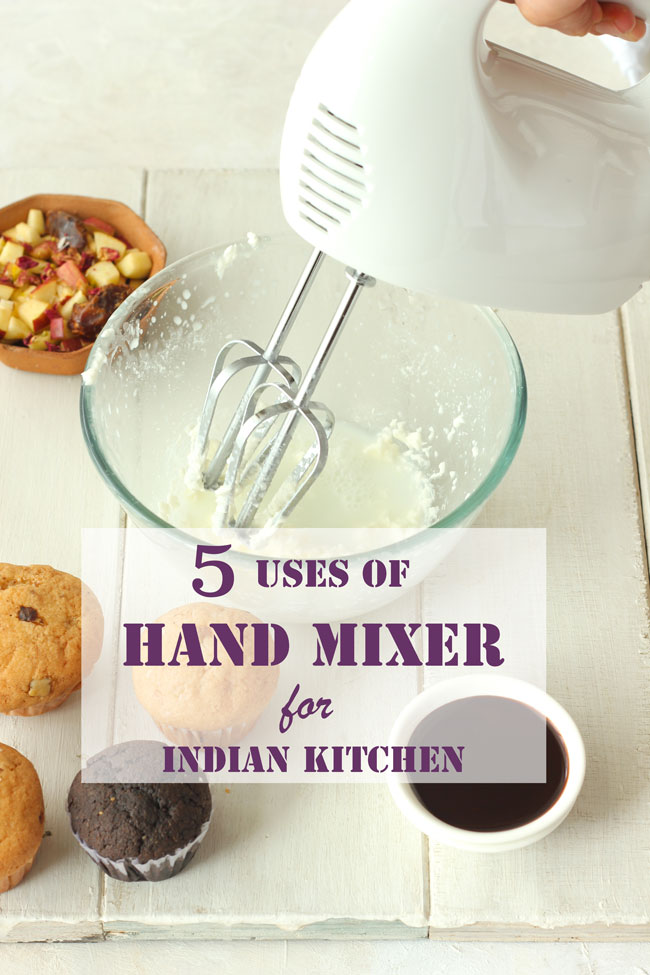
Credit: www.funfoodfrolic.com
Preparing For Mixing
Preparing for mixing is a key step before using your hand mixer. It sets the stage for smooth and efficient mixing. Proper preparation helps avoid messes and ensures better results.
Take your time to get everything ready. This makes the mixing process faster and easier. Follow simple tips to prepare your ingredients and tools.
Selecting The Proper Bowl
Choose a bowl that fits your mixer beaters comfortably. A medium to large bowl works best. It prevents splashing and gives enough space to mix ingredients well.
Use a bowl made of glass, metal, or plastic. Avoid bowls that are too shallow or too small. Deep bowls keep ingredients inside while mixing.
Measuring Ingredients Accurately
Measure ingredients carefully before mixing. Use measuring cups and spoons for precision. Accurate measurements help maintain the recipe’s balance.
Place ingredients on a flat surface for correct measurement. Level off dry ingredients with a knife. This avoids adding too much or too little.
Room Temperature Tips
Use ingredients at room temperature for better mixing. Cold butter or eggs can cause lumps. Let them sit out for 15 to 30 minutes before mixing.
Room temperature ingredients blend more evenly. This leads to smoother batter or dough. It also helps your hand mixer work without strain.
Basic Mixing Techniques
Start by placing ingredients in a bowl and inserting the hand mixer’s beaters. Hold the mixer steady and move it slowly through the mixture. Adjust speed for smooth, even blending without splashing.
Starting At Low Speed
Begin mixing with the hand mixer at the lowest speed. This prevents ingredients from splashing out of the bowl. Low speed helps blend dry and wet ingredients gently. It also avoids overworking the batter or dough.
Gradually Increasing Speed
After the ingredients start to combine, increase the speed step by step. This allows for better control and avoids lumps in the mixture. Moving slowly up in speed helps achieve a smooth texture. High speed too soon can cause mess and uneven mixing.
Proper Hand Movements
Hold the mixer firmly but relaxed. Move it slowly around the bowl in a circular or side-to-side motion. Keep the beaters fully inside the mixture to avoid splatter. Lift the mixer slightly when switching directions. This technique helps mix evenly and saves effort.
:max_bytes(150000):strip_icc()/When-to-Use-a-Stand-Mixer-vs-a-Hand-Mixer-FT-BLOG1224-hero-c15e4d55900041869c0b91b2a7a95d25.jpg)
Credit: www.foodandwine.com
Mixing Different Ingredients
Mixing different ingredients with a hand mixer makes cooking easier and faster. Each type of ingredient needs a special approach for the best results. Understanding how to handle cream, eggs, batter, dough, and other mixes helps you prepare meals perfectly every time.
Whipping Cream And Egg Whites
Use a clean, dry bowl for whipping cream and egg whites. Start on low speed to combine, then increase to high for volume. Stop as soon as stiff peaks form to avoid overmixing. Whipped cream should be smooth and soft, while egg whites must be firm and glossy.
Mixing Batter And Dough
For batter, use the mixer on medium speed. Mix until ingredients blend smoothly without lumps. Dough needs slower speed and shorter time to avoid tough texture. Use the dough hooks if your mixer has them. Watch the texture to know when it is ready.
Incorporating Dry And Wet Ingredients
Add dry ingredients slowly into wet ones while mixing on low speed. This prevents flour or sugar from flying out. Mix just until combined to keep the texture light. Overmixing can make baked goods dense and heavy.
Cleaning And Maintenance
Cleaning and maintaining your hand mixer keeps it working well for a long time. Dirt and food bits can build up, causing problems. Regular care stops this and keeps the mixer safe to use.
Detaching And Washing Parts
First, unplug the mixer. Remove the beaters or attachments carefully. Wash these parts with warm, soapy water. Use a soft brush to clean small holes or crevices. Rinse well and dry completely before storing. Never put the main mixer body in water.
Storing The Mixer Safely
Keep the mixer in a dry place. Avoid spots with high heat or moisture. Wrap the cord loosely to prevent damage. Store attachments in a small container or bag to avoid loss. A clean, safe spot helps the mixer last longer.
Troubleshooting Common Issues
If the mixer stops working, check the power source first. Look for jammed beaters or food stuck in the mixer. Clean the parts and try again. If it makes strange noises, stop using it and inspect for damage. Contact a professional if problems continue.
Safety Tips For Hand Mixer Use
Using a hand mixer can make cooking faster and easier. Safety is very important to avoid accidents. Follow these simple tips to use your hand mixer safely. Stay alert and careful every time you mix.
Avoiding Overheating
Do not run the mixer for too long without breaks. Overheating can damage the motor and cause it to stop working. Let the mixer rest after mixing for a few minutes. This helps the machine cool down and stay safe.
Safe Handling Practices
Always hold the mixer with both hands. Keep fingers away from the beaters while the mixer runs. Turn off and unplug the mixer before changing attachments or cleaning. Use the mixer on a stable surface to prevent slipping or dropping.
Keeping Cords And Outlets Secure
Keep the cord away from hot surfaces and water. Do not let the cord hang off the counter edge. Check the cord and plug for damage before use. Use an outlet that matches the mixer’s power needs to avoid electrical hazards.
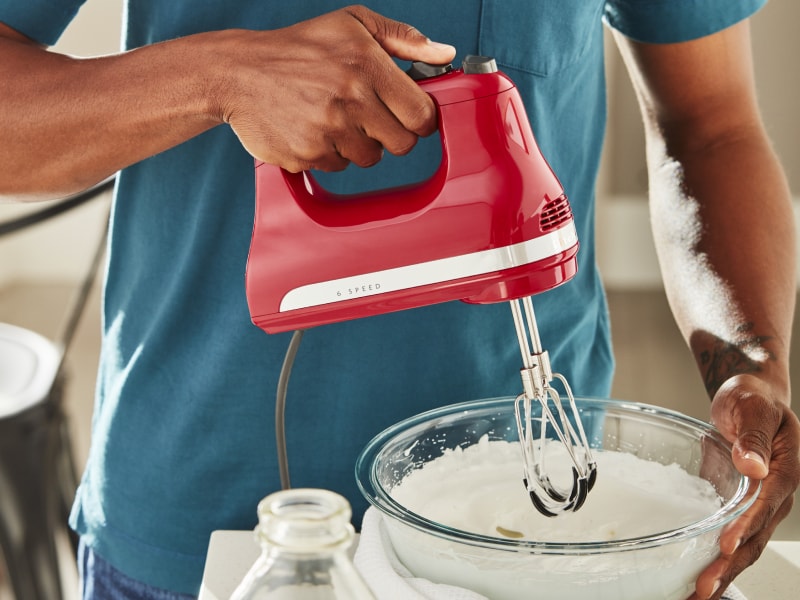
Credit: www.kitchenaid.ca
Frequently Asked Questions
How Do I Use A Hand Mixer Safely?
Always start at the lowest speed to avoid splatters. Keep fingers away from beaters. Unplug before cleaning or changing attachments. Use a stable bowl and hold the mixer firmly during operation.
What Attachments Come With A Hand Mixer?
Most hand mixers include beaters for mixing and dough hooks for kneading. Some models offer whisks for whipping cream or eggs. Attachments are usually easy to install and remove for cleaning.
Can A Hand Mixer Replace A Stand Mixer?
Hand mixers are ideal for small to medium tasks. They are portable and easy to use but less powerful. Stand mixers handle heavy doughs and larger batches better than hand mixers.
How Do I Clean A Hand Mixer Properly?
Unplug the mixer before cleaning. Remove attachments and wash them in warm soapy water. Wipe the mixer body with a damp cloth. Avoid immersing the motor unit in water.
Conclusion
Using a hand mixer makes cooking easier and faster. It helps mix ingredients evenly and saves your energy. Always start at a low speed to avoid splashes. Clean the mixer right after use to keep it working well. Practice a few times to feel comfortable handling it.
Enjoy baking and cooking with less mess and more fun. A hand mixer is a helpful tool in any kitchen. Give it a try and see the difference yourself!