If you’ve ever wondered how to get the most out of your cast iron skillet, you’re in the right place. This simple tool can transform your cooking, making meals tastier and easier to prepare.
But only if you know the right way to use it. Imagine a skillet that heats evenly, lasts forever, and can go from stove to oven without missing a beat. Sounds great, right? By the end of this article, you’ll have all the tips and tricks you need to master your cast iron skillet and elevate your cooking game.
Keep reading—you won’t want to miss these game-changing insights.
:max_bytes(150000):strip_icc()/GettyImages-614986450-2000-f7ac499e535845c2903ff48843e0b142.jpg)
Credit: www.southernliving.com
Choosing The Right Cast Iron Skillet
Choosing the right cast iron skillet makes cooking easier and more enjoyable. The perfect skillet fits your needs and cooking style. Several factors matter when picking the right one. Size, weight, seasoning, and brand quality all play a role. Understanding these helps you make a smart choice.
Size And Weight Options
Cast iron skillets come in many sizes. Small skillets are easy to handle and heat quickly. Large skillets cook more food at once. Think about your cooking habits. Heavy skillets hold heat well but can be hard to lift. Choose a size and weight you can manage comfortably. A 10-inch skillet is a popular, all-purpose choice.
Pre-seasoned Vs. Raw Skillets
Pre-seasoned skillets are ready to use right away. They have a layer of oil baked into the surface. This layer helps stop food from sticking. Raw skillets need seasoning before cooking. Seasoning means coating the skillet with oil and heating it. Raw skillets allow you to build a custom non-stick surface over time.
Brands And Quality
Not all cast iron skillets are the same. Quality affects how well they cook and last. Look for brands known for good craftsmanship. High-quality skillets have a smooth cooking surface. They also resist rust and damage. Reading reviews helps find trusted brands. A good skillet can last for many years.
Credit: abeautifulmess.com
Seasoning Your Skillet
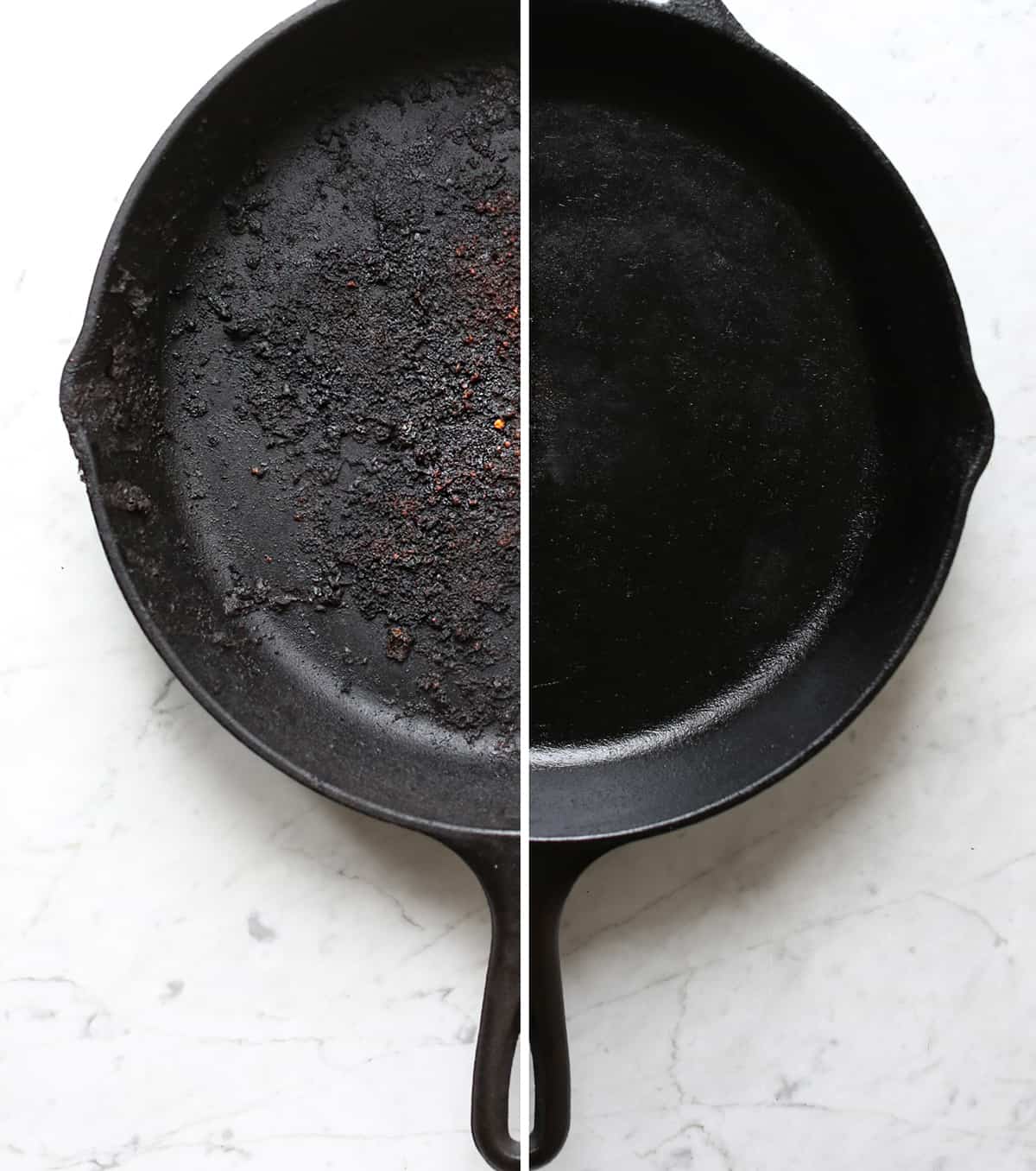
Seasoning your cast iron skillet is key to its performance and durability. This process creates a natural, non-stick surface. It also protects the skillet from rust. Proper seasoning improves cooking results and makes cleaning easier.
Why Seasoning Matters
Seasoning forms a protective layer on the skillet’s surface. This layer stops food from sticking. It also prevents moisture from causing rust. A well-seasoned skillet lasts for many years. It gets better with each use.
Step-by-step Seasoning Process
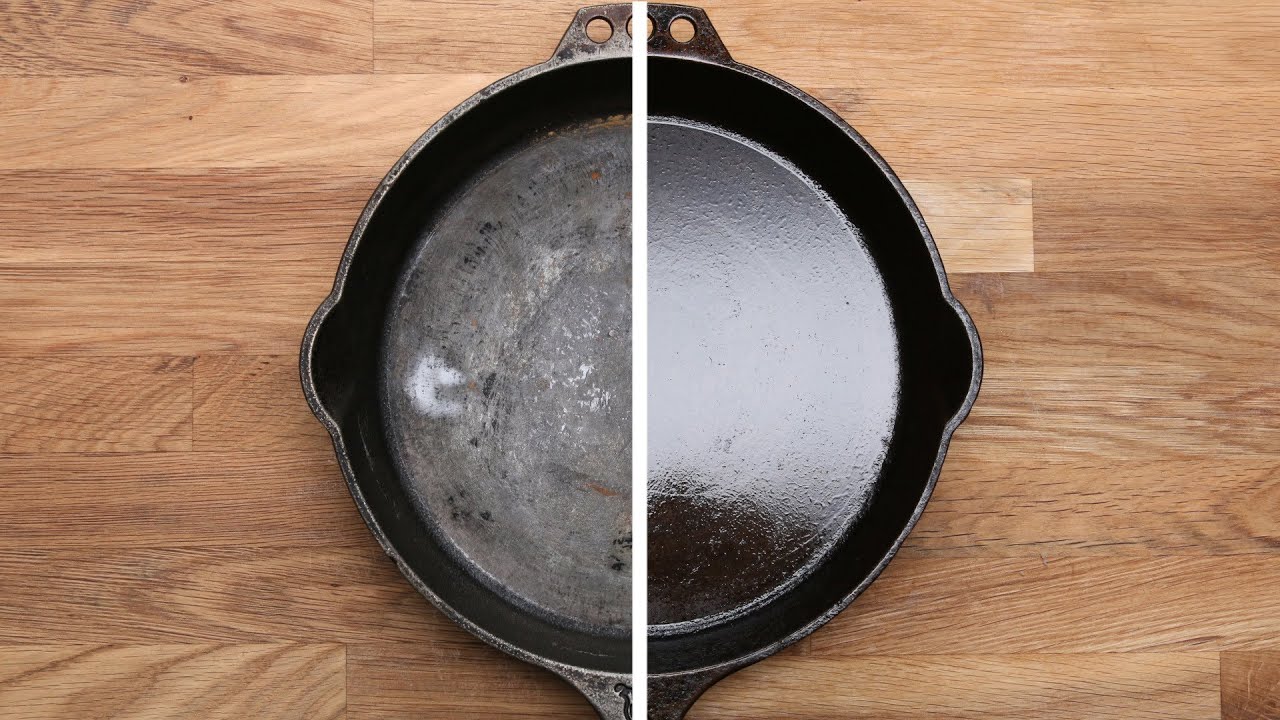
Start by cleaning your skillet with warm water and soap. Dry it completely with a towel or heat on the stove. Apply a thin layer of cooking oil all over the skillet. Use oils with high smoke points like vegetable or flaxseed oil.
Place the skillet upside down in the oven. Set the oven to 450°F (230°C). Bake the skillet for one hour. Turn off the oven and let the skillet cool inside. This process bonds the oil to the iron, creating the seasoning.
Maintaining The Seasoning Layer
Clean your skillet with hot water and a brush after each use. Avoid soap or harsh scrubbing, which can damage the seasoning. Dry the skillet fully to stop rust. Apply a light coat of oil before storing it. This keeps the seasoning strong and ready for your next meal.
Preparing Your Skillet For Cooking
Preparing your cast iron skillet correctly makes cooking easier and keeps the skillet in good shape. This step helps food cook evenly and stops it from sticking. Knowing how to heat your skillet and use oil right will improve your cooking results.
Heating Techniques
Start by warming your skillet slowly. Put it on low or medium heat for a few minutes. This prevents hot spots and avoids warping. Never heat a cold skillet too fast. Let it get warm before adding food or oil.
Using Oil And Fats
Use a small amount of oil or fat to coat the skillet. Choose oils with a high smoke point like vegetable or canola oil. Spread the oil evenly with a paper towel. This helps create a smooth cooking surface and stops food from sticking.
Avoiding Common Mistakes
Do not use too much oil; it can cause sticky spots. Avoid heating the skillet empty for a long time. Do not wash it with soap after every use. These mistakes can damage the skillet’s seasoning and reduce its lifespan.
Credit: www.youtube.com
Cooking Techniques With Cast Iron
Cast iron skillets offer great versatility in the kitchen. Their ability to hold and distribute heat evenly makes them ideal for various cooking methods. Understanding these techniques helps you get the best results. Cooking with cast iron enhances flavors and texture in your meals.
Searing And Browning
Cast iron skillets excel at searing meat and vegetables. The pan’s high heat creates a crispy, brown crust. This crust locks in juices and adds rich flavor. Preheat the skillet until it is very hot. Add a small amount of oil to prevent sticking. Place food in the pan without overcrowding. Let it cook undisturbed for a few minutes. Then, flip to brown the other side. This technique works well for steaks, chicken, and tofu.
Baking And Roasting
Cast iron also works well in the oven. It can bake bread, casseroles, and desserts evenly. The heavy skillet holds heat steady, giving consistent cooking. Preheat the oven and the skillet before use. Pour batter or place food directly in the skillet. Baking in cast iron improves crust and texture. Roasting vegetables or meats in cast iron enhances caramelization. The skillet’s heat retention helps cook food thoroughly and evenly.
Stovetop To Oven Transitions
Cast iron skillets move smoothly from stove to oven. This feature lets you start cooking on the stove and finish in the oven. For example, sear meat on the stovetop, then transfer to the oven to cook through. Use oven mitts when handling hot skillets. Make sure the skillet has no plastic parts before oven use. This method saves time and improves flavor. It also allows for versatile recipes, like frittatas and baked dishes.
Cleaning And Care Tips
Cleaning and caring for your cast iron skillet is key to its long life. Proper care keeps the skillet non-stick and rust-free. A well-maintained skillet improves your cooking experience.
Proper Cleaning Methods
Clean your skillet after each use. Use hot water and a soft brush or sponge. Avoid soap or harsh detergents that can strip the seasoning. For stuck food, scrub gently with coarse salt and water. Dry the skillet immediately with a towel. Never leave it wet or soak it in water.
After drying, apply a thin layer of vegetable oil. This keeps the skillet seasoned and protects the surface.
Dealing With Rust
Rust can form if the skillet stays wet too long. To remove rust, scrub the affected area with steel wool. Rinse and dry the skillet well. Re-season the skillet by applying oil and heating it in the oven. Repeat the oiling and heating a few times for best results.
Storage Recommendations
Store the skillet in a dry place. Avoid stacking it with other cookware without protection. Place a paper towel or cloth between pans to absorb moisture. Keep the skillet uncovered to allow air circulation. Proper storage prevents rust and preserves seasoning.
Recipes Perfect For Cast Iron Skillets
Cast iron skillets work well with many types of recipes. Their even heat and sturdy build make them ideal for cooking a wide variety of dishes. From breakfast to dinner and even desserts, these skillets bring out great flavors and textures. Here are some recipe ideas that shine in a cast iron skillet.
Breakfast Favorites
Start your day with classic breakfast dishes cooked in cast iron. Try crispy fried eggs with golden edges and fluffy scrambled eggs. Sear sausages or bacon evenly for a hearty plate. Make a skillet hash with potatoes, peppers, and onions for a filling meal. You can even bake a fluffy frittata right in the pan. The skillet gives a nice crust and cooks everything evenly.
Hearty Main Courses
Cast iron skillets are perfect for main meals that need steady heat. Sear steaks to get a rich crust, then finish cooking in the oven. Prepare chicken thighs with crispy skin and juicy meat inside. Cook stir-fried vegetables and meat for a quick and tasty dinner. One-pan meals like chili or casseroles also turn out great. The skillet’s heat retention helps all flavors blend well.
Delicious Desserts
Casting a sweet spell with desserts is easy in a cast iron skillet. Bake a warm apple crisp with a crunchy topping. Try skillet brownies with gooey centers and crispy edges. Make cornbread or coffee cake that bakes evenly with a golden crust. The even heat helps desserts cook through without burning. Serve straight from the skillet for a rustic and cozy feel.
Troubleshooting Common Issues
Troubleshooting common issues with cast iron skillets helps keep them in great shape. These problems can affect cooking results and the skillet’s lifespan. Simple fixes can solve most issues fast.
Sticky Surfaces
Sticky surfaces happen when the skillet is not properly seasoned. Food sticks and cleanup becomes hard. To fix this, scrub the pan gently with hot water and a brush. Avoid soap as it removes seasoning.
Dry the skillet completely. Then, apply a thin layer of oil. Heat the pan on low for 10 minutes. This rebuilds the non-stick layer and stops food from sticking.
Uneven Heating
Uneven heating causes food to cook poorly. Some parts burn while others stay raw. This often happens with thin or damaged skillets. Use a thicker pan for better heat distribution.
Preheat the skillet slowly over medium heat. Avoid high heat that can warp the metal. Stir food often to cook it evenly. Use a burner that matches the skillet size.
Cracks And Damage
Cracks or chips can make the skillet unsafe. They may worsen with use and cause leaks. Inspect the pan regularly for signs of damage. Avoid dropping or hitting the skillet hard.
Small cracks cannot be fixed easily. Replace the skillet if damage is severe. Taking care of the pan prevents most cracks and prolongs its life.
Frequently Asked Questions
How Do I Season A Cast Iron Skillet?
To season, coat the skillet with a thin layer of oil. Bake it upside down at 375°F for one hour. Let it cool completely. This process creates a natural, non-stick surface and prevents rust.
Can I Use Soap On A Cast Iron Skillet?
Avoid harsh soaps as they remove seasoning. Use warm water and a brush or sponge instead. For stubborn residue, scrub with coarse salt and rinse. Dry immediately to prevent rust.
How Do I Clean A Cast Iron Skillet Properly?
Clean with warm water and a stiff brush right after use. Avoid soaking or dishwasher. Dry thoroughly and apply a light oil coat to maintain seasoning and prevent rust.
What Foods Should I Avoid Cooking In Cast Iron?
Avoid cooking acidic foods like tomatoes or vinegar-based sauces initially. Acid can strip seasoning. Once well-seasoned, occasional acidic cooking is fine but monitor skillet condition.
Conclusion
Cooking with a cast iron skillet brings great flavor and durability. Clean it well after each use to keep it in good shape. Season it regularly to avoid rust and stickiness. Heat it slowly for even cooking and better results.
With simple care, your skillet lasts for many years. Enjoy delicious meals made easy with this kitchen tool. Try different recipes and see the difference yourself. Cast iron skillets are a smart choice for home cooks.