

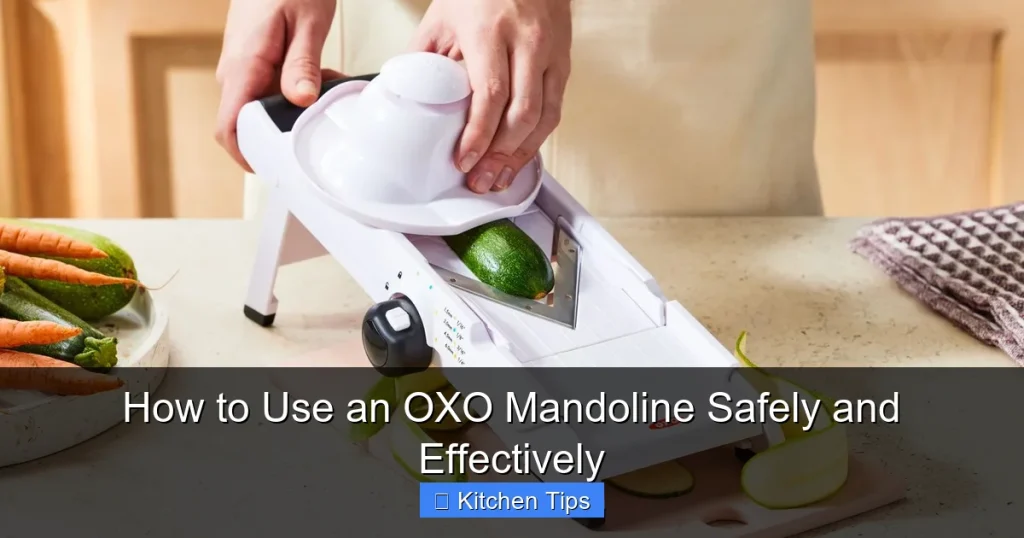

Using an OXO mandoline doesn’t have to be intimidating—this guide shows you how to slice, julienne, and shred safely and efficiently. With the right techniques and safety tools, you’ll get restaurant-quality results at home in no time.
If you’ve ever watched a cooking show and marveled at those perfectly even potato slices or delicate julienne carrots, chances are a mandoline was behind the magic. And if you’ve recently picked up an OXO mandoline, you’re holding one of the most user-friendly and reliable tools in modern kitchens. But let’s be honest—mandolines have a bit of a reputation. They’re sharp, fast, and unforgiving if you’re not careful. That’s why knowing how to use an OXO mandoline safely and effectively is essential.
The good news? The OXO Good Grips Mandoline Slicer is designed with both performance and safety in mind. It features a sturdy, non-slip base, adjustable thickness settings, multiple blade options, and—most importantly—a food holder that keeps your fingers far from the blade. Whether you’re prepping ingredients for a stir-fry, making homemade potato chips, or creating a colorful veggie platter, this tool can save you time and deliver consistent results. But like any kitchen gadget, it only works well when used correctly.
In this guide, we’ll walk you through everything you need to know—from setup and safety to cleaning and storage—so you can master your OXO mandoline with confidence. No more uneven slices, no more wasted produce, and definitely no more bandaged fingers. Let’s dive in.
Key Takeaways
- Always use the food holder: The included food holder protects your fingers and ensures even slicing.
- Choose the right blade setting: Adjust the thickness dial for everything from paper-thin potatoes to chunky vegetable sticks.
- Clean immediately after use: Rinse blades and parts right away to prevent food buildup and make cleaning easier.
- Store with the blade guard on: This prevents accidental cuts and keeps the mandoline safe when not in use.
- Practice on soft vegetables first: Start with cucumbers or zucchini before tackling harder items like carrots or sweet potatoes.
- Use steady, even pressure: Let the blade do the work—don’t force the food through.
- Keep hands dry and clean: Wet hands increase the risk of slipping and injury.
Quick Answers to Common Questions
Can I use the OXO mandoline without the food holder?
No, you should never use the mandoline without the food holder. It’s designed to protect your fingers from the sharp blade. Skipping it greatly increases the risk of cuts and injuries.
Is the OXO mandoline dishwasher safe?
Most OXO mandoline parts are dishwasher safe, but always check your model’s manual. The blade and food holder can usually go on the top rack, but hand-washing is recommended for longevity.
What’s the thinnest slice I can get?
The OXO mandoline can slice as thin as 0.5mm, perfect for carpaccio, chips, or translucent vegetable garnishes.
Can I julienne with the OXO mandoline?
Yes, if your model includes a julienne blade. It creates matchstick cuts ideal for salads, stir-fries, and slaws.
How do I prevent my mandoline from slipping?
Place a damp paper towel or silicone mat under the base to increase grip. Always use it on a dry, flat surface.
📑 Table of Contents
Understanding Your OXO Mandoline
Before you start slicing, it’s important to get familiar with the parts of your OXO mandoline. This isn’t just about knowing where the buttons are—it’s about understanding how each component works together to make your prep safer and more efficient.
Main Components
The OXO mandoline typically includes a base with a non-slip foot, an adjustable thickness dial, interchangeable blades, a food holder, and a blade guard. The base is where the food slides across the blade, and the non-slip foot keeps the entire unit stable on your countertop. The thickness dial lets you choose how thick or thin you want your slices—ranging from 0.5mm to 10mm. This is perfect for everything from translucent tomato slices to hearty potato wedges.
Blade Options
Most OXO mandolines come with two or three blade inserts: a straight blade for slicing, a wavy blade for crinkle cuts, and sometimes a julienne blade for matchstick cuts. These blades are made from high-quality stainless steel and are designed to stay sharp over time. The straight blade is your go-to for most tasks, while the wavy blade adds a fun texture to fries or chips. The julienne blade is ideal for salads, slaws, or garnishes.
Food Holder and Safety Features
The food holder is arguably the most important part of the mandoline. It grips your vegetable or fruit securely and allows you to push it down the ramp without ever getting your fingers near the blade. OXO also includes a blade guard that covers the blade when not in use—this is crucial for safe storage and transport. Always use the food holder, even if you’re in a hurry. It only takes one slip to turn a quick prep session into a trip to the ER.
Setting Up Your Mandoline Safely
Now that you know what each part does, it’s time to set up your mandoline for safe and effective use. Proper setup not only prevents accidents but also ensures consistent, high-quality cuts.
Choose a Stable Surface
Start by placing your mandoline on a flat, dry, and non-slip surface. A silicone mat or a damp paper towel under the base can help prevent it from sliding around. Never use your mandoline on a wet or cluttered counter—this increases the risk of the unit tipping or your hand slipping.

Visual guide about How to Use an OXO Mandoline Safely and Effectively
Image source: chefscornerstore.com
Insert the Correct Blade
Make sure the right blade is securely in place. To insert a blade, lift the blade carrier (the part that holds the blade) and slide the desired blade into the slot. Push it in until it clicks. Double-check that it’s locked in—loose blades can cause uneven cuts or even damage the mandoline.
Adjust the Thickness Setting
Turn the thickness dial to your desired setting. For thin slices (like for chips or carpaccio), choose a low number (1–3). For thicker cuts (like for gratins or roasting), go higher (6–10). If you’re unsure, start with a medium setting and adjust as needed. Remember: it’s easier to make slices thinner than to fix overly thick ones.
Attach the Food Holder
Slide the food holder onto the food guide at the top of the mandoline. Make sure it’s snug and secure. The food holder has prongs that grip the food, so it won’t slip as you push it down. This is your first line of defense against cuts.
How to Use the OXO Mandoline Step by Step
With your mandoline set up, you’re ready to start slicing. Follow these steps for safe, consistent results every time.
Prepare Your Ingredients
Wash and peel your vegetables or fruits as needed. Trim off any uneven ends so the food sits flat against the food holder. For round items like potatoes or onions, slice off a small portion to create a flat surface—this helps prevent rolling and ensures even pressure.

Visual guide about How to Use an OXO Mandoline Safely and Effectively
Image source: assets.surlatable.com
Load the Food Holder
Place the prepared food onto the food holder, pressing it down so the prongs grip it firmly. Don’t overload the holder—work in small batches to maintain control. For smaller pieces, you can use the food holder’s smaller compartment or switch to the hand guard (if your model includes one).
Slide with Steady Pressure
Hold the food holder firmly with both hands and slide it down the ramp in one smooth motion. Apply even pressure—don’t press too hard or too fast. Let the blade do the work. If the food gets stuck, lift the holder slightly and continue. Never use your fingers to push food through.
Repeat and Collect
Continue slicing until the food is too small to hold securely. At that point, discard the leftover core or use it in a stew or soup. Collect your slices in a bowl or on a tray as you go. For julienne cuts, you may need to rotate the food 90 degrees between passes to get even sticks.
Example: Slicing Potatoes for Chips
Let’s say you’re making homemade potato chips. Peel two medium potatoes and trim the ends. Set the thickness dial to 1 (about 1mm). Load one potato into the food holder and slide it down the ramp. Repeat until the potato is sliced. Rinse the slices in cold water to remove excess starch, pat dry, and fry or bake. The result? Crispy, evenly cooked chips every time.
Safety Tips and Best Practices
Even with safety features, mandolines can be dangerous if used carelessly. Here are some essential tips to keep your fingers intact and your experience positive.
Always Use the Food Holder
This cannot be stressed enough. The food holder is designed to keep your hands away from the blade. Even if you’re experienced, never skip this step. Fatigue, distraction, or a slippery vegetable can lead to accidents in seconds.

Visual guide about How to Use an OXO Mandoline Safely and Effectively
Image source: i.pinimg.com
Keep Hands Dry
Wet hands are more likely to slip. Dry your hands thoroughly before handling the mandoline or food. If your food is wet (like a freshly washed cucumber), pat it dry with a paper towel before slicing.
Work in Good Lighting
Make sure your workspace is well-lit so you can see what you’re doing. Poor lighting increases the risk of mistakes and accidents.
Take Breaks
If you’re prepping a large quantity, take short breaks. Fatigue leads to carelessness. A few seconds of rest can make a big difference in safety.
Never Leave the Mandoline Unattended
Especially if you have kids or pets around, always store the mandoline with the blade guard on when not in use. And never let children use it without close supervision.
Cleaning and Maintenance
Keeping your OXO mandoline clean not only extends its life but also ensures food safety and optimal performance.
Disassemble After Use
Remove the blade carrier, food holder, and any other removable parts. Most OXO mandolines are dishwasher safe, but check your model’s instructions. If hand-washing, use warm, soapy water and a soft sponge.
Rinse Immediately
Don’t let food dry on the blades. Starchy foods like potatoes can harden and become difficult to remove. Rinse all parts under running water right after use.
Clean the Blade Carefully
Use a brush (like a bottle brush or a dedicated blade cleaner) to gently scrub the blade. Never use your fingers to wipe the blade—even when it’s clean, it’s still sharp. A toothbrush works well for getting into small crevices.
Dry Thoroughly
Let all parts air dry completely before reassembling or storing. Moisture can lead to rust or mold, especially in hard-to-reach areas.
Store Safely
Always store the mandoline with the blade guard on. Keep it in a dry place, away from children. Some models come with a storage case—use it if available.
Troubleshooting Common Issues
Even with proper use, you might run into a few hiccups. Here’s how to solve the most common problems.
Uneven Slices
If your slices are uneven, check that the food is flat against the holder and that you’re applying steady pressure. Also, make sure the blade is securely locked in place.
Food Getting Stuck
This often happens with soft or sticky foods like tomatoes or ripe peaches. Try chilling the food in the fridge for 10–15 minutes before slicing. This firms them up and makes them easier to cut.
Blade Dulling
Over time, blades can lose their sharpness. Avoid cutting hard items like frozen vegetables or bones. If the blade feels dull, contact OXO—they often offer replacement parts or warranties.
Mandoline Slipping
If the base slides around, place a damp paper towel or silicone mat underneath. Make sure the counter is dry and clean.
Creative Ways to Use Your OXO Mandoline
Once you’re comfortable with the basics, try these fun and practical ideas to get the most out of your mandoline.
- Homemade Potato Chips: Slice potatoes thin, soak in cold water, dry, and bake or fry until crispy.
- Zucchini Noodles: Use the julienne blade to make low-carb “zoodles” for pasta alternatives.
- Apple Chips: Slice apples, toss with cinnamon, and bake until crisp.
- Vegetable Slaw: Julienne cabbage, carrots, and bell peppers for a crunchy, colorful slaw.
- Fruit Platters: Create elegant, even slices of melon, kiwi, or strawberries for desserts.
- Gratin Toppings: Layer thin potato or sweet potato slices in a baking dish for a golden, crispy finish.
With a little practice, your OXO mandoline will become one of your most-used kitchen tools. It’s fast, precise, and opens up a world of culinary possibilities.
Final Thoughts
Learning how to use an OXO mandoline safely and effectively is a game-changer for any home cook. It saves time, reduces waste, and delivers professional-quality cuts with minimal effort. The key is respecting the tool—using the safety features, maintaining it properly, and practicing good habits.
Remember, the food holder isn’t optional. The blade guard isn’t just for storage. And cleaning right after use isn’t a suggestion—it’s essential. When you treat your mandoline with care, it will reward you with years of reliable service.
So go ahead—slice those potatoes, julienne those carrots, and wow your family with perfectly even veggie chips. With the tips in this guide, you’re ready to master your OXO mandoline like a pro.
Frequently Asked Questions
How do I clean the blade on my OXO mandoline?
Remove the blade carrier and rinse it immediately after use. Use a soft brush or toothbrush with warm, soapy water to gently clean the blade. Never wipe the blade with your fingers.
Can I slice frozen vegetables with my mandoline?
It’s not recommended. Frozen vegetables are too hard and can damage the blade or cause the food to shatter, leading to uneven cuts or injury.
What should I do if the blade feels dull?
Contact OXO customer service. Many models come with a warranty, and they may offer replacement blades or repair options.
Is the OXO mandoline suitable for left-handed users?
Yes, the design is ambidextrous. The food holder and controls work the same way regardless of which hand you use.
Can I use the mandoline for cheese or meat?
The mandoline is designed for fruits and vegetables. Hard cheeses might work, but meats are too soft and can clog the blade or tear unevenly.
How often should I replace the blades?
With proper care, OXO blades can last for years. Replace them if they become dull, damaged, or if slicing becomes difficult despite cleaning.