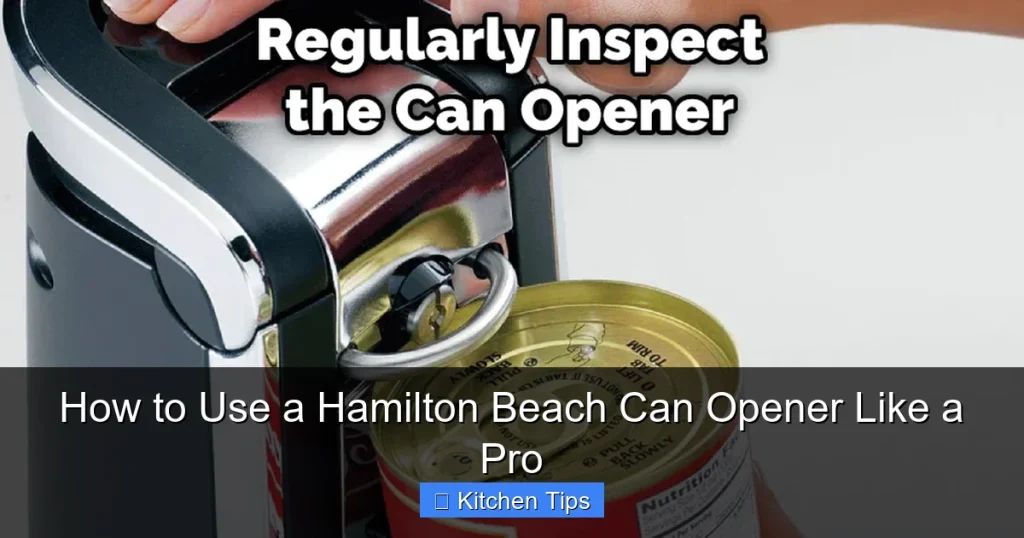

Master your Hamilton Beach can opener with ease—this guide covers setup, operation, cleaning, and pro tips to make opening cans fast, safe, and mess-free. Whether you’re a beginner or looking to upgrade your skills, you’ll learn everything you need to use your can opener efficiently and keep it in top shape for years.
Opening cans doesn’t have to be a struggle—especially when you’ve got a reliable Hamilton Beach can opener on your countertop. Whether you’re a busy parent, a college student, or someone who just loves cooking from scratch, knowing how to use a Hamilton Beach can opener like a pro can save you time, reduce frustration, and even prevent kitchen accidents. These sleek, electric can openers are designed for convenience, but like any kitchen tool, they work best when you understand how to use them properly.
Hamilton Beach has been a trusted name in kitchen appliances for decades, and their can openers are no exception. Known for their durability, ease of use, and hands-free operation, these devices take the hassle out of opening cans of soup, beans, tuna, or even pet food. But even the best tools can underperform if not used correctly. That’s why this guide is here—to walk you through every step, from unboxing to daily use, cleaning, and troubleshooting. By the end, you’ll feel confident using your Hamilton Beach can opener like a seasoned pro.
Key Takeaways
- Proper setup ensures smooth operation: Always check the power source and blade alignment before use to avoid jams or uneven cuts.
- Hands-free convenience is built-in: Most Hamilton Beach can openers automatically stop when the lid is fully removed—no need to monitor constantly.
- Clean after every use: Wipe down the cutting mechanism and base regularly to prevent food buildup and maintain hygiene.
- Use the right can size: While versatile, avoid extremely large or dented cans that may strain the motor or cause misalignment.
- Safety first: Keep fingers away from the cutting wheel and never force the opener—let it do the work.
- Store properly: Keep your can opener in a dry, accessible spot to extend its lifespan and ensure quick access.
- Troubleshoot common issues: If it stops mid-cycle or makes odd noises, check for obstructions or worn parts.
Quick Answers to Common Questions
Can I use my Hamilton Beach can opener on all can sizes?
Most models handle standard-sized cans well, but avoid extremely large or dented cans that may strain the motor or cause misalignment.
Does the can opener stop automatically?
Yes, most Hamilton Beach can openers have an automatic stop feature that halts the motor once the lid is fully cut.
Can I wash the can opener in the dishwasher?
No, the main unit should never be submerged. Only removable parts (if any) can be washed by hand in warm, soapy water.
Why is my can opener making a grinding noise?
This could mean the blade is dull, the can is too thick, or there’s food debris blocking the mechanism. Clean and inspect the parts.
How often should I replace the cutting blade?
Replace the blade every 1–2 years with regular use, or sooner if you notice uneven cuts or increased resistance.
📑 Table of Contents
Getting Started: Setting Up Your Hamilton Beach Can Opener
Before you even think about opening your first can, it’s important to set up your Hamilton Beach can opener correctly. This ensures smooth operation and helps prevent common issues like jamming or uneven cuts. Most models come pre-assembled, but it’s still worth double-checking a few key components.
Unboxing and Initial Inspection
When you first open the box, remove all packaging materials and inspect the can opener for any visible damage. Look at the cutting wheel, the gear mechanism, and the base. Make sure nothing is loose or misaligned. If you notice anything unusual, contact customer support before use.
Next, locate the instruction manual—yes, it’s worth reading! While many features are intuitive, the manual often includes model-specific tips and safety warnings. For example, some Hamilton Beach can openers have a built-in bottle opener or knife sharpener, which you’ll want to know about.
Power Source and Placement
Most Hamilton Beach can openers are electric and require a standard wall outlet. Plug it into a grounded outlet away from water sources. Avoid using extension cords if possible, as they can reduce power and increase the risk of tripping.
Place the can opener on a flat, stable surface—preferably near your food prep area. Make sure there’s enough clearance above and around it so the can can rotate freely. Some models have a magnetic lid holder that lifts the lid once it’s cut, so you’ll want space for that action.
Blade and Gear Alignment Check
Before your first use, gently press the lever to ensure the cutting wheel moves smoothly. The blade should align properly with the gear that grips the can’s rim. If it looks off, don’t force it—adjust the positioning or consult the manual. Proper alignment prevents jams and ensures a clean cut every time.
Step-by-Step Guide to Using Your Hamilton Beach Can Opener

Visual guide about How to Use a Hamilton Beach Can Opener Like a Pro
Image source: i.pinimg.com
Now that your can opener is set up, it’s time to put it to work. Using a Hamilton Beach can opener is surprisingly simple, but following the right steps makes all the difference.
Step 1: Prepare the Can
Start with a clean, undamaged can. Remove any labels or residue that might interfere with the opener. Check the rim for dents or sharp edges—these can cause the opener to slip or jam. If the can is severely dented, it’s safer to use a manual opener or transfer the contents to a bowl.
Step 2: Position the Can
Place the can on the base of the opener, aligning the rim with the cutting wheel and the gear. The can should sit snugly but not too tight. Most Hamilton Beach models have a guide or notch to help you position it correctly.
Step 3: Activate the Opener
Press down on the lever to engage the cutting mechanism. The motor will start, and the can will begin to rotate. The cutting wheel will pierce the lid and move around the rim, creating a smooth, even cut. You’ll hear a slight humming sound—this is normal.
One of the best features of Hamilton Beach can openers is their automatic stop function. Once the lid is completely cut, the motor stops on its own. This means you don’t have to stand there watching—perfect for multitasking in the kitchen.
Step 4: Remove the Lid
After the motor stops, lift the lever to release the can. Many models have a magnetic lid holder that lifts the cut lid away from the can, reducing the risk of cuts from sharp edges. Simply tilt the opener slightly to drop the lid into the trash.
If your model doesn’t have a magnetic holder, use a utensil or your fingers (carefully!) to remove the lid. Never use your bare hands on the cut edge—it can be surprisingly sharp.
Step 5: Clean Up
Wipe the can opener with a damp cloth to remove any food residue. Avoid submerging the unit in water—only the removable parts (if any) should be washed. This quick cleanup prevents buildup and keeps your opener hygienic.
Safety Tips for Safe and Efficient Use
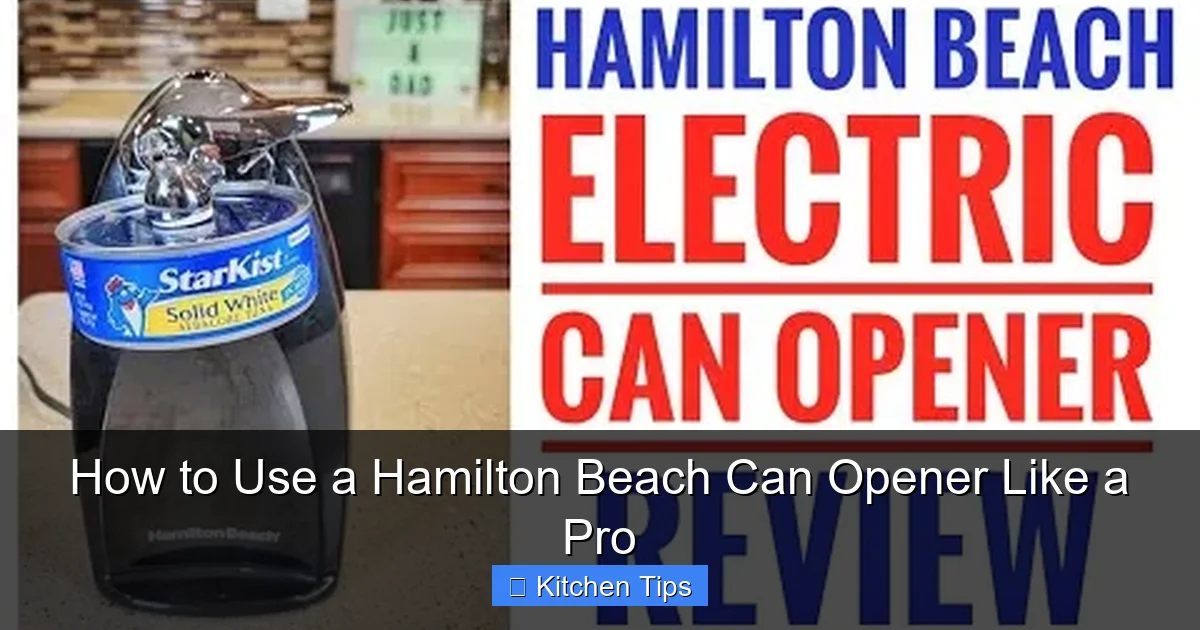
Visual guide about How to Use a Hamilton Beach Can Opener Like a Pro
Image source: i.ytimg.com
While Hamilton Beach can openers are designed with safety in mind, it’s still important to follow a few best practices to avoid accidents and extend the life of your appliance.
Keep Fingers Clear
Never place your fingers near the cutting wheel while the opener is in use. Even though the motor stops automatically, the blade can still cause injury if touched. Teach children to stay away during operation.
Avoid Overloading the Motor
Don’t force the opener to cut through thick or frozen cans. If the motor struggles or makes a grinding noise, stop immediately. Let the can thaw or use a manual opener for tough jobs.
Use on Stable Surfaces Only
Never use the can opener on an uneven or slippery surface. A sudden shift could cause the can to tip or the opener to malfunction.
Unplug When Not in Use
For added safety, unplug the can opener when cleaning or storing it. This prevents accidental activation and reduces energy consumption.
Cleaning and Maintenance for Long-Lasting Performance
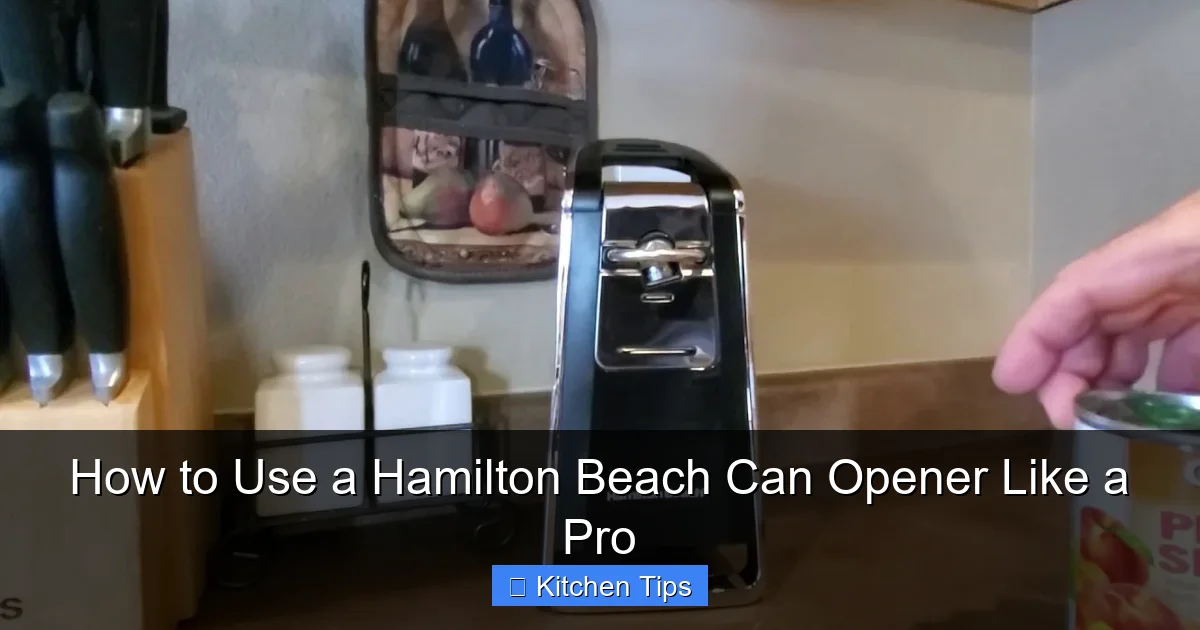
Visual guide about How to Use a Hamilton Beach Can Opener Like a Pro
Image source: i.ytimg.com
Regular cleaning and maintenance are key to keeping your Hamilton Beach can opener in top condition. A well-maintained opener works better, lasts longer, and is safer to use.
Daily Cleaning Routine
After each use, wipe the exterior and the cutting area with a damp cloth. Pay special attention to the blade and gear—food particles can accumulate here and affect performance. Use a soft brush (like an old toothbrush) to gently scrub hard-to-reach spots.
Deep Cleaning Monthly
Once a month, do a more thorough cleaning. Unplug the unit and remove any detachable parts, such as the cutting blade or lid holder (if your model allows). Wash these parts in warm, soapy water, rinse, and dry completely before reassembling.
Lubrication and Inspection
Check the gears and moving parts for wear. If the opener starts to slow down or make unusual noises, it may need lubrication. Use a food-safe lubricant sparingly on the gears—never oil the motor or electrical components.
Also, inspect the power cord for fraying or damage. A damaged cord is a safety hazard and should be replaced immediately.
Troubleshooting Common Issues
Even the best appliances can run into problems. Here’s how to fix the most common issues with your Hamilton Beach can opener.
Opener Won’t Start
First, check that it’s plugged in and the outlet is working. Try plugging in another device to test the outlet. If the opener still doesn’t start, the motor may be overheated—wait 10–15 minutes and try again.
Can Gets Stuck or Jams
This usually happens if the can is dented or too large. Remove the can carefully and inspect the blade for damage. Clean any food debris that may be blocking the mechanism.
Uneven or Incomplete Cuts
This could mean the blade is dull or misaligned. Check the alignment and replace the blade if necessary. Some models have replaceable blades—check your manual for details.
Lid Doesn’t Lift Automatically
If the magnetic lid holder isn’t working, clean the magnet with a cloth. Food residue can reduce its effectiveness. Also, ensure the lid is fully cut before expecting it to lift.
Pro Tips to Maximize Efficiency
Now that you know the basics, here are some pro tips to take your can-opening game to the next level.
Use It for More Than Just Cans
Many Hamilton Beach models include a bottle opener and knife sharpener. Use these features to save space and reduce clutter in your kitchen drawer.
Open Multiple Cans in a Row
The motor is designed for continuous use, so feel free to open several cans one after another. Just make sure to clean the blade between uses if you’re switching between sweet and savory foods.
Store It Properly
Keep your can opener in a dry, accessible spot. Some models have a built-in cord wrap for neat storage. Avoid storing it in humid areas like under the sink.
Replace Blades When Needed
A dull blade makes opening cans harder and increases the risk of jams. Replace the blade as recommended in the manual—usually every 1–2 years with regular use.
Conclusion
Using a Hamilton Beach can opener like a pro isn’t just about convenience—it’s about safety, efficiency, and getting the most out of your kitchen tools. With the right setup, proper technique, and regular maintenance, your can opener will serve you well for years to come. Whether you’re opening a can of tomatoes for pasta sauce or tuna for a quick lunch, you’ll do it faster, safer, and with less mess.
Remember, the key to mastering any appliance is understanding how it works and treating it with care. Follow the steps in this guide, keep your opener clean, and don’t hesitate to troubleshoot when needed. Soon, you’ll wonder how you ever cooked without it.
So go ahead—grab that can, press the lever, and let your Hamilton Beach can opener do the work. Your kitchen (and your fingers) will thank you.
Frequently Asked Questions
How do I clean the cutting blade on my Hamilton Beach can opener?
Unplug the unit and use a damp cloth or soft brush to wipe away food residue. For deeper cleaning, remove the blade (if detachable) and wash it in warm, soapy water. Always dry thoroughly before reassembling.
My can opener won’t start—what should I do?
First, check that it’s properly plugged in and the outlet is working. If the motor is overheated, wait 10–15 minutes before trying again. If it still doesn’t start, inspect the power cord for damage.
Can I open frozen cans with my Hamilton Beach can opener?
It’s not recommended. Frozen cans can be too hard for the motor, leading to jams or damage. Let the can thaw completely before opening.
Is it safe to leave the can opener plugged in all the time?
While it’s generally safe, unplugging it when not in use reduces energy consumption and minimizes the risk of electrical issues. It’s a good habit, especially if you have young children.
Why does the lid sometimes stay stuck on the can?
This can happen if the cut isn’t complete or if the magnetic lid holder is dirty. Ensure the opener runs the full cycle and clean the magnet regularly to maintain its lifting power.
Can I use the can opener to sharpen knives?
Some Hamilton Beach models include a built-in knife sharpener. Check your model’s features—if it has one, follow the manual’s instructions for safe and effective use.