



Roast chicken drying out is a common kitchen frustration, but it’s completely avoidable with the right techniques. By mastering brining, proper seasoning, temperature control, and resting, you can serve a juicy, golden-brown roast chicken every single time.
There’s something deeply satisfying about pulling a golden, crispy-skinned roast chicken out of the oven—its aroma filling the kitchen, promising a meal that’s both comforting and impressive. But too often, that promise ends in disappointment. You slice into the breast, only to find it dry, stringy, and lacking the succulence you were hoping for. Sound familiar? You’re not alone. Roast chicken drying out is one of the most common culinary letdowns, even for experienced home cooks.
The good news? It doesn’t have to be this way. With a few smart techniques and a little understanding of how heat and moisture interact with poultry, you can consistently serve a juicy, flavorful roast chicken that has everyone asking for seconds. Whether you’re cooking for a weeknight dinner or a holiday feast, mastering the art of moisture retention is key. This guide will walk you through every step—from prep to plating—so you can stop roast chicken drying out for good.
Key Takeaways
- Brine your chicken: Soaking chicken in saltwater (wet brine) or using a dry brine draws moisture into the meat, ensuring it stays juicy during roasting.
- Don’t overcook: Use a meat thermometer to cook chicken to 165°F (74°C) in the thickest part—overcooking is the #1 cause of dryness.
- Let it rest: Resting for 15–20 minutes after roasting allows juices to redistribute, preventing them from spilling out when carved.
- Use the right pan and rack: Roast on a rack in a shallow pan to allow even heat circulation and prevent the bottom from steaming.
- Truss or spatchcock for even cooking: Trussing keeps legs close to the body, while spatchcocking flattens the bird for faster, more uniform roasting.
- Add fat and moisture: Basting with butter or placing aromatics and liquid in the cavity helps keep the meat moist.
- Start hot, then lower the heat: Begin roasting at 425°F (220°C) to crisp the skin, then reduce to 350°F (175°C) to cook gently without drying.
Quick Answers to Common Questions
Can I brine a frozen chicken?
No, always thaw the chicken completely before brining. Brining works best on fully defrosted meat, and frozen chicken won’t absorb the brine properly.
How do I know when roast chicken is done?
Use a meat thermometer. Insert it into the thickest part of the breast (without touching bone)—it should read 160°F (71°C). The thigh should be 170°F (77°C). The temperature will rise 5°F during resting.
Can I roast chicken at 375°F the whole time?
Yes, but starting at 425°F helps crisp the skin. If you prefer one temperature, 375°F works, but expect slightly less browning.
Should I cover roast chicken while cooking?
No. Covering traps steam and prevents the skin from crisping. Only tent loosely with foil during resting.
Can I use chicken broth instead of water for brining?
Yes, but reduce or omit added salt since broth is already salty. Use low-sodium broth and adjust salt to taste.
📑 Table of Contents
Why Does Roast Chicken Dry Out?
Before we dive into solutions, it’s important to understand why roast chicken dries out in the first place. Chicken breast meat, in particular, is lean and contains less fat than dark meat. When exposed to high heat for too long, the proteins in the meat contract and squeeze out moisture, leaving the meat dry and tough. This process happens quickly—just a few degrees over the ideal internal temperature can make a big difference.
Another factor is evaporation. As the chicken roasts, moisture naturally escapes from the surface and interior. Without proper preparation or cooking methods, that moisture isn’t replaced or retained. Additionally, uneven cooking—like a breast that’s done before the thighs—can lead to overcooked, dry sections while other parts are still underdone.
Finally, many home cooks skip crucial steps like brining or resting, which are essential for juiciness. It’s not just about cooking the chicken—it’s about preparing it properly and treating it right after it comes out of the oven. Once you understand these underlying causes, you’re already halfway to solving the problem.
Master the Art of Brining
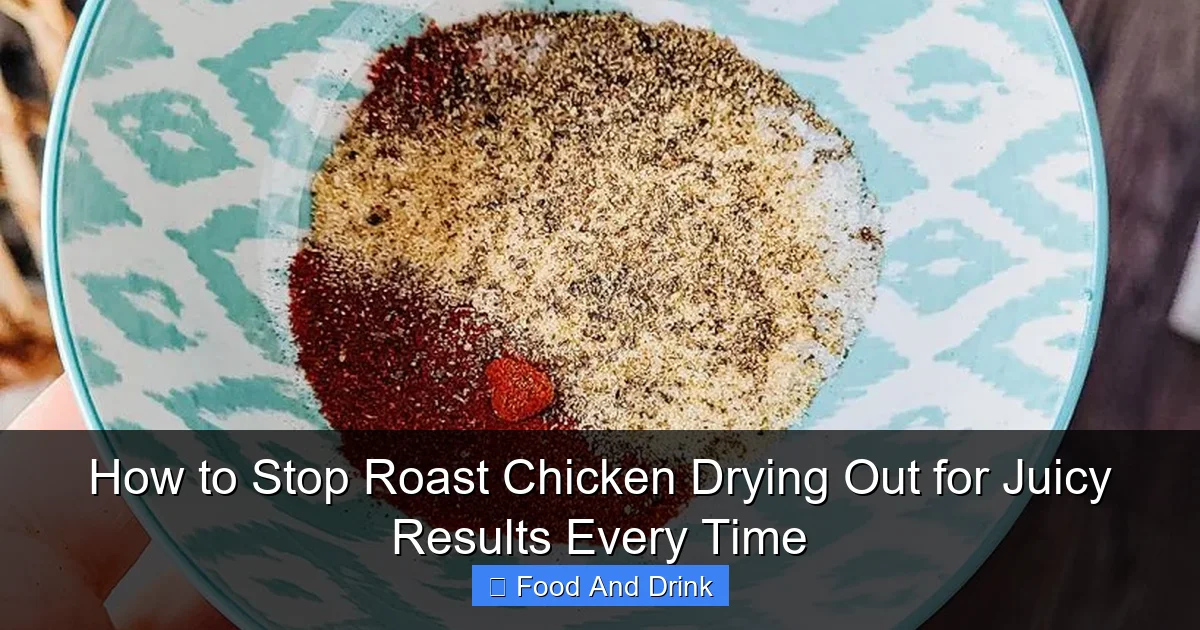
Visual guide about How to Stop Roast Chicken Drying Out for Juicy Results Every Time
Image source: yummywholefoodrecipes.com
One of the most effective ways to stop roast chicken drying out is brining. Brining is the process of soaking meat in a saltwater solution (wet brine) or applying salt directly to the surface (dry brine). Both methods help the chicken retain moisture during cooking, resulting in a juicier final product.
Wet Brining: The Classic Method
Wet brining involves submerging the chicken in a solution of water, salt, and often sugar and aromatics like herbs, garlic, or citrus. The salt breaks down some of the muscle proteins, allowing the meat to absorb and hold onto more water. This means even if the chicken loses some moisture during roasting, it starts with more to begin with.
To wet brine a whole chicken, dissolve 1 cup of kosher salt and ½ cup of sugar in 1 gallon of cold water. Add optional flavorings like bay leaves, peppercorns, or thyme. Submerge the chicken completely and refrigerate for 4 to 12 hours. Don’t go longer than 12 hours, or the meat can become too salty or mushy.
After brining, rinse the chicken thoroughly and pat it dry. This step is important—excess salt on the skin can make it overly salty and prevent proper browning.
Dry Brining: Simple and Effective
Dry brining is a newer technique that’s gaining popularity for its convenience and effectiveness. Instead of soaking the chicken, you simply rub salt (and optionally other seasonings) all over the bird and let it sit uncovered in the fridge for several hours or overnight.
The salt draws moisture out of the meat initially, but then that moisture dissolves the salt and is reabsorbed, seasoning the chicken deeply and helping it retain juices during cooking. Because the chicken dries out on the surface, it also promotes better browning and crispier skin.
For dry brining, use about 1 teaspoon of kosher salt per pound of chicken. Sprinkle it evenly over the skin and under the skin if possible. Let it rest in the fridge for at least 4 hours, or up to 24 hours for maximum effect. No rinsing needed—just pat dry before roasting.
Which Brining Method Is Better?
Both wet and dry brining work well, but they have different advantages. Wet brining adds more moisture, which can be helpful for very lean birds or if you’re concerned about dryness. Dry brining is faster, requires no large container, and gives better skin texture. Many chefs prefer dry brining for its simplicity and superior browning.
Try both and see which you like best. For most home cooks, dry brining is a great starting point—it’s low-effort and delivers excellent results.
Seasoning and Prepping for Juiciness

Visual guide about How to Stop Roast Chicken Drying Out for Juicy Results Every Time
Image source: yummywholefoodrecipes.com
Brining isn’t the only way to keep your roast chicken moist. How you season and prepare the bird before roasting also plays a big role.
Season Under the Skin
One of the best-kept secrets for juicy chicken is seasoning under the skin. Gently loosen the skin over the breast and thighs with your fingers, then slide pats of butter, herb butter, or seasoned oil underneath. This direct contact with fat helps keep the meat moist and adds rich flavor.
For example, mix softened butter with minced garlic, thyme, and lemon zest, then spread it under the skin. The butter will melt during roasting, basting the meat from within.
Use Aromatics in the Cavity
Stuffing the cavity with aromatics like onion, garlic, lemon halves, and fresh herbs not only adds flavor but also creates steam during roasting, which helps keep the interior moist. Avoid overstuffing—too much can block heat circulation and lead to uneven cooking.
Pat Dry for Crispy Skin
While moisture is your friend inside the meat, you want the skin to be as dry as possible before roasting. Use paper towels to thoroughly pat the chicken dry, especially the skin. Moist skin won’t crisp up properly, and soggy skin can make the whole bird feel less appetizing.
If you have time, let the chicken air-dry in the fridge uncovered for a few hours or overnight. This extra step ensures maximum crispiness.
Master the Roasting Process

Visual guide about How to Stop Roast Chicken Drying Out for Juicy Results Every Time
Image source: twotwistedsisters.blog
How you roast the chicken is just as important as how you prepare it. The right temperature, timing, and technique can make or break your results.
Use a Meat Thermometer
The number one mistake that leads to dry roast chicken? Overcooking. Chicken is safe to eat at 165°F (74°C), but that’s also the point where it starts to dry out quickly. For the juiciest results, aim for 160°F (71°C) in the thickest part of the breast and 170°F (77°C) in the thigh. The temperature will rise a few degrees during resting, landing you right in the safe zone.
Insert the thermometer into the breast without touching the bone, and check the thigh as well. If you don’t have a thermometer, at least invest in an instant-read one—it’s one of the best tools you can own for cooking meat.
Start Hot, Then Lower the Heat
A great technique for juicy, crispy roast chicken is to start at a high temperature and then reduce it. Begin roasting at 425°F (220°C) for the first 20–30 minutes to crisp the skin and jump-start the Maillard reaction (that delicious browning). Then reduce the heat to 350°F (175°C) to finish cooking gently.
This method prevents the outside from burning while ensuring the inside cooks evenly without drying out.
Roast on a Rack
Always roast your chicken on a rack placed inside a roasting pan. This allows hot air to circulate around the entire bird, promoting even cooking and preventing the bottom from sitting in its own juices, which can lead to steaming instead of roasting.
If you don’t have a rack, you can create a makeshift one by placing chopped vegetables (like carrots, celery, and onion) in the bottom of the pan. The chicken will sit on top, and the veggies will add flavor to the drippings.
Truss or Spatchcock?
There are two main ways to roast a whole chicken: trussing or spatchcocking.
Trussing means tying the legs together with kitchen twine and tucking the wings under the body. This helps the chicken cook evenly by keeping the thinner breast from overcooking before the thicker thighs are done.
Spatchcocking, or butterflying, involves removing the backbone with kitchen shears and flattening the chicken. This method reduces cooking time and ensures even cooking, especially for larger birds. It also exposes more skin to direct heat, resulting in extra crispy skin.
Both methods work well—choose based on your preference and the size of your chicken. For first-timers, trussing is simpler. For faster, more even results, try spatchcocking.
Basting and Adding Moisture
Basting—brushing the chicken with its own juices or melted butter during roasting—is a classic technique that can help keep the skin moist and flavorful. However, it’s not always necessary, and opening the oven door too often can cause temperature fluctuations.
To Baste or Not to Baste?
Traditional basting can add flavor and help the skin brown, but modern ovens are well-insulated, and frequent opening can drop the temperature, leading to uneven cooking. If you do baste, do it quickly and only 2–3 times during the roast.
A better alternative is to add moisture to the pan. Place a few tablespoons of broth, wine, or water in the bottom of the roasting pan. As it evaporates, it creates a humid environment that helps prevent drying.
You can also baste with herb butter or olive oil mixed with garlic and lemon juice for extra flavor.
Butter Basting (The French Method)
For an extra-luxurious touch, try butter basting. Melt butter in a small saucepan with garlic, thyme, and lemon zest. During the last 15–20 minutes of roasting, spoon the melted butter over the chicken every 5 minutes. This method adds richness and keeps the skin glossy and moist.
Just be careful not to burn the butter—keep the heat low and use unsalted butter to control salt levels.
Resting: The Final Step for Juiciness
One of the most overlooked steps in roasting chicken is resting. After the chicken comes out of the oven, it needs time to relax. During cooking, the juices are pushed toward the center of the meat. If you carve it immediately, those juices will spill out onto the cutting board, leaving the meat dry.
How Long to Rest?
Let the chicken rest for at least 15–20 minutes, tented loosely with foil. This allows the juices to redistribute evenly throughout the meat. The internal temperature will also rise slightly (called carryover cooking), ensuring the chicken reaches the safe 165°F without overcooking.
For larger birds (over 5 pounds), you may want to rest for up to 30 minutes. Use this time to make a quick pan sauce or finish side dishes.
Tenting with Foil: Yes or No?
Tenting with foil helps retain heat, but if you wrap it too tightly, it can steam the skin and make it soggy. Instead, drape the foil loosely over the chicken, leaving some airflow. This keeps it warm without sacrificing crispiness.
Pan Sauces and Serving Tips
Even the juiciest roast chicken can benefit from a flavorful pan sauce. The drippings left in the roasting pan are liquid gold—full of flavor and perfect for making a quick sauce.
How to Make a Simple Pan Sauce
After removing the chicken, pour off excess fat from the pan, leaving about 1–2 tablespoons. Place the pan on the stove over medium heat and add ½ cup of broth or wine. Scrape up the browned bits (fond) with a wooden spoon—this is where the flavor is. Simmer for 2–3 minutes, then whisk in a tablespoon of butter and a splash of cream if desired. Season with salt, pepper, and fresh herbs.
Serve the sauce alongside the chicken to add extra moisture and richness.
Serving Suggestions
Pair your juicy roast chicken with roasted vegetables, mashed potatoes, or a fresh salad. The chicken’s natural juices will complement starchy sides beautifully. Leftovers make excellent chicken salad, tacos, or soup—proof that a well-roasted bird keeps on giving.
Troubleshooting Common Issues
Even with the best techniques, things can go wrong. Here’s how to fix common problems:
- Soggy skin: Caused by not patting the chicken dry or roasting without a rack. Next time, dry thoroughly and use a rack.
- Uneven cooking: Often due to not trussing or spatchcocking. Try flattening the bird or tying the legs.
- Too salty: Usually from over-brining or not rinsing after wet brining. Stick to recommended times and rinse if needed.
- Burnt skin: Happens when roasting at too high a temperature for too long. Start hot, then reduce heat.
- Dry breast, juicy thighs: The breast cooks faster. Shield it with foil after the first 30 minutes if needed.
Conclusion
Roast chicken doesn’t have to be a gamble. By understanding why it dries out and applying the right techniques—brining, proper seasoning, precise cooking, and resting—you can serve a juicy, flavorful bird every time. It’s not about fancy equipment or complex recipes; it’s about respecting the meat and giving it the care it deserves.
Start with a dry brine, roast on a rack with a thermometer, and let it rest. Add butter under the skin, use aromatics, and finish with a pan sauce. These small steps add up to a big difference. The next time you roast a chicken, you’ll be confident that it will be moist, tender, and delicious—no dryness in sight.
So go ahead, preheat that oven, and get ready to impress your family and friends with the juiciest roast chicken they’ve ever tasted. Your kitchen—and your taste buds—will thank you.
Frequently Asked Questions
What’s the best way to keep roast chicken moist?
The best way is to brine the chicken before roasting and use a meat thermometer to avoid overcooking. Dry brining is simple and effective for most home cooks.
How long should I brine a whole chicken?
For wet brining, 4 to 12 hours in the refrigerator. For dry brining, 4 to 24 hours. Don’t exceed these times to avoid overly salty or mushy meat.
Why is my roast chicken skin soggy?
Soggy skin usually results from not patting the chicken dry before roasting or roasting without a rack. Always dry the skin thoroughly and use a roasting rack.
Can I roast a chicken without a thermometer?
It’s possible, but not recommended. Without a thermometer, it’s easy to overcook the chicken. An instant-read thermometer is an affordable and essential tool.
Should I let roast chicken rest? How long?
Yes, always rest roast chicken for 15–20 minutes after cooking. This allows juices to redistribute, ensuring moist, flavorful meat when carved.
What’s the difference between trussing and spatchcocking?
Trussing ties the legs together for even cooking, while spatchcocking removes the backbone and flattens the bird for faster, more uniform roasting and crispier skin.