

Roasting chicken in the Ninja Foodi is fast, foolproof, and delivers restaurant-quality results at home. With its dual cooking functions—pressure cooking and air frying—you get tender meat and golden, crispy skin without the hassle of multiple appliances.
If you’ve ever dreamed of serving a perfectly roasted chicken—golden-brown, crispy skin with tender, juicy meat that falls off the bone—but didn’t want to spend hours babysitting the oven, then the Ninja Foodi is your new best friend. This versatile countertop appliance combines the power of a pressure cooker and an air fryer, making it one of the most efficient tools for roasting chicken at home. Whether you’re a busy parent, a weeknight warrior, or just someone who loves a good roast chicken, the Ninja Foodi simplifies the process without sacrificing flavor or texture.
Gone are the days of dry, overcooked poultry or soggy skin that never crisps up. With the Ninja Foodi, you can achieve that ideal balance: moist meat sealed in by quick pressure cooking, followed by a blast of hot air to crisp the skin to perfection. It’s like having a professional kitchen in a single appliance. And the best part? You don’t need to be a chef to pull it off. With a few simple steps and some smart techniques, you can roast a whole chicken that rivals your favorite rotisserie spot—right from your countertop.
Key Takeaways
- Use the Ninja Foodi’s dual functionality: Pressure cook first for juicy meat, then air crisp for golden, crispy skin.
- Season generously and let the chicken rest: Dry brining or marinating enhances flavor and moisture retention.
- Pat the chicken dry before air crisping: Moisture is the enemy of crispiness—dry skin = crispy results.
- Use a meat thermometer: Cook to 165°F (74°C) in the thickest part for safe, juicy chicken.
- Truss the chicken for even cooking: Keeps legs and wings close to the body for uniform roasting.
- Add aromatics for extra flavor: Stuff the cavity with herbs, lemon, or garlic for aromatic depth.
- Let it rest after cooking: Resting allows juices to redistribute, ensuring every bite is moist.
Quick Answers to Common Questions
Can I roast a frozen chicken in the Ninja Foodi?
No, always thaw the chicken completely in the refrigerator before cooking. Frozen chicken can cause uneven cooking and excess moisture, leading to soggy skin.
Do I need to add water when air crisping?
No, you only add water during the pressure cooking phase. The air crisp function uses dry heat and doesn’t require liquid.
Can I cook chicken parts instead of a whole chicken?
Yes! You can roast chicken thighs, breasts, or drumsticks. Adjust the pressure cooking time to 10–15 minutes and air crisp for 8–12 minutes.
How do I prevent the skin from burning?
Pat the skin dry, use minimal oil, and monitor closely during air crisping. If needed, reduce the temperature to 375°F (190°C) and extend the time slightly.
Can I use the Ninja Foodi grill function instead?
The grill function isn’t ideal for whole chickens due to space and heat distribution. Stick with pressure cook + air crisp for best results.
📑 Table of Contents
- Why the Ninja Foodi Is Perfect for Roasting Chicken
- Choosing the Right Chicken for Your Ninja Foodi
- Essential Tools and Ingredients
- Step-by-Step Guide to Roasting Chicken in the Ninja Foodi
- Tips for Perfect Results Every Time
- Serving and Storing Your Roast Chicken
- Common Mistakes to Avoid
- Conclusion
Why the Ninja Foodi Is Perfect for Roasting Chicken
The Ninja Foodi isn’t just another kitchen gadget—it’s a game-changer for home cooks who want big flavor with minimal effort. What sets it apart is its unique ability to switch between pressure cooking and air frying, all in one pot. This dual functionality is the secret behind its success with roasting chicken.
When you pressure cook the chicken first, you lock in moisture and cook it quickly and evenly. The high-pressure steam penetrates the meat, breaking down connective tissues and ensuring that even the breast meat stays juicy. Then, with the flip of a switch, you activate the air crisp function. This circulates superheated air around the chicken, crisping the skin to a beautiful golden brown without drying out the meat underneath.
This two-step method mimics the results of a traditional rotisserie oven but in a fraction of the time and with far less cleanup. Plus, the Ninja Foodi’s large capacity means you can easily fit a 3- to 4-pound whole chicken, along with vegetables if you like. It’s perfect for meal prep, family dinners, or impressing guests with minimal stress.
Another advantage is consistency. Unlike conventional ovens, which can have hot spots or require constant monitoring, the Ninja Foodi maintains even heat throughout the cooking process. This means less guesswork and more reliable results every time. Whether you’re roasting your first chicken or your fiftieth, the Ninja Foodi helps you achieve pro-level outcomes with confidence.
Choosing the Right Chicken for Your Ninja Foodi
Visual guide about How to Roast Chicken in Ninja Foodi Like a Pro
Image source: randaderkson.com
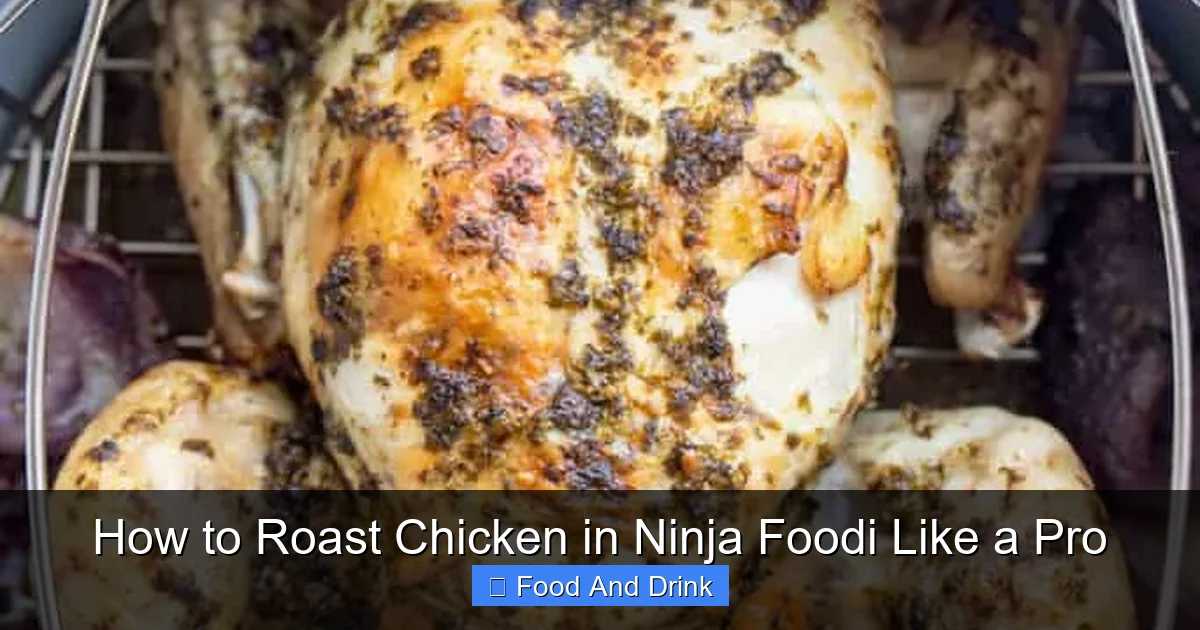
Not all chickens are created equal, and choosing the right one can make a big difference in your final dish. For the best results in the Ninja Foodi, aim for a whole chicken that weighs between 3 and 4 pounds. This size fits comfortably in the pot and cooks evenly without overcrowding.
Look for a chicken labeled “fresh” or “never frozen” if possible. Frozen chickens can release extra moisture during cooking, which may affect the crispiness of the skin. If you only have access to frozen, be sure to thaw it completely in the refrigerator—never on the counter—before cooking. Patience here pays off: a properly thawed chicken cooks more evenly and absorbs seasonings better.
You can use either a conventional or organic chicken, depending on your preference and budget. Organic or free-range chickens often have a richer flavor and firmer texture, which can enhance the overall eating experience. However, even a standard grocery-store chicken can turn out amazing with the right technique.
Avoid pre-seasoned or marinated chickens unless you’re sure of the ingredients. Some store-bought seasoned chickens contain added sugars or preservatives that can burn during the air crisp phase. It’s better to control the seasoning yourself so you can tailor the flavor to your taste.
Should You Use a Spatchcocked Chicken?
Spatchcocking—removing the backbone and flattening the chicken—is a popular technique for even cooking and faster roasting. While it’s not required for the Ninja Foodi, it can be helpful, especially if you’re short on time.
A spatchcocked chicken lies flat in the pot, allowing heat to reach all parts more evenly. This can reduce cooking time by up to 25% and help the skin crisp up more uniformly. It also makes carving easier after cooking.
To spatchcock, use kitchen shears to cut along both sides of the backbone and remove it. Then, flip the chicken over and press down firmly on the breastbone to flatten it. This opens up the bird and creates a more even surface for browning.
However, if you prefer the traditional whole-roasted look, you can absolutely roast a whole chicken without spatchcocking. Just be sure to truss it (tie the legs together with kitchen twine) to promote even cooking and prevent the legs from overcooking.
Essential Tools and Ingredients

Visual guide about How to Roast Chicken in Ninja Foodi Like a Pro
Image source: i.pinimg.com
Before you start, make sure you have the right tools and ingredients on hand. The Ninja Foodi does most of the work, but a few extras will help you achieve pro-level results.
You’ll need:
– A sharp knife or kitchen shears (for spatchcocking, if desired)
– Kitchen twine (for trussing)
– A meat thermometer (non-negotiable for safety and doneness)
– A basting brush (for applying oil or butter)
– Tongs or a spatula (for handling the chicken)
For ingredients, keep it simple but flavorful:
– 1 whole chicken (3–4 lbs)
– 1–2 tablespoons of oil (olive, avocado, or vegetable oil work well)
– Salt and pepper (kosher salt and freshly ground black pepper are ideal)
– Optional: garlic powder, onion powder, paprika, dried herbs (thyme, rosemary, sage)
For extra flavor, consider stuffing the cavity with aromatics like:
– A halved lemon
– A few garlic cloves (smashed)
– Fresh herbs (rosemary, thyme, or sage sprigs)
– A quartered onion
These won’t be eaten, but they’ll infuse the meat with subtle, aromatic notes as the chicken cooks.
Seasoning Tips for Maximum Flavor
Seasoning is where you can really make the chicken shine. Start by patting the chicken dry with paper towels—this is crucial for crispy skin. Moisture on the surface prevents browning, so take your time here.
Generously season the outside and inside of the chicken with salt and pepper. Don’t be shy—chicken can handle a lot of seasoning. For a deeper flavor, try a dry brine: rub the chicken with salt (about 1 teaspoon per pound) and let it sit uncovered in the fridge for 4 to 24 hours. This not only seasons the meat but also helps it retain moisture during cooking.
If you’re short on time, a quick 30-minute salt rub at room temperature works too. Just be sure to rinse off any excess salt if you’ve dry-brined for more than a few hours.
After salting, let the chicken come to room temperature for about 20–30 minutes before cooking. This helps it cook more evenly.
Step-by-Step Guide to Roasting Chicken in the Ninja Foodi
Visual guide about How to Roast Chicken in Ninja Foodi Like a Pro
Image source: thesaltypot.com
Now for the fun part—actually cooking the chicken. Follow these steps for a foolproof, juicy, and crispy roast every time.
Step 1: Prep the Chicken
Remove the chicken from the packaging and pat it completely dry with paper towels. Check the cavity for the giblets or neck—remove them if present. If you’re spatchcocking, do that now. Otherwise, truss the legs together with kitchen twine to keep them close to the body.
Season the chicken generously inside and out with salt, pepper, and any additional spices you like. Rub 1 tablespoon of oil over the skin to help it crisp up. Stuff the cavity with your choice of aromatics.
Step 2: Pressure Cook
Place the reversible rack in the Ninja Foodi, with the handles facing up. This elevates the chicken and allows steam to circulate underneath. Add 1 cup of water or broth to the pot—this creates the steam needed for pressure cooking.
Place the chicken on the rack, breast-side up. Close the lid and set the valve to “Seal.” Select the “Pressure Cook” function and set the timer based on the chicken’s weight:
– 3 lbs: 22 minutes
– 3.5 lbs: 25 minutes
– 4 lbs: 28 minutes
Once the timer ends, allow a natural release for 10 minutes, then carefully turn the valve to “Vent” to release any remaining pressure.
Step 3: Air Crisp for Golden Skin
After pressure cooking, the chicken will be fully cooked and tender, but the skin will be soft. This is where the air crisp function comes in.
Remove the chicken from the pot and place it back on the rack. Pat the skin dry again with a paper towel—this step is essential for crispiness.
Brush the skin lightly with oil or melted butter. This helps it brown and crisp up during air frying.
Close the lid and select the “Air Crisp” function. Set the temperature to 390°F (200°C) and the time to 10–15 minutes. Start checking at 10 minutes—the skin should be golden brown and crispy. If needed, add a few more minutes, but watch closely to avoid burning.
Step 4: Check for Doneness and Rest
Use a meat thermometer to check the internal temperature. Insert it into the thickest part of the thigh, avoiding the bone. The chicken is safe to eat when it reaches 165°F (74°C).
Once done, remove the chicken from the Ninja Foodi and let it rest on a cutting board for 10–15 minutes. This allows the juices to redistribute, ensuring every bite is moist and flavorful.
Tips for Perfect Results Every Time
Even with the right steps, a few pro tips can elevate your roast chicken from good to exceptional.
Don’t Skip the Resting Period
Resting is one of the most overlooked steps in roasting chicken, but it’s critical. When you cut into a hot chicken, the juices rush out, leaving the meat dry. By letting it rest, the muscle fibers relax and reabsorb the juices, resulting in a more succulent bite.
Cover the chicken loosely with foil during resting to keep it warm, but don’t wrap it tightly—this can steam the skin and make it soggy.
Use a Meat Thermometer
Guessing when chicken is done is a recipe for disappointment. A meat thermometer takes the guesswork out of cooking and ensures your chicken is safe and juicy.
Insert the probe into the thickest part of the thigh, making sure it doesn’t touch the bone. 165°F (74°C) is the magic number for doneness.
Add Vegetables for a One-Pot Meal
The Ninja Foodi is perfect for cooking chicken and vegetables together. After pressure cooking the chicken, remove it and add chopped potatoes, carrots, or Brussels sprouts to the pot. Toss them with a little oil and seasoning, then return the chicken to the rack and air crisp for 10–12 minutes. The vegetables will crisp up alongside the chicken, creating a complete meal in one appliance.
Save the Drippings for Gravy
The liquid left in the pot after pressure cooking is liquid gold. It’s rich with chicken flavor and perfect for making a quick gravy. Strain it, skim off excess fat, and thicken with a cornstarch slurry or roux. Serve it alongside your roast chicken for a classic touch.
Serving and Storing Your Roast Chicken
Once your chicken is roasted to perfection, it’s time to serve and enjoy. Carve it by removing the legs and wings first, then slicing the breast meat against the grain. Arrange the pieces on a platter and garnish with fresh herbs for a beautiful presentation.
Serve with your favorite sides—mashed potatoes, roasted vegetables, or a fresh green salad. The crispy skin and juicy meat pair well with almost anything.
Leftovers can be stored in an airtight container in the refrigerator for up to 4 days. Reheat gently in the oven or air fryer to maintain texture. You can also shred the meat for tacos, salads, or soups.
For longer storage, freeze cooked chicken in portion-sized containers for up to 3 months. Thaw in the refrigerator before reheating.
Common Mistakes to Avoid
Even with the best intentions, things can go wrong. Here are a few common pitfalls and how to avoid them.
Overcooking the Chicken
It’s easy to overdo it, especially during the air crisp phase. Remember, the chicken is already fully cooked after pressure cooking. The air crisp step is only for browning and crisping the skin. Keep an eye on it and check frequently.
Not Drying the Skin Enough
Moisture is the enemy of crispy skin. Always pat the chicken dry before air crisping, and consider using a paper towel to blot the skin during the first few minutes of air frying if needed.
Using Too Much Liquid
While you need some liquid for pressure cooking, too much can lead to steaming instead of roasting. Stick to 1 cup of water or broth—any more and you risk soggy results.
Skipping the Thermometer
Don’t rely on time alone. Chicken sizes vary, and oven-like appliances like the Ninja Foodi can behave differently based on altitude, humidity, and chicken density. Always use a thermometer.
Conclusion
Roasting a whole chicken in the Ninja Foodi is one of the easiest and most rewarding cooking experiences you can have at home. With its powerful combination of pressure cooking and air frying, this appliance delivers juicy, flavorful meat and crispy, golden skin—no oven required.
By following a few simple steps—seasoning well, pressure cooking first, then air crisping—you can achieve restaurant-quality results with minimal effort. Add in some pro tips like dry brining, using a thermometer, and letting the chicken rest, and you’ll be serving up show-stopping meals in no time.
Whether you’re cooking for a family dinner, meal prepping for the week, or just treating yourself to a delicious roast, the Ninja Foodi makes it simple, fast, and foolproof. So fire it up, season that bird, and get ready to enjoy the best roast chicken of your life—right from your countertop.
Frequently Asked Questions
How long does it take to roast a chicken in the Ninja Foodi?
Total time is about 45–60 minutes, including 22–28 minutes of pressure cooking, 10 minutes natural release, and 10–15 minutes of air crisping.
What size chicken fits in the Ninja Foodi?
A 3- to 4-pound whole chicken fits best. Larger birds may not cook evenly or could overcrowd the pot.
Can I add vegetables to the Ninja Foodi with the chicken?
Yes, add root vegetables like potatoes or carrots after pressure cooking, then air crisp with the chicken for a one-pot meal.
Do I need to truss the chicken?
Trussing helps the chicken cook evenly and keeps the legs from drying out. It’s recommended but not required.
Why is my chicken skin not crispy?
Common causes include not drying the skin enough, using too much oil, or not air crisping long enough. Pat dry and monitor closely.
Can I make gravy from the drippings?
Absolutely! Strain the liquid from the pot, skim the fat, and thicken with cornstarch or flour for a rich, homemade gravy.