
Regular cleaning of your Hamilton Beach coffee pot ensures better-tasting coffee, extends the machine’s lifespan, and prevents mold or mineral buildup. With simple household ingredients and a consistent routine, you can maintain your brewer in top condition—no harsh chemicals needed.
If you’re like most coffee lovers, your Hamilton Beach coffee pot is the heartbeat of your morning routine. That first sip of rich, aromatic coffee sets the tone for the entire day. But what if that beloved brew starts tasting a little off—bitter, flat, or even slightly sour? Chances are, it’s not the coffee beans. It’s your coffee maker.
Over time, oils from coffee grounds, mineral deposits from water, and leftover residue can build up inside your Hamilton Beach coffee pot. This not only affects the flavor of your coffee but can also clog internal components, reduce heating efficiency, and even lead to mold or bacteria growth. The good news? Cleaning your coffee maker is easier than you think—and doing it regularly ensures every cup tastes as fresh as the first.
In this guide, we’ll walk you through everything you need to know about how to clean your Hamilton Beach coffee pot the right way. From quick daily wipe-downs to deep monthly descaling, you’ll learn practical, safe, and effective methods using items you probably already have at home. Whether you’re a daily brewer or only use your machine on weekends, these tips will help you maintain a clean, efficient, and long-lasting coffee maker.
Key Takeaways
- Clean weekly: Prevent residue and bacteria by cleaning your coffee pot at least once a week, even if you brew daily.
- Use vinegar for descaling: A 50/50 mix of white vinegar and water effectively removes mineral deposits from hard water.
- Don’t forget removable parts: Wash the carafe, filter basket, and lid separately to eliminate hidden grime and odors.
- Run a rinse cycle after cleaning: Always run 1–2 cycles of plain water to flush out any vinegar taste or cleaning solution.
- Wipe exterior regularly: Use a damp cloth to clean the outside and control panel to prevent coffee stains and buildup.
- Replace water frequently: Never let old water sit in the reservoir—it can grow bacteria and affect flavor.
- Check the manual: Some Hamilton Beach models have specific cleaning instructions—always refer to your user guide.
Quick Answers to Common Questions
How often should I clean my Hamilton Beach coffee pot?
Clean the carafe and filter basket after every use, wipe the exterior daily, and descale the machine once a month—or more often if you use hard water.
Can I use bleach to clean my coffee maker?
No, avoid bleach and harsh chemicals. They can leave toxic residues and damage internal components. Stick to vinegar, baking soda, or commercial descaling solutions.
Why does my coffee taste bitter even with fresh beans?
Bitterness is often caused by old coffee oils or mineral buildup in the machine. Regular cleaning and descaling usually fix the issue.
Is it safe to run vinegar through my coffee maker?
Yes, white vinegar is safe and effective for descaling. Just be sure to run 2–3 rinse cycles with plain water afterward to remove any taste.
Can I put my Hamilton Beach carafe in the dishwasher?
Check your model’s manual—some carafes are dishwasher-safe, while others are not. Hand washing is always the safest option.
📑 Table of Contents
Why Cleaning Your Hamilton Beach Coffee Pot Matters
You might think that because your coffee pot looks clean on the outside, it’s fine to skip deep cleaning. But the truth is, what you can’t see is often the biggest problem. Coffee oils are sticky and cling to the carafe, filter basket, and internal tubing. Over time, these oils oxidize and turn rancid, giving your coffee a stale or bitter taste—even if you’re using fresh, high-quality beans.
Mineral buildup is another silent culprit. If you live in an area with hard water, calcium and magnesium deposits can accumulate inside the water reservoir and heating elements. This not only slows down brewing but can also cause your machine to overheat or fail prematurely. In severe cases, the heating element may stop working altogether.
Then there’s the issue of mold and bacteria. Standing water in the reservoir or damp areas like the filter basket can become breeding grounds for microbes. While your coffee is brewed hot enough to kill most bacteria, mold spores and mildew can still grow in hidden crevices, especially if the machine isn’t dried properly after use.
Cleaning your Hamilton Beach coffee pot isn’t just about taste—it’s about performance, safety, and longevity. A well-maintained machine brews faster, heats more evenly, and lasts years longer than a neglected one. Plus, you’ll save money in the long run by avoiding repairs or premature replacements.
Daily and Weekly Cleaning Routine

Visual guide about How to Clean Hamilton Beach Coffee Pot for Fresh Brews
Image source: hamiltonbeach.ca
The key to keeping your Hamilton Beach coffee pot in top shape is consistency. A little effort every day and a bit more each week can prevent major buildup and keep your coffee tasting great.
After Every Use: Quick Rinse and Wipe
Start by making this a habit: after each brew, remove the used coffee grounds and rinse the filter basket under warm water. Use a soft sponge or brush to gently scrub away any stuck-on grounds. Don’t use abrasive scrubbers—they can scratch the plastic and create tiny grooves where bacteria can hide.
Next, rinse the carafe thoroughly. If there’s coffee residue stuck to the bottom or sides, fill it with warm, soapy water and let it soak for 10–15 minutes. Then scrub with a non-abrasive brush or sponge. For stubborn stains, add a tablespoon of baking soda to the soapy water—it’s a gentle abrasive that lifts grime without damaging the glass or plastic.
Don’t forget the lid and any removable parts. These often get overlooked but can trap moisture and coffee oils. Take them off, wash them with dish soap, and dry thoroughly before reassembling.
Finally, wipe down the exterior of the machine with a damp cloth. Pay special attention to the control panel, water reservoir lid, and warming plate. Coffee splatters and spills can harden over time, so regular wiping keeps them from becoming permanent stains.
Weekly Deep Clean: Focus on the Interior
Once a week, give your coffee maker a more thorough cleaning. Start by running a cycle with just water—no coffee. This helps flush out any loose residue in the internal tubing and heating system.
Then, clean the water reservoir. Use a soft cloth or sponge dipped in a mild vinegar solution (1 part vinegar to 2 parts water) to wipe the inside. Vinegar is naturally antibacterial and helps dissolve mineral buildup. Avoid using strong cleaners or bleach—they can leave behind harmful residues.
If your model has a removable water reservoir, take it out and wash it separately. Let it air dry completely before reinserting. For non-removable reservoirs, use a bottle brush to reach tight corners.
Also, check the showerhead (the part that drips water over the coffee grounds). Mineral deposits can clog the tiny holes, leading to uneven brewing. Use a toothpick or small brush to gently clear any blockages.
Deep Cleaning with Vinegar: The Best Descaling Method
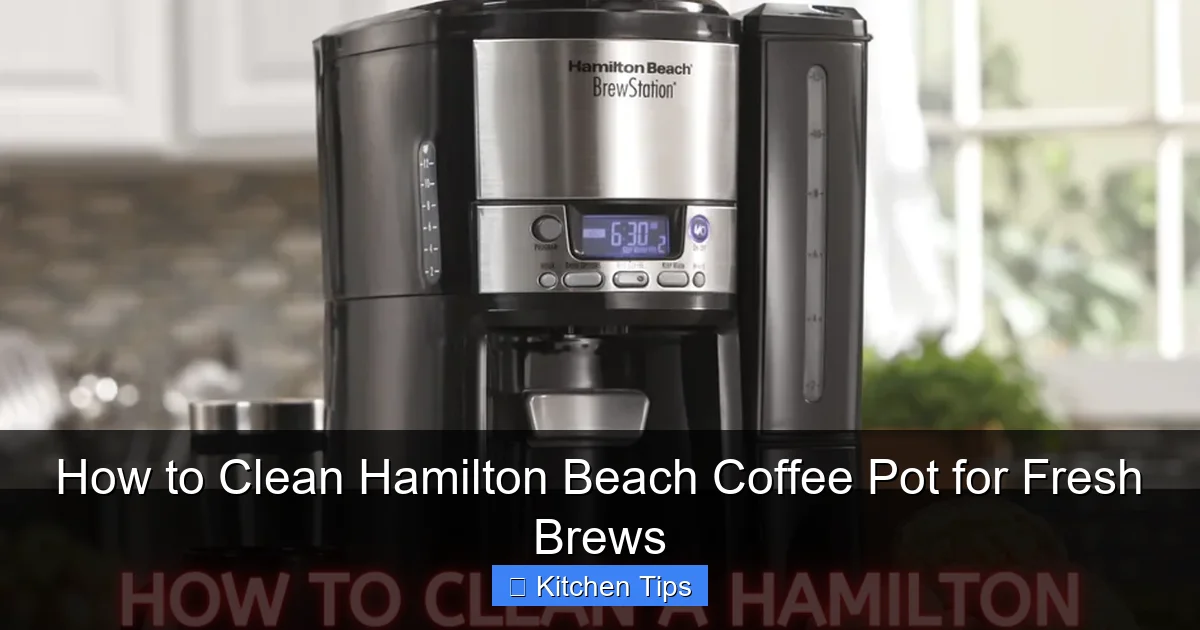
Visual guide about How to Clean Hamilton Beach Coffee Pot for Fresh Brews
Image source: crosslakecoffee.com
Even with regular maintenance, mineral deposits will eventually build up—especially if you use tap water. That’s where descaling comes in. Descaling removes limescale and other mineral buildup from the internal components of your coffee maker.
How to Descale with White Vinegar
White vinegar is one of the most effective and affordable descaling agents. It’s natural, non-toxic, and safe for most coffee makers, including Hamilton Beach models.
Here’s how to do it:
1. Mix equal parts white vinegar and water. For most machines, 2–4 cups of solution is enough to fill the reservoir halfway.
2. Pour the mixture into the water reservoir.
3. Place the carafe back in place and run a full brew cycle.
4. Once the cycle is complete, let the vinegar solution sit in the carafe for 15–20 minutes. This gives it time to break down stubborn deposits.
5. Discard the vinegar solution.
6. Run 2–3 cycles with fresh water to rinse out any remaining vinegar taste. This step is crucial—don’t skip it! Lingering vinegar can affect the flavor of your next few cups.
For heavy buildup, you may need to repeat the process. If your machine hasn’t been descaled in over six months, consider doing a double vinegar cycle.
Alternative Descaling Solutions
If you prefer not to use vinegar (some people don’t like the smell), you can use a commercial descaling solution designed for coffee makers. Brands like Urnex or De’Longhi offer safe, effective products. Follow the instructions on the label carefully.
Another natural option is citric acid. Mix 1–2 tablespoons of food-grade citric acid with 2 cups of warm water. Use this solution the same way you would vinegar. Citric acid is odorless and works just as well on mineral deposits.
Cleaning Removable Parts and Accessories

Visual guide about How to Clean Hamilton Beach Coffee Pot for Fresh Brews
Image source: queekcoffee.com
Your Hamilton Beach coffee pot has several removable components that need individual attention. Neglecting these parts is a common mistake that leads to odors, clogs, and poor performance.
The Carafe: Tackling Stains and Odors
The carafe is where your coffee brews and sits, so it’s prone to staining and lingering smells. For light stains, a baking soda paste (baking soda + a few drops of water) works wonders. Apply it to the stained areas, let it sit for 10 minutes, then scrub and rinse.
For tougher stains or odors, try this trick: fill the carafe with warm water and add a cup of ice cubes and a handful of coarse salt. Swirl the mixture vigorously for 1–2 minutes. The abrasive action of the salt and ice helps scrub the interior without scratching.
If your carafe is dishwasher-safe, you can run it through a cycle—but avoid using harsh detergents that can leave a film.
Filter Basket and Lid
The filter basket collects coffee oils and grounds, making it a hotspot for buildup. Remove it after each use and rinse thoroughly. Once a week, soak it in warm, soapy water for 15 minutes, then scrub with a soft brush.
The lid often has hidden crevices where moisture collects. Use a toothbrush dipped in vinegar to clean these areas. Make sure all parts are completely dry before reassembling to prevent mold.
Warming Plate and Drip Tray
The warming plate under the carafe can get sticky from spilled coffee. Wipe it daily with a damp cloth. For dried-on stains, use a paste of baking soda and water. Let it sit for 5 minutes, then wipe clean.
The drip tray (if your model has one) should be removed and washed weekly. It’s easy to forget, but coffee drips and spills can attract pests and cause odors.
Maintaining Your Machine Between Cleanings
Cleaning doesn’t have to be a chore if you build good habits into your routine.
Use Filtered Water
One of the easiest ways to reduce mineral buildup is to use filtered or distilled water. This not only extends the time between descaling but also improves the taste of your coffee.
Empty the Reservoir Daily
Never leave water sitting in the reservoir overnight. Stagnant water can grow bacteria and develop an unpleasant taste. After each use, pour out any remaining water and let the reservoir air dry.
Store Properly
If you’re not using your coffee maker for a few days, make sure it’s completely dry before storing. Leave the carafe and filter basket out to air dry. This prevents mold and mildew.
When to Replace Parts
Even with the best care, some parts will eventually wear out. The carafe may develop cracks or cloudiness over time. The filter basket might warp or lose its shape. If you notice any of these issues, it’s time to replace the part.
Hamilton Beach offers replacement parts on their website, including carafes, filters, and baskets. Using genuine parts ensures a proper fit and optimal performance.
Conclusion
Cleaning your Hamilton Beach coffee pot doesn’t have to be complicated or time-consuming. With a simple daily rinse, weekly deep clean, and monthly descaling, you can keep your machine running smoothly and your coffee tasting fresh. Remember: a clean coffee maker is a happy coffee maker—and it makes happier coffee drinkers.
By following these tips, you’ll not only enjoy better-tasting brews but also extend the life of your appliance. So grab that vinegar, roll up your sleeves, and give your coffee pot the care it deserves. Your mornings will thank you.
Frequently Asked Questions
How do I remove hard water stains from my coffee pot?
Use a mixture of equal parts white vinegar and water. Run a brew cycle, let it sit for 15–20 minutes, then rinse thoroughly with fresh water.
My coffee maker smells musty. What should I do?
A musty smell usually indicates mold or mildew. Clean all removable parts with vinegar, dry thoroughly, and run a vinegar descaling cycle.
Can I use lemon juice instead of vinegar?
Yes, lemon juice is a natural alternative to vinegar and works well for light cleaning. Use it the same way—mix with water and run a cycle.
How do I clean the inside of the water reservoir?
Wipe it with a cloth dipped in a vinegar-water solution. For hard-to-reach areas, use a bottle brush or cotton swabs.
Why is my coffee brewing slowly?
Slow brewing is often caused by mineral buildup clogging the showerhead or internal tubing. Descale your machine to restore proper flow.
Should I unplug my coffee maker before cleaning?
Yes, always unplug the machine before cleaning to prevent electrical hazards, especially when handling water near the base or control panel.