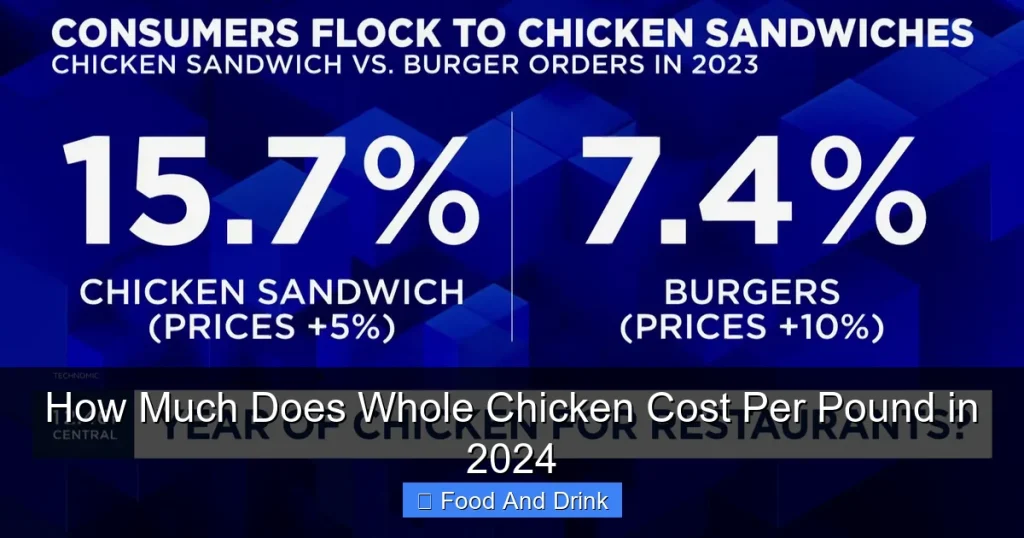

In 2024, the average cost of whole chicken per pound ranges from $1.50 to $3.50, depending on factors like location, brand, and whether it’s organic or conventional. Prices vary by region, store type, and seasonal demand, but smart shopping strategies can help you save without sacrificing quality.
Key Takeaways
- Average price range: Whole chicken typically costs between $1.50 and $3.50 per pound in 2024, with conventional birds on the lower end and organic or free-range options on the higher end.
- Regional differences matter: Urban areas and coastal cities often have higher prices due to transportation and demand, while rural and Midwest regions tend to be more affordable.
- Store type impacts cost: Warehouse clubs like Costco and wholesale retailers offer bulk deals, while local farmers’ markets may charge more but provide fresher, locally sourced options.
- Organic vs. conventional: Organic whole chickens cost 30–50% more than conventional ones, reflecting higher feed, labor, and certification standards.
- Seasonal fluctuations: Prices dip slightly in fall and winter due to holiday demand for roasting, while summer grilling seasons may see minor increases.
- Savings tips: Buy in bulk, compare unit prices, and consider freezing extras to maximize value without waste.
- Value beyond price: Whole chickens offer more versatility and better cost-per-meal than pre-cut parts, making them a smart kitchen staple.
Quick Answers to Common Questions
What is the average cost of a whole chicken per pound in 2024?
The average cost ranges from $1.50 to $3.50 per pound, depending on type, location, and store.
Is organic whole chicken worth the extra cost?
It depends on your priorities. Organic chickens offer better welfare and fewer antibiotics but cost 30–50% more.
Where can I find the cheapest whole chicken?
Warehouse clubs like Costco and discount grocers like Aldi often offer the lowest prices, especially in bulk.
Do chicken prices change with the seasons?
Yes, prices rise around holidays and summer grilling season, but dip in winter after the holidays.
Can I freeze a whole chicken to save money?
Absolutely! Whole chickens freeze well for up to 9 months and are great for stocking up during sales.
📑 Table of Contents
- How Much Does Whole Chicken Cost Per Pound in 2024?
- National Average Price of Whole Chicken in 2024
- Regional Price Differences Across the U.S.
- Where to Buy Whole Chicken: Store Comparison
- Organic vs. Conventional: Is the Extra Cost Worth It?
- Seasonal Trends and Price Fluctuations
- Tips to Save Money on Whole Chicken
- Conclusion: Getting the Best Value for Your Money
How Much Does Whole Chicken Cost Per Pound in 2024?
If you’ve ever stood in the grocery store aisle staring at a whole chicken, wondering whether it’s worth the price, you’re not alone. In 2024, the cost of whole chicken per pound has become a hot topic for home cooks, budget-conscious families, and meal planners alike. Whether you’re roasting, grilling, or slow-cooking, understanding the current market price helps you make smarter, more informed decisions at the checkout.
The average price of a whole chicken in 2024 ranges from about $1.50 to $3.50 per pound. That’s a wide window—and it’s not random. Several factors influence this range, including where you live, what kind of chicken you’re buying (organic, free-range, conventional), and even the time of year. For example, a conventional whole chicken from a major grocery chain might cost $1.75 per pound, while an organic, pasture-raised bird from a local farm could go for $3.25 or more. The good news? Even at the higher end, whole chickens remain one of the most cost-effective proteins you can buy.
But price isn’t the only thing to consider. Whole chickens offer incredible value beyond the sticker price. You get multiple meals from one bird—breast meat for sandwiches, thighs for stews, wings for snacks, and even the bones for homemade broth. When you break it down, the cost per meal can be shockingly low, especially compared to pre-packaged cuts or takeout. Plus, cooking a whole chicken gives you control over seasoning, cooking method, and ingredients, which is a win for both your wallet and your health.
National Average Price of Whole Chicken in 2024
Visual guide about How Much Does Whole Chicken Cost Per Pound in 2024
Image source: 4.bp.blogspot.com
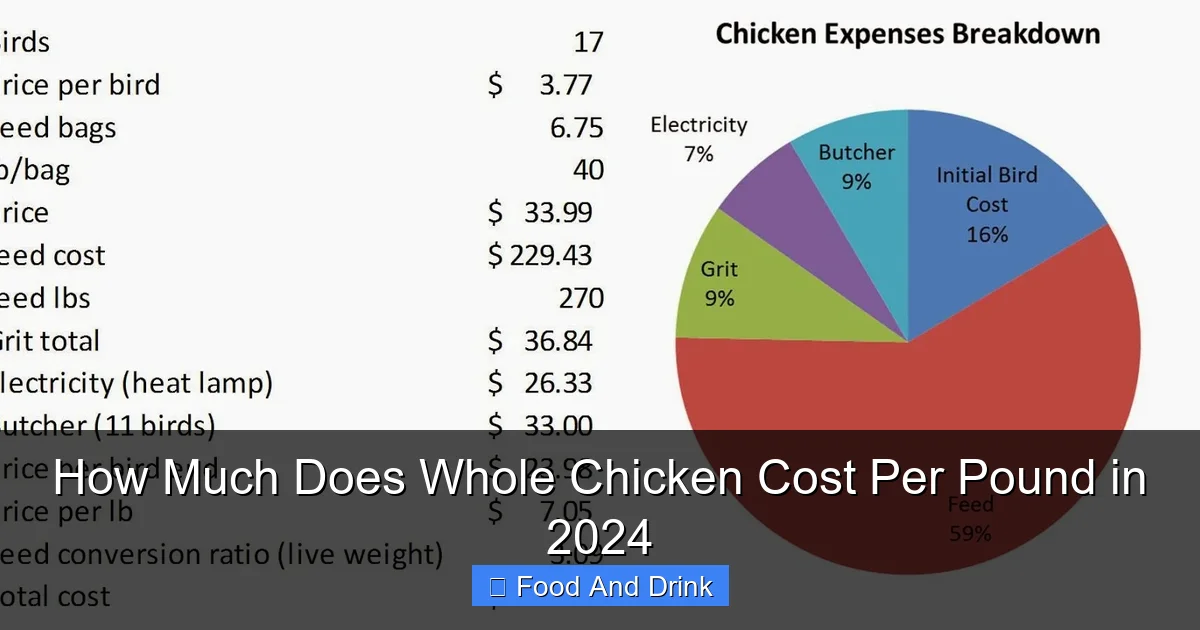
So, what’s the real number? According to data from the U.S. Department of Agriculture (USDA), the national average price for a whole broiler-fryer chicken (the most common type sold in supermarkets) was around $1.85 per pound in early 2024. This figure is based on retail prices across major grocery chains and reflects a slight increase from previous years due to inflation, feed costs, and supply chain adjustments.
To put that in perspective, a 4-pound whole chicken would cost roughly $7.40 at the national average. That’s significantly less than buying the same weight in pre-cut parts, which can easily run $2.50 to $4.00 per pound depending on the cut. For example, boneless, skinless chicken breasts often cost $4.99 or more per pound, meaning you’d pay nearly double for the same amount of meat—minus the bones, skin, and versatility.
It’s also worth noting that prices have stabilized after the volatility seen during the pandemic. In 2020 and 2021, poultry prices spiked due to labor shortages, processing delays, and increased home cooking. Since then, the industry has rebounded, and while costs haven’t dropped back to pre-2020 levels, they’ve leveled off in a predictable range. This makes budgeting easier for families and meal preppers.
Price Breakdown by Chicken Type
Not all chickens are created equal—and neither are their prices. Here’s a quick look at how different types stack up in 2024:
– Conventional whole chicken: $1.50–$2.25 per pound
These are the standard birds raised in large-scale operations, often with antibiotics and growth hormones (though hormone use is banned in U.S. poultry). They’re widely available and the most budget-friendly option.
– Free-range whole chicken: $2.25–$3.00 per pound
These chickens have access to the outdoors, which can improve their welfare and flavor. They’re typically raised without antibiotics and may have a richer taste.
– Organic whole chicken: $2.75–$3.50 per pound
Certified organic chickens are fed organic feed, raised without antibiotics or synthetic pesticides, and must meet strict USDA standards. The higher cost reflects these added requirements.
– Pasture-raised whole chicken: $3.00–$4.00+ per pound
These birds spend most of their lives outdoors on pasture, foraging naturally. They’re often sold at farmers’ markets or specialty stores and are considered the gold standard for quality and ethics.
While the price gap between conventional and premium chickens is noticeable, many home cooks find the difference in taste and texture worth the extra cost—especially for special occasions or family dinners.
Regional Price Differences Across the U.S.
Visual guide about How Much Does Whole Chicken Cost Per Pound in 2024
Image source: i.pinimg.com
One of the biggest surprises for many shoppers is how much chicken prices can vary depending on where you live. Geography plays a major role in pricing due to differences in transportation, local demand, and cost of living.
For example, in the Midwest—where much of the nation’s poultry is raised—whole chickens are often the cheapest. States like Iowa, Arkansas, and Georgia, which are home to major poultry processing plants, frequently offer whole chickens for under $1.75 per pound at large retailers. Walmart, Kroger, and Aldi in these regions often run weekly specials, dropping prices to as low as $1.29 per pound during promotions.
On the other hand, coastal cities like New York, San Francisco, and Seattle tend to have higher prices. In these urban centers, a conventional whole chicken might cost $2.25 to $2.75 per pound due to higher distribution costs and real estate expenses for stores. Organic and specialty options can easily exceed $3.50 per pound in cities like Los Angeles or Boston.
Even within states, prices can differ. A shopper in rural Texas might pay $1.60 per pound at a local supermarket, while someone in downtown Austin could pay $2.10 for the same bird at a boutique grocery. This urban-rural divide is consistent across the country.
Top 5 Most Affordable States for Whole Chicken (2024)
Based on aggregated retail data, here are the states where whole chicken is typically the cheapest:
1. Arkansas: $1.45–$1.75 per pound
Home to Tyson Foods, Arkansas benefits from proximity to processing facilities and lower operating costs.
2. Georgia: $1.50–$1.80 per pound
Another poultry powerhouse, Georgia offers competitive pricing at chains like Publix and Walmart.
3. Iowa: $1.55–$1.85 per pound
With a strong agricultural base, Iowa keeps prices low for both conventional and free-range options.
4. Mississippi: $1.60–$1.90 per pound
Low cost of living and local production help keep poultry affordable.
5. Alabama: $1.65–$1.95 per pound
Similar to its Southern neighbors, Alabama offers budget-friendly chicken at most major retailers.
Top 5 Most Expensive States for Whole Chicken (2024)
Conversely, these states tend to have the highest prices:
1. Hawaii: $2.75–$3.75 per pound
High shipping costs and limited local production drive up prices.
2. Alaska: $2.60–$3.50 per pound
Remote location and harsh climate make transportation expensive.
3. California: $2.40–$3.30 per pound
Strict regulations and high demand for organic options increase costs.
4. New York: $2.30–$3.20 per pound
Urban density and premium store markups contribute to higher prices.
5. Massachusetts: $2.25–$3.15 per pound
High cost of living and preference for specialty poultry push prices up.
Understanding these regional trends can help you plan shopping trips, compare online delivery options, or even consider buying in bulk when traveling to more affordable areas.
Where to Buy Whole Chicken: Store Comparison
Visual guide about How Much Does Whole Chicken Cost Per Pound in 2024
Image source: enews.hamariweb.com
Not all stores price chicken the same way. The type of retailer you shop at can have a big impact on how much you pay per pound. Here’s a breakdown of where to find the best deals in 2024.
Warehouse Clubs (Costco, Sam’s Club, BJ’s)
Warehouse clubs are hands-down the best place to buy whole chicken if you’re looking to save. Costco, for example, often sells 3-pack bundles of whole chickens for around $12–$15, which breaks down to about $1.30–$1.60 per pound. That’s significantly cheaper than most grocery stores, even during sales.
The catch? You need a membership, and you’re buying in bulk. But if you have freezer space, this is a smart move. Many families split the pack with friends or freeze individual birds for up to 9 months. Sam’s Club and BJ’s offer similar deals, though prices can vary slightly by location.
Discount Grocers (Aldi, Lidl, Save-A-Lot)
Discount grocery chains are rising stars in the poultry aisle. Aldi, for instance, frequently offers whole chickens for $1.49–$1.79 per pound, often under their private-label “Never Any!” brand, which is antibiotic-free and humanely raised. Lidl and Save-A-Lot also compete on price, making them great options for budget shoppers.
These stores may have fewer organic or specialty options, but their conventional chickens are high quality and very affordable. Plus, their no-frills approach keeps overhead low, which translates to savings for you.
Traditional Supermarkets (Kroger, Safeway, Publix)
Major grocery chains fall in the middle of the price spectrum. You’ll typically pay $1.75–$2.50 per pound for conventional whole chicken here, depending on the region and current promotions. Many stores run “chicken sales” every few weeks, dropping prices to $1.29 or $1.49 per pound to draw in customers.
The advantage? Convenience and variety. You can often find organic, free-range, and rotisserie-ready options all in one place. Just be sure to check the unit price (price per pound) on the shelf tag—sometimes a larger bird isn’t the better deal if the per-pound cost is higher.
Farmers’ Markets and Local Farms
If you’re willing to pay a premium for quality and ethics, local farms and farmers’ markets are worth exploring. Whole chickens here often cost $3.00–$4.00 per pound, but you’re getting pasture-raised, hormone-free birds that are typically fresher and more flavorful.
Many farms offer “chicken shares” or bulk ordering, where you can buy a whole bird (or half) directly from the source. This supports local agriculture and often includes extras like eggs or broth bones. While not the cheapest option, it’s ideal for those prioritizing sustainability and taste.
Online Grocery Delivery (Amazon Fresh, Instacart, Walmart Grocery)
Online shopping has changed the game. Services like Amazon Fresh and Instacart let you compare prices across multiple stores without leaving home. In 2024, delivery fees and markups can add 10–20% to your total, but during promotions or with membership perks (like Amazon Prime), you can still find competitive prices.
Walmart Grocery, in particular, offers some of the lowest online prices, often matching in-store deals. Just remember to factor in delivery or pickup fees when calculating the true cost per pound.
Organic vs. Conventional: Is the Extra Cost Worth It?
One of the most common questions shoppers face is whether to spend more on organic whole chicken. The answer depends on your priorities—health, ethics, taste, or budget.
What Makes Chicken “Organic”?
To be labeled organic in the U.S., chickens must meet strict USDA standards:
– Fed 100% organic feed (no pesticides, synthetic fertilizers, or GMOs)
– Raised without antibiotics or growth hormones
– Given access to the outdoors (though the amount of time varies)
– Raised in conditions that promote natural behaviors
These requirements increase production costs, which is why organic chickens cost 30–50% more than conventional ones.
Health and Environmental Benefits
Organic chickens are less likely to carry antibiotic-resistant bacteria, which is a growing public health concern. They also tend to have lower levels of harmful pathogens like Salmonella and Campylobacter, according to some studies.
From an environmental standpoint, organic farming practices are generally more sustainable, with better soil health, reduced chemical runoff, and improved animal welfare.
Taste and Texture Differences
Many chefs and home cooks report that organic and pasture-raised chickens have a richer, more complex flavor and firmer texture. This is partly due to their natural diet and slower growth rate. While conventional chickens can still be delicious—especially when brined or marinated—organic birds often shine in simple preparations like roasting or grilling.
Is It Worth the Extra Cost?
If you eat chicken regularly and prioritize health, ethics, or flavor, the extra cost may be justified. But if you’re on a tight budget, conventional chicken is still a nutritious and affordable protein source. The key is to buy the best quality you can afford and cook it well.
A good middle ground? Look for “free-range” or “antibiotic-free” labels, which offer some improvements over conventional without the full organic price tag.
Seasonal Trends and Price Fluctuations
Chicken prices don’t stay flat all year. Like many agricultural products, they follow seasonal patterns influenced by demand, holidays, and production cycles.
Holiday Demand and Price Spikes
The biggest price jumps happen around major holidays. Thanksgiving and Christmas see a surge in demand for whole chickens (and turkeys), which can drive prices up by 10–15% in the weeks leading up to the holiday. Retailers often promote “loss leader” deals—selling chickens at or below cost—to attract shoppers, but these are usually limited in quantity.
Easter and the Fourth of July also see increased demand, especially for grilling and roasting. If you’re planning a big meal, it’s wise to buy your chicken a week or two early to avoid last-minute markups.
Summer Grilling Season
Summer brings backyard barbecues and outdoor cooking, which boosts demand for all poultry. While the increase isn’t as dramatic as holiday spikes, you might see prices rise slightly in June and July, especially for free-range and organic options.
Fall and Winter Discounts
After the holiday rush, prices tend to dip in January and February. This is a great time to stock up and freeze extra chickens. Some stores even run “winter clearance” sales on poultry to make room for spring inventory.
Weather and Feed Costs
Extreme weather—like droughts or floods—can affect corn and soybean crops, which are key ingredients in chicken feed. When feed prices rise, poultry producers pass some of that cost to consumers. In 2024, feed costs have remained relatively stable, helping keep chicken prices predictable.
Tips to Save Money on Whole Chicken
You don’t have to overpay for quality chicken. With a few smart strategies, you can stretch your grocery budget without sacrificing taste or nutrition.
Buy in Bulk and Freeze
Purchasing multiple chickens at once—especially during sales or at warehouse clubs—can save you 20–30% per pound. Whole chickens freeze beautifully for up to 9 months. Just wrap them tightly in plastic wrap and foil, or use a vacuum sealer to prevent freezer burn.
Compare Unit Prices
Always check the price per pound on the shelf tag, not the total price. A larger chicken might seem like a better deal, but if the per-pound cost is higher, you’re not saving. Use your phone calculator to compare options quickly.
Shop Sales and Use Coupons
Most grocery stores rotate chicken sales every 2–3 weeks. Sign up for store loyalty programs to get digital coupons and early access to deals. Apps like Flipp or Ibotta can also help you find discounts and cashback offers.
Cook the Whole Bird
Instead of buying pre-cut parts, buy a whole chicken and break it down yourself. It’s easier than you think—YouTube has great tutorials—and you’ll save money while getting bones for broth and leftovers for multiple meals.
Use Every Part
Don’t waste the carcass! Simmer it with vegetables and herbs to make rich, homemade chicken stock. Use leftover meat in soups, salads, tacos, or casseroles. This maximizes your investment and reduces food waste.
Consider Store Brands
Private-label chickens (like Kroger’s Simple Truth or Aldi’s Never Any!) are often cheaper than national brands but meet similar quality standards. They’re a great way to save without compromising.
Conclusion: Getting the Best Value for Your Money
In 2024, the cost of whole chicken per pound reflects a balance between affordability and quality. With prices ranging from $1.50 to $3.50, there’s an option for nearly every budget and preference. Whether you’re grabbing a conventional bird at Walmart or splurging on a pasture-raised chicken from a local farm, understanding the factors that influence price helps you make confident, informed choices.
The key is to look beyond the sticker price and consider the total value. Whole chickens offer incredible versatility, nutrition, and cost-per-meal efficiency. By shopping smart—comparing stores, timing your purchases, and using every part—you can enjoy delicious, home-cooked meals without breaking the bank.
So next time you’re in the poultry aisle, don’t just grab the first chicken you see. Take a moment to compare prices, check the label, and think about how you’ll use it. With a little planning, that whole chicken can be the centerpiece of countless meals—and a great deal for your wallet.
🎥 Related Video: *NEW* How To Break Down a Whole Chicken//Price Per Pound Comparison//Save On The Grocery Bill!!
📺 Keeper of the Home at 4D Farms
I cannot begin to tell y’all how proud of dear hubby I am. I suggested to him about doing a video on this particular subject.
Frequently Asked Questions
Why is whole chicken cheaper than chicken parts?
Whole chickens require less processing and packaging, which reduces labor and handling costs. You also get bones and skin, which add value.
Are free-range chickens more expensive than conventional ones?
Yes, free-range chickens typically cost $0.50 to $0.75 more per pound due to higher welfare standards and outdoor access requirements.
How can I tell if a chicken is fresh?
Look for firm, moist flesh, a mild smell, and packaging without excess liquid. Avoid chickens with a strong odor or slimy texture.
What’s the best way to store a whole chicken?
Keep it in its original packaging on the bottom shelf of the fridge for up to 2 days, or freeze it for longer storage.
Can I cook a frozen whole chicken?
Yes, but it will take about 50% longer to cook. It’s safer to thaw it in the fridge overnight before cooking.
Is rotisserie chicken a good deal?
Sometimes. While convenient, pre-cooked rotisserie chickens often cost more per pound than raw ones and may contain added sodium.