



Resting roasted chicken is essential for juicy, tender meat. Most whole chickens need 15–30 minutes of rest, while smaller cuts like breasts or thighs require 5–10 minutes. This simple step allows juices to redistribute, ensuring every bite is moist and flavorful.
Key Takeaways
- Resting time depends on size: Whole chickens need 15–30 minutes, while smaller cuts like breasts or thighs need only 5–10 minutes.
- Juices redistribute during rest: Cutting too soon causes flavorful juices to spill out, leaving dry meat.
- Tent with foil to keep warm: Loosely covering the chicken helps retain heat without steaming the skin.
- Use the rest time wisely: Prep sides, make gravy, or set the table while the chicken rests.
- Internal temperature continues to rise: Chicken can increase by 5–10°F during resting due to carryover cooking.
- Resting improves texture and flavor: The meat firms slightly and absorbs its own juices for better mouthfeel.
- Never skip resting: Even a short rest makes a noticeable difference in quality.
Quick Answers to Common Questions
How long should I rest a whole roasted chicken?
Rest a whole roasted chicken for 15 to 30 minutes. This allows juices to redistribute and the internal temperature to stabilize, ensuring moist, tender meat.
Can I rest chicken in the oven?
Yes, you can keep rested chicken warm in a low oven (around 170°F) if needed. Just make sure it’s loosely tented with foil to prevent drying.
What happens if I don’t rest the chicken?
If you don’t rest the chicken, the juices will spill out when you cut it, leaving the meat dry and less flavorful.
Should I cover the chicken while it rests?
Yes, but loosely. Tent the chicken with foil to keep it warm without trapping steam, which can soften the skin.
Can I rest chicken on the counter?
Yes, as long as it’s in a warm, draft-free spot and not left out for more than 30–45 minutes to avoid food safety risks.
📑 Table of Contents
Why Resting Roasted Chicken Matters
You’ve spent time seasoning, trussing, and roasting your chicken to golden perfection. The aroma fills your kitchen, and your family is already gathering around the table. But before you grab that carving knife, there’s one crucial step you shouldn’t skip: letting the chicken rest.
Resting roasted chicken might seem like a minor detail, but it’s one of the most important steps in achieving juicy, tender meat. When you remove chicken from the oven, the internal temperature is still high, and the muscle fibers are tightly contracted from the heat. If you cut into it right away, all those delicious juices—packed with flavor and moisture—will flood out onto the cutting board, leaving the meat dry and less satisfying.
Think of resting as giving your chicken a moment to “catch its breath.” During this time, the heat evens out throughout the bird, the juices redistribute, and the proteins relax. The result? A more flavorful, moist, and tender bite. Whether you’re serving a whole roasted chicken for Sunday dinner or just a few chicken breasts for a weeknight meal, resting ensures every piece is as delicious as possible.
How Long Should You Rest Chicken After Roasting?
The ideal resting time for roasted chicken depends on the size and type of cut you’re working with. There’s no one-size-fits-all answer, but following general guidelines will help you get it right every time.

Visual guide about How Long to Rest Chicken After Roasting for Juicy Results
Image source: shungrill.com
Whole Roasted Chicken
For a whole roasted chicken—typically weighing between 3.5 to 5 pounds—the recommended resting time is 15 to 30 minutes. This allows enough time for the internal temperature to stabilize and for the juices to settle back into the meat. Larger birds may need closer to 30 minutes, especially if they’ve been roasted at a lower temperature or stuffed.
Chicken Halves or Quarters
If you’ve roasted a half or quarter chicken, you can reduce the resting time slightly. These smaller portions usually need about 10 to 15 minutes to rest. The surface area is greater relative to the volume, so heat dissipates faster, and the meat doesn’t retain as much internal heat.
Chicken Breasts or Thighs
Individual cuts like boneless, skinless chicken breasts or bone-in thighs require much less time. Rest for 5 to 10 minutes after roasting. Even though this seems short, it’s enough time for the juices to redistribute without the meat cooling too much.
Boneless, Skinless Chicken Breasts
These lean cuts are especially prone to drying out, so resting is critical. After roasting, let them rest for 5 to 7 minutes. This brief pause helps retain moisture and prevents the meat from becoming tough.
Bone-In, Skin-On Chicken Pieces
Thighs, drumsticks, and wings with skin benefit from a 7 to 10 minute rest. The skin stays crisp, and the meat stays juicy. If you’re serving these as part of a larger meal, you can even let them rest under a loose foil tent while you finish other dishes.
The Science Behind Resting Chicken
Understanding why resting works can help you appreciate its importance—and make you less likely to skip it in a rush.
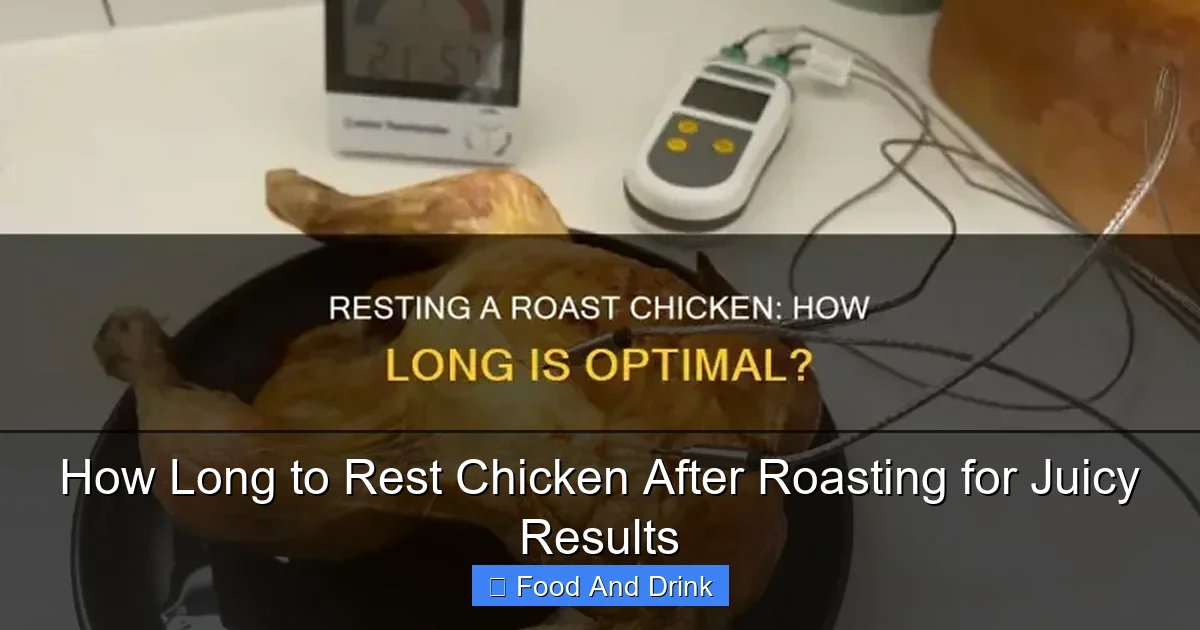
Visual guide about How Long to Rest Chicken After Roasting for Juicy Results
Image source: shungrill.com
Juice Redistribution
When chicken cooks, the heat causes muscle fibers to contract and squeeze out moisture. This moisture collects in the center of the meat. If you cut into the chicken immediately, these juices—full of fat, salt, and flavor—spill out, leaving the meat dry. Resting allows the fibers to relax and reabsorb some of that liquid, keeping the meat moist.
Carryover Cooking
Even after you take the chicken out of the oven, the internal temperature continues to rise by about 5 to 10°F. This is known as carryover cooking. For example, if you remove a chicken breast at 160°F, it may reach 165–170°F during the resting period. This is why many chefs recommend pulling chicken out a few degrees below the target temperature.
Temperature Equalization
During roasting, the outer layers of the chicken cook faster than the center. Resting allows the heat to spread evenly throughout the meat, ensuring that every part is cooked consistently. This is especially important for whole birds, where the breast and thigh may cook at different rates.
Improved Texture and Flavor
As the chicken rests, the proteins begin to firm up slightly, giving the meat a better texture. The flavors also have time to meld, especially if you’ve used herbs, spices, or a marinade. The result is a more balanced, satisfying bite.
How to Rest Chicken Properly
Resting isn’t just about setting the chicken aside—it’s about doing it the right way to maintain quality and safety.

Visual guide about How Long to Rest Chicken After Roasting for Juicy Results
Image source: shungrill.com
Use a Warm, Draft-Free Spot
Place the roasted chicken on a cutting board or platter in a warm part of the kitchen, away from cold drafts or air conditioning vents. You want to keep it warm but not hot. A spot near the stove or oven (after it’s been turned off) works well.
Tent with Foil (Loosely!)
Cover the chicken loosely with aluminum foil, creating a “tent” rather than wrapping it tightly. This traps some heat to keep the chicken warm but allows steam to escape, preventing the skin from becoming soggy. If you wrap it too tightly, the steam will soften the crispy skin—something no roasted chicken lover wants.
Use a Carving Board with a Well
A carving board with a juice well or groove around the edge can catch any drips during resting. This keeps your counter clean and allows you to collect the juices for making gravy or sauce later.
Don’t Let It Sit Too Long
While resting is important, don’t let the chicken sit for more than 30–45 minutes at room temperature. After that, it enters the “danger zone” (40°F to 140°F), where bacteria can grow. If you need to hold the chicken longer, consider transferring it to a low oven (around 170°F) or using a warming drawer.
Use the Rest Time Productively
Instead of just waiting, use this time to finish your meal. Chop vegetables, make a pan sauce from the drippings, set the table, or pour drinks. This makes the process feel less like a delay and more like part of the cooking flow.
Common Mistakes to Avoid
Even experienced cooks sometimes make errors when it comes to resting chicken. Here are a few pitfalls to watch out for.
Cutting Too Soon
This is the most common mistake. The urge to serve immediately is strong, especially when guests are waiting. But cutting into the chicken too soon guarantees dry meat. Resist the temptation—your patience will pay off.
Over-Tenting with Foil
Wrapping the chicken tightly in foil traps steam, which softens the skin and can make it rubbery. Always use a loose tent to preserve crispiness.
Letting It Cool Completely
While you don’t want to serve piping-hot chicken that burns tongues, letting it cool too much can make it unappetizing. Aim to serve it warm, not cold. If needed, reheat briefly in a low oven before carving.
Ignoring Carryover Cooking
Pulling the chicken out at the exact target temperature can lead to overcooking during resting. For safety and juiciness, remove it a few degrees early. Use a meat thermometer to monitor internal temperature accurately.
Not Accounting for Size
A small chicken breast and a 5-pound roaster have very different resting needs. Always adjust your timing based on the size and cut of the chicken.
Tips for Juicier Roasted Chicken
Resting is just one part of the equation. Here are additional tips to ensure your roasted chicken is always juicy and delicious.
Brining Before Roasting
Brining—soaking the chicken in a saltwater solution—helps it retain moisture during cooking. A simple brine of water, salt, and sugar can make a big difference, especially for lean cuts like breasts.
Using a Meat Thermometer
Never guess when chicken is done. Use a reliable meat thermometer to check the internal temperature. For whole chickens, insert the probe into the thickest part of the thigh, avoiding the bone. The safe minimum internal temperature is 165°F.
Roasting at the Right Temperature
High heat (425°F to 450°F) gives crispy skin, while lower heat (325°F to 375°F) promotes even cooking and juiciness. Many chefs recommend starting high to crisp the skin, then reducing the heat to finish cooking.
Basting for Flavor and Moisture
Basting with butter, oil, or pan juices during roasting adds flavor and helps keep the skin from drying out. Do this every 20–30 minutes for best results.
Letting the Chicken Come to Room Temperature
Take the chicken out of the fridge 30–60 minutes before roasting. This ensures more even cooking and reduces the risk of overcooking the outside while the inside catches up.
Using a Rack in the Roasting Pan
Elevating the chicken on a rack allows hot air to circulate underneath, promoting even browning and preventing the bottom from steaming.
How to Use the Resting Juices
Those drippings that collect during resting aren’t waste—they’re liquid gold. Here’s how to make the most of them.
Make a Simple Pan Sauce
After removing the chicken, place the roasting pan on the stove over medium heat. Add a splash of broth, wine, or water to deglaze the pan, scraping up the browned bits. Simmer, then whisk in butter or cream for a rich, flavorful sauce.
Enhance Gravy
If you’re making gravy, use the resting juices as a base. Combine them with flour or cornstarch to thicken, then season to taste. The result is a deeply savory, restaurant-quality gravy.
Add to Rice or Grains
Pour the juices over rice, quinoa, or couscous for an instant flavor boost. The savory liquid infuses the grains with richness and depth.
Use in Soups or Stews
Store leftover juices in the fridge or freezer and add them to soups, stews, or braises for extra depth of flavor.
Conclusion
Resting roasted chicken is a simple but transformative step that can make the difference between a good meal and a great one. By allowing your chicken to rest for the right amount of time—whether it’s 5 minutes for a breast or 30 minutes for a whole bird—you ensure that every bite is juicy, tender, and full of flavor.
Remember: patience pays off in the kitchen. Use the resting time to finish your sides, make a sauce, or simply enjoy the anticipation. And when you finally carve into that perfectly rested chicken, you’ll taste the difference. So the next time you roast a chicken, don’t rush. Let it rest, and savor the results.
Frequently Asked Questions
Why is resting chicken important?
Resting allows the juices to redistribute throughout the meat, preventing them from spilling out when you cut. This keeps the chicken moist and flavorful.
How long should I rest chicken breasts?
Rest boneless, skinless chicken breasts for 5 to 7 minutes after roasting. This brief pause helps retain moisture and improves texture.
Can I speed up the resting process?
While you can’t rush resting, you can keep the chicken warm by tenting it with foil and placing it near a warm oven or stove.
What temperature should chicken reach before resting?
Remove chicken from the oven when it’s 5–10°F below the target temperature (165°F), as carryover cooking will raise it during resting.
Is it safe to eat chicken that hasn’t rested?
Yes, it’s safe as long as it’s cooked to 165°F internally. However, it will be drier and less flavorful without resting.
Can I rest chicken in the fridge?
No, never rest chicken in the fridge. It should rest at room temperature to allow even cooling and juice redistribution.


