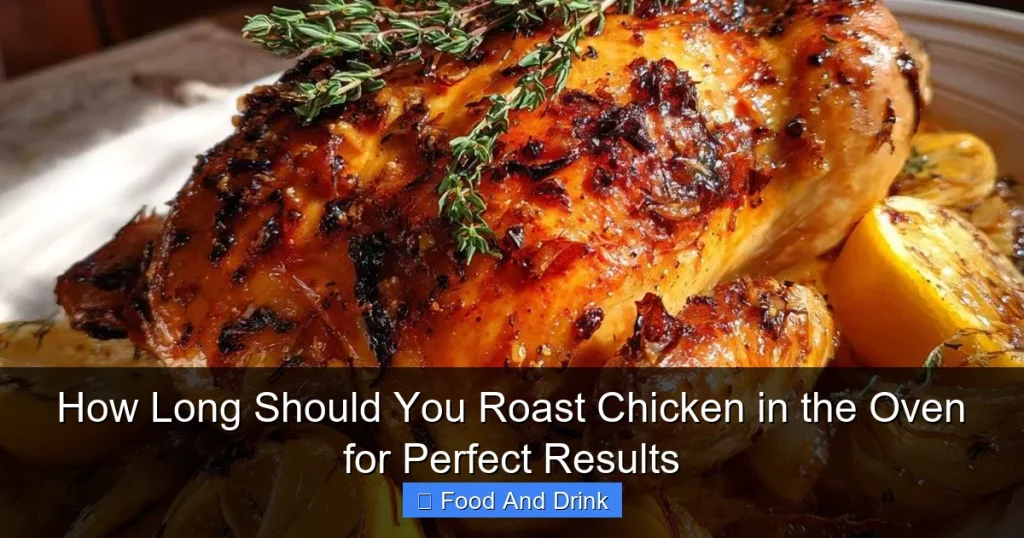

Roasting a chicken to perfection isn’t just about throwing it in the oven—it’s about timing, temperature, and technique. Whether you’re cooking a whole bird or parts, knowing how long to roast chicken in the oven ensures tender meat, crispy skin, and food safety. With the right approach, you’ll serve a restaurant-quality meal at home.
There’s something deeply satisfying about pulling a golden, fragrant roast chicken out of the oven. The aroma fills the kitchen, the skin is crisp and glistening, and the meat is tender enough to fall off the bone. But achieving that perfect roast isn’t magic—it’s science, timing, and a little know-how. One of the most common questions home cooks ask is: *How long should you roast chicken in the oven?* The answer isn’t one-size-fits-all. It depends on the size of the bird, whether it’s whole or cut into pieces, the oven temperature, and even how you prepare it beforehand.
Roasting chicken seems simple, but small mistakes—like overcooking or under-seasoning—can lead to dry, bland results. That’s why understanding the fundamentals of roasting time and temperature is essential. Whether you’re cooking for a holiday dinner, a weeknight family meal, or meal prepping for the week, getting the timing right ensures juicy, flavorful meat every time. In this guide, we’ll walk you through everything you need to know to roast chicken like a pro, from choosing the right temperature to using a meat thermometer correctly.
Key Takeaways
- General rule: Roast a whole chicken at 375°F (190°C) for 20 minutes per pound, plus 10–15 minutes extra.
- Use a meat thermometer: The safest way to check doneness is when the internal temperature reaches 165°F (74°C) in the thickest part of the thigh.
- Higher heat for crispier skin: Start at 425°F (220°C) for the first 15–20 minutes, then reduce to 350°F (175°C) for even cooking.
- Rest the chicken: Let it rest for 15–20 minutes after roasting to lock in juices and improve texture.
- Bone-in vs. boneless: Bone-in pieces take longer—about 45–60 minutes at 375°F, while boneless breasts need only 20–25 minutes.
- Seasoning matters: Dry brine or marinate ahead of time for deeper flavor and moisture retention.
- Oven placement: Roast on the middle rack for even heat distribution and browning.
Quick Answers to Common Questions
How long should you roast a 4-pound chicken at 375°F?
Roast a 4-pound chicken at 375°F for about 80 minutes, plus 10–15 minutes extra, for a total of 90–95 minutes. Always check the internal temperature to ensure it reaches 165°F.
Can you roast chicken at 400°F?
Yes, you can roast chicken at 400°F. A 4-pound chicken would take about 70–80 minutes. This higher temperature helps crisp the skin but requires careful monitoring to avoid drying out the meat.
Should I cover chicken while roasting?
No, do not cover the chicken while roasting. Covering traps steam, which prevents the skin from crisping. Only tent loosely with foil during resting.
How do I keep chicken moist when roasting?
Use a dry brine, marinate beforehand, roast bone-in and skin-on, and always let the chicken rest after cooking. Avoid overcooking by using a meat thermometer.
Can I roast chicken from frozen?
It’s not recommended to roast chicken from frozen due to uneven cooking and food safety risks. Always thaw chicken in the refrigerator before roasting.
📑 Table of Contents
Understanding Roasting Basics
Before we dive into exact times, let’s talk about what actually happens when you roast chicken. Roasting is a dry-heat cooking method that uses hot air to cook food evenly from all sides. The high heat causes the Maillard reaction—a chemical process that browns the skin and creates complex, savory flavors. At the same time, the heat slowly penetrates the meat, breaking down connective tissues and rendering fat, which keeps the chicken moist.
One of the biggest myths about roasting chicken is that you need to cook it at a very high temperature the entire time. While high heat is great for crisping the skin, it can also dry out the meat if used throughout. That’s why many chefs recommend starting with a blast of high heat to get that golden crust, then lowering the temperature to cook the inside gently. This two-stage method helps prevent the outside from burning while ensuring the inside reaches a safe temperature.
Another key factor is oven calibration. If your oven runs hot or cold, your cooking times will be off. Consider investing in an oven thermometer to check accuracy. Also, avoid opening the oven door too often—each time you do, the temperature drops by about 25°F, which can extend cooking time and affect results.
How Long to Roast a Whole Chicken

Visual guide about How Long Should You Roast Chicken in the Oven for Perfect Results
Image source: sweetandsavorybyshinee.com
When it comes to roasting a whole chicken, the general rule of thumb is **20 minutes per pound at 375°F (190°C)**, plus an additional 10–15 minutes. So, a 4-pound chicken would take about 80 minutes, plus 10–15 minutes, for a total of 90–95 minutes. But this is just a starting point. The actual time can vary based on several factors, including the chicken’s starting temperature (room temp vs. straight from the fridge), whether it’s stuffed, and your oven’s behavior.
For example, if you take your chicken out of the refrigerator 30 minutes before cooking, it will roast more evenly and may cook a bit faster. Cold chicken straight from the fridge takes longer to reach the center, which can lead to overcooked skin before the inside is done.
A popular technique to ensure even cooking and crisp skin is to **start at a higher temperature**. Begin roasting at 425°F (220°C) for the first 15–20 minutes to kickstart browning, then reduce the heat to 350°F (175°C) for the remainder of the cooking time. This method gives you the best of both worlds: a beautifully browned exterior and tender, juicy meat.
Let’s look at a few examples:
– A 3-pound chicken: Roast at 425°F for 15 minutes, then reduce to 350°F and cook for about 60–70 minutes (total ~75–85 minutes).
– A 5-pound chicken: Start at 425°F for 20 minutes, then roast at 350°F for 90–100 minutes (total ~110–120 minutes).
Always use a meat thermometer to confirm doneness. Insert it into the thickest part of the thigh, avoiding the bone. The internal temperature should read **165°F (74°C)**. If you’re stuffing the chicken, check the center of the stuffing as well—it should also reach 165°F.
Tips for Juicy, Flavorful Whole Chicken
To take your roast chicken to the next level, try these proven tips:
– **Dry brine the chicken:** Salt the chicken (inside and out) and let it sit uncovered in the fridge for 4–24 hours. This draws out moisture, which is then reabsorbed, seasoning the meat deeply and helping the skin crisp up.
– **Truss the legs:** Tying the legs together with kitchen twine helps the chicken cook evenly and keeps the shape compact.
– **Use a roasting rack:** Placing the chicken on a rack in a roasting pan allows hot air to circulate underneath, preventing the bottom from steaming and staying soggy.
– **Baste occasionally:** Use a spoon or basting brush to coat the chicken with its own juices or melted butter every 20–30 minutes. This adds flavor and helps the skin brown.
– **Add aromatics:** Stuff the cavity with lemon halves, garlic, onions, and fresh herbs like rosemary or thyme. These infuse the meat with subtle fragrance as they roast.
Roasting Chicken Parts: Breasts, Thighs, and Drumsticks
Visual guide about How Long Should You Roast Chicken in the Oven for Perfect Results
Image source: recipeteacher.com
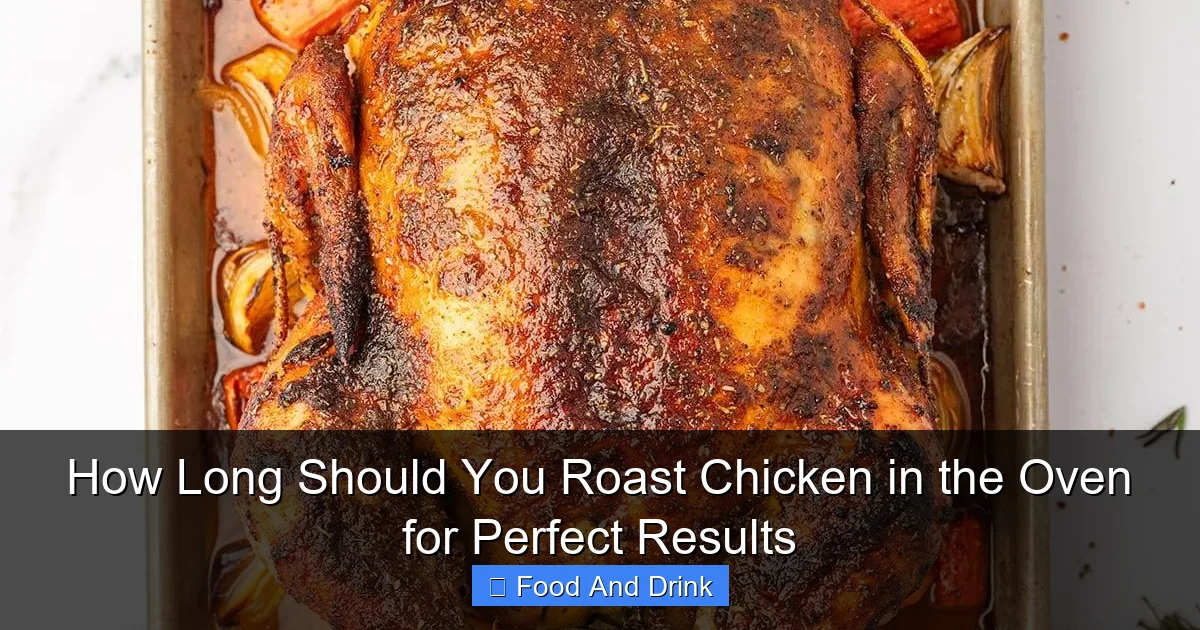
Not everyone wants to cook a whole chicken. Sometimes, you’re in the mood for just breasts, thighs, or drumsticks—or you’re cooking for a smaller group. The good news? Roasting chicken parts is faster and often more forgiving than cooking a whole bird.
Bone-In, Skin-On Chicken Breasts
Bone-in, skin-on chicken breasts are a favorite because they stay juicy and develop a rich, crispy skin. At 375°F (190°C), they typically take **35–45 minutes** to roast. The bone acts as an insulator, slowing down the cooking and preventing dryness.
To ensure even cooking, place the breasts skin-side up on a baking sheet or in a roasting pan. You can also start them at 400°F (200°C) for 10 minutes to crisp the skin, then reduce to 350°F for the remainder.
Use a meat thermometer to check the internal temperature—165°F (74°C) in the thickest part. Let them rest for 5–10 minutes before slicing to retain moisture.
Boneless, Skinless Chicken Breasts
Boneless, skinless breasts are lean and cook quickly, but they’re also prone to drying out. At 375°F (190°C), they usually take **20–25 minutes**. Because there’s no skin or bone to protect them, it’s crucial not to overcook.
To keep them moist, try one of these methods:
– **Pound them to even thickness:** Use a meat mallet to flatten thicker ends so they cook evenly.
– **Marinate for 30 minutes to 2 hours:** A simple marinade of olive oil, lemon juice, garlic, and herbs adds flavor and moisture.
– **Cover with foil for the first 10 minutes:** This traps steam and helps them stay tender, then remove the foil to finish browning.
Chicken Thighs and Drumsticks
Dark meat lovers, rejoice—thighs and drumsticks are some of the most forgiving cuts to roast. They’re higher in fat, which keeps them juicy even if slightly overcooked. At 375°F (190°C), bone-in thighs and drumsticks take **45–60 minutes**.
For extra flavor, marinate them overnight in a mixture of soy sauce, honey, garlic, and smoked paprika. Roast skin-side up on a baking sheet, and flip halfway through for even browning.
If you’re roasting a mix of parts (like a tray of thighs and drumsticks), arrange them in a single layer with space between each piece. This ensures proper airflow and prevents steaming.
The Importance of Using a Meat Thermometer
Visual guide about How Long Should You Roast Chicken in the Oven for Perfect Results
Image source: elanaspantry.com
We can’t stress this enough: **a meat thermometer is your best friend when roasting chicken.** Relying on time alone is risky—ovens vary, chicken sizes differ, and even the same cut can cook at different rates depending on thickness and starting temperature.
The USDA recommends cooking all poultry to an internal temperature of **165°F (74°C)** to kill harmful bacteria like salmonella. But that doesn’t mean you should cook until it hits exactly 165°F and then stop. In fact, chicken continues to cook slightly after it’s removed from the oven due to residual heat—a process called carryover cooking.
Here’s how to use a thermometer correctly:
1. **Insert it into the thickest part of the meat**, avoiding bones, fat, or gristle. For thighs, aim for the center. For breasts, insert from the side.
2. **Check multiple spots**, especially if the chicken is uneven in size.
3. **Wait for a stable reading**—don’t pull it out too soon.
4. **Clean the probe** between uses to avoid cross-contamination.
If the temperature is close to 165°F but not quite there, you can tent the chicken with foil and let it rest—it will likely reach the target temp during that time.
Instant-Read vs. Leave-In Thermometers
There are two main types of meat thermometers:
– **Instant-read thermometers:** These are quick and accurate but need to be inserted each time you check. Great for spot-checking.
– **Leave-in thermometers (probe thermometers):** These stay in the chicken while it roasts and have a cord that connects to a base outside the oven. Ideal for monitoring without opening the door.
For roasting, a leave-in thermometer is especially helpful because it lets you track progress in real time. Many models even have alarms that go off when the target temperature is reached.
Resting the Chicken: The Secret to Juicy Meat
After all that careful roasting, don’t rush to carve the chicken right away. **Resting is a crucial step** that many home cooks skip—but it makes a huge difference in texture and juiciness.
When you remove the chicken from the oven, the juices inside are hot and mobile. If you cut into it immediately, those juices will spill out onto the cutting board, leaving the meat dry. But if you let it rest, the muscle fibers relax and reabsorb the juices, resulting in a more flavorful, moist bite.
For a whole chicken, let it rest for **15–20 minutes** before carving. For chicken parts, 5–10 minutes is usually enough. To speed up the process or keep the chicken warm, tent it loosely with aluminum foil. Don’t wrap it tightly—this can trap steam and make the skin soggy.
During this time, you can make a quick pan sauce using the drippings in the roasting pan. Simply place the pan on the stove, add a splash of wine or broth, and scrape up the browned bits. Reduce slightly and stir in a knob of butter for richness.
Common Mistakes and How to Avoid Them
Even experienced cooks can run into issues when roasting chicken. Here are some common pitfalls and how to fix them:
– **Dry meat:** Usually caused by overcooking or starting with cold chicken. Always use a thermometer and let the chicken come to room temperature before roasting.
– **Soggy skin:** Often due to overcrowding the pan or not using a rack. Make sure there’s space around each piece and elevate the chicken.
– **Uneven cooking:** Can happen if the chicken isn’t trussed or if parts are stacked. Arrange pieces in a single layer and rotate the pan halfway through if needed.
– **Burnt skin, undercooked inside:** This happens when the oven is too hot or the chicken is too cold. Use the two-temperature method and avoid opening the oven too often.
– **Bland flavor:** Don’t skip seasoning! Salt, pepper, herbs, and aromatics make all the difference. Dry brining is especially effective.
Oven Temperature and Rack Position
Where you place the chicken in the oven matters more than you might think. The **middle rack** is ideal for most roasting because it provides even heat from top and bottom. If you place the chicken too close to the top, the skin may burn before the inside cooks. Too close to the bottom, and the drippings can smoke or burn.
Also, consider your oven type:
– **Conventional ovens:** Heat comes from the top and bottom elements. Rotate the pan halfway through for even browning.
– **Convection ovens:** Use a fan to circulate hot air, which cooks food faster and more evenly. Reduce the temperature by 25°F (about 15°C) or shorten the cooking time by about 25%.
If you’re using convection, a 4-pound chicken might take only 60–70 minutes instead of 80–90.
Conclusion
Roasting the perfect chicken doesn’t have to be intimidating. With the right timing, temperature, and a few smart techniques, you can achieve juicy, flavorful results every time. Remember: **how long you roast chicken in the oven depends on size, cut, and method**, but the golden rule is to use a meat thermometer and aim for 165°F (74°C) internally.
Whether you’re cooking a whole bird for Sunday dinner or roasting a tray of thighs for a quick weeknight meal, these tips will help you master the art of roasting. Start with high heat for crisp skin, finish at a moderate temperature, let it rest, and always taste before serving. With practice, you’ll develop your own rhythm and preferences—and your family will be asking for seconds.
So next time you’re planning a meal, don’t stress about the clock. Focus on the process, trust your thermometer, and enjoy the delicious results. A perfectly roasted chicken isn’t just a meal—it’s a moment of comfort, connection, and culinary pride.
🎥 Related Video: How to get Gordon Ramsay's perfect roasted whole chicken #chickenrecipe
📺 MasterClass
About MasterClass: MasterClass is the streaming platform where anyone can learn from the world’s best. With an annual …
Frequently Asked Questions
What is the best temperature to roast chicken?
The ideal roasting temperature is 375°F (190°C) for even cooking. Starting at 425°F (220°C) for the first 15–20 minutes helps crisp the skin, then reducing to 350°F (175°C) ensures the inside cooks gently.
How do I know when my roast chicken is done?
The safest way is to use a meat thermometer. Insert it into the thickest part of the thigh without touching the bone. The internal temperature should read 165°F (74°C).
Should I rinse my chicken before roasting?
No, rinsing raw chicken can spread bacteria around your kitchen. Simply pat it dry with paper towels and season as desired. Cooking to the proper temperature kills any harmful bacteria.
Can I roast chicken in a glass dish?
Yes, you can roast chicken in a glass baking dish, but it may take slightly longer than metal. Glass retains heat differently, so monitor the temperature and adjust time if needed.
How long can I let chicken rest after roasting?
Let a whole chicken rest for 15–20 minutes and chicken parts for 5–10 minutes. Resting allows juices to redistribute, resulting in moister, more flavorful meat.
What can I do with the drippings from roast chicken?
Use the drippings to make a pan sauce. Deglaze the roasting pan with broth or wine, scrape up the browned bits, and simmer with butter for a rich, flavorful sauce to serve over the chicken.