

Knowing how long to cook chicken breast ensures it’s safe to eat, juicy, and flavorful. Whether you’re baking, grilling, or pan-searing, timing and temperature are key. This guide breaks down cooking times by method so you can nail it every time.
Key Takeaways
- Chicken breast is safe to eat when it reaches 165°F (74°C) internally. Use a meat thermometer to check the thickest part, avoiding the bone.
- Baking chicken breast takes 20–30 minutes at 375°F (190°C). Thickness and starting temperature affect cook time—thaw frozen chicken first.
- Pan-searing takes 6–8 minutes per side over medium-high heat. Finish in the oven if needed to reach safe internal temperature.
- Grilling requires 6–7 minutes per side over direct heat. Use a two-zone fire to prevent charring and ensure even cooking.
- Resting for 5 minutes after cooking locks in juices. Cover loosely with foil to keep the chicken warm without overcooking.
- Brining or marinating adds moisture and flavor. Even a 30-minute soak in buttermilk or saltwater helps prevent dryness.
- Thin-cut or pounded breasts cook faster. Aim for even thickness to avoid dry edges and undercooked centers.
Quick Answers to Common Questions
How long should you cook chicken breast in the oven?
Bake boneless chicken breast at 375°F (190°C) for 20–30 minutes, depending on thickness. Use a thermometer to check for 160°F internal temperature.
Can you cook chicken breast from frozen?
Yes, but add 50% more time. For example, a 20-minute bake becomes 30 minutes. Thawing first gives better results.
How do you keep chicken breast from drying out?
Brine it, marinate it, pound it to even thickness, and let it rest after cooking. Avoid overcooking by using a thermometer.
Is it safe to eat chicken at 160°F?
Yes, if it rests for 5 minutes. The temperature will rise to 165°F during carryover cooking, making it safe and juicy.
What’s the best way to check if chicken is done?
Use a digital meat thermometer inserted into the thickest part. It should read 160°F before resting.
📑 Table of Contents
Introduction: Why Cooking Chicken Breast Right Matters
Chicken breast is one of the most popular proteins in home kitchens. It’s lean, versatile, and packed with protein. But despite its popularity, it’s also one of the easiest meats to overcook. One minute too long, and you’re left with dry, rubbery chicken that no one wants to eat. On the other hand, undercooked chicken poses serious health risks. That’s why knowing exactly how long to cook chicken breast is essential.
The good news? With the right techniques and a little attention to detail, you can cook perfect chicken breast every time. Whether you’re meal prepping for the week, grilling for a summer barbecue, or whipping up a quick weeknight dinner, mastering the timing and temperature will make all the difference. This guide will walk you through every major cooking method—baking, grilling, pan-searing, and more—so you can choose the best approach for your meal and avoid common pitfalls.
Understanding Safe Internal Temperature
Visual guide about How Long Should You Cook Chicken Breast for Perfect Results
Image source: allrecipes.com
Before we dive into cooking times, let’s talk about safety. The most important rule when cooking chicken breast is reaching the correct internal temperature. According to the USDA, all poultry must be cooked to a minimum internal temperature of 165°F (74°C) to kill harmful bacteria like Salmonella and Campylobacter.
But here’s the catch: just because chicken hits 165°F doesn’t mean it has to taste dry. In fact, many chefs and food scientists now recommend pulling chicken off the heat at 160°F (71°C) and letting it rest. During the resting period, the temperature will rise another 5 degrees due to carryover cooking, safely reaching 165°F while keeping the meat juicy.
Why a Meat Thermometer Is Your Best Friend
Eyeballing doneness is risky. Chicken can look done on the outside but still be undercooked in the center. That’s why a digital instant-read meat thermometer is a must-have tool. Insert the probe into the thickest part of the breast, avoiding bone or fat, and wait for the reading.
If you don’t have a thermometer, you can check for doneness by cutting into the thickest part. The meat should be white with no pink, and the juices should run clear. However, this method isn’t foolproof—and it can let juices escape, drying out the chicken. A thermometer is far more accurate and reliable.
Carryover Cooking: The Secret to Juicy Results
Carryover cooking is the process where heat continues to move through the meat after it’s removed from the heat source. This means the internal temperature rises even after cooking stops. For chicken breast, this usually adds 3–5°F.
By pulling the chicken at 160°F and letting it rest for 5 minutes, you allow the fibers to relax and reabsorb juices. This simple step can mean the difference between dry and tender chicken. Plus, resting gives you time to plate sides or make a quick sauce.
Cooking Chicken Breast in the Oven

Visual guide about How Long Should You Cook Chicken Breast for Perfect Results
Image source: thrivinghomeblog.com
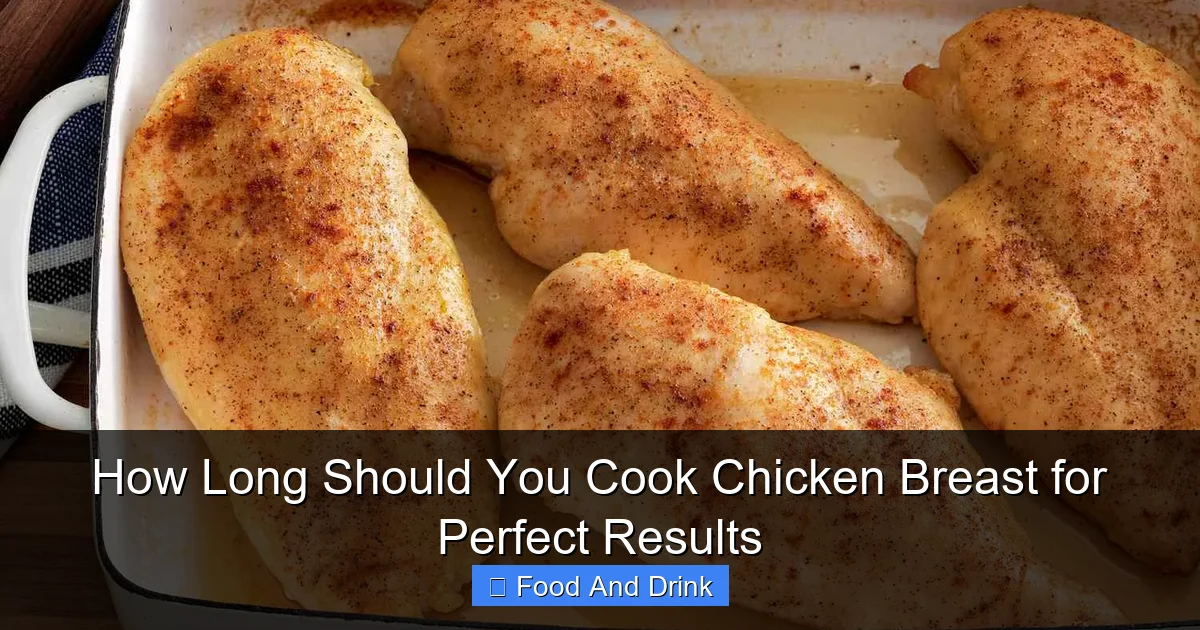
Baking chicken breast in the oven is one of the most reliable methods for even cooking. It’s hands-off, great for meal prep, and works well with marinades and seasonings. The standard temperature is 375°F (190°C), but you can adjust based on your oven and recipe.
Standard Baking Time and Temperature
For boneless, skinless chicken breasts of average thickness (about 1 inch or 2.5 cm), bake at 375°F (190°C) for 20–30 minutes. Start checking at the 20-minute mark with a thermometer. Thicker breasts may need up to 35 minutes, while thinner cuts could be done in 15.
If your chicken is frozen, add 50% more time. So, a 20-minute bake becomes 30 minutes. But for best results, thaw frozen chicken in the fridge overnight. This ensures even cooking and better texture.
Tips for Juicy Baked Chicken
To keep baked chicken moist, try these tricks:
– Brine it first: Soak chicken in a saltwater solution (1/4 cup salt per 4 cups water) for 30 minutes to 2 hours. This helps the meat retain moisture.
– Use a baking dish with liquid: Add a splash of broth, wine, or lemon juice to the dish. The steam keeps the chicken from drying out.
– Cover with foil for the first half: Tenting the dish with foil traps moisture. Remove it for the last 10 minutes to brown the top.
– Pound to even thickness: Use a meat mallet to flatten thicker parts. This prevents the edges from drying out before the center cooks.
Oven-Baked Chicken with Herbs and Garlic (Example Recipe)
Here’s a simple, flavorful way to bake chicken breast:
Preheat oven to 375°F (190°C). Pat chicken dry and season with salt, pepper, garlic powder, and dried thyme. Place in a baking dish and drizzle with olive oil. Add a few sprigs of fresh rosemary and sliced garlic around the chicken. Pour 1/2 cup chicken broth into the dish.
Bake covered with foil for 15 minutes. Remove foil and bake another 10–15 minutes, or until internal temperature reaches 160°F. Let rest 5 minutes before serving. The broth keeps it moist, and the herbs add depth without overpowering.
Pan-Searing Chicken Breast

Visual guide about How Long Should You Cook Chicken Breast for Perfect Results
Image source: grantrecipes.com
Pan-searing gives chicken a golden, crispy exterior while keeping the inside tender. It’s fast, requires minimal equipment, and works well for single servings or quick dinners. The key is high heat and proper timing.
Step-by-Step Pan-Searing Guide
1. Pat the chicken dry: Moisture prevents browning. Use paper towels to remove excess surface liquid.
2. Season generously: Salt, pepper, and a little paprika or garlic powder work well.
3. Heat the pan: Use a heavy skillet (cast iron or stainless steel) over medium-high heat. Add 1–2 tablespoons of oil with a high smoke point, like canola or avocado oil.
4. Sear the chicken: Place chicken in the pan and cook undisturbed for 6–7 minutes until golden brown.
5. Flip and finish: Flip and cook another 6–7 minutes. If the chicken is thick, reduce heat to medium and cover the pan for a few minutes to help the center cook through.
6. Check temperature: Use a thermometer to ensure it reaches 160°F. If not, finish in a 375°F oven for 5–10 minutes.
Common Mistakes to Avoid
– Moving the chicken too soon: Let it sear undisturbed for a good crust to form.
– Using too much oil: A thin layer is enough. Too much makes it greasy.
– Overcrowding the pan: Cook in batches if needed. Overcrowding lowers the pan’s temperature and steams the chicken instead of searing it.
Pan-Seared Chicken with Lemon Butter Sauce
After removing the chicken, don’t clean the pan! Use the flavorful bits (fond) to make a quick sauce. Add 2 tablespoons butter, 1 minced garlic clove, and juice of half a lemon. Cook 1–2 minutes until fragrant. Pour over the rested chicken. The acid cuts through the richness, making a restaurant-quality dish in under 20 minutes.
Grilling Chicken Breast
Grilling adds a smoky flavor and beautiful grill marks that elevate any meal. But chicken breast can dry out quickly over high heat. The secret is using a two-zone fire and monitoring temperature closely.
Setting Up a Two-Zone Grill
A two-zone fire means one side of the grill is hot (direct heat), and the other is cooler (indirect heat). This gives you control:
– Direct heat: For searing and browning.
– Indirect heat: For finishing without burning.
To set it up:
– On a gas grill, turn one burner to high and leave the other off.
– On a charcoal grill, pile coals on one side and leave the other side empty.
Grilling Time and Technique
1. Preheat the grill: Aim for 450°F (230°C) on the hot side.
2. Oil the grates: Use tongs and a paper towel dipped in oil to prevent sticking.
3. Sear over direct heat: Place chicken on the hot side and cook 6–7 minutes per side, or until well-marked.
4. Move to indirect heat: If the chicken isn’t done, move it to the cooler side and close the lid. Cook 5–10 more minutes, checking temperature.
5. Rest before slicing: Let it rest 5 minutes to retain juices.
Grilled Chicken with Chimichurri
While the chicken rests, whip up a fresh chimichurri sauce: blend parsley, cilantro, garlic, red wine vinegar, olive oil, and red pepper flakes. Drizzle over the grilled chicken for a bright, herbaceous finish. It’s perfect for summer meals or tacos.
Other Cooking Methods
While baking, pan-searing, and grilling are the most common, there are other ways to cook chicken breast—each with its own timing and benefits.
Poaching
Poaching involves simmering chicken in liquid (water, broth, or milk) at around 160–180°F (71–82°C). It’s gentle and keeps the meat incredibly moist.
– Time: 10–15 minutes for boneless breasts.
– Tip: Add aromatics like onion, celery, carrot, bay leaf, and peppercorns to the poaching liquid for flavor.
– Use: Great for salads, sandwiches, or shredding for tacos.
Sous Vide
Sous vide uses a water bath to cook chicken at a precise, low temperature. It’s the most foolproof method for juicy, evenly cooked chicken.
– Temperature: 145°F (63°C) for tender, juicy results.
– Time: 1–2 hours.
– Finish: Sear in a hot pan for 1 minute per side for color and texture.
Air Frying
Air fryers use circulating hot air to crisp the outside while cooking the inside.
– Time: 12–15 minutes at 375°F (190°C), flipping halfway.
– Tip: Lightly spray with oil for better browning.
Tips for Perfect Chicken Breast Every Time
No matter the method, these universal tips will improve your results:
– Start with cold, not frozen, chicken: Thaw in the fridge for even cooking.
– Pound to even thickness: Use a meat mallet or rolling pin to flatten thick ends.
– Season in advance: Salt the chicken 30 minutes to 1 hour before cooking. This enhances flavor and texture.
– Don’t skip the rest: Let chicken rest 5 minutes after cooking. It makes a huge difference.
– Use a thermometer: It’s the only way to know for sure when it’s done.
– Marinate for moisture: Even a quick 30-minute soak in yogurt, buttermilk, or olive oil with herbs helps.
Conclusion: Master the Art of Cooking Chicken Breast
Cooking chicken breast perfectly doesn’t have to be complicated. It’s all about understanding the basics: temperature, timing, and technique. Whether you’re baking, grilling, or pan-searing, the goal is the same—juicy, flavorful chicken that’s safe to eat.
Start by investing in a good meat thermometer. It’s the single most important tool for success. Then, choose a method that fits your meal and schedule. Brining, marinating, and resting are simple steps that make a big impact. And remember, even thickness and proper heat management prevent dryness.
With practice, you’ll develop a feel for how long to cook chicken breast in any situation. Soon, you’ll be serving up restaurant-quality meals with confidence. So fire up the oven, heat the grill, or grab your skillet—your perfect chicken breast is just a few minutes away.
Frequently Asked Questions
How long should you cook chicken breast on the grill?
Grill chicken breast for 6–7 minutes per side over direct heat, then move to indirect heat if needed. Total time is usually 12–15 minutes.
Can you overcook chicken breast?
Yes, overcooking dries it out. Use a thermometer and remove it at 160°F, then let it rest to reach 165°F safely.
Should you cover chicken breast when baking?
Cover with foil for the first half to retain moisture, then uncover to brown the top during the last 10 minutes.
How long does it take to pan-sear chicken breast?
Pan-sear for 6–8 minutes per side over medium-high heat. Finish in the oven if the center isn’t fully cooked.
What temperature should chicken breast be cooked to?
Cook to an internal temperature of 165°F (74°C). Pull it at 160°F and let it rest to reach the safe temperature.
How do you know if chicken breast is undercooked?
Undercooked chicken will have pink meat and cloudy juices. Always use a thermometer for accuracy.