

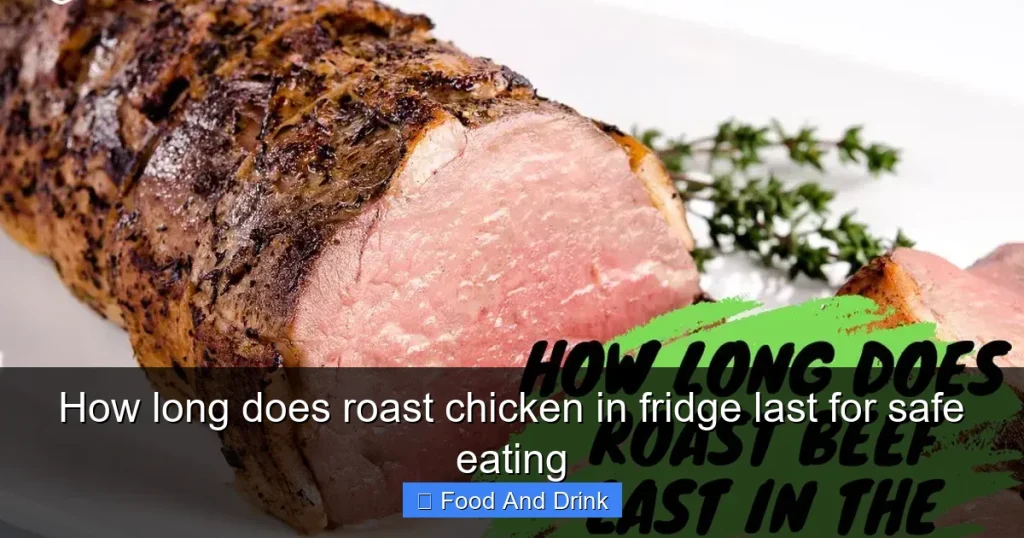

Roast chicken stored in the fridge is safe to eat for 3 to 4 days when kept at or below 40°F (4°C). After that, bacteria like Salmonella and Listeria can grow, increasing food poisoning risks. Always store it properly in airtight containers and reheat to 165°F (74°C) before eating.
Key Takeaways
- Refrigerated roast chicken lasts 3–4 days: This is the maximum safe window for eating leftover roast chicken when stored correctly in the fridge.
- Store in airtight containers: Using sealed containers or heavy-duty freezer bags prevents contamination and slows spoilage.
- Keep fridge at or below 40°F (4°C):strong> A properly cooled fridge slows bacterial growth and keeps food safer longer.
- Reheat to 165°F (74°C): Always reheat leftover chicken thoroughly to kill any potential bacteria that may have developed.
- Freeze for longer storage: You can freeze roast chicken for up to 4 months while maintaining quality and safety.
- Watch for spoilage signs: Bad odor, slimy texture, or grayish-green spots mean the chicken has gone bad and should be discarded.
- Practice safe handling: Avoid leaving cooked chicken at room temperature for more than 2 hours (1 hour if it’s above 90°F/32°C).
How Long Does Roast Chicken in Fridge Last for Safe Eating?
So, you’ve just pulled a golden, juicy roast chicken out of the oven. The aroma fills the kitchen, and everyone’s excited for dinner. But after the meal, you’re left with half a bird and a fridge full of leftovers. Now you’re wondering: How long does roast chicken in fridge last? Can you safely eat it tomorrow? What about the day after?
Great question—and one that every home cook faces. The good news is that roast chicken can be safely stored and enjoyed for a few days after cooking. But there’s a limit. Understanding how long your leftover chicken stays safe to eat is crucial for avoiding foodborne illness while still enjoying every last bite.
In this guide, we’ll walk you through everything you need to know about storing roast chicken in the fridge. From safe time limits to storage tips, reheating methods, and warning signs of spoilage, we’ve got you covered. Whether you’re meal prepping, saving leftovers for lunch, or just trying to reduce food waste, knowing how to handle roast chicken properly keeps your meals delicious and your family safe.
Understanding Food Safety and Leftover Chicken
Food safety isn’t just about cooking meat thoroughly—it’s also about how you store it afterward. Even perfectly cooked roast chicken can become unsafe if left out too long or stored incorrectly. Bacteria like Salmonella, Campylobacter, and Listeria can grow on cooked chicken if it’s not kept cold enough or for too long.
When chicken is cooked, harmful bacteria are killed. But once it starts cooling, new bacteria can begin to grow—especially if it sits in the “danger zone” between 40°F and 140°F (4°C to 60°C). This is why timing and temperature matter so much.
The general rule from food safety experts like the USDA is that perishable foods, including cooked chicken, should not be left at room temperature for more than 2 hours. If the room is hot—above 90°F (32°C)—that time drops to just 1 hour. After that, bacteria multiply rapidly, increasing the risk of food poisoning.
Once you’ve stored your roast chicken in the fridge, the clock starts ticking. But how long is safe? The answer depends on several factors: how quickly you cooled the chicken, how airtight your storage is, and how cold your fridge runs.
The 3–4 Day Rule
According to the U.S. Department of Agriculture (USDA), cooked roast chicken can be safely stored in the refrigerator for 3 to 4 days. This applies to whole roasted chickens, chicken pieces, or shredded chicken. As long as the chicken was handled properly after cooking and stored promptly, it should remain safe to eat within this window.
But why only 3–4 days? Even in the fridge, bacteria don’t stop growing—they just slow down. Over time, spoilage organisms can still develop, especially if the chicken wasn’t cooled quickly or if the fridge temperature fluctuates.
For example, if you leave your roast chicken on the counter to cool for 3 hours before refrigerating, you’ve already given bacteria a head start. That could shorten the safe storage time significantly.
Why Timing Matters
Let’s say you roast a chicken on Sunday night. You eat half, and the rest goes into the fridge by 8 p.m. That’s great—you’ve followed the 2-hour rule. Now, you plan to eat the leftovers on Wednesday for lunch. That’s day 3. Still safe.
But what if you wait until Friday? That’s day 5. Now you’re pushing past the recommended window. Even if the chicken looks and smells fine, it could harbor harmful bacteria that aren’t visible or detectable by smell.
Foodborne illnesses from spoiled chicken can cause symptoms like nausea, vomiting, diarrhea, stomach cramps, and fever. In severe cases, especially for young children, older adults, or people with weakened immune systems, it can lead to hospitalization.
So, while it’s tempting to stretch leftovers a little longer, it’s not worth the risk. Stick to the 3–4 day rule for peace of mind and better health.
Proper Storage Techniques for Roast Chicken
Storing roast chicken correctly is just as important as cooking it right. Even the freshest, most delicious roast chicken can spoil quickly if not handled properly. The goal is to cool it quickly, store it airtight, and keep it cold.
Cooling the Chicken Quickly
After roasting, don’t leave your chicken sitting on the counter for hours. Bacteria love warm environments. Instead, follow these steps:
1. Let it rest for 15–20 minutes after removing from the oven. This allows the juices to redistribute, making the meat more tender.
2. Remove the meat from the bones if possible. Shredded or sliced chicken cools faster than a whole bird.
3. Divide large portions into smaller containers. This helps the chicken cool more evenly and quickly.
4. Place in the fridge within 2 hours. If your kitchen is hot, aim to refrigerate within 1 hour.
You can speed up cooling by placing the chicken in a shallow container and setting it in a sink filled with ice water for 10–15 minutes before refrigerating.
Choosing the Right Containers
Not all storage methods are created equal. To keep your roast chicken fresh and safe:
– Use airtight containers made of glass, BPA-free plastic, or food-safe silicone.
– Avoid wrapping in foil or plastic wrap alone—these don’t seal tightly and allow air in, which can dry out the meat and promote bacterial growth.
– If using bags, choose heavy-duty freezer bags and squeeze out as much air as possible before sealing.
Label your containers with the date you cooked the chicken. This helps you track how long it’s been in the fridge and avoid confusion later.
Fridge Temperature Matters
Your fridge should be set to 40°F (4°C) or below. This is the temperature at which bacterial growth slows significantly. Use a refrigerator thermometer to check—many fridges run warmer than their settings suggest.
Keep your roast chicken on a shelf in the main compartment, not in the door. The door is the warmest part of the fridge and experiences temperature fluctuations every time it’s opened.
Avoid overloading your fridge. Good air circulation helps maintain a consistent temperature, which keeps food safer longer.
Signs That Roast Chicken Has Gone Bad
Even with proper storage, roast chicken won’t last forever. Knowing how to spot spoilage can save you from a nasty stomach bug. Here’s what to look for:
Smell
Fresh roast chicken has a mild, savory aroma. If it starts to smell sour, ammonia-like, or just “off,” it’s likely spoiled. Trust your nose—if something doesn’t smell right, don’t eat it.
Texture
Good chicken should feel firm and slightly moist. If the meat feels slimy or sticky to the touch, that’s a red flag. Sliminess is a sign of bacterial growth, especially from spoilage organisms like Pseudomonas.
Color
Roast chicken should retain its golden-brown color. If you notice grayish, greenish, or dull patches, especially around the edges or under the skin, it’s time to toss it. Discoloration often indicates mold or bacterial contamination.
Taste (Only if Unsure)
We don’t recommend tasting spoiled food, but if you’re on the fence and everything else looks okay, a tiny taste might help. If it tastes sour, bitter, or just “wrong,” spit it out and discard the rest.
Remember: When in doubt, throw it out. It’s better to lose a little food than risk food poisoning.
Reheating Roast Chicken Safely
Reheating leftover roast chicken properly ensures it’s safe to eat and still delicious. The goal is to heat it evenly to an internal temperature of 165°F (74°C)—the temperature that kills harmful bacteria.
Best Methods for Reheating
– Oven: Preheat to 325°F (165°C). Place chicken in a baking dish, cover with foil to retain moisture, and heat for 20–30 minutes, or until hot throughout.
– Stovetop: Great for shredded or sliced chicken. Heat in a skillet over medium heat with a splash of broth or water to prevent drying.
– Microwave: Use a microwave-safe dish and cover with a damp paper towel. Heat in 30-second intervals, stirring or flipping halfway, until heated through.
Avoid reheating chicken more than once. Each time you cool and reheat, you increase the risk of bacterial growth. If you have a lot of leftovers, consider portioning them before reheating.
Tips for Juicy Results
Reheated chicken can dry out easily. To keep it moist:
– Add a tablespoon of broth, water, or butter before reheating.
– Cover the dish to trap steam.
– Don’t overheat—once it reaches 165°F, it’s safe to eat.
Freezing Roast Chicken for Longer Storage
If you know you won’t eat your roast chicken within 3–4 days, freezing is the best option. Frozen roast chicken can last up to 4 months while maintaining good quality and safety.
How to Freeze Properly
1. Cool the chicken completely before freezing.
2. Remove meat from bones if desired—shredded or chopped chicken freezes and thaws more evenly.
3. Portion into meal-sized amounts.
4. Place in airtight containers or freezer bags. Remove as much air as possible to prevent freezer burn.
5. Label with the date and contents.
Thawing Safely
Never thaw chicken at room temperature. Instead:
– Refrigerator method: Thaw overnight in the fridge. This is the safest method.
– Cold water method: Place the sealed bag in a bowl of cold water, changing the water every 30 minutes.
– Microwave method: Use the defrost setting, but cook immediately after thawing.
Once thawed, use the chicken within 1–2 days and do not refreeze unless it’s been cooked again.
Creative Ways to Use Leftover Roast Chicken
Don’t let your leftover roast chicken go to waste! There are countless delicious ways to repurpose it:
– Chicken salad: Mix shredded chicken with mayo, celery, grapes, and herbs. Serve on bread or lettuce wraps.
– Tacos or enchiladas: Add spices, salsa, and cheese for a quick Mexican-inspired meal.
– Soup or stew: Use chicken broth and leftover meat for a hearty chicken noodle soup.
– Pasta dishes: Toss with Alfredo sauce, vegetables, and pasta for a creamy dinner.
– Sandwiches and wraps: Layer with avocado, lettuce, and mustard for a tasty lunch.
Getting creative not only reduces food waste but also keeps meals exciting.
Conclusion
So, how long does roast chicken in fridge last? The answer is clear: 3 to 4 days when stored properly at or below 40°F (4°C). Beyond that, the risk of foodborne illness increases, even if the chicken looks and smells fine.
By following safe storage practices—cooling quickly, using airtight containers, and reheating to 165°F—you can enjoy your leftover roast chicken with confidence. And if you’re not planning to eat it within a few days, freezing is a great way to extend its life up to 4 months.
Remember, food safety is about more than just cooking. It’s about handling, storing, and reheating with care. A little attention now can prevent a big problem later.
So next time you roast a chicken, plan ahead. Store it right, eat it within the safe window, and savor every bite—safely.
Quick Q&A
Can I eat roast chicken after 5 days in the fridge?
It’s not recommended. After 4 days, the risk of bacterial growth increases significantly. Even if it looks and smells okay, it may not be safe to eat.
Is it safe to reheat roast chicken more than once?
No. Reheating multiple times increases the risk of bacterial growth. Reheat only the portion you plan to eat.
Can I freeze roast chicken with bones?
Yes, but removing the meat from the bones before freezing makes it easier to thaw and use later.
How can I tell if my fridge is cold enough?
Use a refrigerator thermometer. The ideal temperature is 40°F (4°C) or below.
Can I eat cold roast chicken straight from the fridge?
Yes, as long as it’s within the 3–4 day window and hasn’t spoiled. Some people enjoy cold chicken in salads or sandwiches.
FAQs
How long can I leave roast chicken out before refrigerating?
Do not leave roast chicken at room temperature for more than 2 hours. In hot weather (above 90°F), limit it to 1 hour to prevent bacterial growth.
Can I store roast chicken in the fridge with the skin on?
Yes, you can store it with the skin on. Just make sure it’s in an airtight container to prevent drying out and odor transfer.
Is it safe to eat roast chicken that smells a little sour?
No. A sour or off smell is a sign of spoilage. Discard the chicken to avoid foodborne illness.
Can I freeze roast chicken that’s been in the fridge for 3 days?
Yes, as long as it was stored properly and shows no signs of spoilage. Freezing stops bacterial growth but doesn’t kill bacteria, so use it within 4 months.
What’s the best way to reheat a whole leftover roast chicken?
The oven is best. Wrap in foil, heat at 325°F (165°C) for 20–30 minutes, and check that the internal temperature reaches 165°F (74°C).
Can I use leftover roast chicken in soup after 4 days?
No. After 4 days, the chicken is no longer safe to eat, even if cooked again. Always use chicken within the 3–4 day window.
This is a comprehensive guide about how long does roast chicken in fridge last.
Key Takeaways
- Understanding how long does roast chicken in fridge last: Provides essential knowledge
Quick Answers to Common Questions
What is how long does roast chicken in fridge last?
how long does roast chicken in fridge last refers to essential knowledge and techniques.
Frequently Asked Questions
What is how long does roast chicken in fridge last?
how long does roast chicken in fridge last is an important topic with many practical applications.


