

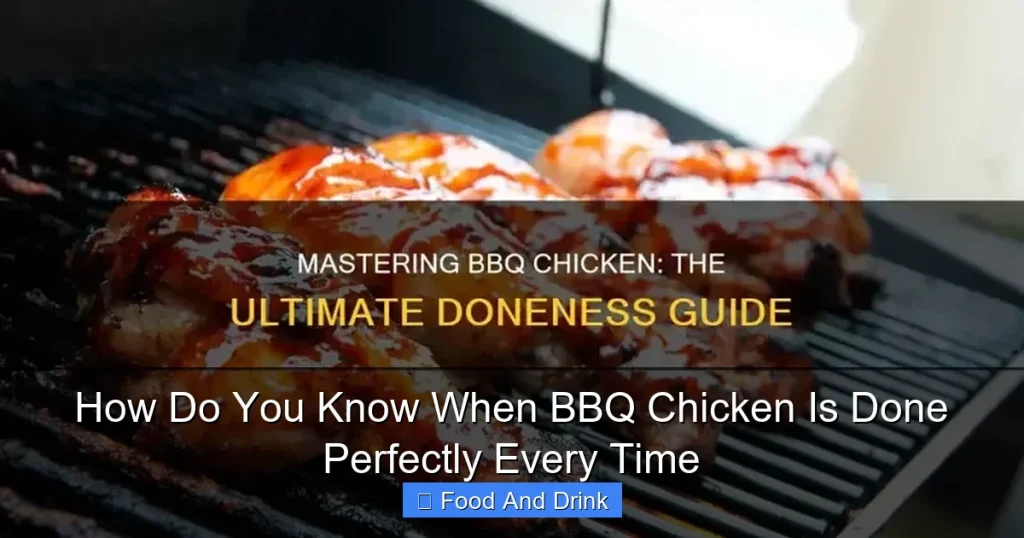

Knowing when BBQ chicken is done isn’t just about time—it’s about temperature, texture, and technique. Use a meat thermometer, check for clear juices, and avoid overcooking to ensure juicy, flavorful, and safe-to-eat BBQ chicken every single time.
Key Takeaways
- Use a meat thermometer: The most reliable way to know when BBQ chicken is done is by checking internal temperature—165°F (74°C) for white meat, 175°F (80°C) for dark meat.
- Check juice color: Pierce the thickest part of the meat; juices should run clear, not pink or red.
- Watch for texture changes: Done chicken feels firm but springy, not rubbery or mushy.
- Rest before serving: Let chicken rest 5–10 minutes after grilling to lock in juices and improve flavor.
- Avoid common mistakes: Don’t rely solely on cooking time or color—these can be misleading.
- Choose the right cut: Bone-in, skin-on pieces stay juicier and cook more evenly than boneless cuts.
- Monitor grill temperature: Maintain consistent heat (350–450°F) to prevent undercooking or charring.
Quick Answers to Common Questions
What temperature should BBQ chicken reach?
White meat like chicken breasts should reach 165°F (74°C), while dark meat like thighs and drumsticks are best at 175°F (80°C) for tenderness and juiciness.
Can you eat BBQ chicken if it’s a little pink?
Not necessarily. Some chicken can appear pink even when fully cooked due to natural pigments. Always check the internal temperature to ensure safety.
How long should you rest BBQ chicken?
Let BBQ chicken rest for 5–10 minutes after grilling. This allows juices to redistribute, resulting in moister, more flavorful meat.
Is it safe to use BBQ sauce early in cooking?
No, applying BBQ sauce too early can cause burning due to its sugar content. Add it in the last 2–3 minutes of grilling.
Should you use a thermometer for boneless chicken?
Yes! Boneless chicken dries out quickly, so a thermometer helps you pull it off at the perfect moment—around 160–165°F.
📑 Table of Contents
- How Do You Know When BBQ Chicken Is Done Perfectly Every Time?
- The Science Behind Perfectly Cooked BBQ Chicken
- Using a Meat Thermometer: The Gold Standard
- Visual and Textural Cues: What to Look and Feel For
- Cooking Times and Temperatures for Different Cuts
- Common Mistakes and How to Avoid Them
- Tips for Juicy, Flavorful BBQ Chicken Every Time
- Conclusion
How Do You Know When BBQ Chicken Is Done Perfectly Every Time?
There’s nothing quite like the smoky aroma of BBQ chicken sizzling on the grill. The sound, the smell, the anticipation—it’s a summer ritual for many. But here’s the catch: nothing ruins a backyard cookout faster than undercooked or overcooked chicken. One bite into dry, rubbery meat or, worse, pink, unsafe chicken, and your perfect BBQ turns into a disappointment.
So how do you know when BBQ chicken is done perfectly every time? It’s not magic—it’s science, skill, and a few simple tricks. Whether you’re grilling drumsticks, thighs, wings, or a whole spatchcocked bird, getting that golden-brown crust with juicy, tender meat inside comes down to understanding the signs of doneness. And no, guessing doesn’t count.
In this guide, we’ll walk you through every method—from thermometers to touch tests—so you can grill with confidence. You’ll learn why temperature matters most, how to read visual and textural cues, and how to avoid the most common pitfalls. By the end, you’ll be able to pull perfectly cooked BBQ chicken off the grill every single time, impressing your family and friends with restaurant-quality results.
The Science Behind Perfectly Cooked BBQ Chicken
Visual guide about How Do You Know When BBQ Chicken Is Done Perfectly Every Time
Image source: shungrill.com
Chicken, like all poultry, is a protein-rich food that undergoes significant changes when heated. As it cooks, the proteins denature and coagulate, moisture evaporates, and connective tissues break down. These transformations affect texture, juiciness, and safety. Understanding this process helps you recognize when BBQ chicken is done—not just safe to eat, but delicious.
One of the biggest misconceptions is that all chicken must reach the same internal temperature. While the USDA recommends 165°F (74°C) as the safe minimum for poultry, this guideline is based on food safety, not ideal texture. In reality, different cuts of chicken have different ideal temperatures. For example, white meat (like chicken breasts) becomes dry and tough if cooked beyond 165°F, while dark meat (like thighs and drumsticks) benefits from higher temperatures—up to 175°F (80°C)—to break down collagen and become tender and juicy.
Another key factor is carryover cooking. When you remove chicken from the grill, the internal temperature can rise by 5–10°F as heat redistributes. This means pulling chicken off at 160°F might actually bring it to 165°F during resting. Timing this correctly prevents overcooking.
Finally, the Maillard reaction—the chemical process that creates that beautiful brown crust—only happens at higher temperatures (above 300°F). So while low-and-slow cooking keeps meat moist, you still need a good sear to develop flavor. Balancing these elements is the secret to perfect BBQ chicken.
Using a Meat Thermometer: The Gold Standard

Visual guide about How Do You Know When BBQ Chicken Is Done Perfectly Every Time
Image source: abeautifulmess.com
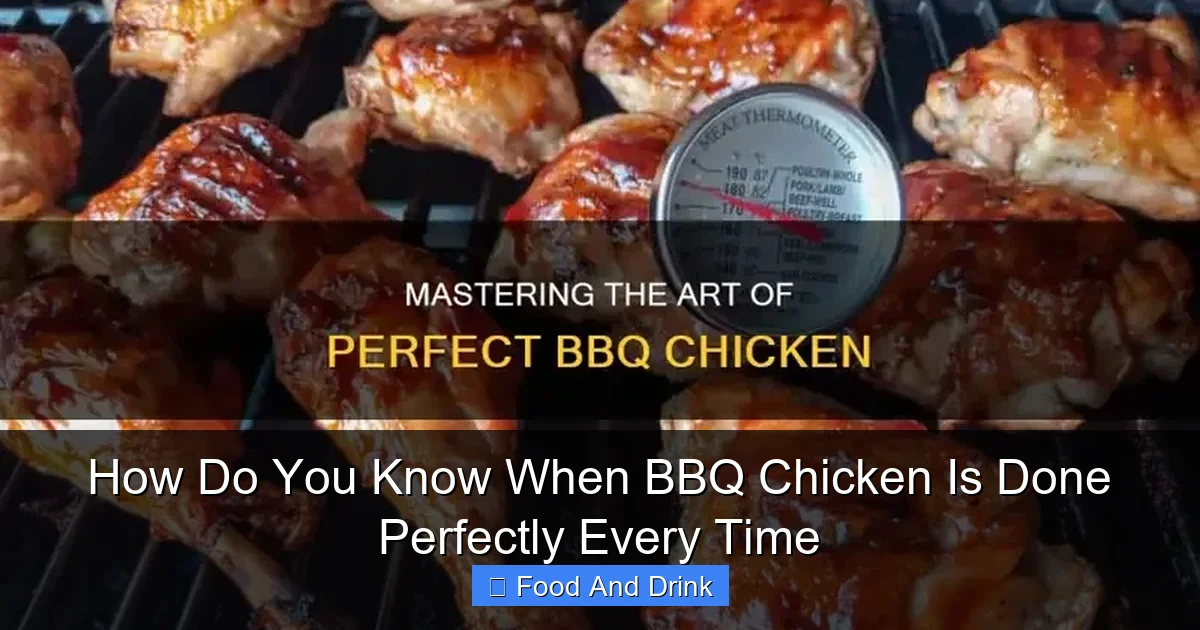
If there’s one tool that separates amateur grillers from pros, it’s the meat thermometer. Sure, you can eyeball it, press it, or cut into it—but none of these methods are as accurate or safe as using a thermometer. When it comes to knowing when BBQ chicken is done, this is your best friend.
Why a Thermometer Is Essential
Chicken can look done long before it’s safe to eat. The surface browns quickly, especially with BBQ sauce, which caramelizes and darkens fast. But the inside? That’s a different story. Without a thermometer, you’re essentially guessing—and guessing with raw poultry is risky.
Foodborne illnesses like salmonella and campylobacter are no joke. They thrive in undercooked chicken and can cause serious illness. The only way to guarantee safety is by reaching the proper internal temperature. A thermometer takes the guesswork out of grilling and gives you peace of mind.
Choosing the Right Thermometer
Not all thermometers are created equal. For BBQ chicken, you’ll want one that’s fast, accurate, and easy to use. Here are the top options:
– **Instant-read thermometers:** These are handheld devices that give a reading in 2–5 seconds. They’re perfect for spot-checking chicken during or after cooking. Look for models with a thin probe to avoid tearing the meat.
– **Leave-in thermometers:** These stay in the chicken while it cooks, with a wire connected to a display outside the grill. Great for monitoring temperature without opening the lid constantly.
– **Wireless smart thermometers:** These connect to your phone via Bluetooth or Wi-Fi, sending alerts when the chicken reaches your target temp. Ideal for long cooks or when you’re multitasking.
For most home grillers, an instant-read thermometer like the ThermoPop or Thermapen is a great starting point. They’re affordable, reliable, and widely available.
How to Use a Thermometer Correctly
Using a thermometer isn’t just about sticking it in and reading the number. Placement matters. Here’s how to do it right:
1. **Insert the probe into the thickest part of the meat**, avoiding bones, fat, or gristle. Bones conduct heat differently and can give false readings.
2. **For whole chickens or large pieces**, check multiple spots—especially the breast and thigh.
3. **Wait for the reading to stabilize.** Instant-read thermometers take a few seconds to settle.
4. **Clean the probe** with hot, soapy water or an alcohol wipe between uses to prevent cross-contamination.
For bone-in chicken pieces like thighs or drumsticks, aim for 175°F (80°C). For boneless breasts, 160–165°F (71–74°C) is ideal—remember, carryover cooking will push it to 165°F.
Visual and Textural Cues: What to Look and Feel For

Visual guide about How Do You Know When BBQ Chicken Is Done Perfectly Every Time
Image source: preppykitchen.com
While a thermometer is the most reliable method, visual and textural cues can help you double-check doneness—especially if you don’t have a thermometer handy. These signs won’t replace temperature testing, but they’re useful backup indicators.
Juice Color: Clear Is Key
One of the oldest tricks in the book is checking the color of the juices. To do this, use a sharp knife or fork to pierce the thickest part of the chicken piece—usually the thigh or breast. If the juices run clear, the chicken is likely done. If they’re pink or red, it needs more time.
But be careful: this method isn’t foolproof. Some chicken, especially younger birds or certain breeds, can retain a pink hue even when fully cooked. This is due to natural pigments or exposure to carbon monoxide in packaging. So while clear juices are a good sign, they shouldn’t be your only guide.
Meat Texture: Firm but Springy
Touch is another useful tool. Raw chicken feels soft and squishy. As it cooks, it firms up. When done, it should feel firm but still spring back when pressed—like the fleshy part of your palm below your thumb.
If the meat feels rubbery or tough, it’s overcooked. If it’s still soft and doesn’t bounce back, it needs more time. This method works best with experience, so don’t rely on it for your first few grills.
Skin and Color Changes
The skin on BBQ chicken should be golden to deep brown, depending on your sauce and grill temperature. It should be crisp, not soggy. If the skin is pale or rubbery, the chicken likely didn’t get enough direct heat.
The meat itself should be white or off-white, with no visible pink. However, as mentioned earlier, some chicken can appear slightly pink even when safe. Again, this is why temperature is king.
Shrinkage and Pulling Away from the Bone
As chicken cooks, it shrinks. You’ll notice the meat pulling away from the bone, especially in drumsticks and wings. This is a good visual cue that the collagen has broken down and the meat is tender.
In whole chickens, the legs may start to jiggle slightly when shaken. This indicates the joints are loosening and the meat is nearing doneness.
Cooking Times and Temperatures for Different Cuts
Not all chicken is created equal—and neither are their cooking times. The cut you choose affects how long it takes to cook and how you should monitor doneness. Here’s a breakdown of common BBQ chicken cuts and their ideal cooking parameters.
Chicken Breasts
Boneless, skinless chicken breasts are lean and cook quickly—but they dry out fast if overcooked. They’re best grilled over medium heat (350–375°F) for 6–8 minutes per side. Use a thermometer to check for 160–165°F internal temperature.
For extra juiciness, brine the breasts for 30 minutes before grilling or use a marinade with oil and acid. You can also pound them to an even thickness to prevent overcooking the thinner parts.
Chicken Thighs and Drumsticks
Dark meat cuts like thighs and drumsticks are more forgiving. They have more fat and collagen, which keeps them moist even with longer cooking. Grill them over medium heat for 12–15 minutes, turning occasionally.
Aim for an internal temperature of 175°F (80°C). At this temp, the meat will be tender, juicy, and easy to pull from the bone.
Chicken Wings
Wings are small and cook fast—usually 10–12 minutes over medium-high heat. They’re done when the skin is crispy and the internal temperature reaches 165°F.
For extra crispiness, pat the wings dry before grilling and avoid saucing too early. Add BBQ sauce in the last 2–3 minutes to prevent burning.
Whole Chicken (Spatchcocked or Rotisserie)
Cooking a whole chicken on the grill requires patience. Spatchcocking (butterflying) the bird helps it cook evenly. Grill over indirect heat at 375°F for 45–60 minutes.
Check the internal temperature in the breast (165°F) and thigh (175°F). The skin should be golden and crisp, and the legs should move freely.
Common Mistakes and How to Avoid Them
Even experienced grillers make mistakes. Here are the most common pitfalls when cooking BBQ chicken—and how to avoid them.
Guessing Instead of Measuring
“I’ve been grilling for years—I don’t need a thermometer.” Sound familiar? While intuition helps, it’s not reliable. Chicken can look done long before it’s safe. Always use a thermometer to confirm doneness.
Overcooking Boneless Cuts
Boneless chicken breasts dry out quickly. To prevent this, use a marinade, brine, or cook them over indirect heat. Pull them off at 160°F and let them rest.
Undercooking Dark Meat
Some people pull thighs or drumsticks off too early because they’re still pink near the bone. But dark meat needs higher temps to become tender. Cook to 175°F for best results.
Sauce Too Early
BBQ sauce contains sugar, which burns easily. Applying it too early can lead to charred, bitter skin. Add sauce in the last 2–3 minutes of cooking, or use a two-step method: cook plain first, then sauce and finish.
Not Resting the Chicken
Resting allows juices to redistribute. Cutting into chicken immediately after grilling lets all the moisture escape. Let it rest 5–10 minutes before serving.
Inconsistent Grill Temperature
Flare-ups and cold spots can cause uneven cooking. Use a two-zone fire (direct and indirect heat) and monitor the grill temp with a built-in thermometer or external gauge.
Tips for Juicy, Flavorful BBQ Chicken Every Time
Now that you know how to tell when BBQ chicken is done, let’s talk about making it taste amazing. Perfect doneness is just the beginning—flavor and juiciness take it to the next level.
Brining for Moisture
A simple saltwater brine (1/4 cup salt per quart of water) can transform dry chicken into a juicy masterpiece. Soak chicken pieces for 1–2 hours (or overnight for whole birds) before grilling. The salt helps the meat retain moisture during cooking.
Marinating for Flavor
Marinades add taste and tenderize the meat. Use a mix of acid (like lemon juice or vinegar), oil, and seasonings. Marinate for at least 30 minutes, or up to 24 hours in the fridge.
Using a Dry Rub
Dry rubs create a flavorful crust and enhance the bark. Apply them 30 minutes to an hour before grilling to let the spices penetrate. Combine salt, pepper, paprika, garlic powder, and brown sugar for a classic BBQ rub.
Smoking for Depth
If you have a smoker or a smoker box, add wood chips (like hickory, apple, or cherry) for authentic smoky flavor. Smoke chicken over low heat (225–250°F) for several hours, then finish over direct heat for crisp skin.
Basting with Care
Basting with BBQ sauce or butter adds shine and flavor—but do it late in the cook. Use a brush to apply sauce in the final minutes, turning frequently to avoid burning.
Serving Suggestions
Serve BBQ chicken with classic sides like coleslaw, cornbread, baked beans, or grilled vegetables. Offer extra sauce on the side for dipping.
Conclusion
Knowing when BBQ chicken is done perfectly every time doesn’t have to be a mystery. With the right tools—especially a reliable meat thermometer—and a few key techniques, you can grill juicy, safe, and flavorful chicken with confidence.
Remember: temperature is your best guide. Aim for 165°F for white meat and 175°F for dark meat. Use visual cues like clear juices and firm texture as backup, but never rely on them alone. Avoid common mistakes like overcooking, saucing too early, or skipping the rest period.
With practice, you’ll develop a feel for the grill and learn to read your chicken like a pro. Whether you’re hosting a summer cookout or just feeding your family, perfectly cooked BBQ chicken is within reach. So fire up the grill, grab your thermometer, and get ready to impress.
🎥 Related Video: No thermometer? No problem – here is how to tell your chicken is cooked through #chickenhack #short
📺 ShiftPixy Labs
No thermometer? No problem – here is how to tell your chicken is cooked through Chef JP shares an easy tip for when you are …
Frequently Asked Questions
How do I know if my chicken is undercooked?
Undercooked chicken may have pink meat near the bone, runny pink juices, or a soft, squishy texture. Always use a thermometer to confirm it’s reached a safe internal temperature.
Can I cook BBQ chicken from frozen?
It’s not recommended. Frozen chicken cooks unevenly and can lead to undercooked centers. Always thaw chicken in the fridge before grilling.
Why is my BBQ chicken dry?
Dry chicken is usually overcooked. Boneless cuts dry out faster, so monitor temperature closely and consider brining or marinating for extra moisture.
How do I prevent flare-ups when grilling chicken?
Trim excess fat, use a two-zone fire, and keep a spray bottle of water nearby. Avoid placing chicken directly over flames.
Can I reheat leftover BBQ chicken?
Yes, reheat in the oven at 325°F until warmed through, or use a skillet with a little broth to keep it moist. Avoid the microwave if possible.
What’s the best wood for smoking BBQ chicken?
Fruit woods like apple or cherry add a mild, sweet smoke, while hickory or oak provide a stronger flavor. Choose based on your taste preference.


