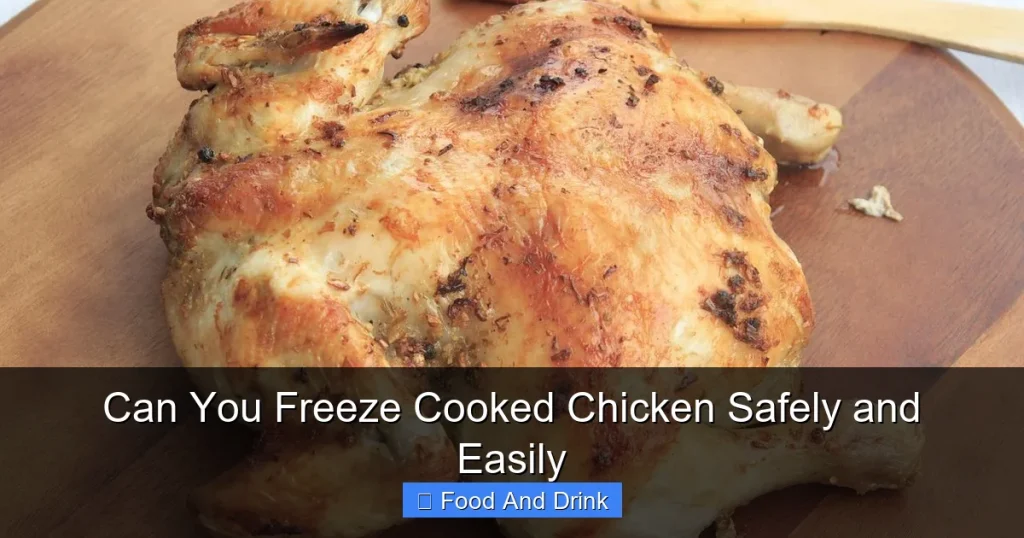

Yes, you can freeze cooked chicken safely and easily—if you follow the right steps. Proper storage, packaging, and reheating techniques ensure your chicken stays delicious, moist, and safe to eat for months.
Key Takeaways
- Freezing cooked chicken is safe: When done correctly, cooked chicken can be frozen for up to 4 months without losing quality or posing health risks.
- Cool before freezing: Always let cooked chicken cool to room temperature before freezing to prevent ice crystals and bacterial growth.
- Use airtight packaging: Wrap chicken tightly in freezer-safe bags or containers to avoid freezer burn and preserve moisture.
- Label and date everything: Mark packages with the date so you know when to use them and avoid eating expired food.
- Thaw safely: Always thaw frozen cooked chicken in the refrigerator, not on the counter, to maintain food safety.
- Reheat properly: Reheat to an internal temperature of 165°F (74°C) using an oven, microwave, or stovetop for best results.
- Best for certain dishes: Shredded or diced cooked chicken freezes better than whole pieces, especially in soups, casseroles, or stir-fries.
Quick Answers to Common Questions
Can you freeze cooked chicken with sauce?
Yes, you can freeze cooked chicken with sauce, but creamy or dairy-based sauces may separate when thawed. For best results, freeze plain chicken and add sauce after reheating.
How do you prevent freezer burn on cooked chicken?
Use airtight, freezer-safe packaging and remove as much air as possible. Vacuum sealing is the best way to prevent freezer burn.
Can you refreeze cooked chicken after thawing?
It’s not recommended. Refreezing can degrade texture and increase the risk of bacterial growth. Only thaw what you plan to eat.
Is it safe to eat frozen cooked chicken after 6 months?
It may still be safe if stored properly, but quality will likely decline. For best taste and texture, use within 4 months.
Can you freeze rotisserie chicken?
Absolutely! Remove the meat from the bones, cool it, and freeze in portions. It’s perfect for soups, salads, and casseroles.
📑 Table of Contents
Can You Freeze Cooked Chicken Safely and Easily?
Let’s face it—cooking a whole chicken or a big batch of grilled chicken breasts can leave you with more leftovers than you know what to do with. Instead of letting that delicious protein go to waste, freezing cooked chicken is a smart, practical solution. But is it really safe? And will it still taste good after being frozen?
The short answer is yes—cooked chicken can be frozen safely and easily, as long as you follow a few key guidelines. Freezing doesn’t kill bacteria, but it does stop their growth, which keeps your food safe for months. When done right, frozen cooked chicken can retain its flavor, texture, and nutritional value, making it a convenient option for quick meals later.
Whether you’re meal prepping for the week, saving holiday leftovers, or just trying to reduce food waste, knowing how to freeze cooked chicken properly can save you time, money, and stress. In this guide, we’ll walk you through everything you need to know—from cooling and packaging to thawing and reheating—so you can enjoy tasty, safe chicken anytime.
Why Freeze Cooked Chicken?
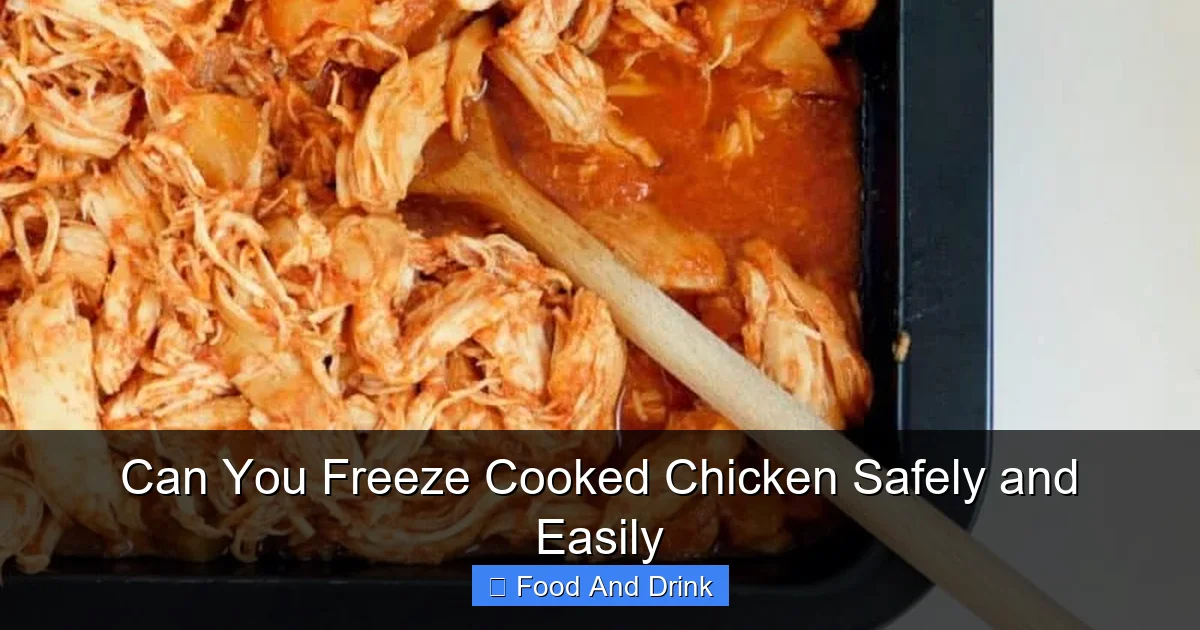
Visual guide about Can You Freeze Cooked Chicken Safely and Easily
Image source: canyoufreezethis.com
Freezing cooked chicken isn’t just about convenience—it’s a smart way to stretch your groceries, reduce waste, and keep your kitchen running smoothly. Think about it: a rotisserie chicken from the store or a big batch of baked chicken thighs can feed your family for days. But what happens when you’ve had your fill? Tossing leftovers feels wasteful, and eating the same meal three days in a row gets old fast.
That’s where freezing comes in. By freezing cooked chicken, you’re essentially hitting pause on spoilage. Instead of losing that protein to the trash, you can save it for future meals like soups, salads, tacos, or casseroles. It’s especially helpful for busy families, meal preppers, or anyone who likes to cook in bulk.
Another big benefit? Cost savings. Chicken is a relatively affordable protein, but buying it in bulk and cooking it all at once can stretch your dollar even further. Freezing allows you to take advantage of sales or discounts without worrying about it going bad. Plus, having frozen cooked chicken on hand means you’re never more than 30 minutes away from a hearty dinner—no last-minute grocery runs required.
And let’s not forget food safety. When stored properly, frozen cooked chicken is just as safe as fresh. Freezing slows down enzyme activity and bacterial growth, which means your chicken stays safe to eat for months. Just remember: freezing doesn’t make food sterile. You still need to handle and store it correctly to avoid contamination.
Reducing Food Waste
Food waste is a huge problem—globally, about one-third of all food produced is wasted. In the U.S. alone, households throw away nearly 30-40% of their food. A big part of that is leftovers that go bad before they’re eaten. By freezing cooked chicken, you’re doing your part to cut down on waste. Instead of tossing half a chicken, you can freeze it and use it later in a completely different dish.
For example, imagine you roast a whole chicken on Sunday for dinner. You eat the breasts and some thighs, but the drumsticks and leftover meat get pushed to the back of the fridge. By Wednesday, they’re forgotten—and by Friday, they’re spoiled. But if you’d frozen those leftovers on Monday, you could’ve used them in Thursday’s chicken pot pie or Friday’s chicken salad.
Freezing gives food a second life. It turns potential waste into future meals, saving money and resources. And when you think about it, that’s a win for your wallet, your time, and the planet.
Convenience for Meal Prep
If you’re into meal prepping, freezing cooked chicken is a game-changer. Instead of cooking chicken every time you want a protein-packed lunch or dinner, you can cook once and eat all week. Cook a big batch of grilled chicken, shred it, and freeze it in portion-sized bags. Then, when you’re ready to eat, just grab a bag, thaw it, and toss it into a salad, wrap, or stir-fry.
This is especially helpful for people with busy schedules. Between work, school, and family commitments, finding time to cook can be tough. Having frozen cooked chicken on hand means you can throw together a healthy meal in minutes. No more relying on takeout or processed snacks when you’re short on time.
And it’s not just about speed—it’s about consistency. When you prep and freeze your own chicken, you control the ingredients. No mystery sauces, no added sodium, no preservatives. Just clean, simple protein that fits your diet and lifestyle.
How to Freeze Cooked Chicken Properly
Visual guide about Can You Freeze Cooked Chicken Safely and Easily
Image source: freezeit.net
Freezing cooked chicken isn’t as simple as tossing it in the freezer and hoping for the best. To keep it safe, tasty, and free from freezer burn, you need to follow a few key steps. The process starts the moment your chicken comes off the heat.
First, let the chicken cool. This is crucial. Placing hot or warm chicken directly into the freezer can raise the temperature inside, which affects other foods and can lead to partial cooking or bacterial growth. Instead, let the chicken sit at room temperature for no more than 2 hours—ideally, cool it within 1 hour if your kitchen is warm.
Once cooled, it’s time to package. The goal is to remove as much air as possible and create a tight seal. Air is the enemy of frozen food—it causes freezer burn, which dries out the chicken and gives it a weird, rubbery texture. Use freezer-safe bags or airtight containers designed for long-term storage.
If using bags, squeeze out the excess air before sealing. You can also use a vacuum sealer for even better protection. For containers, make sure the lid fits snugly and consider double-bagging for extra security.
Portioning is another smart move. Instead of freezing one giant block of chicken, divide it into smaller portions. This way, you only thaw what you need, reducing waste and making reheating easier. For example, freeze shredded chicken in 1-cup portions or whole breasts in pairs.
Finally, label everything. Use a permanent marker to write the date and contents on each package. This helps you keep track of how long it’s been frozen and ensures you use the oldest items first.
Cooling Before Freezing
Cooling cooked chicken properly is one of the most important steps in the freezing process. Why? Because hot food can create condensation inside the packaging, which leads to ice crystals and freezer burn. Worse, if the chicken stays in the “danger zone” (40°F to 140°F) for too long, bacteria can multiply rapidly.
To cool chicken safely, spread it out in a shallow container or on a baking sheet. This increases the surface area and helps it cool faster. You can also place the container in an ice bath or the refrigerator to speed things up—just don’t leave it out for more than 2 hours.
Avoid stacking hot chicken pieces on top of each other. This traps heat and slows cooling. Instead, give each piece space to breathe. Once the chicken is cool to the touch and no longer steaming, it’s ready to package.
Choosing the Right Packaging
Not all containers and bags are created equal when it comes to freezing. Regular plastic bags or containers can crack in the freezer or allow air to seep in over time. You need materials specifically designed for freezing.
Freezer bags are a popular choice because they’re flexible, space-efficient, and easy to seal. Look for bags labeled “freezer-safe” or “heavy-duty.” These are thicker and more resistant to punctures and leaks. When using bags, lay them flat to freeze—this saves space and allows for even thawing later.
Airtight plastic containers with snap-on lids are another great option, especially for liquids like chicken soup or stew. Make sure the container is rated for freezer use and leave a little headspace at the top, as liquids expand when frozen.
For maximum protection, consider vacuum sealing. Vacuum sealers remove all the air from the bag, creating a tight seal that prevents freezer burn and extends shelf life. This is ideal for long-term storage or if you’re freezing chicken for more than 2-3 months.
Portioning for Easy Use
One of the biggest mistakes people make when freezing cooked chicken is freezing it all in one big chunk. This makes it hard to thaw only what you need and can lead to repeated freeze-thaw cycles, which degrade quality.
Instead, portion your chicken before freezing. Think about how you’ll use it later. If you plan to add it to soups or casseroles, freeze it in 1- to 2-cup portions. For salads or sandwiches, freeze shredded chicken in single-serving sizes.
Use small freezer bags or reusable silicone bags for portioning. Fill each bag with the desired amount, squeeze out the air, and seal. Lay them flat in the freezer so they freeze quickly and stack neatly.
You can also use ice cube trays for small portions. Pour shredded chicken or chicken broth into the trays, freeze, then pop out the cubes and transfer them to a larger bag. This is perfect for adding a burst of flavor to sauces or soups.
How Long Can You Freeze Cooked Chicken?
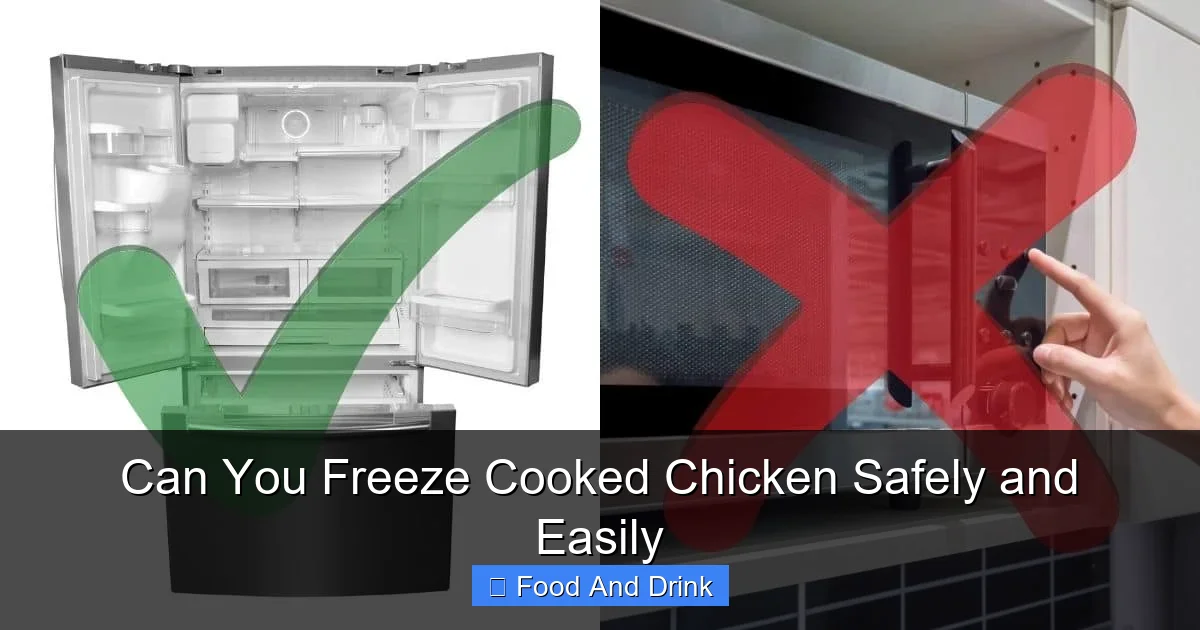
Visual guide about Can You Freeze Cooked Chicken Safely and Easily
Image source: cdn.diys.com
Now that you know how to freeze cooked chicken properly, the next question is: how long can you keep it in the freezer? The answer depends on the type of chicken and how it’s stored, but in general, cooked chicken can be frozen safely for up to 4 months.
This timeframe is based on quality, not safety. Frozen chicken won’t make you sick after 4 months—it just might start to lose flavor, texture, or moisture. Freezer burn can develop over time, especially if the packaging isn’t airtight. The chicken may become dry, tough, or develop off-flavors.
For best results, aim to use frozen cooked chicken within 2 to 3 months. During this time, it will retain most of its original taste and texture. After 4 months, it’s still safe to eat if it was frozen properly, but the quality may decline.
Factors That Affect Freezer Life
Several factors can influence how long your cooked chicken stays good in the freezer. The first is packaging. Chicken stored in airtight, vacuum-sealed bags will last longer than chicken in loosely wrapped foil or plastic wrap.
The second factor is temperature. Your freezer should be set to 0°F (-18°C) or lower. If your freezer fluctuates in temperature—say, because the door is opened frequently or the appliance is old—the quality of the chicken may degrade faster.
The third factor is the type of chicken. Plain, unseasoned chicken tends to freeze better than chicken with heavy sauces or marinades. Cream-based sauces, for example, can separate when frozen and thawed, leading to a grainy texture. Similarly, chicken with high water content—like poached or boiled chicken—may become mushy after freezing.
Signs Your Frozen Chicken Has Gone Bad
Even with proper storage, frozen chicken can eventually go bad. Here are some signs to watch for:
– **Freezer burn:** White or grayish patches on the surface. The chicken may still be safe to eat, but the texture will be dry and tough.
– **Off smells:** If the chicken smells sour, ammonia-like, or just “off” after thawing, don’t eat it.
– **Discoloration:** Chicken that’s turned gray or greenish is a red flag.
– **Slimy texture:** If the chicken feels slimy or sticky after thawing, it’s spoiled.
When in doubt, throw it out. It’s not worth the risk of foodborne illness.
Thawing and Reheating Frozen Cooked Chicken
Freezing is only half the battle—thawing and reheating are just as important. If you thaw chicken incorrectly, you can create a breeding ground for bacteria. And if you reheat it poorly, you might end up with dry, rubbery meat.
The safest way to thaw frozen cooked chicken is in the refrigerator. This slow, consistent thawing method keeps the chicken out of the danger zone and preserves its texture. Plan ahead—thawing can take 12 to 24 hours, depending on the size of the portion.
If you’re in a hurry, you can use the cold water method. Place the sealed chicken in a bowl of cold water, changing the water every 30 minutes. This speeds up thawing but requires more attention.
Never thaw chicken on the counter at room temperature. This allows the outer layers to enter the danger zone while the inside is still frozen, increasing the risk of bacterial growth.
Thawing Methods Compared
| Method | Time | Safety | Best For |
|——–|——|——–|———-|
| Refrigerator | 12–24 hours | Safest | Planning ahead |
| Cold water | 1–3 hours | Safe | Quick thawing |
| Microwave | 5–10 minutes | Safe, but can cook edges | Emergency use |
The microwave is the fastest method, but it can partially cook the edges of the chicken, leading to uneven texture. Use the “defrost” setting and check frequently.
Reheating for Best Results
Reheating frozen cooked chicken requires care to restore moisture and flavor. The goal is to heat it to an internal temperature of 165°F (74°C) without drying it out.
For whole pieces like breasts or thighs, the oven is your best bet. Preheat to 325°F (165°C), place the chicken in a baking dish, cover with foil, and heat for 20–30 minutes. Add a splash of broth or water to keep it moist.
For shredded or diced chicken, the stovetop works well. Sauté in a pan with a little oil or broth over medium heat, stirring occasionally, until heated through.
The microwave is convenient but can dry out chicken. To prevent this, place the chicken in a microwave-safe dish, cover with a damp paper towel, and heat in 30-second intervals, stirring in between.
No matter the method, always use a food thermometer to check the internal temperature. Safety first!
Best Ways to Use Frozen Cooked Chicken
Once you’ve frozen and thawed your cooked chicken, the fun begins—transforming it into delicious meals. Frozen cooked chicken is incredibly versatile and works well in a wide range of dishes.
Shredded chicken is perfect for tacos, burritos, or enchiladas. Just thaw, warm with spices, and fill your tortillas. It’s also great in soups like chicken tortilla soup or creamy chicken and rice.
Diced chicken adds protein to salads, pasta dishes, or casseroles. Try it in a Greek salad with feta and olives, or mix it into a cheesy broccoli casserole.
Whole pieces like breasts or thighs can be reheated and served with roasted vegetables or mashed potatoes for a quick dinner. You can also slice them and add to sandwiches or wraps.
And don’t forget about breakfast! Shredded chicken pairs beautifully with scrambled eggs, breakfast burritos, or hash.
Creative Recipe Ideas
– **Chicken and Dumplings:** Use shredded frozen chicken in a creamy broth with fluffy dumplings.
– **Chicken Alfredo:** Toss thawed chicken with fettuccine and homemade Alfredo sauce.
– **Chicken Salad:** Mix diced chicken with mayo, celery, and grapes for a classic sandwich filling.
– **Stir-Fry:** Sauté chicken with vegetables and soy sauce for a quick weeknight meal.
– **Chicken Pot Pie:** Combine chicken with mixed veggies and a flaky crust for comfort food at its best.
The possibilities are endless—just let your imagination (and your appetite) guide you.
Common Mistakes to Avoid
Even with the best intentions, it’s easy to make mistakes when freezing cooked chicken. Here are some common pitfalls and how to avoid them:
– **Freezing hot chicken:** This can raise the freezer’s temperature and lead to ice crystals. Always cool first.
– **Using the wrong packaging:** Regular plastic wrap or bags won’t protect against freezer burn. Use freezer-safe materials.
– **Not labeling:** Without dates, you might forget how long something’s been frozen. Label everything.
– **Thawing at room temperature:** This is a food safety no-no. Always thaw in the fridge, cold water, or microwave.
– **Reheating improperly:** Don’t just nuke it and hope for the best. Use a thermometer and add moisture.
By avoiding these mistakes, you’ll keep your chicken safe, tasty, and ready to enjoy.
Conclusion
Freezing cooked chicken is a simple, safe, and smart way to save time, reduce waste, and enjoy delicious meals anytime. With the right techniques—cooling, packaging, labeling, and reheating—you can keep your chicken tasting great for months.
Whether you’re meal prepping, saving leftovers, or stocking up on sale items, freezing gives you flexibility and peace of mind. Just remember: safety and quality go hand in hand. Follow the guidelines, trust your senses, and don’t be afraid to experiment with new recipes.
So the next time you cook a big batch of chicken, don’t let it go to waste. Freeze it with confidence, and enjoy the convenience of homemade meals whenever you need them.
Frequently Asked Questions
Can you freeze cooked chicken that’s been refrigerated?
Yes, you can freeze cooked chicken that’s been in the fridge, as long as it’s still fresh and hasn’t been stored for more than 3–4 days. Cool it before freezing.
Does freezing cooked chicken change its texture?
Freezing can slightly affect texture, especially in moist cuts like thighs. Proper packaging and reheating with added liquid can help maintain tenderness.
Can you freeze chicken that’s been marinated?
Yes, but highly acidic marinades (like vinegar or citrus) can break down the meat over time. Freeze for shorter periods (1–2 months) for best results.
What’s the best way to reheat frozen cooked chicken?
The oven or stovetop is best for even heating and moisture retention. Use a food thermometer to ensure it reaches 165°F (74°C).
Can you freeze chicken soup or stew?
Yes, chicken soup and stew freeze well. Cool completely, store in airtight containers, and leave headspace for expansion. Use within 3 months.
Is it safe to freeze chicken that’s been cooked in a slow cooker?
Yes, slow-cooked chicken freezes safely. Just make sure it’s cooled quickly and stored in proper packaging to maintain quality.