
Are you wondering if you can safely microwave your Rubbermaid containers? It’s a common question because you want to heat your food quickly without ruining your storage containers or risking your health.
You might have faced the frustration of containers warping, melting, or releasing strange odors after microwaving. What if there was a simple way to know exactly which Rubbermaid products are microwave-safe and how to use them properly? Keep reading, and you’ll learn everything you need to protect your containers and enjoy your meals without worry.
Microwaving Rubbermaid Basics
Many people wonder if Rubbermaid containers are safe to use in the microwave. Using the right container can keep your food safe and your microwave clean. It is important to understand which Rubbermaid containers work well with microwave heat.
This section explains the basics of microwaving Rubbermaid containers. Learn about the types of containers, how to find microwave-safe labels, and the materials used in these products.
Types Of Rubbermaid Containers
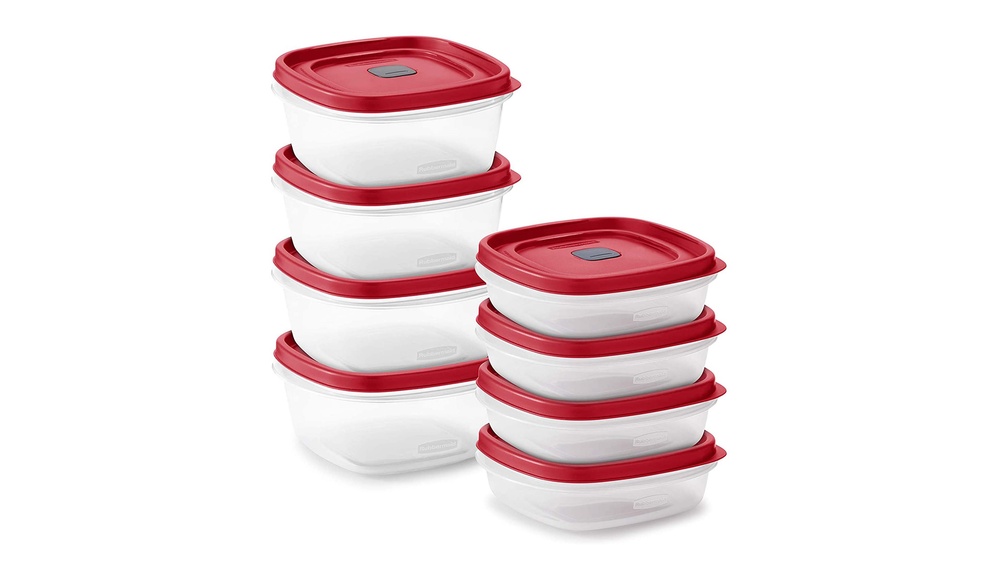
Rubbermaid offers many container types. Some are designed for storage only. Others are made for reheating food. Containers with lids can keep food fresh. Some containers come with vents for steam release during microwaving. Using the right type helps avoid damage or spills.
Microwave-safe Labels
Look for microwave-safe labels on Rubbermaid containers. This symbol means the container can handle microwave heat. It is usually found on the bottom. Containers without this label might melt or release harmful chemicals. Always check before microwaving to stay safe.
Material Composition
Rubbermaid containers are made from different plastics. Some plastics are microwave-safe, like polypropylene (PP). Others, like polystyrene (PS), are not safe for microwaving. Knowing the material helps you pick the right container. Heat-safe plastics avoid melting and keep food safe.
Credit: www.microwaveaddicts.com
Safety Concerns With Microwaving
Microwaving food in Rubbermaid containers is common. But safety concerns exist. Understanding these issues helps protect your health and your containers.
Some Rubbermaid products are microwave safe. Others are not. Knowing the risks can prevent harm to you and your food.
Potential Chemical Leaching
Heating plastic containers can release chemicals into food. This process is called leaching. Some chemicals may be harmful if ingested over time. Not all Rubbermaid containers are made to prevent this. Look for labels that say “microwave safe” to reduce risk.
Heat Resistance Limits
Rubbermaid containers have heat limits. Exceeding these can cause damage. Most containers handle moderate microwave heat. Using high power or heating too long can break these limits. Damaged containers may leak or warp.
Warping And Melting Risks
Plastic can warp or melt in the microwave. Thin or old Rubbermaid containers are more likely to change shape. Warped containers may not seal well. Melting can create harmful fumes and ruin the container.
How To Microwave Rubbermaid Safely
Microwaving food in Rubbermaid containers is common. Yet, safety matters. Follow clear steps to protect your food and container. These tips help avoid damage and keep your food safe.
Choosing The Right Container
Use only containers labeled microwave-safe. Look for the microwave symbol on the bottom. Avoid old or cracked containers. Plastic not meant for microwaving can melt or release harmful chemicals.
Removing Lids And Venting
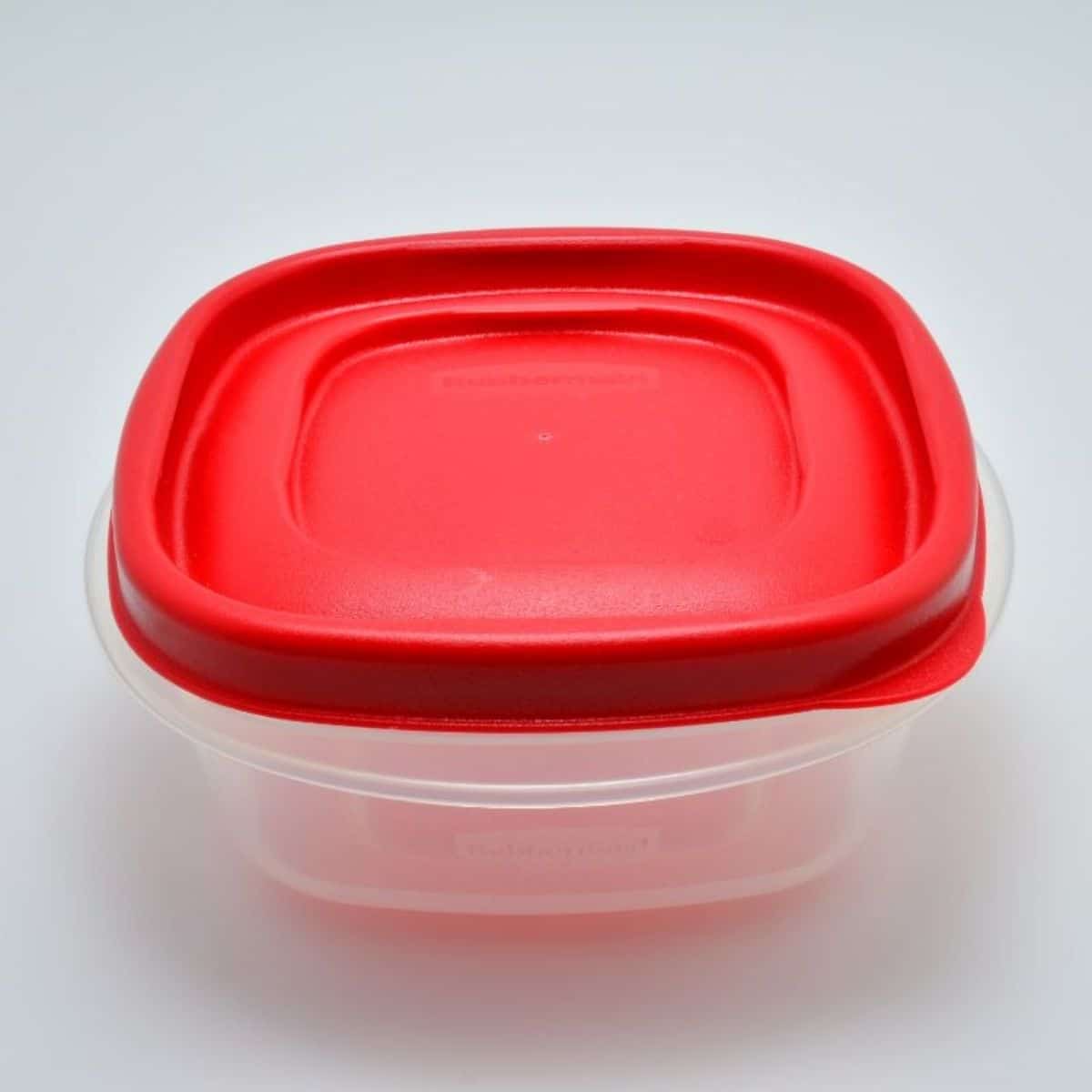
Always remove lids before microwaving. If you want to cover the container, leave the lid slightly open. This lets steam escape. Trapped steam can cause pressure and make lids pop off or containers warp.
Heating Time Guidelines
Heat food in short intervals, about 30 to 60 seconds. Stir food between heating sessions. This helps heat food evenly and avoids overheating parts. Overheating can damage containers and food quality.
Credit: canyoumicrowavethis.com
Alternatives To Rubbermaid In Microwave
Many people ask about safe containers for microwaving food. Rubbermaid has many plastic options, but not all are microwave-safe. Choosing the right container helps keep food fresh and safe. Several alternatives work well for heating food in the microwave.
Glass Containers
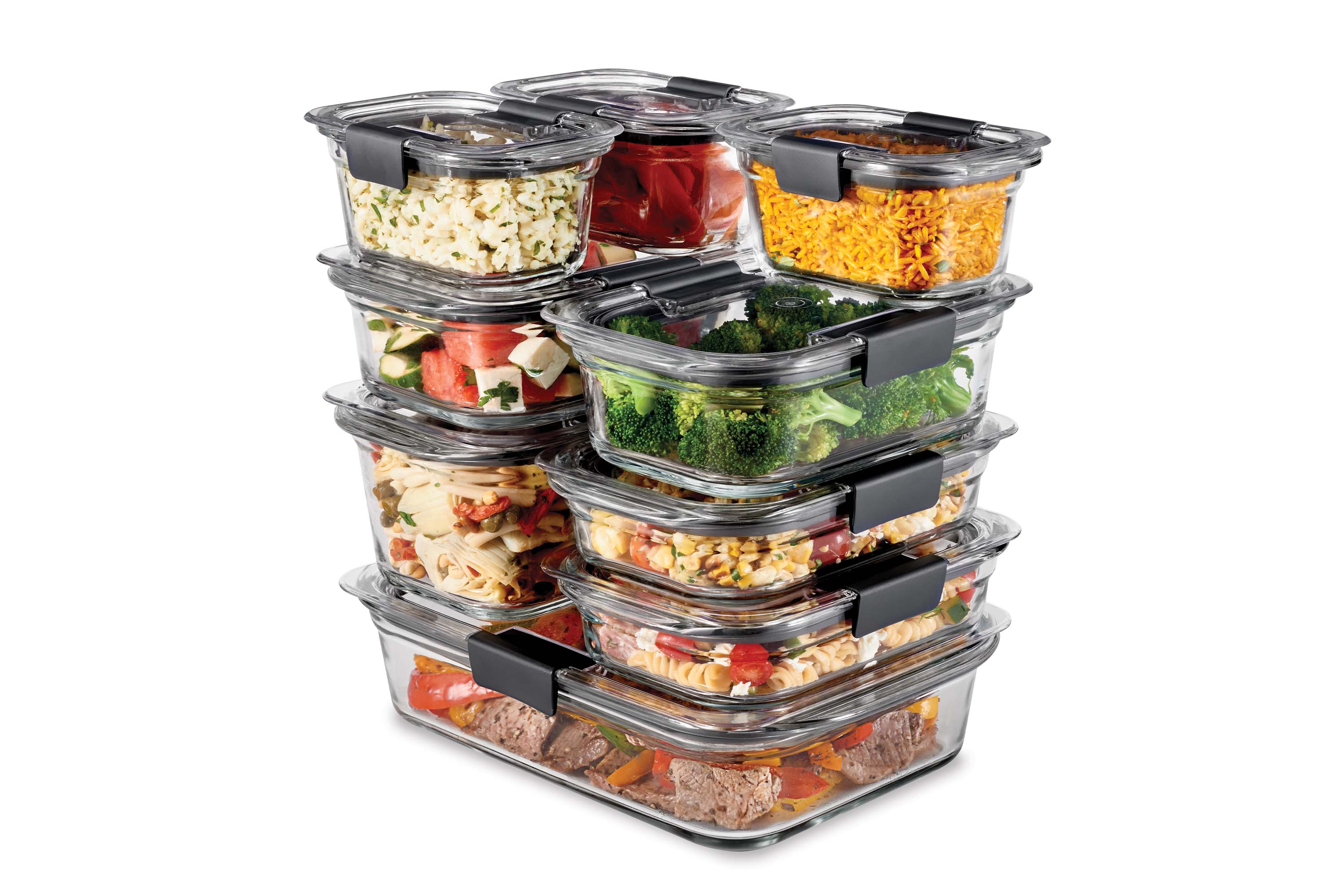
Glass containers are a top choice for microwaving. They do not absorb food smells or stains. Glass heats evenly, preventing hot spots in food. Most glass containers come with airtight lids. These containers are easy to clean and reuse.
Ceramic Options
Ceramic bowls and dishes work well in microwaves. They are sturdy and hold heat for a long time. Many ceramics come in attractive designs and colors. Avoid ceramics with metallic paint or trim. Ceramic is a natural material and safe for food heating.
Silicone Containers
Silicone is flexible and heat-resistant. These containers can go from freezer to microwave easily. Silicone does not release harmful chemicals when heated. It is lightweight and easy to store. Silicone containers come in various shapes and sizes.
Cleaning And Maintenance Tips
Cleaning and taking care of Rubbermaid containers keeps them in good shape. Proper care stops stains and smells from building up. It also helps containers last longer. Simple steps can keep your Rubbermaid safe for microwave use and daily use.
Avoiding Stains And Odors
Use light-colored foods in containers to avoid stains. Avoid storing strong-smelling foods for too long. Rinse containers quickly after use to stop smells. Baking soda can help remove stubborn odors. Let containers dry fully before closing lids to prevent smells.
Proper Washing Techniques
Wash Rubbermaid containers with warm, soapy water. Use a soft sponge to avoid scratches. Avoid harsh scrubbers that damage the plastic. Dishwasher safe containers should go on the top rack. Dry containers completely to stop moisture build-up.
Storage Recommendations
Store containers with lids off to let air flow. Stack containers inside each other to save space. Keep containers in a cool, dry place. Avoid placing heavy items on top to prevent damage. Check containers regularly for cracks or warping.
Credit: www.rubbermaid.com
Frequently Asked Questions
Can Rubbermaid Containers Go In The Microwave?
Yes, some Rubbermaid containers are microwave-safe. Check the label or bottom symbol before microwaving. Avoid containers not marked microwave-safe.
How To Tell If Rubbermaid Is Microwave Safe?
Look for a microwave-safe symbol on the container’s base. It usually looks like wavy lines. If no symbol, do not microwave.
Can Microwaving Damage Rubbermaid Containers?
Microwaving non-microwave-safe Rubbermaid containers can cause warping or melting. Always use containers designed for microwave use to avoid damage.
Is It Safe To Microwave Food In Rubbermaid?
Microwaving food in microwave-safe Rubbermaid containers is safe. Avoid microwaving with the lid sealed tightly to prevent pressure build-up.
Conclusion
Microwaving Rubbermaid containers can be safe with the right steps. Always check the label for microwave-safe symbols. Avoid using old or damaged containers in the microwave. Do not heat food for too long or at too high power. Use a microwave-safe lid or cover to prevent splatters.
Following these tips helps keep your food and container safe. Keep your kitchen routine easy and worry-free. Small precautions make a big difference in safe microwaving.