

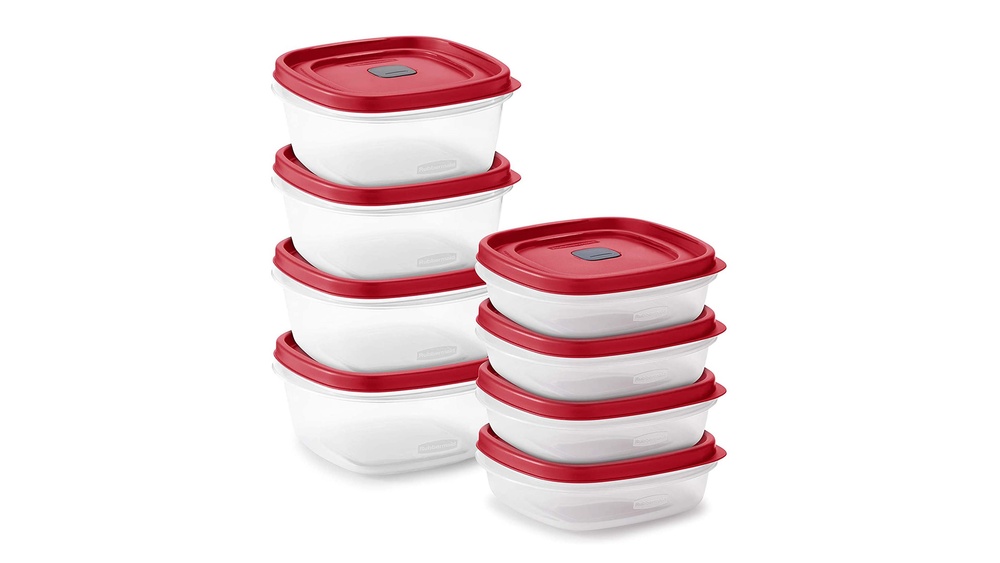

Are you wondering if your Rubbermaid containers are safe to use in the microwave? It’s a question many people ask before heating their meals.
Using the wrong container can cause harmful chemicals to leak or even damage your container. You want to keep your food safe and your kitchen mess-free. You’ll discover the truth about Rubbermaid containers and microwave use, so you can heat your food with confidence every time.
Keep reading to find out what you need to know before you press start.
Microwave Safety Basics
Understanding microwave safety is important for using containers properly. Some containers can melt or release harmful chemicals when heated. Knowing the basics helps keep food safe and avoids damage to containers.
Microwave safety depends on how microwaves heat food and which materials are safe to use. This knowledge guides the choice of containers for reheating or cooking food.
How Microwaves Work
Microwaves are a type of energy that heats food quickly. They make water molecules in the food move fast. This movement creates heat, warming the food from inside out. Metal blocks microwaves, so it does not heat. Plastic and glass let microwaves pass through and heat the food.
Materials Suitable For Microwaving
Safe materials for microwaving include glass, ceramic, and some plastics. These do not melt or release harmful chemicals. Containers must say “microwave safe” to be used safely. Avoid metal and some plastic containers that are not made for microwaves. Using the right material prevents accidents and keeps food fresh.

Credit: www.amazon.com
Rubbermaid Container Materials
Rubbermaid containers come in different materials. These materials affect how safe they are for microwave use. Understanding what each container is made of helps you use them correctly. It also helps protect your food and the container itself.
Some materials handle heat better than others. Knowing the types of plastics Rubbermaid uses will guide you in choosing the right container for microwaving. It also helps avoid damage or health risks.
Types Of Plastics Used
Rubbermaid containers mostly use polypropylene (PP) and polyethylene terephthalate (PET). Polypropylene is common because it resists heat well. It can handle microwave heat without melting or warping. PET is clear and lightweight but less heat resistant. It is often used for single-use containers.
Some Rubbermaid containers also contain polyethylene (PE) or acrylonitrile butadiene styrene (ABS). PE is flexible but has a lower heat tolerance. ABS is strong but less common for food containers. Each plastic type has a different reaction to microwave heat.
Impact Of Material On Microwave Use
Containers made with polypropylene are usually microwave safe. They can withstand high temperatures without releasing harmful chemicals. PET containers are not recommended for microwave use due to their lower heat resistance.
Containers with polyethylene may melt or deform in the microwave. ABS plastic can crack or warp under heat. Always check the container’s label or bottom for microwave-safe symbols. This ensures safe heating without damaging the container or food.
Identifying Microwave-safe Rubbermaid Containers
Knowing which Rubbermaid containers are safe for microwave use helps protect your food and containers. Not all Rubbermaid products can handle microwave heat. Identifying the right containers is key to safe heating.
Check the container carefully before using it in the microwave. This simple step saves time and avoids damage or health risks.
Microwave-safe Labels And Symbols
Look for a microwave-safe label on the container or lid. This label shows the container can handle microwave heat without melting or warping. Common symbols include a microwave icon or wavy lines. These marks mean the product passed safety tests for microwave use. Avoid containers without these labels, as they may release harmful chemicals or get damaged.
When To Avoid Using Rubbermaid Containers
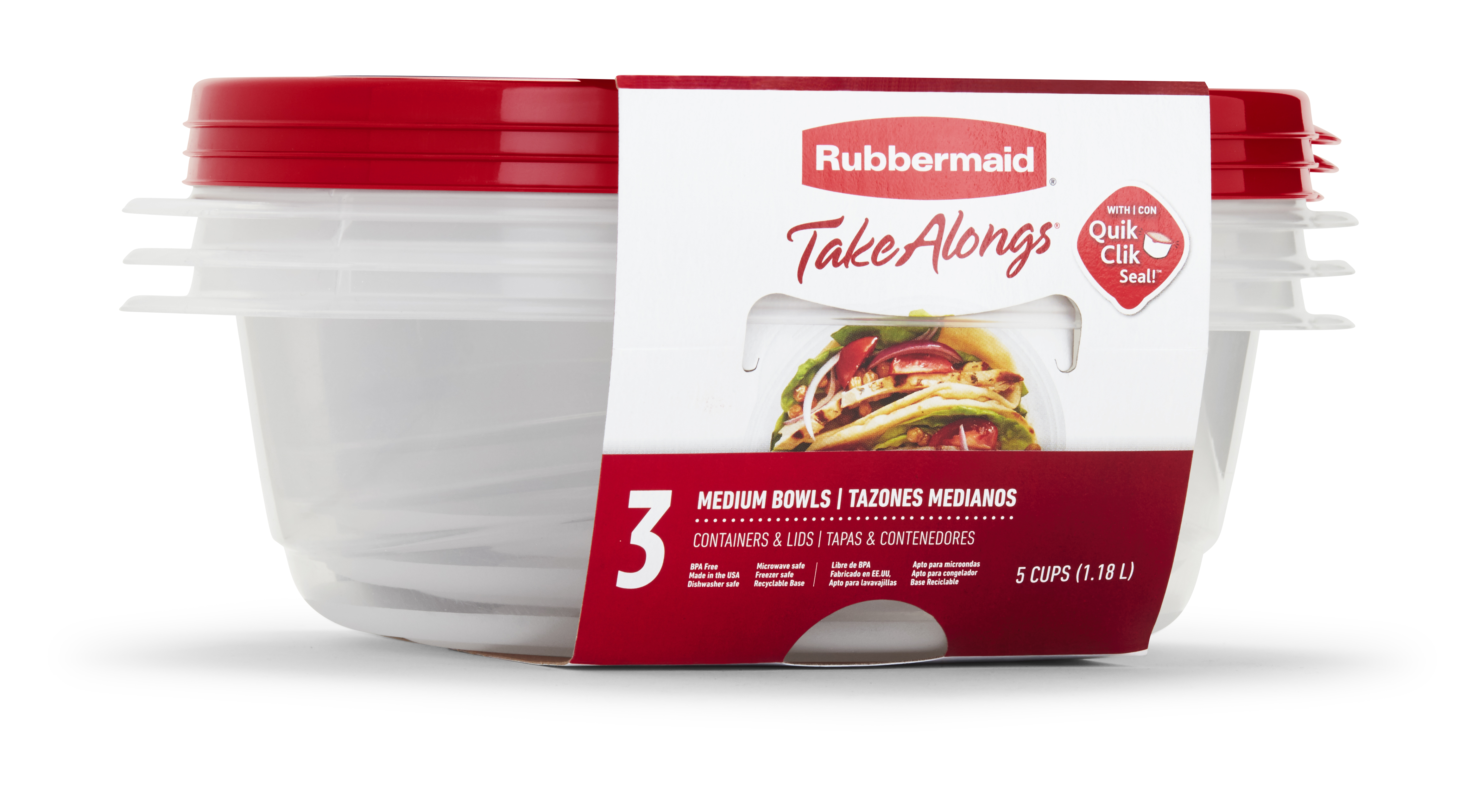
Do not use Rubbermaid containers that are cracked or old in the microwave. Damage weakens the plastic and can cause leaks or melting. Avoid containers with metal parts or metallic paint. Also, do not microwave containers not marked microwave-safe. Heating food in unsafe containers can cause harmful chemicals to enter your food. Use glass or ceramic containers instead if unsure.
Credit: www.rubbermaid.com
Risks Of Microwaving Non-safe Containers
Using containers not safe for microwaves can cause serious problems. These containers may release harmful chemicals into food or get damaged. This risks your health and the quality of your meal. Understanding these risks helps you choose the right containers for heating food safely.
Chemical Leaching Concerns
Some plastics contain chemicals that can leak into food when heated. These chemicals can cause health issues over time. Containers not marked microwave-safe may release BPA or phthalates. Such chemicals can affect hormones and cause illnesses. Always choose containers labeled microwave-safe to avoid this risk.
Container Damage And Food Safety
Microwaving non-safe containers can cause them to warp or melt. Damaged containers may leak or break, creating a mess and risk. Heat can also cause cracks where bacteria grow, leading to food poisoning. Using proper containers keeps food safe and maintains container durability.
Best Practices For Using Rubbermaid In Microwaves
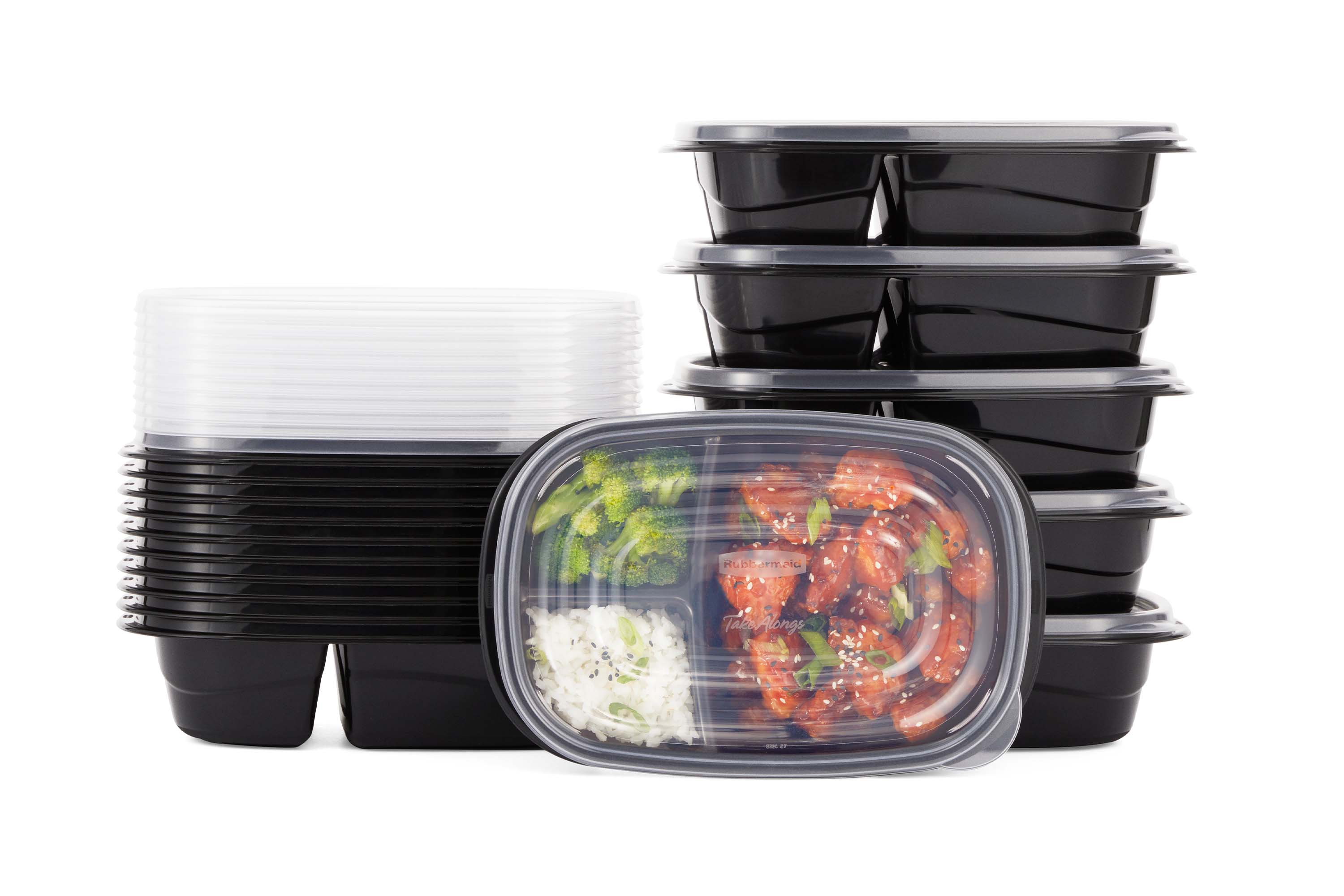
Using Rubbermaid containers in the microwave can be safe if done properly. Following best practices helps avoid damage to the container and ensures food heats evenly. These tips keep your food safe and your containers in good condition.
Proper Ventilation And Covering
Always leave the lid slightly open or use a vented cover. This lets steam escape and prevents pressure build-up. Do not seal the container tightly. It can cause the lid to pop off or the container to warp.
Use microwave-safe covers made for steaming. These covers help keep moisture in without trapping too much steam. Avoid using plastic wrap that touches food directly.
Avoiding High Heat And Long Duration
Heat food in short bursts and at medium power. High heat can melt or warp Rubbermaid containers. It may also cause chemicals to leach into food.
Stir food between heating cycles to spread heat evenly. Avoid microwaving for more than a few minutes at a time. This practice protects both the container and your meal.
Credit: www.rubbermaid.com
Alternative Microwave Containers
Choosing the right container for microwaving food is important for safety and convenience. Not all containers handle heat well. Some plastics may melt or release harmful chemicals. Alternative microwave containers offer safe and durable options.
Glass And Ceramic Options
Glass and ceramic containers are popular for microwave use. They heat evenly and do not release harmful substances. Most glass containers are microwave safe but check for any metal parts. Ceramic dishes also work well if they have no metallic paint or trim. These materials keep food warm longer and are easy to clean.
Silicone Containers
Silicone containers are flexible and safe for microwaves. They resist heat and do not melt or warp. Silicone is lightweight and easy to store. It also does not absorb food odors or stains. These containers are good for reheating leftovers or cooking small portions.
Frequently Asked Questions
Are Rubbermaid Containers Safe For Microwave Use?
Yes, most Rubbermaid containers labeled microwave-safe are designed to withstand microwave heat. Always check the bottom label to confirm.
Can Rubbermaid Lids Go In The Microwave?
Rubbermaid lids are usually not microwave-safe. It’s best to remove lids before microwaving to avoid warping or melting.
How To Identify Microwave-safe Rubbermaid Containers?
Look for the microwave-safe symbol on the container’s base. This ensures the container can handle microwave temperatures safely.
Will Microwaving Damage Rubbermaid Containers?
Microwaving approved Rubbermaid containers won’t damage them if used correctly. Avoid overheating and removing lids during heating for best results.
Conclusion
Rubbermaid containers can be safe for microwave use if labeled microwave-safe. Always check the bottom for the microwave-safe symbol before heating food. Avoid using containers with cracks or damage in the microwave. Do not microwave plastic containers for too long or at high power.
Use glass or ceramic containers for better microwave safety when unsure. Following these tips helps keep your food safe and containers lasting longer. Stay cautious and enjoy convenient reheating with the right containers. Safety matters most in every kitchen.


