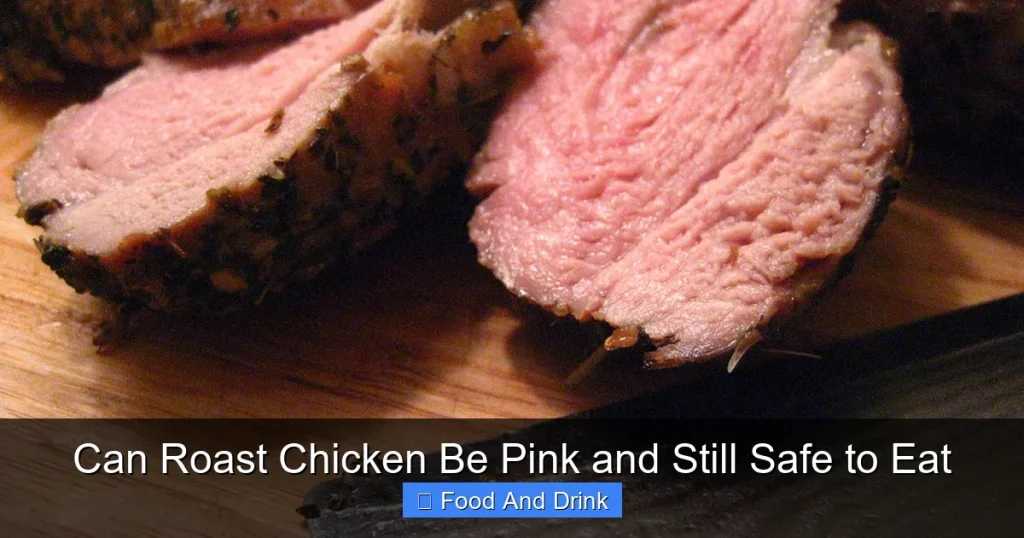

Yes, roast chicken can sometimes appear pink even when fully cooked and safe to eat. This surprising fact often causes confusion among home cooks, but understanding the science behind meat color and proper cooking techniques ensures both safety and delicious results.
Key Takeaways
- Pink chicken isn’t always undercooked: Factors like age, diet, and cooking method can cause pink hues even in safely cooked meat.
- Use a meat thermometer: The only reliable way to check doneness is by measuring internal temperature—165°F (74°C) at the thickest part.
- Dark meat stays pink longer: Thighs and drumsticks may retain a pinkish tint due to higher myoglobin levels.
- Brining and smoking affect color: These techniques can create a pink “smoke ring” that’s harmless and common.
- Resting time matters: Letting chicken rest after roasting helps redistribute juices and can slightly change color perception.
- When to worry: If chicken is slimy, smells off, or has an internal temp below 165°F, it’s unsafe regardless of color.
- Safe handling prevents illness: Always wash hands, use separate cutting boards, and avoid cross-contamination.
Quick Answers to Common Questions
Can roast chicken be pink and still safe to eat?
Yes, roast chicken can appear pink even when fully cooked and safe to eat. Factors like myoglobin, brining, and bone proximity can cause pink hues without indicating undercooking.
What temperature should roast chicken reach?
Roast chicken is safe to eat when it reaches an internal temperature of 165°F (74°C) at the thickest part, such as the thigh.
Why is my chicken pink near the bone?
Pinkness near the bone is common and often due to slower heat conduction and marrow seepage. It’s usually harmless if the internal temperature is safe.
Does brining make chicken pink?
Yes, brining can cause a pink tint due to salt interacting with myoglobin. This is normal and not a sign of undercooking.
Should I worry if my chicken smells fine but looks pink?
Not necessarily. If the chicken smells fine, has no slimy texture, and reaches 165°F internally, the pink color is likely harmless.
📑 Table of Contents
Introduction: The Great Pink Chicken Debate
You’ve just pulled a beautifully golden-brown roast chicken from the oven. The skin is crisp, the aroma is heavenly, and you can’t wait to carve it up and serve your family. But as you slice into the thigh or drumstick, you notice something unsettling—pink meat. Your first thought? “Is this chicken undercooked? Is it safe to eat?”
This is one of the most common dilemmas home cooks face. For decades, we’ve been taught that chicken must be white throughout to be safe. But the truth is more nuanced. Yes, roast chicken can be pink and still perfectly safe to eat. In fact, relying solely on color to judge doneness can lead to overcooked, dry chicken—or worse, mistakenly discarding a perfectly cooked bird.
Understanding why chicken turns pink—and when that pink is harmless—can transform your confidence in the kitchen. It’s not just about avoiding foodborne illness; it’s about mastering the art of roasting chicken so it’s juicy, flavorful, and safe every single time.
The Science Behind Pink Chicken
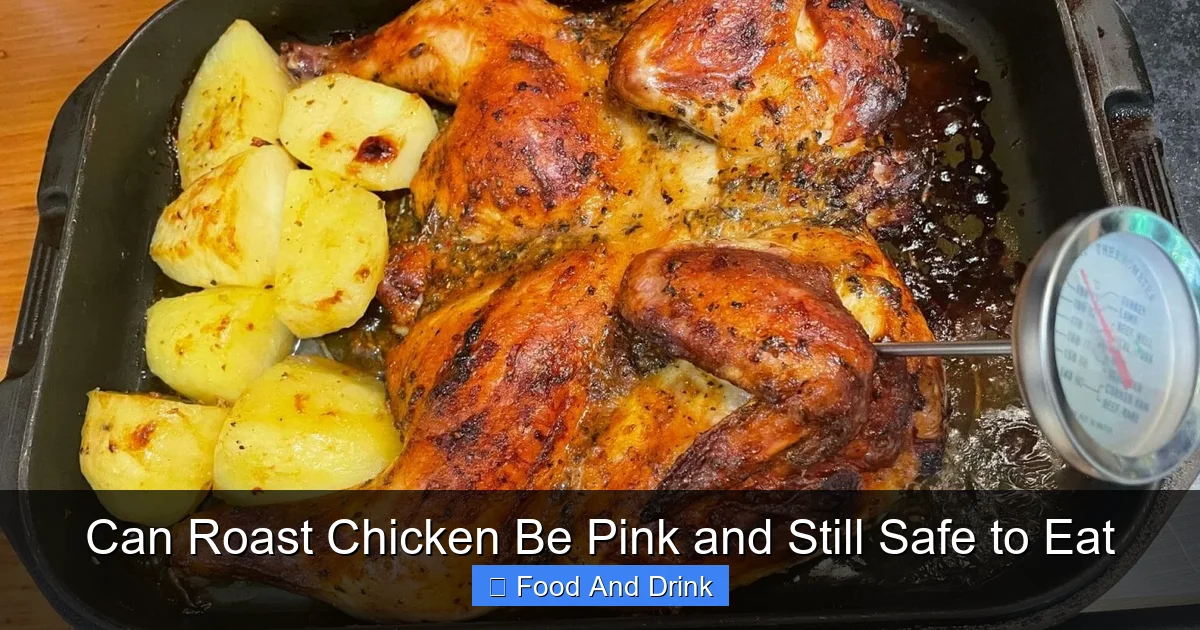
Visual guide about Can Roast Chicken Be Pink and Still Safe to Eat
Image source: simplymeatsmoking.com
To understand why roast chicken can be pink, we need to dive into a bit of food science. At the heart of the issue is a protein called myoglobin. This iron-rich compound is responsible for carrying oxygen in muscle tissue and gives meat its red or pink color. In poultry, myoglobin levels are higher in dark meat (like thighs and drumsticks) than in white meat (like breasts), which is why dark meat naturally appears more pink or reddish.
When chicken is cooked, myoglobin undergoes chemical changes. As the temperature rises, the protein denatures and changes color—typically from red to brown or gray. However, this transformation isn’t always complete or uniform. Several factors can interfere with this process, leaving traces of pink even when the chicken has reached a safe internal temperature.
One key factor is the age of the bird. Younger chickens have less developed muscles and lower myoglobin levels, but their meat can still appear pink due to rapid cooking or exposure to certain gases. Another factor is diet. Chickens fed a diet high in certain grains or supplements may have different muscle chemistry, affecting how their meat reacts to heat.
Additionally, cooking method and environment play a role. Roasting at high heat can cause the surface to brown quickly while the interior retains moisture and color. In some cases, especially with free-range or organic chickens, the meat may naturally have a pinker hue due to higher activity levels and muscle development.
Why Color Isn’t a Reliable Indicator
Many people assume that pink equals raw, but that’s a dangerous oversimplification. Color is influenced by so many variables—temperature, pH, oxygen exposure, and even the type of pan used—that it simply can’t be trusted as a standalone measure of doneness.
For example, chicken cooked in a gas oven may appear pinker due to the presence of nitrogen dioxide, a byproduct of combustion that can react with myoglobin. Similarly, brining—a popular technique for keeping chicken moist—can cause the meat to retain a pink tint, especially near the bone. This is perfectly normal and doesn’t indicate undercooking.
In fact, relying on color alone can lead to overcooking. When chicken is cooked beyond the safe temperature, it loses moisture, becomes dry, and tough. This not only affects taste and texture but also wastes food and money. The goal should be to cook chicken to the right temperature—not to a specific color.
How to Safely Roast Chicken: Temperature Is Everything
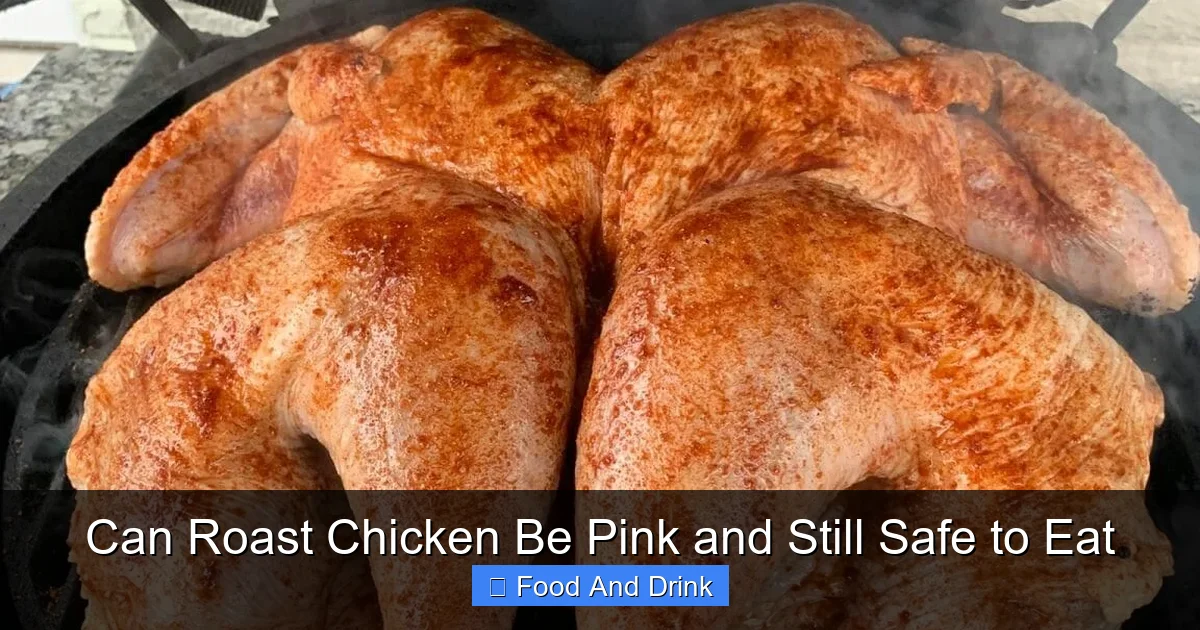
Visual guide about Can Roast Chicken Be Pink and Still Safe to Eat
Image source: simplymeatsmoking.com
If color isn’t reliable, what is? The answer is simple: internal temperature. The U.S. Department of Agriculture (USDA) and food safety experts worldwide agree that poultry is safe to eat when it reaches an internal temperature of 165°F (74°C). This temperature is sufficient to kill harmful bacteria like Salmonella and Campylobacter, which are the primary concerns with undercooked chicken.
Using a digital meat thermometer is the most accurate way to check doneness. Insert the probe into the thickest part of the meat—usually the thigh, avoiding the bone—and wait for the reading to stabilize. If it reads 165°F or higher, the chicken is safe to eat, even if it still looks pink.
It’s important to note that different parts of the chicken cook at different rates. The breast, being leaner, can dry out quickly if overcooked, while the thighs and drumsticks benefit from longer cooking times to become tender. This is why many chefs recommend roasting chicken at a lower temperature (around 325°F to 350°F)** for longer, or using a two-stage method: starting high to crisp the skin, then reducing the heat to finish cooking gently.
Tips for Accurate Temperature Readings
– Calibrate your thermometer: Use the ice water test (should read 32°F) or boiling water test (should read 212°F at sea level) to ensure accuracy.
– Check multiple spots: Test the breast, thigh, and drumstick to ensure even cooking.
– Avoid the bone: Bones conduct heat differently and can give false readings. Insert the thermometer into the meat, not touching the bone.
– Use an instant-read thermometer: These provide quick, accurate readings and are ideal for checking doneness without opening the oven repeatedly.
Resting: The Final Step for Juicy Chicken
After roasting, let the chicken rest for at least 10 to 15 minutes before carving. This allows the juices to redistribute throughout the meat, resulting in a moister, more flavorful bite. During this time, the internal temperature may rise by 5 to 10 degrees due to carryover cooking—another reason to remove the chicken from the oven when it’s just shy of 165°F.
Resting also gives the meat a chance to relax, which can slightly alter its appearance. You might notice the pink tint becomes less pronounced as the meat cools and firms up. This is normal and doesn’t affect safety.
Common Causes of Pink Roast Chicken
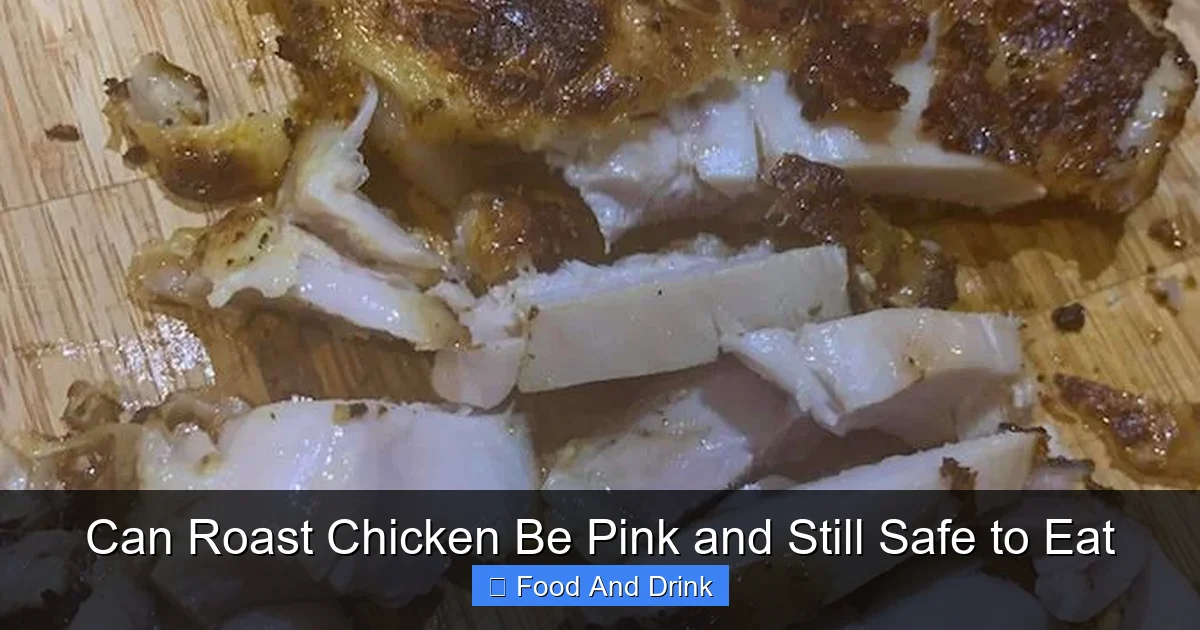
Visual guide about Can Roast Chicken Be Pink and Still Safe to Eat
Image source: simplymeatsmoking.com
Now that we know temperature is key, let’s explore the most common reasons why roast chicken can be pink—even when it’s fully cooked.
1. Brining and Marinades
Brining—soaking chicken in a saltwater solution—is a popular technique for adding moisture and flavor. However, the salt in the brine can interact with myoglobin, causing the meat to retain a pink hue, especially near the surface or bone. This is known as “brine-induced pinkness” and is completely harmless.
Similarly, marinades containing acidic ingredients like vinegar, lemon juice, or wine can alter the meat’s pH, affecting how myoglobin reacts to heat. This can result in a pink or reddish tint, particularly in the breast meat.
2. Smoking and the “Smoke Ring”
If you’ve ever smoked meat, you may have noticed a pink ring just beneath the surface. This is called the smoke ring, and it’s a chemical reaction between nitric oxide from the smoke and myoglobin in the meat. While more common in beef and pork, it can also occur in smoked or roasted chicken, especially if wood chips or a smoker is used.
The smoke ring is purely cosmetic and doesn’t indicate undercooking. In fact, it’s often seen as a sign of expert smoking technique.
3. Bone Proximity
Pinkness near the bone is another common occurrence. Bones conduct heat more slowly than meat, so the area around them may not reach the same temperature as the rest of the meat. Additionally, the bone itself can retain moisture and affect the local environment, slowing the denaturation of myoglobin.
This is especially true in younger chickens, whose bones are still porous and contain more marrow. As the marrow heats up, it can seep into the surrounding meat, creating a pink or reddish tint. Again, this is normal and not a sign of undercooking.
4. Cooking Method and Oven Type
The way you cook your chicken—and the type of oven you use—can influence its final color. Gas ovens, for example, produce small amounts of nitrogen dioxide, which can react with myoglobin and cause pinkness. Electric ovens, on the other hand, tend to produce less of this gas, resulting in less pink.
Roasting at high heat can also cause the exterior to brown quickly while the interior remains moist and slightly pink. This is why many chefs recommend starting with a high-temperature roast (425°F to 450°F) to crisp the skin, then reducing the heat to 325°F to finish cooking gently.
5. Chicken Age and Breed
The age and breed of the chicken play a significant role in meat color. Younger chickens, especially those labeled “broilers” or “fryers,” have less developed muscles and may appear pinker even when fully cooked. Heritage breeds, which are often free-range and more active, can also have darker, pinker meat due to higher myoglobin levels.
Organic and pasture-raised chickens, which have access to natural diets and exercise, may also exhibit more variation in meat color. This doesn’t mean they’re undercooked—it simply reflects their natural physiology.
When Pink Chicken Is a Problem
While pink chicken is often safe, there are situations where it’s a red flag. Knowing when to be concerned can prevent foodborne illness.
Signs of Undercooked Chicken
– Internal temperature below 165°F: This is the most critical indicator. No matter how the chicken looks, if the thermometer reads below 165°F, it’s not safe to eat.
– Jiggly or translucent meat: If the meat looks raw, slimy, or has a gelatinous texture, it’s likely undercooked.
– Strong or unpleasant odor: Fresh chicken should have a mild, almost neutral smell. A sour, ammonia-like, or rotten odor indicates spoilage.
– Bloody juices: While some pink juices are normal, excessive red or bloody liquid is a sign the chicken hasn’t been cooked thoroughly.
When to Discard the Chicken
If you’re unsure whether the chicken is safe, it’s better to err on the side of caution. Discard the chicken if:
– It smells off or spoiled.
– The texture is slimy or sticky.
– The internal temperature is below 165°F after extended cooking.
– You suspect cross-contamination with raw poultry juices.
Remember, foodborne illnesses like Salmonella and Campylobacter can cause serious symptoms, including nausea, vomiting, diarrhea, and fever. When in doubt, throw it out.
Best Practices for Safe and Delicious Roast Chicken
Now that we’ve covered the science and safety, let’s talk about how to roast chicken that’s both safe and delicious—every time.
1. Start with Fresh, High-Quality Chicken
Choose chicken that’s fresh, properly stored, and from a reputable source. Look for plump, firm meat with a mild smell. Avoid chicken that’s slimy, discolored, or has an off odor.
2. Practice Safe Handling
– Wash your hands: Before and after handling raw chicken.
– Use separate cutting boards: Designate one for raw meat and another for vegetables or ready-to-eat foods.
– Clean surfaces and utensils: Sanitize anything that comes into contact with raw chicken to prevent cross-contamination.
3. Season and Prepare Properly
– Pat the chicken dry: Moisture on the skin prevents crisping. Use paper towels to dry the bird thoroughly before seasoning.
– Season generously: Salt, pepper, herbs, and spices enhance flavor. Consider dry-brining (salting the chicken and letting it rest in the fridge) for deeper seasoning and moisture retention.
– Truss the chicken: Tying the legs together helps it cook evenly and retain its shape.
4. Roast at the Right Temperature
– Preheat the oven: Ensure the oven is fully heated before placing the chicken inside.
– Use a roasting pan with a rack: This allows hot air to circulate and prevents the chicken from sitting in its juices.
– Roast breast-side up: This helps the breast cook evenly and stay moist.
– Baste occasionally: Use pan juices or melted butter to keep the skin moist and flavorful.
5. Check Temperature and Rest
– Insert the thermometer correctly: Aim for the thickest part of the thigh, avoiding the bone.
– Remove at 160°F to 165°F: The temperature will rise during resting.
– Let it rest: Cover loosely with foil and let the chicken rest for 10 to 15 minutes before carving.
Conclusion: Embrace the Pink—With Confidence
So, can roast chicken be pink and still safe to eat? Absolutely. The presence of pink meat doesn’t automatically mean your chicken is undercooked or unsafe. Thanks to advances in food science and a better understanding of meat chemistry, we now know that color is a poor indicator of doneness.
What matters most is internal temperature. By using a reliable meat thermometer and following safe cooking practices, you can enjoy perfectly roasted chicken that’s juicy, flavorful, and safe—even if it has a hint of pink.
Don’t let fear of pink meat ruin your roast chicken experience. Instead, embrace the science, trust your thermometer, and cook with confidence. Your taste buds—and your family—will thank you.
Frequently Asked Questions
Is pink chicken always undercooked?
No, pink chicken is not always undercooked. Factors like brining, smoking, and bone proximity can cause pink hues even in safely cooked meat.
How do I know if my roast chicken is safe to eat?
The safest way is to use a meat thermometer. Insert it into the thickest part of the thigh—avoiding the bone—and ensure it reads at least 165°F (74°C).
Can I eat chicken that’s pink in the middle?
Yes, as long as the internal temperature is 165°F or higher. Pink color alone doesn’t mean the chicken is unsafe.
Why does my chicken turn pink when I brine it?
Brining introduces salt, which can react with myoglobin in the meat, causing a pink tint. This is a normal chemical reaction and not a food safety issue.
Should I throw away pink chicken?
Only if it smells bad, feels slimy, or hasn’t reached 165°F internally. Otherwise, pink chicken is often safe and delicious.
Does cooking method affect chicken color?
Yes, methods like smoking, brining, and roasting at high heat can influence color. Gas ovens may also cause pinkness due to nitrogen dioxide exposure.