

Roasting a chicken in the oven doesn’t have to be complicated—but doing it right makes all the difference. With the right technique, you can achieve crispy skin, juicy meat, and rich flavor without hours of effort. This guide reveals the best way to roast chicken in oven for consistently delicious results.
There’s something deeply satisfying about pulling a golden-brown, perfectly roasted chicken from the oven. The aroma fills the kitchen, the skin crackles under your fork, and the meat falls off the bone—juicy, flavorful, and utterly comforting. Whether you’re cooking for a weeknight dinner or hosting a holiday feast, mastering the best way to roast chicken in oven is a skill every home cook should have in their back pocket.
But here’s the truth: not all roasted chickens are created equal. Some turn out dry and bland, with rubbery skin and under-seasoned meat. Others look gorgeous on the outside but are undercooked in the thickest part. The good news? With a few simple techniques, you can avoid these pitfalls and consistently produce restaurant-quality results at home. It’s not about fancy equipment or complex recipes—it’s about understanding the fundamentals of heat, timing, and preparation.
In this guide, we’ll walk you through every step of the process, from selecting the right bird to carving it like a pro. You’ll learn why dry brining is a game-changer, how to achieve that coveted crispy skin, and why resting your chicken matters more than you think. Whether you’re a beginner or a seasoned cook looking to refine your method, these tips will help you roast a chicken that’s not just good—but truly exceptional.
Key Takeaways
- Start with a dry bird: Patting the chicken dry before seasoning ensures crispy skin and better browning.
- Season generously and in advance: Salting the chicken 12–24 hours ahead (dry brining) enhances moisture and flavor.
- Use high heat (425°F–450°F): Starting hot crisps the skin; lowering the heat halfway cooks the meat gently.
- Truss the legs (optional but helpful): Tying the legs together promotes even cooking and a neater presentation.
- Roast breast-side up on a rack: Elevating the chicken allows hot air to circulate, preventing soggy skin.
- Check internal temperature: Use a meat thermometer—165°F in the thigh (not touching bone) means it’s safely done.
- Rest before carving: Letting the chicken rest 10–15 minutes redistributes juices for maximum tenderness.
Quick Answers to Common Questions
How long does it take to roast a 5-pound chicken?
A 5-pound chicken typically takes about 1 hour and 15 minutes to 1 hour and 30 minutes when roasted at 425°F initially, then reduced to 375°F. Always check the internal temperature to be sure.
Can I roast a chicken without a rack?
Yes, but using a rack helps crisp the skin and allows even heat circulation. If you don’t have one, place chopped vegetables in the pan to elevate the chicken slightly.
Should I cover the chicken while roasting?
No, covering the chicken will trap steam and prevent the skin from crisping. Only use foil to tent the breast if it’s browning too quickly.
Can I use a roasting bag?
Yes, but it will result in softer skin. For crispy skin, it’s better to roast the chicken uncovered on a rack.
How do I know if the chicken is done without a thermometer?
While a thermometer is best, you can check by wiggling the leg—if it moves freely and the juices run clear, it’s likely done. But for safety and accuracy, a thermometer is recommended.
📑 Table of Contents
Why Roasting Chicken in the Oven Works So Well
Roasting chicken in the oven is one of the most reliable and forgiving cooking methods out there. Unlike frying or grilling, which require constant attention and precise timing, oven roasting allows for hands-off cooking once the bird is in. The dry, consistent heat surrounds the chicken evenly, gently rendering fat, browning the skin, and cooking the meat from all sides.
But what makes oven roasting truly special is its ability to transform simple ingredients into something extraordinary. A whole chicken, when roasted properly, becomes a centerpiece dish that’s both impressive and approachable. The skin crisps up into a golden, shatteringly delicious crust, while the meat stays moist and tender thanks to the natural juices trapped inside.
One of the biggest advantages of roasting is that it’s scalable. Whether you’re cooking a 3-pound broiler or a 6-pound heritage bird, the same principles apply. You can also customize the flavor with herbs, spices, citrus, or aromatics stuffed into the cavity. And because the oven does most of the work, you’re free to prepare side dishes or set the table while your chicken roasts to perfection.
The Science Behind Juicy, Crispy Results
So why do some roasted chickens turn out dry while others are succulent? It all comes down to moisture retention and heat management. Chicken meat, especially the breast, is lean and can easily dry out if overcooked. The key is to cook it just enough—no more, no less.
When you roast a chicken, the outer layers of meat begin to cook first. As heat penetrates inward, the proteins in the muscle fibers contract and squeeze out moisture. If the chicken is cooked too long or at too high a temperature, this moisture loss becomes excessive, resulting in dry, stringy meat.
On the flip side, the skin needs high heat to crisp up. Fat under the skin renders out, and the surface dehydrates, creating that desirable crunch. But if the chicken is roasted at too low a temperature, the skin stays soft and greasy.
The best way to roast chicken in oven balances these two needs: high initial heat to crisp the skin, followed by moderate heat to cook the meat gently. This two-stage approach ensures both crispy skin and juicy meat—without compromising either.
Choosing the Right Chicken
Visual guide about Best Way to Roast Chicken in Oven for Juicy Results
Image source: i.pinimg.com
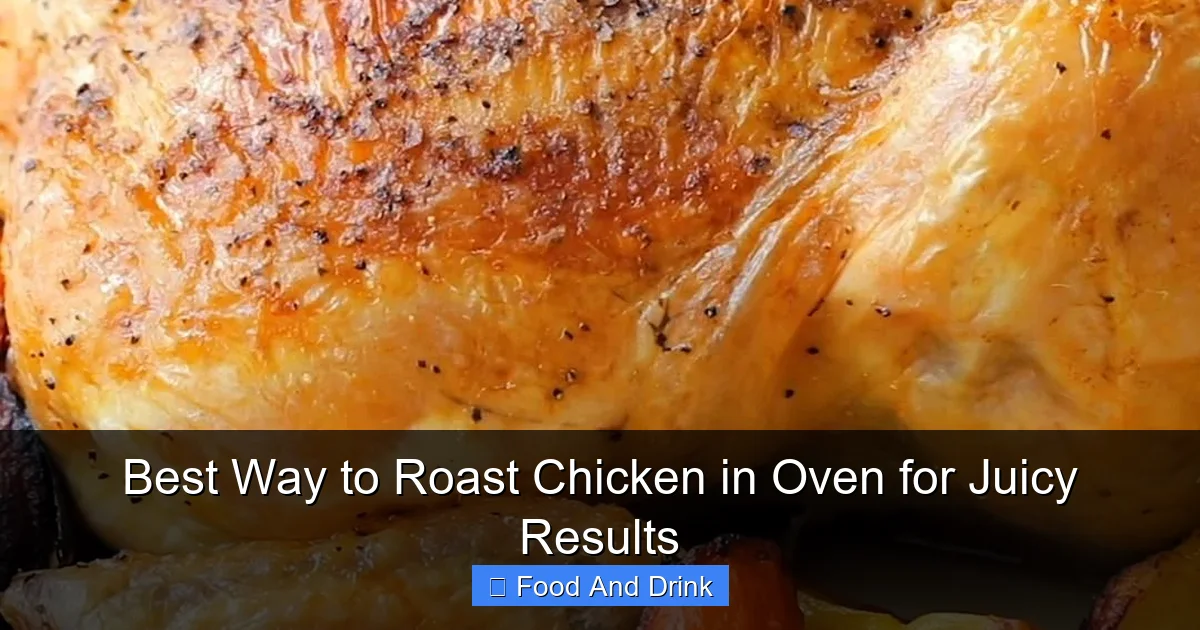
Not all chickens are created equal, and the quality of your bird can make a big difference in the final result. While you can roast just about any whole chicken, some types are better suited for roasting than others.
Broiler vs. Roaster: What’s the Difference?
You might see labels like “broiler” or “roaster” at the grocery store, and it’s helpful to know what they mean. A broiler is typically a young chicken, around 6–8 weeks old, weighing 3–4 pounds. These birds are tender and cook quickly, making them ideal for grilling or roasting. A roaster is slightly older and larger, usually 8–12 weeks old and weighing 5–7 pounds. Roasters have more flavor and a bit more fat, which can help keep the meat moist during longer cooking times.
For most home cooks, a 4–5 pound roaster is the sweet spot. It’s large enough to feed a family but small enough to cook evenly without drying out. If you’re cooking for two, a smaller broiler works well, but keep an eye on the cooking time—smaller birds cook faster.
Organic, Free-Range, or Conventional?
You’ll also find options like organic, free-range, and conventionally raised chickens. While personal preference and budget play a role, there are some differences to consider.
Free-range chickens have access to the outdoors, which can result in more flavorful meat due to a varied diet and natural movement. Organic chickens are raised without antibiotics or synthetic pesticides, and their feed is non-GMO. These birds often have a richer taste and firmer texture, which can enhance the roasting experience.
That said, even a conventional chicken can roast beautifully with the right technique. The key is starting with a fresh, high-quality bird—whether it’s organic or not. Look for plump, firm flesh and avoid chickens with a strong odor or slimy texture.
Should You Buy Whole or Spatchcocked?
Another decision is whether to roast the chicken whole or spatchcocked (butterflied). Spatchcocking involves removing the backbone and flattening the bird, which allows it to cook more evenly and quickly. This method is great if you want crispy skin on both sides and don’t mind a bit of prep work.
However, for the best way to roast chicken in oven with traditional presentation and juiciness, roasting it whole is often preferred. It’s simpler, requires less handling, and allows the juices to pool in the cavity, basting the meat from within.
Preparation: The Secret to Success
Visual guide about Best Way to Roast Chicken in Oven for Juicy Results
Image source: thetoastykitchen.com
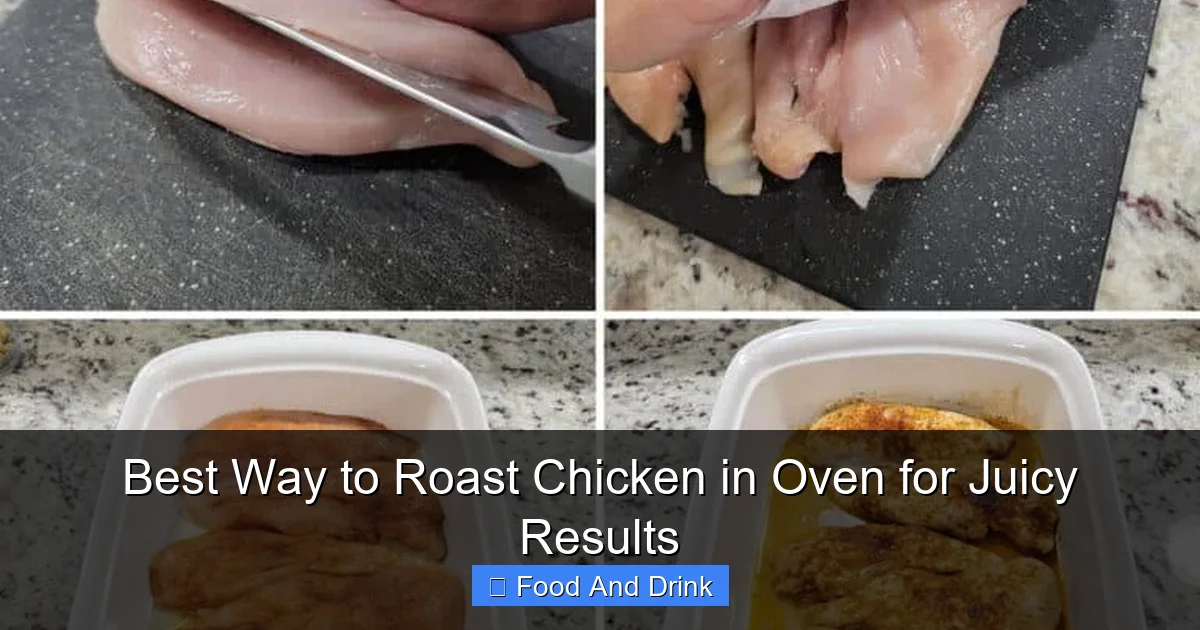
Great roasting starts long before the chicken goes into the oven. Proper preparation is what separates a good roast from a great one. Here’s how to set yourself up for success.
Dry Brining: The Game-Changer
One of the most effective techniques for juicy, flavorful chicken is dry brining. This involves salting the chicken and letting it sit uncovered in the refrigerator for 12 to 24 hours before roasting. Sounds simple, right? But the results are transformative.
Salt does more than just add flavor. It penetrates the meat, breaking down proteins and helping the chicken retain moisture during cooking. It also draws out surface moisture, which then gets reabsorbed—along with the salt—creating a more flavorful bird. Plus, drying the skin in the fridge ensures it crisps up beautifully in the oven.
To dry brine, generously salt the chicken inside and out—about 1 teaspoon of kosher salt per pound. Place it on a wire rack set over a baking sheet (to allow air circulation) and refrigerate uncovered. The next day, you’ll notice the skin is dry and taut—perfect for roasting.
Pat It Dry (Even If You Didn’t Brine)
If you’re short on time and can’t dry brine, don’t skip this step: pat the chicken thoroughly dry with paper towels. Moisture on the skin is the enemy of crispiness. The drier the surface, the better it will brown and crisp in the oven.
Pay special attention to the cavity and under the wings—these areas often trap moisture. A dry bird is a happy bird.
Seasoning: Keep It Simple
You don’t need a long list of ingredients to make a delicious roast chicken. In fact, simplicity often works best. A generous sprinkle of salt and pepper is all you really need. But feel free to add other seasonings—garlic powder, onion powder, paprika, or dried herbs like thyme, rosemary, or sage.
For extra flavor, stuff the cavity with aromatics. Halved lemons, garlic cloves, onion wedges, and fresh herbs like rosemary or thyme infuse the meat with subtle fragrance as the chicken roasts. Just don’t overstuff—too much can prevent even cooking.
Trussing: To Tie or Not to Tie?
Trussing means tying the legs together with kitchen twine and tucking the wings under the body. This helps the chicken cook evenly and gives it a neat, professional appearance. It also prevents the legs from burning, since they cook faster than the breast.
While not strictly necessary, trussing is recommended—especially if you’re serving the chicken whole. If you don’t have twine, you can simply tuck the wings under and cross the legs, securing them with a skewer.
Roasting Technique: Step-by-Step

Visual guide about Best Way to Roast Chicken in Oven for Juicy Results
Image source: cafedelites.com
Now for the main event: actually roasting the chicken. This is where timing, temperature, and technique come together to create that perfect bird.
Preheat the Oven
Always preheat your oven before adding the chicken. A hot oven is essential for crisping the skin and jump-starting the cooking process. Set your oven to 425°F (220°C). If your oven runs hot or cold, use an oven thermometer to verify the temperature.
Use a Rack in a Roasting Pan
Place the chicken on a wire rack set inside a roasting pan. This elevates the bird, allowing hot air to circulate underneath and preventing the bottom from steaming in its own juices. If you don’t have a rack, you can improvise by placing chopped vegetables (like carrots, celery, and onions) in the pan to lift the chicken slightly.
Start High, Then Lower the Heat
Here’s the best way to roast chicken in oven for juicy results: start at a high temperature to crisp the skin, then reduce the heat to cook the meat gently.
Roast the chicken at 425°F for the first 20–30 minutes. This high heat renders fat, browns the skin, and gives it that beautiful golden color. Then, reduce the oven temperature to 375°F (190°C) and continue roasting until the internal temperature reaches 165°F in the thickest part of the thigh.
This two-stage method prevents the outside from burning while ensuring the inside cooks through evenly.
Baste? Skip It.
You might be tempted to baste the chicken with pan juices or butter, but it’s not necessary—and it can actually do more harm than good. Opening the oven door releases heat, which can lead to uneven cooking. Plus, the chicken bastes itself naturally as fat renders and drips back onto the skin.
If you want extra richness, you can rub the chicken with softened butter or olive oil before roasting. But once it’s in the oven, let it do its thing.
Rotate for Even Browning
Even in a well-calibrated oven, hot spots can cause uneven browning. To ensure your chicken cooks evenly, rotate the pan 180 degrees halfway through the cooking time. This simple step helps both sides brown uniformly.
Check the Temperature—Don’t Guess
The only reliable way to know when your chicken is done is to use a meat thermometer. Insert it into the thickest part of the thigh, avoiding the bone. The internal temperature should read 165°F (74°C). At this point, the meat is safe to eat and still juicy.
If the breast is cooking too fast, you can loosely tent it with foil to slow down browning. But avoid covering the whole chicken—it will steam instead of roast.
Resting and Carving
You’re almost there—but don’t rush this final step. Resting and carving are just as important as roasting when it comes to serving a perfect chicken.
Let It Rest
Once the chicken reaches 165°F, remove it from the oven and transfer it to a cutting board. Tent it loosely with foil and let it rest for 10–15 minutes. This allows the juices to redistribute throughout the meat, ensuring every bite is moist and flavorful.
If you carve the chicken too soon, those precious juices will spill out onto the board, leaving the meat dry. Resting gives the proteins time to relax and reabsorb the liquid.
Carve Like a Pro
Now for the fun part: carving. Start by removing the legs: pull one leg away from the body and cut through the joint where it meets the thigh. Repeat on the other side. Then, slice the breast meat against the grain into even pieces.
For a more elegant presentation, you can remove the entire breast in one piece and slice it crosswise. Save the wings and backbone for stock or soup.
Serve with Pan Juices
Don’t discard the drippings in the pan—they’re liquid gold. Skim off excess fat, then deglaze the pan with a splash of chicken broth or wine. Simmer for a minute, scraping up any browned bits, and you’ve got a simple, flavorful sauce to drizzle over the carved chicken.
Common Mistakes to Avoid
Even experienced cooks can fall into traps that lead to less-than-perfect roast chicken. Here are a few common mistakes and how to avoid them.
Overcooking
This is the number one cause of dry chicken. It’s easy to leave the bird in too long, especially if you’re distracted. Always use a thermometer and check the temperature early—once it hits 160°F, it’s close to done and will continue cooking as it rests.
Underseasoning
Chicken needs salt—lots of it. Don’t be shy with the seasoning. A properly salted bird will taste infinitely better than one that’s under-seasoned, even if it’s cooked perfectly.
Skipping the Rest
Rushing to carve the chicken is a recipe for dry meat. Resting is non-negotiable if you want juicy results. Set a timer if you need to.
Using a Cold Chicken
Always bring the chicken to room temperature before roasting. A cold bird straight from the fridge will cook unevenly, with the outside overcooking before the inside is done. Let it sit on the counter for 30–60 minutes before roasting.
Flavor Variations and Add-Ins
Once you’ve mastered the basics, you can start experimenting with flavors. Here are a few easy ways to customize your roast chicken.
Herb Butter Under the Skin
For extra richness, gently loosen the skin over the breast and thighs and slide in small pats of herb butter. Mix softened butter with minced garlic, rosemary, thyme, and lemon zest. The butter melts during roasting, basting the meat from above.
Citrus and Herb Stuffing
Stuff the cavity with lemon halves, garlic, and fresh herbs. As the chicken roasts, the citrus steams and infuses the meat with bright, aromatic flavor.
Spice Rubs
Try a dry rub with smoked paprika, cumin, coriander, and a touch of brown sugar for a Southwestern twist. Or go Mediterranean with oregano, garlic powder, and lemon pepper.
Roasting with Vegetables
Add chopped potatoes, carrots, and onions to the roasting pan. They’ll absorb the chicken juices and become caramelized and delicious. Just make sure the vegetables are cut into large pieces so they don’t overcook.
Conclusion
Roasting a chicken in the oven doesn’t have to be intimidating. With the right approach—dry brining, proper seasoning, high heat followed by moderate heat, and a good rest—you can achieve juicy, flavorful results every time. The best way to roast chicken in oven isn’t about complexity; it’s about understanding the fundamentals and respecting the process.
Whether you’re cooking for a holiday dinner or a simple weeknight meal, a perfectly roasted chicken is a dish that brings people together. It’s comforting, impressive, and deeply satisfying. So next time you’re at the grocery store, pick up a whole chicken, gather your seasonings, and give it a try. Your taste buds—and your dinner guests—will thank you.
Frequently Asked Questions
Can I roast a frozen chicken?
It’s not recommended to roast a frozen chicken directly, as it can lead to uneven cooking and food safety risks. Always thaw the chicken completely in the refrigerator before roasting.
What’s the best temperature to roast chicken?
The best way to roast chicken in oven is to start at 425°F to crisp the skin, then reduce to 375°F to finish cooking gently. This ensures crispy skin and juicy meat.
How do I keep the breast meat from drying out?
Use a meat thermometer to avoid overcooking, and consider tenting the breast with foil if it browns too quickly. Dry brining also helps retain moisture.
Can I stuff the chicken with bread stuffing?
It’s safer to cook stuffing separately, as the inside of the chicken may not reach a safe temperature quickly enough. If you do stuff it, ensure the stuffing reaches 165°F.
What should I do with the leftover chicken?
Use leftover chicken for soups, salads, sandwiches, or casseroles. Store it in an airtight container in the fridge for up to 4 days or freeze for longer storage.
Can I roast more than one chicken at a time?
Yes, as long as they fit in the oven with space between them for air circulation. You may need to rotate the pans and add a few extra minutes to the cooking time.