
Yes, shrimp can be excellent additions to many fish tanks, acting as natural cleaners and fascinating inhabitants. However, success depends on choosing the right shrimp species and ensuring compatible tank mates and stable water conditions. This guide will help you understand if shrimp are a good fit for your aquarium and how to care for them.
Thinking about adding tiny, colorful shrimp to your aquarium? It’s a fantastic idea! Many aquarists wonder, “Are shrimp good for fish tanks?” The answer is a resounding yes, but with a few important considerations. Shrimp can be amazing helpers, keeping your tank clean and adding a vibrant splash of life. However, it’s easy to get it wrong if you’re not sure which shrimp to choose or what they need. Don’t worry, though! We’re here to make it simple. This guide will walk you through everything you need to know to confidently introduce shrimp to your aquatic world. Get ready to discover how these little crustaceans can thrive in your home aquarium!
Why Add Shrimp to Your Fish Tank? The Benefits Unpacked
Shrimp are more than just pretty faces in the aquarium hobby. They offer a variety of benefits that can make your fish tank a more balanced and engaging ecosystem. Let’s dive into why these tiny invertebrates are so popular:
Natural Clean-Up Crew
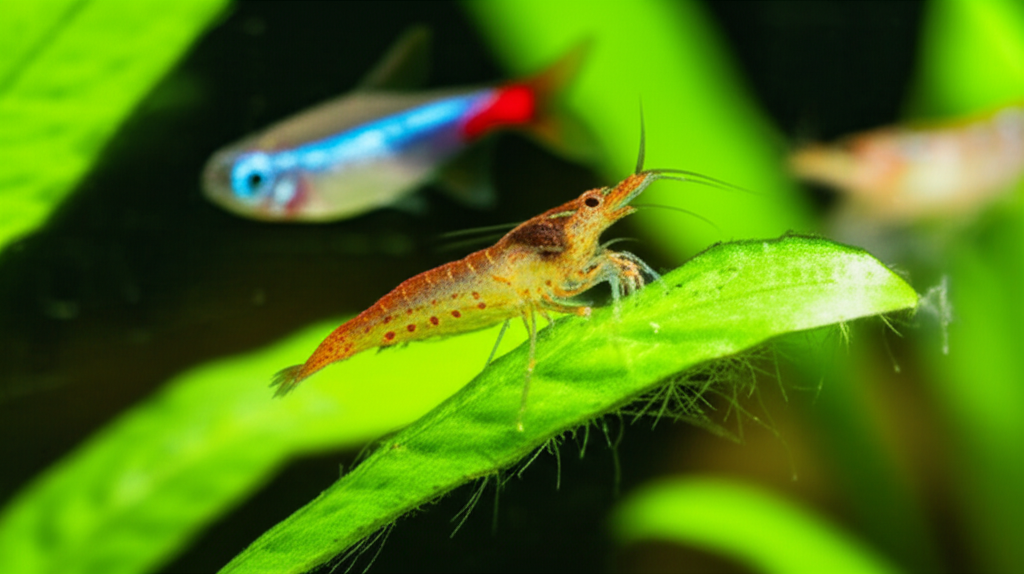
Shrimp are diligent scavengers. They spend their days sifting through substrate, exploring decorations, and munching on algae and leftover food. This natural cleaning behavior helps keep your tank tidy and can reduce the amount of manual cleaning you need to do. Think of them as tiny, dedicated aquarium assistants!
Fascinating Behavior
Watching shrimp go about their business is incredibly captivating. They have unique personalities and behaviors that are a joy to observe. From their delicate movements as they explore to their social interactions, shrimp add a dynamic element to any aquarium.
Dietary Variety
While they are excellent scavengers, shrimp also appreciate a varied diet. Supplementing their natural foraging with specialized shrimp foods and blanched vegetables ensures they get all the nutrients they need to thrive. We’ll cover their diet in more detail later.
Indicators of Water Quality
Shrimp are quite sensitive to water parameters. If your water conditions are poor, they will often show signs of stress or won’t breed. This makes them excellent “canaries in the coal mine” for your aquarium’s health. A thriving shrimp population is a good sign that your water quality is excellent.
Choosing the Right Shrimp for Your Fish Tank: A Beginner’s Guide
Not all shrimp are created equal when it comes to aquarium suitability, especially for beginners. Some species are hardier and more forgiving, making them ideal for starting out. Here are some of the most popular and beginner-friendly shrimp:
Cherry Shrimp (Neocaridina davidi)
These are perhaps the most popular beginner shrimp. They come in a variety of colors, including red, blue, yellow, and green. Cherry shrimp are hardy, reproduce readily in a home aquarium, and are excellent algae eaters.
Key characteristics:
- Hardy and adaptable
- Bred in many colors
- Easy to breed
- Peaceful
- Prefer slightly alkaline water
Amano Shrimp (Caridina multidentata)
Amano shrimp are larger than cherry shrimp and are renowned for their voracious appetite for algae, especially the stringy green kind. They are also very peaceful and won’t bother fish or other invertebrates. However, they are less likely to breed in freshwater aquariums compared to cherry shrimp.
Key characteristics:
- Excellent algae eaters
- Larger size (up to 2 inches)
- Peaceful
- Require brackish water for larvae to survive, so breeding in home aquariums is rare.
- Can be escape artists; ensure a secure lid.
Ghost Shrimp / Glass Shrimp (Palaemonetes paludosus)
These translucent shrimp are inexpensive and widely available. They are also very peaceful and can be good scavengers. While they are hardy, their lifespan is generally shorter than cherry or Amano shrimp.
Key characteristics:
- Inexpensive and readily available
- Peaceful and scavengers
- Translucent appearance
- Shorter lifespan
- Can sometimes be mistaken for feeder shrimp, which are often less hardy.
Crystal Red Shrimp / Black Crystal Shrimp (Caridina cantonensis)
These stunning shrimp are popular for their striking colors and patterns. However, they are more sensitive than Neocaridina shrimp and require softer, more acidic water conditions, which can be more challenging for beginners. If you’re looking for a bit more of a challenge and are prepared to manage specific water parameters, these can be a rewarding choice.
Key characteristics:
- Beautiful colors and patterns
- More sensitive to water parameters
- Require soft, acidic water (lower GH and KH)
- Can be kept with peaceful, small fish.
Setting Up the Perfect Shrimp Tank: Essential Requirements
A successful shrimp tank is all about stability and providing the right environment. Shrimp are sensitive to fluctuations, so consistency is key. Here’s what you need:
Aquarium Size
Shrimp don’t need large tanks. A 5-10 gallon tank is an excellent starting point for a colony of beginner shrimp like Cherry Shrimp. Smaller tanks are easier to manage and keep stable. For larger shrimp like Amanos, a 10-20 gallon tank is more appropriate.
Filtration
Filtration is crucial for maintaining water quality. However, powerful filters can suck up tiny shrimplets. The best options for shrimp tanks are:
- Sponge Filters: These are ideal. They provide excellent biological filtration, are gentle, and the pores of the sponge offer a safe haven for shrimplets to grow and feed on biofilm. You can find reliable sponge filters from brands like Aquaclear or Hikari.
- Hang-on-Back (HOB) Filters with pre-filter sponges: If you use an HOB filter, always cover the intake tube with a pre-filter sponge. This prevents shrimplets and small shrimp from being sucked into the filter.
Here’s a quick comparison of popular filtration types for shrimp tanks:
| Filter Type | Pros for Shrimp Tanks | Cons for Shrimp Tanks |
|---|---|---|
| Sponge Filter | Gentle, provides surface area for beneficial bacteria, safe for shrimplets, excellent biological filtration. | Can be less aesthetically pleasing to some, requires an air pump. |
| HOB Filter with Pre-filter | Effective mechanical and biological filtration, hides the intake. | Requires a pre-filter sponge to be safe for shrimplets, can create too much flow if not regulated. |
| Internal Filter | Compact, can be customized with media. | Can be too strong, intake needs protection, may be harder to clean without disturbing shrimp. |
Substrate
The substrate you choose can impact your water parameters. For most beginner shrimp like Cherry Shrimp, a simple inert substrate like sand or fine gravel is perfectly fine. If you plan to keep crystal shrimp or other sensitive species, you might consider a specialized substrate designed to buffer water parameters, such as
that helps maintain lower pH and GH. For beginners, sticking with sand or gravel is usually the easiest path.
Heater
Most popular shrimp species thrive in room temperature water, typically between 68-78°F (20-25.5°C). A heater might be necessary if your room temperature fluctuates significantly. A reliable aquarium heater from brands like Fluval or Eheim will help maintain a stable temperature, which is crucial for shrimp health.
Water Parameters
Shrimp are sensitive to water chemistry. Maintaining stable parameters is more important than hitting exact numbers for many species. However, here are general guidelines:
- Temperature: 68-78°F (20-25.5°C)
- pH: 6.5-8.0 (Cherry Shrimp prefer the higher end, Crystal Shrimp prefer the lower end)
- GH (General Hardness): 4-8 dGH (for Neocaridina)
- KH (Carbonate Hardness): 2-8 dKH (for Neocaridina)
- Ammonia, Nitrite: 0 ppm
- Nitrate: Below 20 ppm
You can test these parameters using a reliable aquarium test kit, such as the API Freshwater Master Test Kit. Understanding your water chemistry is vital for shrimp success. You can learn more about water parameters from resources like the
Fishkeeping World guide to water parameters
.
Decorations and Hiding Places
Shrimp feel most secure when they have plenty of places to hide and explore. This includes plants, driftwood, rocks, and specialized shrimp caves. Live plants are particularly beneficial as they provide food (biofilm) and help keep the water clean. Java moss, Anubias, and various ferns are excellent choices for shrimp tanks.
The Diet of Aquarium Shrimp: What to Feed Them
Shrimp are omnivores and scavengers. Their diet in an aquarium should be varied and supplemented. In a well-established tank, they will graze on algae and biofilm. However, this is often not enough, especially for a growing colony.
Primary Food Sources:
- Biofilm: This is a thin layer of microorganisms that grows on all surfaces in an aquarium. Shrimp love to graze on it. Live plants and established tank surfaces are great sources of biofilm.
- Algae: Various types of algae are a natural part of a shrimp’s diet.
- Sinking Pellets/Wafers: Look for specialized shrimp foods that are formulated with the nutrients shrimp need. Brands like Hikari, Shirakura, and Mosura offer excellent options. These should be high in protein and minerals.
- Blanched Vegetables: Occasional treats of blanched vegetables like spinach, zucchini, kale, or green beans are highly beneficial. Blanching makes them softer and easier for shrimp to consume. Simply boil them for a few minutes until tender, then cool and drop them in. Remove any uneaten portions after a few hours to prevent fouling the water.
Feeding Frequency
Feed your shrimp small amounts every other day, or as needed, depending on how much they are eating. Overfeeding can lead to poor water quality. You should only give them what they can consume within a few hours.
What NOT to Feed Shrimp
- Flake food or pellets for fish: These are often too large, contain ingredients that aren’t ideal for shrimp, and can quickly foul the water.
- Anything with copper: Copper is highly toxic to invertebrates. Always ensure any medications or fertilizers you use are copper-free.
Tank Mates for Shrimp: Who Can Live Together?
This is a crucial question for anyone considering adding shrimp to an existing fish tank. Compatibility is everything. The wrong tank mates can decimate a shrimp population.
Ideal Tank Mates:
- Small, Peaceful Fish: Species like Endler’s Livebearers, small Rasboras (e.g., Chili Rasboras, Phoenix Rasboras), Ember Tetras, and Pygmy Corydoras can often coexist peacefully with shrimp, especially if the tank is well-planted and provides ample hiding places for the shrimp.
- Snails: Nerite snails, Ramshorn snails, and Mystery snails are excellent tank mates for shrimp. They don’t prey on shrimp and help with cleaning.
- Other Shrimp Species: Most shrimp species can coexist, but be mindful of water parameter needs. For instance, don’t mix Neocaridina (like Cherry Shrimp) with Caridina (like Crystal Red Shrimp) unless you have a very large tank and are experienced with managing their different water parameter needs.
Tank Mates to Avoid:
- Aggressive or Predatory Fish: Any fish that is large enough to swallow a shrimp should be avoided. This includes most Cichlids, larger Gouramis, Barbs (like Tiger Barbs), Bettas (some Bettas may be fine, but many will hunt shrimp), Goldfish, and larger Tetras or Danios.
- Fin Nippers: Fish that nip at the fins of other fish might also nip at the legs or antennae of shrimp.
- Shrimp-Eating Fish: Even some smaller fish, like certain types of Loaches (e.g., Kuhli Loaches), can be opportunistic and may eat small shrimp or shrimplets.
When in doubt, it’s always safer to house shrimp in a species-only tank or with very carefully selected, small, peaceful tank mates. A planted tank with lots of hiding spots is the best way to ensure shrimp survival.
Breeding Shrimp: A Rewarding Experience
One of the most exciting aspects of keeping shrimp is breeding them! Many beginner shrimp, like Cherry Shrimp, are prolific breeders in the right conditions. Seeing tiny shrimplets swimming around is incredibly rewarding.
What Promotes Breeding?
- Stable Water Parameters: Consistent temperature, pH, GH, and KH are key.
- Good Water Quality: Zero ammonia and nitrite, and low nitrates are essential.
- Adequate Food: A consistent supply of biofilm, algae, and supplemented food encourages breeding.
- Plenty of Hiding Places: This makes the female shrimp feel safe to carry eggs and allows shrimplets to hide from potential predators.
- Healthy Colony: A good male-to-female ratio is also important.
When female shrimp are ready to breed, they will develop a “saddle” on their back, which are unfertilized eggs. Once they molt, they release pheromones, and males will “graze” them. The female will then become “berried,” meaning she has fertilized eggs under her tail. She will fan these eggs regularly until they hatch into tiny, fully-formed shrimp!
Troubleshooting Common Shrimp Keeping Issues
Even with the best intentions, you might encounter a few bumps in the road. Here are some common issues and how to address them:
Shrimp Dying Suddenly
This is often due to sudden changes in water parameters, water quality issues (ammonia/nitrite spikes), or the presence of toxins like copper. Ensure your tank is fully cycled before adding shrimp, use a reliable test kit, and perform slow water changes.
Shrimp Not Breeding
This can be caused by unstable water parameters, insufficient food, stress from aggressive tank mates, or a lack of mature females. Ensure your water is stable, provide a varied diet, and consider a species-only tank if you’re struggling.
Shrimp Not Active
If your shrimp are lethargic, it could indicate poor water quality, incorrect temperature, or stress. Check your water parameters and ensure the temperature is within the optimal range.
Algae Blooms
While shrimp eat algae, a major bloom might indicate an imbalance in your tank, such as too much light or too much organic waste. Reduce lighting duration, ensure proper filtration, and avoid overfeeding. Amano shrimp are particularly good at tackling stubborn algae.
Frequently Asked Questions (FAQ) about Shrimp in Fish Tanks
Are shrimp safe to keep with fish?
Yes, shrimp can be safe with fish, but only if you choose very small, peaceful fish species as tank mates. Avoid any fish large enough to eat shrimp or fish known for nipping. A heavily planted tank with lots of hiding places significantly increases the survival rate of shrimp in a mixed-species aquarium.
What kind of water do shrimp need?
Most beginner shrimp, like Cherry Shrimp, do well in stable tap water that has been treated with a dechlorinator. They prefer water that is not too soft or acidic. Sensitive species, like Crystal Red Shrimp, require softer water with lower GH and KH, which may necessitate the use of RO water remineralized with specific shrimp mineral additives.
How often should I feed my shrimp?
Shrimp are scavengers and will graze on biofilm and algae in the tank. Feed them specialized shrimp food or blanched vegetables sparingly, only what they can consume within a few hours, typically every other day or a few times a week. Overfeeding can quickly lead to poor water quality.
Can I put shrimp in a brand new aquarium?
No, you should never put shrimp in a brand new, uncycled aquarium. Shrimp are very sensitive to ammonia and nitrite, which are present in high levels during the aquarium cycling process. You must cycle your aquarium for 4-6 weeks to establish beneficial bacteria before adding any inhabitants, including shrimp.
What are the signs of a healthy shrimp?
Healthy shrimp are active, constantly grazing and exploring their environment. They will have clear bodies (or vibrant colors for colored varieties) and will shed their exoskeletons regularly as they grow. You might see them carrying eggs under their tail if they are female and ready to breed.
What is biofilm and why is it important for shrimp?
Biofilm is a thin, slimy layer of microorganisms, including bacteria, fungi, and algae, that grows on surfaces in an aquarium. It is a primary food source for shrimp, providing essential nutrients. Live plants, driftwood, and rocks in a mature aquarium will develop biofilm, which is crucial for keeping shrimp healthy and active.
How do I know if my shrimp are stressed?
Stressed shrimp may become less active, stop grazing, lose color, or even try to jump out of the tank. Common causes of stress include poor water quality (ammonia, nitrite, sudden parameter changes), inappropriate tank mates, or inadequate hiding places. Regularly testing your water and ensuring a stable environment are key to preventing stress.
Conclusion: Embrace the Tiny Wonders!
So, are shrimp good for fish tanks? Absolutely! When you provide the right environment, stable water conditions, and compatible tank mates, shrimp can transform your aquarium into a dynamic, fascinating, and cleaner ecosystem. They offer a unique glimpse into the miniature world of invertebrates and bring a vibrant splash of color and activity that many fish keepers adore.
Remember to start with hardy species like Cherry Shrimp, set up a stable tank with gentle filtration, and always test your water parameters. Don’t be discouraged if you face challenges; the aquarium hobby is a learning journey. With patience and consistent care, you’ll soon have a thriving colony of happy, healthy shrimp that will bring you endless enjoyment. Happy shrimp keeping!