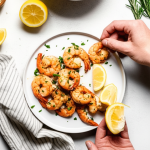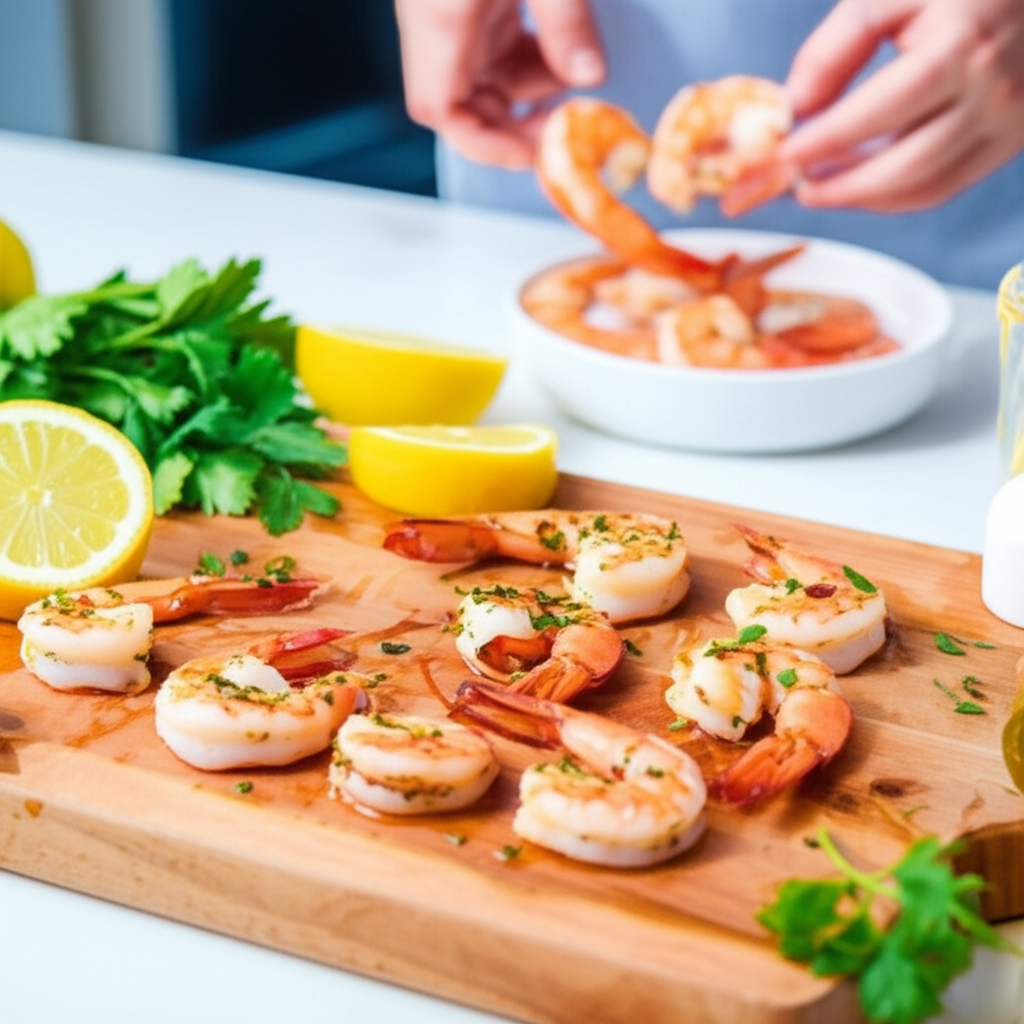

Yes, cooked, plain shrimp can be a safe and healthy treat for dogs in moderation. Ensure they are thoroughly cooked, de-veined, and free of any seasonings, oils, or butter. Raw shrimp is not recommended due to potential bacteria.
Are you wondering if those tasty little crustaceans can be a good addition to your furry friend’s diet? It’s a common question many dog parents have when they’re enjoying a seafood meal. You want to share a little something special with your pup, but you also want to be sure it’s safe and beneficial. Dealing with conflicting advice online can be frustrating, leaving you unsure of what’s best. Don’t worry! This guide is here to clear up all your questions about feeding shrimp to your dog. We’ll break down everything you need to know, from the benefits to the safest ways to prepare them. Let’s dive in and make sure your dog can enjoy a safe and healthy shrimp snack!
Understanding Shrimp for Canine Consumption
Shrimp, when prepared correctly, can offer a nutritional boost for your dog. They are a great source of lean protein, which is essential for muscle development and repair. Beyond protein, shrimp contains several vitamins and minerals that contribute to a dog’s overall health. However, it’s crucial to understand that not all shrimp, or all ways of preparing shrimp, are suitable for dogs. The key lies in proper preparation and moderation.
Nutritional Benefits of Shrimp for Dogs
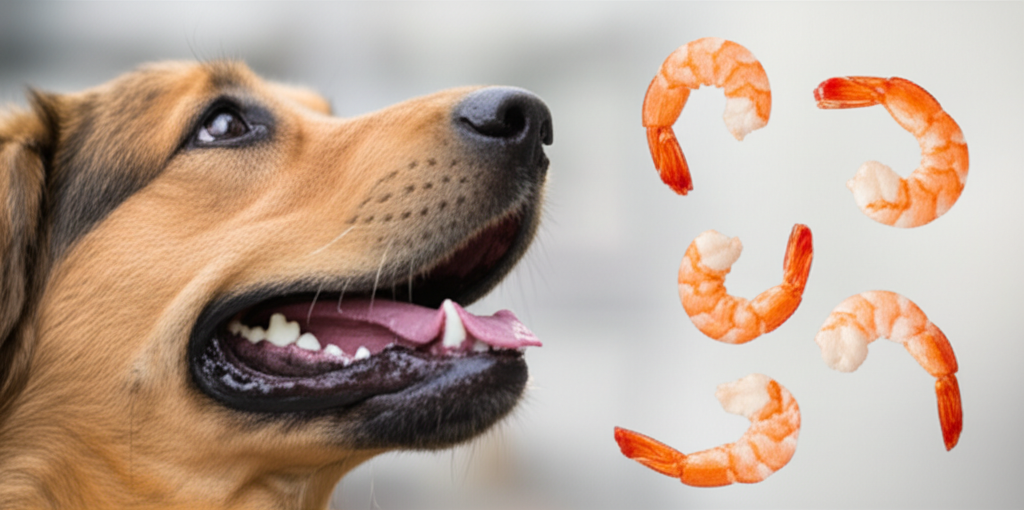
Shrimp is packed with nutrients that can be beneficial for your canine companion. Let’s break down what makes them a potentially good treat:
- Lean Protein: Essential for building and repairing tissues, supporting muscle growth, and providing energy.
- Omega-3 Fatty Acids: These healthy fats are good for skin and coat health, reducing inflammation, and supporting cardiovascular function.
- Vitamin B12: Crucial for nerve function and the formation of red blood cells, helping to prevent anemia.
- Minerals: Shrimp contain minerals like phosphorus (for bone health), selenium (an antioxidant), and iodine (for thyroid function).
- Choline: Important for brain development and function.
These nutrients contribute to a healthy immune system, shiny coat, and overall vitality for your dog. However, these benefits are only realized when shrimp is fed in its safest form.
Potential Risks and What to Avoid
While shrimp offers benefits, there are significant risks associated with feeding it to dogs if not handled properly. Understanding these risks is paramount to ensuring your dog’s safety.
- Raw Shrimp: Raw seafood can contain bacteria like Salmonella and Listeria, which can cause severe gastrointestinal upset and infections in dogs, similar to humans. It can also harbor parasites.
- Shells and Tails: These are hard and can be a choking hazard. They can also cause internal damage or blockages if ingested.
- Seasonings, Oils, and Butter: Many human preparations of shrimp involve garlic, onions, salt, pepper, butter, or oils. Garlic and onions are toxic to dogs. Excessive salt can lead to dehydration and sodium ion poisoning. Fats and oils can cause digestive upset, including pancreatitis in susceptible dogs.
- Allergies: Like any food, some dogs can develop allergies or sensitivities to shrimp.
- Overfeeding: Even healthy foods can cause digestive issues if given in excess. Shrimp should be a treat, not a staple food.
For these reasons, it’s vital to stick to a specific preparation method to reap the benefits while avoiding the risks.
The Safest Way to Prepare Shrimp for Your Dog
Preparing shrimp for your dog requires a meticulous approach to ensure safety and maximize nutritional benefits. The goal is simple: plain, cooked shrimp, stripped of all potential hazards.
Step-by-Step Guide to Preparing Shrimp
Follow these steps to prepare shrimp safely for your canine companion:
- Choose Fresh or Thawed Shrimp: Start with good quality shrimp. If using frozen, ensure they are fully thawed.
- Peel the Shrimp: Remove all the shell. This includes the hard outer shell and any remaining small leg shells. The shell is indigestible and can cause internal issues.
- De-vein the Shrimp: Locate the dark vein running along the back of the shrimp and carefully remove it. While not strictly toxic, it can affect the taste and texture, and some dogs may find it unappealing.
- Rinse Thoroughly: Rinse the peeled and de-veined shrimp under cool running water to remove any residual debris.
- Cook Plain: This is the most critical step. Shrimp must be cooked thoroughly. The safest cooking methods are boiling or steaming.
- Boiling: Place the shrimp in a pot of plain water and boil until they turn pink and opaque. This usually takes 2-3 minutes.
- Steaming: Place shrimp in a steamer basket over boiling water and steam until pink and opaque.
- Cool Down: Allow the cooked shrimp to cool completely before serving. Hot food can burn your dog’s mouth.
- Portion Appropriately: Cut the cooled shrimp into bite-sized pieces that are easy for your dog to chew and swallow. The size of the pieces should be appropriate for your dog’s size and chewing ability.
Never feed your dog shrimp that has been fried, grilled with marinades, sautéed in butter or oil, or seasoned with spices, garlic, or onions. Plain, boiled, or steamed shrimp is the only way to go.
Serving Size and Frequency
Moderation is key when introducing any new food, including shrimp, into your dog’s diet. Shrimp should be considered a treat and not a replacement for their regular, balanced dog food.
- Treats should not make up more than 10% of your dog’s daily caloric intake.
- For small dogs: A single, small piece of shrimp (about the size of a thumbnail) once or twice a week is usually sufficient.
- For medium to large dogs: You might offer one or two medium-sized pieces, again, only once or twice a week.
Always observe your dog for any signs of digestive upset after feeding them shrimp for the first time. If they tolerate it well, you can continue offering it as an occasional treat.
When to Introduce Shrimp to Your Dog
Before you offer shrimp to your dog, consider their current health status and dietary needs. It’s always best to consult with your veterinarian, especially if your dog has any pre-existing health conditions or dietary restrictions.
Consulting Your Veterinarian
Your veterinarian is the best resource for personalized advice regarding your dog’s diet. They can help you determine if shrimp is appropriate for your dog based on:
- Allergies: If your dog has a history of food allergies, especially to seafood, shrimp might not be a good option.
- Digestive Sensitivities: Some dogs have sensitive stomachs and may not tolerate new foods well.
- Kidney or Liver Issues: Dogs with certain medical conditions might need restricted protein or mineral intake, which your vet can assess.
- Overall Diet Balance: Your vet can advise on how to incorporate treats like shrimp without disrupting the balance of your dog’s primary diet.
A quick chat with your vet can prevent potential health issues and ensure you’re making the best dietary choices for your pet.
Introducing Shrimp Gradually
When you first offer shrimp to your dog, start with a very small amount to see how they react. This allows you to monitor for any adverse reactions, such as vomiting, diarrhea, or skin irritation, which could indicate an allergy or sensitivity.
First Introduction Steps:
- Offer a tiny piece of plain, cooked, de-veined shrimp.
- Wait 24-48 hours and monitor your dog closely for any signs of digestive upset or allergic reaction.
- If there are no adverse reactions, you can gradually increase the portion size over subsequent feedings, always keeping moderation in mind.
This cautious approach is crucial for any new food item to ensure your dog’s well-being.
Shrimp as Part of a Balanced Diet
It’s important to remember that while shrimp can be a healthy treat, it should complement, not replace, a complete and balanced dog food diet. Commercial dog foods are formulated to provide all the necessary nutrients in the correct proportions for your dog’s life stage and breed.
The Role of Treats
Treats, like shrimp, play a role in training, bonding, and providing variety in a dog’s diet. However, they should be given responsibly. Over-reliance on treats can lead to:
- Obesity: Excess calories from treats can contribute to weight gain.
- Nutritional Imbalance: If treats make up too large a portion of their intake, they may not be getting enough essential nutrients from their main food.
- Digestive Issues: Too many treats, especially rich or fatty ones, can upset a dog’s stomach.
Shrimp, being lean and protein-rich, is a better treat option than many commercially available high-fat or high-carbohydrate dog biscuits, provided it’s prepared correctly.
Can Dogs Eat Shrimp Every Day?
No, dogs should not eat shrimp every day. While shrimp offers nutritional benefits, it should be given as an occasional treat. Daily consumption could lead to:
- Digestive Upset: Even healthy foods can cause issues if eaten in excess.
- Nutritional Imbalance: Relying on shrimp daily could mean your dog misses out on other essential nutrients found in their balanced dog food.
- Potential for Overweight: Extra calories, even from lean protein, can contribute to weight gain if not accounted for.
Stick to offering plain, cooked shrimp a couple of times a week at most, in small quantities.
Alternative Seafood Options for Dogs
If your dog enjoys seafood or you’re looking for other healthy options, several other types of fish and seafood can be beneficial, provided they are prepared correctly. Remember, the principles of plain cooking and removing bones are universal.
Fish vs. Shrimp for Dogs
Fish can also be an excellent source of protein and omega-3 fatty acids for dogs. Some popular and safe options include:
- Salmon: Rich in omega-3s, good for skin and coat. Must be cooked thoroughly to kill parasites.
- Tuna (canned in water, low sodium): A good source of protein and omega-3s. Should be given in moderation due to potential mercury content.
- Sardines (canned in water, no salt added): Packed with omega-3s, calcium (if bones are included and soft), and vitamin D.
- Cod: A lean white fish, good source of protein.
Table: Comparison of Seafood for Dogs
| Seafood Type | Key Benefits | Precautions |
|---|---|---|
| Shrimp | Lean protein, Omega-3s, Vitamin B12 | Must be cooked, peeled, de-veined. Avoid seasonings. |
| Salmon | High Omega-3s, Vitamins D & B | Must be cooked thoroughly. Avoid raw. |
| Tuna (canned in water) | Protein, Omega-3s | Low sodium, in moderation due to mercury. Avoid raw. |
| Sardines (canned in water) | High Omega-3s, Calcium, Vitamin D | No salt added. Bones should be soft. |
Always ensure fish is cooked thoroughly and free of bones. Raw fish can contain thiaminase, an enzyme that breaks down thiamine (Vitamin B1), which is essential for dogs. Cooking deactivates thiaminase.
Considerations for Shellfish
Besides shrimp, other shellfish like crab and lobster are also sometimes considered. However, they come with similar preparation requirements and potential risks:
- Shells: Must be removed as they are hard and can cause damage.
- Cooking: Must be cooked thoroughly.
- Seasonings: Avoid any added salt, butter, garlic, or onion.
- Choking Hazard: Small pieces of shell or meat can be a choking risk.
Shrimp is generally considered a simpler and safer option for dogs compared to other shellfish due to its smaller size and easier preparation.
Addressing Common Concerns
As a responsible pet owner, you’ll likely have more questions. Let’s address some common concerns about feeding shrimp to your dog.
Can Dogs Eat Shrimp Shells?
No, dogs should never eat shrimp shells. The shells are hard, indigestible, and can splinter, causing choking or internal damage to the digestive tract. Always ensure all shells are removed before cooking and serving.
What About Shrimp Tails?
Shrimp tails should also be removed. While not as dangerous as the main shell, the tail can still be a choking hazard for some dogs, especially smaller breeds or those who tend to gulp their food. It offers no nutritional value and can be difficult to digest.
Is Cooked Shrimp Safe for Dogs?
Yes, plain, cooked shrimp is safe for dogs when given in moderation and prepared correctly. The cooking process kills harmful bacteria and parasites that can be present in raw seafood. The key is that it must be cooked without any added oils, butter, salt, garlic, onions, or other seasonings.
Can Shrimp Help with Dog Skin and Coat?
The omega-3 fatty acids found in shrimp can contribute to healthy skin and a shiny coat. These fatty acids have anti-inflammatory properties that can help alleviate dry, itchy skin. However, shrimp should not be relied upon as the sole source of omega-3s; a balanced diet and potentially fish oil supplements (as recommended by your vet) are more consistent ways to achieve these benefits.
What if My Dog Ate Raw Shrimp?
If your dog has eaten raw shrimp, monitor them closely for signs of gastrointestinal distress such as vomiting, diarrhea, lethargy, or fever. Contact your veterinarian immediately if you notice any of these symptoms or if you are concerned. They may recommend observation or specific treatments depending on the amount consumed and your dog’s condition.
FAQs About Feeding Shrimp to Dogs
Here are some frequently asked questions about feeding shrimp to your canine friends:
Q1: Can my dog eat shrimp raw?
A: No, raw shrimp is not recommended. It can contain bacteria like Salmonella and Listeria, as well as parasites, which can cause serious illness in dogs.
Q2: What are the signs of an allergic reaction to shrimp in dogs?
A: Signs can include itching, hives, swelling of the face or throat, vomiting, diarrhea, or difficulty breathing. If you notice any of these, stop feeding shrimp and contact your veterinarian immediately.
Q3: How much shrimp can I give my dog?
A: Shrimp should be a treat. For small dogs, a small piece (thumbnail size) once or twice a week is plenty. For larger dogs, one or two medium pieces a couple of times a week is usually appropriate. Always consult your vet for personalized advice.
Q4: Can I give my dog shrimp with garlic or butter?
A: Absolutely not. Garlic and onions are toxic to dogs. Butter and oils can cause digestive upset or pancreatitis. Only plain, cooked shrimp is safe.
Q5: Are there any benefits to feeding my dog shrimp?
A: Yes, plain, cooked shrimp provides lean protein, omega-3 fatty acids for skin and coat health, and essential vitamins and minerals like Vitamin B12, selenium, and iodine.
Q6: What if my dog has kidney problems? Can they eat shrimp?
A: Dogs with kidney issues often need a diet low in phosphorus and protein. Shrimp is relatively high in phosphorus. It is crucial to discuss any dietary changes, especially for dogs with pre-existing health conditions, with your veterinarian before feeding them shrimp.
Conclusion
So, are shrimp good for dogs? In summary, yes, plain, cooked shrimp can be a nutritious and enjoyable treat for your dog when prepared correctly and given in moderation. By focusing on thorough cooking, removing shells and tails, and avoiding any added seasonings or fats, you can safely share this seafood delight with your furry friend. Always remember to introduce new foods gradually and consult your veterinarian if you have any concerns about your dog’s diet or health. With the right approach, a small piece of shrimp can be a healthy way to add a little variety and beneficial nutrients to your dog’s life, contributing to their overall well-being and happiness. Enjoy treating your pup responsibly!