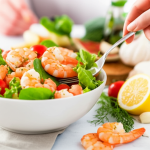
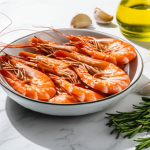
Yes, shrimp are an excellent choice for a healthy diet! They are low in calories, packed with protein, and rich in essential nutrients like selenium, vitamin B12, and omega-3 fatty acids. Enjoying shrimp as part of a balanced diet can support muscle health, boost immunity, and contribute to overall well-being.
Are you wondering if shrimp can fit into your healthy eating plan? It’s a common question, and sometimes the answers you find can be confusing. You want to make good choices for your body, and shrimp often appear on healthy food lists, but what’s the real story? Don’t worry, we’ll break down exactly why shrimp are a fantastic addition to your diet. We’ll explore the science-backed benefits in a way that’s easy to understand, so you can feel confident about adding this delicious seafood to your meals. Get ready to discover how shrimp can help you achieve your health goals!
The Nutritional Powerhouse: What Makes Shrimp So Good?
Shrimp might be small, but they pack a serious nutritional punch. When we talk about healthy eating, we often focus on macronutrients like protein and fats, and micronutrients like vitamins and minerals. Shrimp excel in all these areas, making them a truly valuable food source.
Let’s dive into the key nutrients found in shrimp and why they matter for your health:
- High-Quality Protein: Protein is essential for building and repairing tissues, including muscles. Shrimp are a complete protein source, meaning they contain all the essential amino acids your body needs. This makes them great for muscle growth and recovery, especially if you’re active.
- Low in Calories: For those watching their calorie intake, shrimp are a dream come true. A typical serving is very low in calories, allowing you to enjoy a satisfying meal without overdoing it. This makes them a smart choice for weight management.
- Rich in Omega-3 Fatty Acids: These are the “good” fats that are crucial for heart and brain health. Shrimp contain EPA (eicosapentaenoic acid) and DHA (docosahexaenoic acid), which can help reduce inflammation, improve cholesterol levels, and support cognitive function.
- Excellent Source of Selenium: Selenium is a powerful antioxidant that protects your cells from damage. It also plays a vital role in thyroid function and immune health. Shrimp are one of the best dietary sources of this important mineral.
- Packed with Vitamin B12: Vitamin B12 is critical for nerve function and the formation of red blood cells. A deficiency can lead to fatigue and neurological issues. Shrimp provide a substantial amount of this essential vitamin.
- Contains Astaxanthin: This is a unique antioxidant that gives shrimp their pinkish-red color. Astaxanthin is a potent anti-inflammatory agent and may offer benefits for skin health and protection against sun damage.
- Good Source of Iodine: Iodine is necessary for producing thyroid hormones, which regulate metabolism. Shrimp contribute to your daily iodine intake, supporting a healthy metabolism.
Shrimp and Your Health Goals: Proven Benefits
Now that we know what’s inside shrimp, let’s connect these nutrients to tangible health benefits. Whether you’re aiming to lose weight, build muscle, or simply improve your overall health, shrimp can be a valuable ally.
1. Supports Weight Management
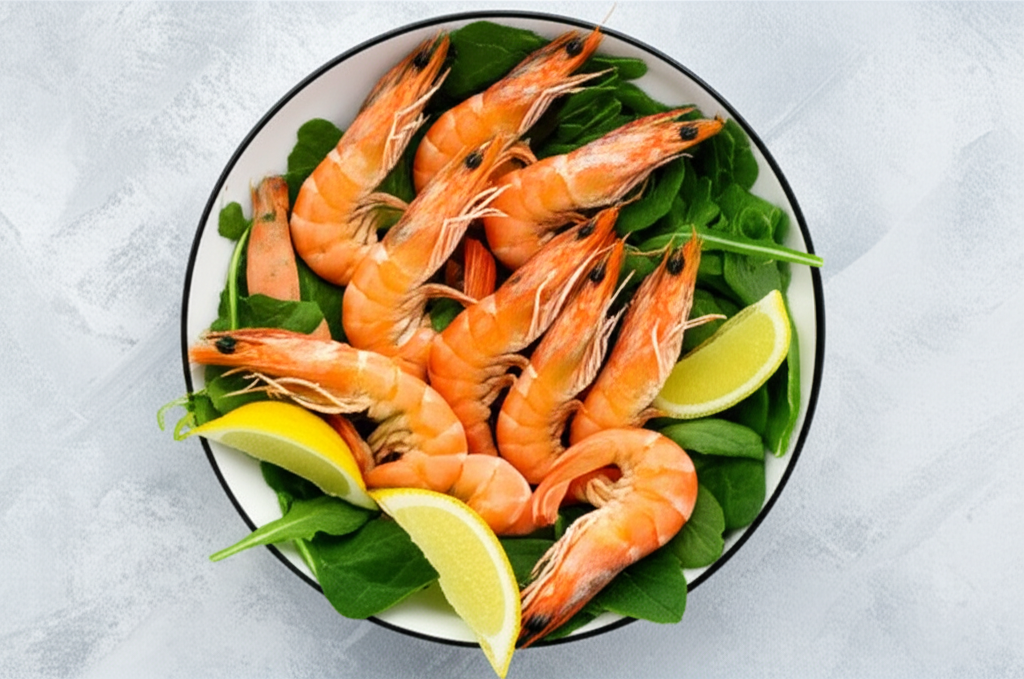
Shrimp are an excellent food for anyone looking to manage their weight. Their high protein content is key here. Protein helps you feel fuller for longer, which can reduce overall calorie intake by curbing cravings and preventing overeating. Because shrimp are low in calories and fat, you can enjoy a substantial portion that satisfies your hunger without derailing your diet.
A 3-ounce serving of cooked shrimp contains about 80-100 calories and roughly 18-20 grams of protein. This high protein-to-calorie ratio is ideal for weight loss diets. Furthermore, the thermic effect of food (TEF) is higher for protein than for carbohydrates or fats, meaning your body burns more calories digesting protein.
2. Boosts Muscle Growth and Repair
For athletes, fitness enthusiasts, or anyone looking to maintain muscle mass, shrimp are a fantastic choice. As a complete protein source, they provide the building blocks (amino acids) your body needs to repair muscle tissue after exercise and to synthesize new muscle. This is crucial for recovery and for building strength and muscle definition.
The presence of leucine, an essential amino acid, in shrimp is particularly noteworthy. Leucine is a key trigger for muscle protein synthesis. Combined with other amino acids, it makes shrimp a potent post-workout recovery food.
3. Promotes Heart Health
The omega-3 fatty acids in shrimp are a major contributor to cardiovascular health. EPA and DHA have been shown to:
- Lower triglycerides, a type of fat in your blood that can increase heart disease risk.
- Reduce blood pressure.
- Prevent blood clots.
- Decrease inflammation throughout the body, which is a known factor in heart disease.
While shrimp do contain cholesterol, studies suggest that dietary cholesterol has a less significant impact on blood cholesterol levels for most people compared to saturated and trans fats. The beneficial omega-3s and lean protein in shrimp generally outweigh the cholesterol content for most healthy individuals. The American Heart Association recommends eating fish at least twice a week, and shrimp can certainly be part of that healthy pattern.
4. Supports Immune Function
The selenium content in shrimp is a significant benefit for your immune system. Selenium acts as an antioxidant, protecting immune cells from damage. It also plays a crucial role in the development and function of various immune cells, helping your body fight off infections more effectively.
Additionally, vitamin B12 and zinc, also found in shrimp, are important for immune system regulation and function. A robust immune system is vital for overall health and disease prevention.
5. Aids in Cognitive Function and Brain Health
The omega-3 fatty acids, particularly DHA, are fundamental components of brain cell membranes. Adequate DHA intake is linked to better cognitive function, including memory and learning. Studies suggest that omega-3s may also play a role in reducing the risk of age-related cognitive decline and conditions like depression.
The antioxidant astaxanthin in shrimp also shows promise for brain health. Its anti-inflammatory and protective properties may help shield brain cells from oxidative stress.
6. Contributes to Healthy Skin and Eyes
Astaxanthin, the antioxidant that gives shrimp their color, is also beneficial for your skin and eyes. It can help protect your skin from UV damage and may improve skin elasticity. For eye health, astaxanthin can help protect the eyes from oxidative stress and may reduce the risk of certain eye conditions.
The omega-3 fatty acids also contribute to skin health by helping to manage oil production and hydration.
Nutritional Comparison: Shrimp vs. Other Protein Sources
To truly appreciate how good shrimp are for a diet, it helps to see how they stack up against other common protein sources. While many foods provide protein, the overall nutritional package can vary significantly.
Here’s a simplified comparison of a 3-ounce (about 85g) serving of cooked shrimp versus other popular protein options:
| Nutrient | Shrimp | Chicken Breast (cooked, skinless) | Salmon (cooked) | Lean Beef (cooked) |
|---|---|---|---|---|
| Calories | 99 | 165 | 175 | 177 |
| Protein (g) | 20 | 31 | 17 | 26 |
| Total Fat (g) | 0.6 | 3.6 | 11 | 7.5 |
| Saturated Fat (g) | 0.1 | 1.0 | 2.5 | 3.0 |
| Omega-3s (EPA+DHA) (mg) | ~200-300 | 0 | ~1500-2000 | 0 |
| Selenium (% DV) | ~50-60% | ~30% | ~50% | ~40% |
| Vitamin B12 (% DV) | ~50-60% | ~20% | ~70% | ~90% |
Note: Nutritional values can vary slightly based on preparation methods and specific types of shrimp and fish. DV = Daily Value.
As you can see, shrimp offer a very lean protein source with minimal fat, especially saturated fat. While salmon is higher in omega-3s, shrimp provide a good amount for a low-calorie option. Shrimp also stand out for their selenium and B12 content, often rivaling or exceeding other sources.
Considerations for Shrimp Consumption
While shrimp are incredibly healthy, there are a few things to keep in mind for optimal dietary integration:
1. Cholesterol Content
A 3-ounce serving of shrimp contains about 180-190 mg of cholesterol. For many years, this led to concerns about shrimp consumption and heart health. However, current research suggests that for most healthy individuals, dietary cholesterol has a less significant impact on blood cholesterol levels than previously thought. The body regulates cholesterol production, and saturated and trans fats are generally considered more detrimental to blood cholesterol.
If you have specific health conditions like high cholesterol or heart disease, it’s always best to consult with your doctor or a registered dietitian about your dietary choices, including seafood consumption. However, for the general population, the benefits of shrimp, particularly their omega-3s and lean protein, often outweigh the cholesterol concerns.
2. Mercury Levels
When it comes to seafood, mercury content is a common concern, especially for pregnant women and young children. Fortunately, shrimp are classified as a “best choice” by the U.S. Food and Drug Administration (FDA) and the U.S. Environmental Protection Agency (EPA) regarding mercury content. They are typically very low in mercury.
This means you can enjoy shrimp regularly without significant worry about mercury exposure. This low mercury profile makes them a safer seafood option compared to some larger, longer-lived predatory fish.
3. Allergies
Shellfish allergies, including shrimp allergies, are quite common. If you have a known allergy to shellfish, you must avoid shrimp and other crustaceans. Allergic reactions can range from mild to severe, so it’s crucial to be aware of any potential sensitivities.
4. Preparation Methods
How you prepare your shrimp can significantly impact their health benefits. Deep-frying shrimp, for instance, adds a lot of unhealthy fats and calories, negating some of the inherent benefits. Opt for healthier cooking methods:
- Steaming: Preserves nutrients and requires no added fat.
- Grilling: Adds flavor with minimal added fat.
- Baking: A simple way to cook shrimp without excess oil.
- Sautéing: Use a small amount of healthy oil like olive oil.
Pairing shrimp with plenty of vegetables and whole grains will create a balanced and nutritious meal.
Incorporating Shrimp into Your Diet: Delicious & Easy Ideas
Ready to add more shrimp to your plate? Here are some simple and healthy ways to enjoy them:
Quick & Easy Meals
- Shrimp Salad: Toss cooked shrimp with mixed greens, cucumber, tomatoes, a light vinaigrette, and maybe some avocado.
- Shrimp Stir-fry: Sauté shrimp with a variety of colorful vegetables (broccoli, bell peppers, snap peas) and a light soy-ginger sauce. Serve over brown rice or quinoa.
- Shrimp Skewers: Marinate shrimp in lemon, garlic, and herbs, then grill or bake them.
- Shrimp Tacos: Seasoned shrimp served in whole-wheat tortillas with shredded lettuce, salsa, and a dollop of Greek yogurt.
Heartier Dishes
- Shrimp Scampi: A classic dish, but opt for whole-wheat pasta and use garlic, lemon juice, olive oil, and parsley for a lighter version.
- Shrimp and Veggie Bake: Layer shrimp with chopped vegetables like zucchini, onions, and cherry tomatoes in a baking dish, season, and bake until cooked through.
- Shrimp Curry: Simmer shrimp in a coconut milk-based curry sauce with plenty of vegetables.
Snacks and Appetizers
- Shrimp Cocktail: A timeless, healthy appetizer. Serve with a tangy cocktail sauce.
- Shrimp and Veggie Skewers: Small skewers perfect for grilling or baking.
Frequently Asked Questions (FAQ)
Are shrimp healthy for everyday consumption?
Yes, for most healthy individuals, shrimp are a nutritious food that can be enjoyed regularly as part of a balanced diet. They are low in calories, high in protein, and provide essential vitamins and minerals, with very low mercury levels.
How many calories are in a serving of shrimp?
A standard 3-ounce (about 85 grams) serving of cooked shrimp typically contains around 99 calories. This makes them a very calorie-efficient protein source.
Is shrimp good for weight loss?
Absolutely! Shrimp are excellent for weight loss due to their high protein content, which promotes satiety, and their low calorie count. This combination helps you feel full and satisfied while consuming fewer calories.
Do shrimp have a lot of cholesterol?
Shrimp do contain cholesterol (about 180-190 mg per 3 ounces), but for most people, dietary cholesterol has a less significant impact on blood cholesterol than saturated and trans fats. The benefits of shrimp’s nutrients often outweigh this concern.
Are shrimp safe for pregnant women?
Yes, shrimp are considered one of the best seafood choices for pregnant women. They are low in mercury and provide important nutrients like protein and omega-3 fatty acids that are beneficial for both the mother and the developing baby.
What are the benefits of eating shrimp for heart health?
Shrimp benefit heart health primarily through their omega-3 fatty acids, which can help lower triglycerides, reduce blood pressure, and decrease inflammation. Their lean protein content also supports overall cardiovascular well-being.
Can I eat shrimp if I have high blood pressure?
Shrimp can be part of a diet for individuals with high blood pressure. They are low in sodium unless added during preparation. The potassium and omega-3s in shrimp can be beneficial for blood pressure management. Focus on low-sodium preparation methods.
Conclusion
As we’ve explored, shrimp are far more than just a tasty seafood option; they are a nutritional powerhouse that can significantly benefit your health and support your dietary goals. From their lean protein content that aids muscle building and weight management to their rich supply of omega-3 fatty acids, selenium, and vitamin B12, shrimp offer a comprehensive package of essential nutrients.
Whether you’re aiming to boost your fitness, improve your heart health, strengthen your immune system, or simply enjoy a delicious and healthy meal, incorporating shrimp into your diet is a smart and effective choice. Remember to opt for healthy preparation methods and enjoy the wide variety of ways you can include these versatile crustaceans in your meals. By understanding the proven benefits and making informed choices, you can confidently savor the goodness of shrimp as part of your healthy lifestyle journey.