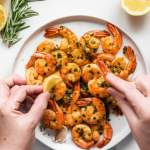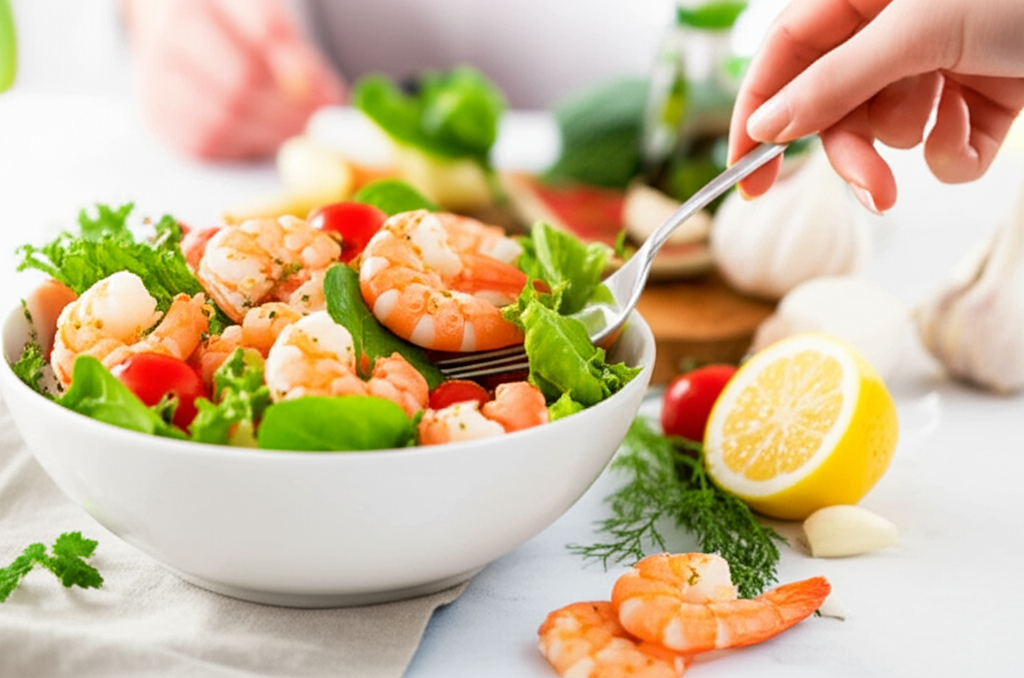

Yes, pure, unprocessed shrimp are naturally gluten-free. However, cross-contamination during preparation, cooking, or through added ingredients in processed shrimp products can introduce gluten. This guide will help you understand what to look for to ensure your shrimp are safe for a gluten-free diet.
Welcome, fellow shrimp enthusiasts! Have you ever found yourself staring at a plate of delicious shrimp, wondering if they’re a safe bet for your gluten-free lifestyle? It’s a common question, and honestly, it can feel a bit confusing. You want to enjoy tasty food, but you also need to be sure it’s safe. Don’t worry, navigating the world of shrimp and gluten doesn’t have to be tricky. We’re going to break it down simply, step-by-step. You’ll learn exactly what to look for, what to avoid, and how to keep your shrimp meals worry-free. Get ready to feel confident about your shrimp choices!
Understanding Gluten and Shrimp
Before we dive into the specifics of shrimp, let’s quickly touch on what gluten is. Gluten is a protein found in wheat, barley, and rye. For people with celiac disease, non-celiac gluten sensitivity, or wheat allergies, consuming gluten can cause a range of uncomfortable or even serious health issues. Symptoms can include digestive problems, fatigue, headaches, and skin reactions.
Now, how does this relate to shrimp? In their natural, unprocessed state, shrimp are aquatic crustaceans. They don’t contain gluten because they are not grains. Think of them as tiny, delicious swimmers in the ocean – no wheat fields out there! So, the answer to “are shrimp gluten free” in their purest form is a resounding yes.
However, the journey from the ocean to your plate can sometimes involve elements that introduce gluten. This is where the confusion often arises. It’s not the shrimp themselves, but what happens to them along the way.
The Simple Truth: Pure Shrimp are Gluten-Free
Let’s reiterate this for clarity:
Wild-caught or farmed, fresh, raw shrimp: These are inherently gluten-free. If you buy them whole, peeled and deveined, or in their shells, and they haven’t been seasoned or processed with anything else, they are safe.
Frozen shrimp (plain): Most plain frozen shrimp are also gluten-free. They are typically flash-frozen shortly after being caught or harvested, preserving their natural state. Always check the packaging to be sure, but typically, if it just says “shrimp” and nothing else, you’re good to go.
The key is to look for shrimp that are just… shrimp. No added sauces, marinades, breadings, or fillers.
When Can Shrimp Become Not Gluten-Free?
This is where we need to be a bit more watchful. Gluten can enter the picture through several common scenarios:
1. Breaded or Battered Shrimp: This is the most obvious culprit. Shrimp that are coated in breadcrumbs, flour, or batter are almost always not gluten-free. The breading is typically made from wheat flour.
2. Marinated or Seasoned Shrimp: Pre-marinated or seasoned shrimp can be a hidden source of gluten. Marinades and seasoning blends often contain soy sauce (which traditionally contains wheat), maltodextrin, or other gluten-containing ingredients as thickeners or flavor enhancers.
3. Sauces and Dips: If you’re having shrimp as part of a dish with a sauce, or served with a dip, the sauce or dip might contain gluten. Cream sauces, many stir-fry sauces, and even some cocktail sauces can have gluten-containing thickeners or ingredients.
4. Cross-Contamination: This is a significant concern, especially if you have celiac disease.
In Restaurants: If shrimp are cooked on the same grill, in the same fryer oil, or with the same utensils as gluten-containing foods (like breaded chicken or calamari), they can become contaminated.
In Your Kitchen: If you use the same cutting board, knives, or cooking surfaces for gluten-containing foods and then prepare your shrimp without thorough cleaning, cross-contamination can occur.
How to Ensure Your Shrimp are Gluten-Free: A Practical Guide
Navigating the grocery store and restaurant menus can be simpler with a few key strategies.
At the Grocery Store: Reading Labels is Key
When buying shrimp, whether fresh, frozen, or canned, always read the ingredient list.
Look for “Certified Gluten-Free”: This is the gold standard. Products with this certification have been tested and meet strict standards for gluten-free content.
Check the Ingredient List: If there’s no certification, scrutinize the ingredients. Avoid anything with wheat, barley, rye, malt, or brewer’s yeast. Be aware of terms like “modified food starch” or “dextrin” – while these can be derived from gluten-free sources like corn or tapioca, they can also come from wheat. If the source isn’t specified, it’s safer to avoid.
Beware of “May Contain” Statements: These are voluntary statements that manufacturers use when there’s a risk of cross-contamination during processing. If you are highly sensitive, it’s best to steer clear of products with these warnings.
Common Gluten-Containing Ingredients to Watch Out For in Shrimp Products:
| Ingredient Category | Examples of Gluten-Containing Ingredients | Potential Impact on Shrimp Products |
| :———————- | :—————————————- | :——————————————————————————————————————————————————————————————————————————————————————————————————————————————————————- |
| Flours & Grains | Wheat flour, all-purpose flour, breadcrumbs, farina, semolina, couscous, malt, barley malt, rye, oats (unless certified gluten-free) | Used in breading, batters, and sometimes as fillers or thickeners in processed shrimp items. |
| Sauces & Seasonings | Soy sauce (traditional), teriyaki sauce, Worcestershire sauce, some spice blends, bouillon cubes | Often used as marinades or flavorings. Traditional soy sauce is brewed with wheat. Many pre-made sauces use wheat-based thickeners or flavor enhancers. |
| Thickeners | Wheat starch, maltodextrin (sometimes wheat-derived), modified food starch (sometimes wheat-derived) | Used to achieve desired texture and consistency in sauces, glazes, and processed foods. If the source isn’t specified, assume it could be wheat. |
| Additives | Brewer’s yeast, caramel color (sometimes derived from barley) | Less common but can appear in some processed foods. |
Cooking at Home: Your Kitchen, Your Rules
Cooking shrimp at home offers the most control.
1. Start with Plain Shrimp: Buy fresh or frozen plain shrimp. This gives you a clean slate.
2. Prepare Your Workspace: Ensure your cutting boards, knives, and countertops are thoroughly cleaned, especially if you’ve recently handled gluten-containing foods.
3. Choose Gluten-Free Seasonings:
Use pure spices and herbs.
Opt for gluten-free soy sauce (tamari) or coconut aminos.
Check marinades and spice blends carefully or make your own.
4. Avoid Cross-Contamination During Cooking:
If you’re frying, use a dedicated fryer or ensure the oil is clean and hasn’t been used for breaded items.
If you’re grilling, use a clean grill or foil.
If you’re sautéing, use clean pans and utensils.
5. Serve with Gluten-Free Sides: Pair your shrimp with rice, quinoa, gluten-free pasta, or plenty of vegetables.
Here’s a simple recipe for delicious, gluten-free garlic butter shrimp:
Gluten-Free Garlic Butter Shrimp
This recipe is quick, easy, and highlights the natural flavor of shrimp.
Ingredients:
1 lb large shrimp, peeled and deveined
2 tablespoons olive oil or butter
4 cloves garlic, minced
1/4 cup gluten-free chicken or vegetable broth
2 tablespoons fresh lemon juice
2 tablespoons fresh parsley, chopped
Salt and black pepper to taste
Instructions:
1. Prep Shrimp: Pat the shrimp dry with paper towels. Season lightly with salt and pepper.
2. Sauté Garlic: Heat olive oil or butter in a large skillet over medium heat. Add minced garlic and cook until fragrant, about 1 minute. Be careful not to burn the garlic.
3. Cook Shrimp: Add the shrimp to the skillet in a single layer. Cook for 1-2 minutes per side, until pink and opaque. Avoid overcrowding the pan; cook in batches if necessary.
4. Add Liquids: Pour in the gluten-free broth and lemon juice. Stir to combine and scrape up any browned bits from the bottom of the pan.
5. Finish: Cook for another minute until the sauce slightly thickens. Stir in the fresh parsley.
6. Serve: Serve immediately.
This recipe relies on simple, naturally gluten-free ingredients. You can find great resources for gluten-free broths and seasonings at places like Celiac Disease Foundation, which also offers tips on reading labels and managing a gluten-free diet.
Eating Out: Navigating Restaurant Menus
Dining out requires extra vigilance.
1. Inform Your Server: Always tell your server you need a gluten-free meal. Be specific about your needs (e.g., “I have celiac disease and cannot have any gluten”).
2. Ask Specific Questions: Don’t be afraid to ask how the shrimp are prepared.
“Are the shrimp breaded or battered?”
“Are they cooked in a shared fryer or on a shared grill with gluten-containing items?”
* “What ingredients are in the sauce/marinade?”
3. Choose Wisely: Opt for grilled, steamed, or sautéed shrimp dishes with simple preparations. Avoid anything described as “crispy,” “fried,” or “breaded” unless the restaurant explicitly states they offer a gluten-free version and can guarantee no cross-contamination.
4. Consider Restaurant Certifications: Some restaurants are more knowledgeable about allergies and may have gluten-free menus or certifications.
A helpful resource for finding gluten-free friendly restaurants is the Gluten Intolerance Group, which provides information and resources for those managing a gluten-free lifestyle.
Shrimp vs. Other Seafood: A Quick Comparison
It’s helpful to know that the gluten-free status of shrimp is similar to many other plain seafood options.
| Seafood Type | Naturally Gluten-Free? | Potential Gluten Sources