
Are Shrimp Considered Fish? No, shrimp are not fish. They are crustaceans, a different type of aquatic animal. This guide will explain the key differences and why understanding this is important for shrimp keepers.
Have you ever wondered if your tiny, colorful aquarium shrimp are actually fish? It’s a super common question, especially when you’re just starting out in the fascinating world of aquatic pets! Sometimes, the lines between different types of underwater creatures can seem blurry. But don’t worry, we’re here to clear things up for you. Understanding the basic differences between shrimp and fish will help you provide the best care for your little swimmers. Let’s dive in and discover exactly what makes a shrimp a shrimp, and a fish a fish!
What Exactly is a Shrimp?
Shrimp are amazing little creatures! They belong to a much larger group of animals called crustaceans. Think of crabs, lobsters, and even barnacles – they’re all cousins to shrimp! What makes them special? They have a hard outer shell, called an exoskeleton, that they shed as they grow. This is a big clue that they aren’t fish.
Shrimp have a unique body structure. They have ten legs (five pairs!), with the front two pairs often having tiny claws for grabbing food. They also have antennae for sensing their surroundings and swim using their swimmerets, which are small legs under their belly. They breathe using gills, just like fish, but their gills are located differently.
What Exactly is a Fish?
Fish, on the other hand, are vertebrates. This means they have a backbone and an internal skeleton made of bone or cartilage. This is a fundamental difference! Fish typically have fins for swimming and a streamlined body shape. They also breathe through gills, but their gills are usually protected by a bony flap called an operculum.
Unlike shrimp, fish don’t shed their outer covering. They have scales, skin, or bony plates. Their limbs are fins, not jointed legs with claws. The way they move, eat, and grow is very different from how shrimp do it.
Key Differences: Shrimp vs. Fish
Let’s break down the main ways shrimp and fish are different. Knowing these points will help you understand why they need different care in your aquarium.
Here’s a simple table to highlight the key distinctions:
| Feature | Shrimp | Fish |
|---|---|---|
| Classification | Crustacean (Invertebrate) | Vertebrate |
| Skeleton | Exoskeleton (outer shell) | Internal skeleton (backbone) |
| Limbs | Jointed legs (often with claws) | Fins |
| Body Covering | Exoskeleton (sheds periodically) | Scales, skin, or bony plates (does not shed) |
| Breathing | Gills (internal, not covered by operculum) | Gills (covered by operculum) |
| Movement | Swimmerets, walking legs | Fins, tail |
| Antennae | Present | Absent |
Exoskeleton vs. Internal Skeleton
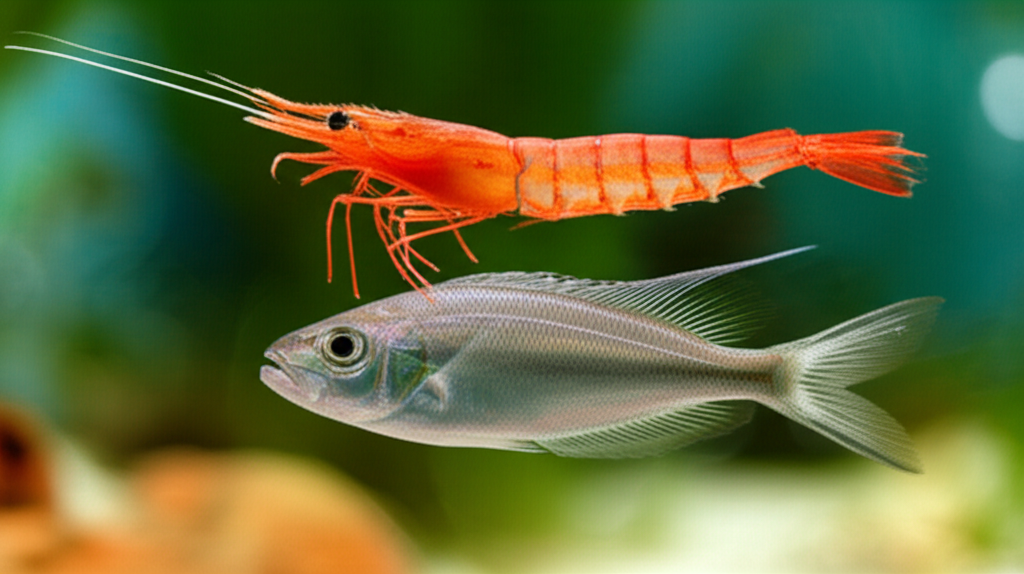
This is perhaps the most significant difference. Shrimp have an exoskeleton, which is a hard, protective outer shell. As a shrimp grows, it must shed this old shell and grow a new, larger one. This process is called molting. During molting, shrimp are very vulnerable.
Fish have an internal skeleton, just like humans! This skeleton provides support and protection for their organs and allows them to grow continuously without shedding.
Legs vs. Fins
Look closely at your shrimp. You’ll see they have jointed legs, perfect for walking along the substrate or clinging to plants. The front pairs often have tiny claws. Fish, on the other hand, have fins. Fins are made of bone or cartilage and are used for balance, steering, and propulsion through the water.
Molting: A Shrimp-Specific Phenomenon
Molting is a critical part of a shrimp’s life. When a shrimp outgrows its exoskeleton, it will find a safe spot, often in a dense plant or crevice, and shed its old shell. You might even find these shed shells in your tank – they look like ghostly, perfectly formed shrimp!
During this time, the shrimp is soft and defenseless. It’s crucial to have plenty of hiding places in your aquarium so they can molt safely. Fish do not molt in this way.
Breathing: Similar Function, Different Structure
Both shrimp and fish need to extract oxygen from the water, and they both use gills. However, the location and structure of their gills are different. Shrimp have gills that are part of their body structure, often protected by the carapace (the main body shell). Fish have their gills neatly arranged and protected by the operculum, the flap you see on the side of their head.
Sensory Organs: Antennae are Key!
Shrimp have a pair of long, sensitive antennae that they use to explore their environment, find food, and detect changes in water chemistry. Fish have different sensory organs, such as lateral lines that detect vibrations in the water.
Why Does This Distinction Matter for Aquarium Keeping?
Understanding that shrimp are not fish is vital for providing them with the right environment and care. Here’s why:
Water Parameters
Shrimp are much more sensitive to water quality than many common aquarium fish. They require stable conditions, and even small fluctuations in parameters like ammonia, nitrite, nitrate, and pH can be harmful or even deadly. Fish, especially hardier species, can often tolerate a wider range of water conditions.
For example, many beginner fish keepers might overfeed their fish, leading to excess waste. In a tank with fish, this might cause minor issues. In a tank with shrimp, the same overfeeding could quickly lead to toxic ammonia spikes that devastate the shrimp population.
Diet
Shrimp have different dietary needs than most fish. While some small fish might nibble on algae or tiny organisms, shrimp are primarily scavengers and detritivores. They graze on biofilm, algae, decaying plant matter, and leftover food particles. They also benefit from specialized shrimp foods that provide essential minerals and nutrients for molting and overall health.
Feeding fish pellets or flakes to shrimp isn’t ideal. While they might eat some of it, it doesn’t provide the balanced nutrition shrimp need. Overfeeding with large fish foods can also pollute the water, which is particularly dangerous for sensitive shrimp.
Tank Mates
Not all fish are good tank mates for shrimp. Some fish, even small ones, will see shrimp as a tasty snack. It’s important to choose fish that are peaceful and won’t try to eat your shrimp. Even if a fish isn’t a direct predator, aggressive or boisterous fish can stress shrimp, making them hide constantly and hindering their ability to eat and molt safely.
For instance, betta fish, while beautiful, can be very predatory towards shrimp. Similarly, larger, faster-moving fish can outcompete shrimp for food and create a stressful environment.
Tank Setup and Environment
Shrimp thrive in tanks with plenty of hiding places. Dense plants, mosses, driftwood, and small caves provide security, especially during molting. They also appreciate smooth substrates like sand or fine gravel, as rougher substrates can injure their delicate bodies.
Fish tanks might be set up with larger gravel or more open swimming spaces, which might not be ideal for shrimp. The water flow in a fish tank can also be too strong for tiny shrimp.
Common Misconceptions and Clarifications
It’s easy to get confused when you see a shrimp swimming or scavenging in an aquarium alongside fish. Let’s address some common thoughts:
“They swim, so they must be fish.” Many aquatic animals swim, not just fish! Shrimp use their swimmerets to move around, and some can even dart backward quickly. This swimming ability is common in many invertebrates.
“They live in water, so they’re fish.” This is a very broad definition. Many creatures live in water, including amphibians, aquatic insects, and various invertebrates. Living in water doesn’t automatically make something a fish.
“They have gills, so they are fish.” As we discussed, while both use gills, the structure and location are different, and having gills is common to many aquatic animals, not just fish.
Shrimp as Pets: A Beginner’s Guide
If you’re thinking about keeping shrimp, they make fantastic and rewarding pets! They are peaceful, fascinating to watch, and come in an incredible array of colors and patterns.
Popular Shrimp Varieties for Beginners
Cherry Shrimp (Neocaridina davidi): These are probably the most popular beginner shrimp. They are hardy, come in vibrant reds, oranges, yellows, and blues, and are relatively easy to breed.
Amano Shrimp (Caridina multidentata): Known for their excellent algae-eating abilities, Amano shrimp are larger and more robust than cherry shrimp. They won’t breed in freshwater, which can be a plus for some keepers.
Ghost Shrimp (Palaemonetes paludosus): These are very common and inexpensive. They are translucent and quite hardy, making them a good introduction to shrimp keeping.
Setting Up a Shrimp Tank
Keeping shrimp is often simpler than keeping many types of fish, especially when you focus on their specific needs.
Essential Equipment:
Aquarium: A 5-10 gallon tank is a great starting point for shrimp.
Filter: A gentle filter is crucial. Sponge filters are excellent for shrimp tanks as they provide filtration without strong suction that could harm baby shrimp (shrimplets). You can learn more about aquarium filters on resources like the U.S. Fish and Wildlife Service.
Heater (Optional): Depending on your room temperature and the shrimp species, a heater might be necessary to maintain stable temperatures.
Substrate: Sand or fine gravel is best.
Water Conditioner: Essential for removing chlorine and chloramines from tap water.
Water Testing Kit: To monitor ammonia, nitrite, nitrate, and pH.
Food: Specialized shrimp food, blanched vegetables (like spinach or zucchini), and algae wafers.
Step-by-Step Tank Setup:
1. Rinse Everything: Thoroughly rinse your aquarium, substrate, and any decorations with plain water. Avoid using soap or detergents!
2. Add Substrate: Place your rinsed substrate at the bottom of the tank.
3. Place Decorations: Add driftwood, rocks, and plants. Ensure plants are aquarium-safe. Live plants are highly beneficial for shrimp as they provide food and hiding places.
4. Install Filter and Heater: Set up your filter and heater if using one.
5. Fill with Water: Gently fill the tank with dechlorinated water. You can place a plate or plastic bag on the substrate to avoid disturbing it.
6. Cycle the Tank: This is the most important step before adding any livestock. Cycling establishes beneficial bacteria that break down toxic waste products. This process can take 4-8 weeks. You can learn more about the nitrogen cycle from educational institutions like The University of Arizona Cooperative Extension.
7. Test Water Parameters: Once cycled, test your water to ensure ammonia and nitrite are zero, and nitrates are low.
8. Acclimate Shrimp: When you’re ready, carefully acclimate your new shrimp to your tank’s water. This involves slowly introducing your tank water into the bag or container the shrimp came in over an hour or two.
9. Add Shrimp: Gently place your acclimated shrimp into the aquarium.
Shrimp Care Essentials
Feeding: Feed sparingly, only what they can consume in a few minutes, 2-3 times a week. Overfeeding is a common mistake that can harm your shrimp and pollute the tank.
Water Changes: Perform small, regular water changes (10-20% weekly) using dechlorinated water that matches the tank’s temperature.
Observation: Watch your shrimp daily for signs of stress, illness, or successful molting.
Breeding: If you keep a colony of a single species (like Cherry Shrimp), they will likely breed on their own in a well-maintained tank. It’s a joy to see tiny shrimplets darting around!
Troubleshooting Common Shrimp Issues
Even with the best intentions, you might encounter a few bumps along the way. Here are some common issues and how to address them:
Shrimp Not Moving Much
Cause: Could be stress from new environment, poor water quality, or they are about to molt.
Solution: Check water parameters immediately. Ensure they have plenty of hiding spots. If they are newly introduced, give them a few days to adjust.
Shrimp Dying After Molting
Cause: Often due to insufficient calcium or minerals in the water, which are needed to harden the new exoskeleton. Poor water quality can also stress them during molting.
Solution: Ensure your water has adequate mineral content. Specialized shrimp mineral supplements can help. Maintain pristine water quality.
Shrimp Not Breeding
Cause: May be due to insufficient numbers of males and females, poor water quality, lack of suitable food, or stress.
Solution: Ensure you have a good male-to-female ratio. Check water parameters and diet. Provide a stable, low-stress environment.
Frequently Asked Questions About Shrimp and Fish
Q1: Are shrimp and fish compatible tank mates?
A1: Some fish are compatible with shrimp, but many are not. It’s best to choose small, peaceful fish that won’t prey on or stress your shrimp. Examples of generally safe tank mates include small tetras, corydoras catfish, and certain rasboras. Avoid aggressive, fin-nipping, or large predatory fish.
Q2: Do shrimp need a filter?
A2: Yes, shrimp need filtration to keep their water clean and healthy. However, they require gentle filtration. Sponge filters are highly recommended because they provide excellent biological filtration and have no strong suction that could harm shrimplets.
Q3: Can I keep shrimp in a fish tank without a separate setup?
A3: You can, but it requires careful planning. If you want to keep shrimp with fish, you must* ensure the fish are not predatory and that the water parameters required by the shrimp (which are often stricter) are met and stable. Providing ample hiding places for the shrimp is crucial.
Q4: What do shrimp eat?
A4: Shrimp are primarily scavengers and grazers. They eat biofilm (a layer of microorganisms on surfaces), algae, decaying plant matter, and leftover fish food. Specialized shrimp foods, blanched vegetables (like zucchini, spinach, or kale), and small amounts of high-quality fish flakes can also be offered.
Q5: How often should I feed my shrimp?
A5: Feed your shrimp sparingly, only what they can consume within a few minutes, about 2-3 times per week. Overfeeding is a common mistake that can lead to poor water quality and health issues for your shrimp.
Q6: What are the biggest differences between shrimp and fish?
A6: The biggest differences are that shrimp are invertebrates with an exoskeleton that they shed (molt), while fish are vertebrates with an internal skeleton. Shrimp have jointed legs, and fish have fins. They also have different reproductive methods and sensory organs.
Q7: Why are shrimp so sensitive to water quality?
A7: Shrimp, especially their delicate gills and exoskeletons, are highly susceptible to changes in water chemistry. They lack the robust systems that many fish have to cope with pollutants like ammonia and nitrite. Stable water parameters are key to their survival and well-being.
Conclusion: Celebrating Our Aquatic Friends
So, to wrap it all up: no, shrimp are definitely not fish! They are fascinating crustaceans with their own unique biology and needs. Understanding these differences is the first step to becoming a successful and confident shrimp keeper.
Whether you’re adding a few colorful cherry shrimp to a planted tank or keeping a dedicated colony of crystal red shrimp, the reward is immense. Watching them interact, graze, and even breed is a captivating experience. Remember to focus on stable water parameters, provide a safe and enriching environment, and feed them appropriately.
You’ve got this! With this knowledge, you’re well on your way to creating a thriving aquatic world for your shrimp. Happy shrimping!