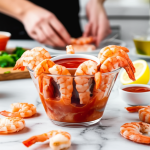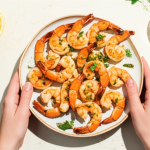

Shrimp cocktail is not raw. It is fully cooked, typically by boiling or steaming, before being chilled and served with sauce. This cooking process makes them safe and delicious to eat.
Welcome, fellow shrimp enthusiasts! Have you ever found yourself staring at a succulent shrimp cocktail and wondering, “Wait, is this actually raw?” It’s a question that pops up surprisingly often, especially when you’re diving into the fascinating world of aquatic life and, by extension, the culinary delights that come from the water. Understanding whether shrimp are cooked or raw is super important, not just for your dining pleasure, but also as you learn about the creatures themselves. Many beginners worry about serving their shrimp the right way, or even understanding what they’re eating. Don’t fret! This guide is here to clear up all the confusion. We’ll break down exactly what goes into making that classic shrimp cocktail, making sure you feel confident and informed. Get ready to become a shrimp expert, one delicious fact at a time!
Understanding the “Raw” Misconception: What’s Really Going On?
It’s easy to see a perfectly chilled, pinkish shrimp and assume it hasn’t seen the heat of a stove. This is a common misconception, especially when we think about other seafood that is often served raw, like sushi-grade fish. But when it comes to that iconic shrimp cocktail, the story is quite different. The vibrant pink color and firm texture we associate with shrimp cocktail are actually signs of it being fully cooked. This is a crucial distinction for anyone curious about food safety and preparation methods. Let’s dive deeper into why this confusion exists and what the reality is for your plate.
The Cooking Process: From Shell to Cocktail
Shrimp cocktail isn’t just plucked from the water and plated! There’s a deliberate process that ensures safety and enhances flavor. Here’s a breakdown of how those popular shrimp get ready for their starring role:
1. Sourcing and Cleaning
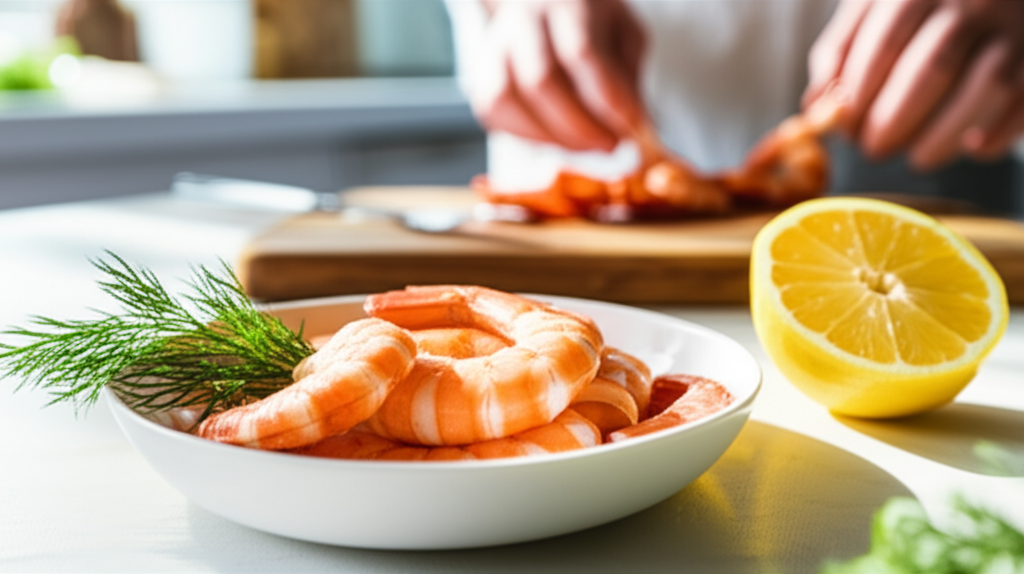
The journey begins with sourcing high-quality shrimp. Whether wild-caught or farmed, reputable suppliers ensure the shrimp are handled properly from the moment they are harvested. This involves careful cleaning to remove any debris or impurities.
2. The Cooking Method
The most common method for preparing shrimp for cocktail is poaching or boiling. This involves simmering the shrimp in seasoned water or broth until they turn opaque and firm. Steaming is another popular method, offering a gentler way to cook the shrimp while retaining moisture.
- Boiling: Shrimp are typically boiled in water seasoned with salt, lemon, and sometimes aromatics like bay leaves or peppercorns. The cooking time is short, usually just 2-4 minutes, depending on the size of the shrimp. Overcooking can make them tough.
- Steaming: Steaming is a fantastic alternative. It uses moist heat to cook the shrimp evenly. Like boiling, it’s a quick process, ensuring the shrimp remain tender.
The key here is that the shrimp are cooked until they reach an internal temperature that makes them safe to eat. This usually means they turn from translucent gray to opaque pink or white.
3. Chilling and Peeling
Once cooked, the shrimp are immediately plunged into an ice bath. This rapid cooling stops the cooking process, preventing them from becoming overcooked and rubbery. It also helps to firm up their texture. After chilling, they are typically peeled and deveined, leaving just the tail on for easy handling and an appealing presentation.
4. Serving
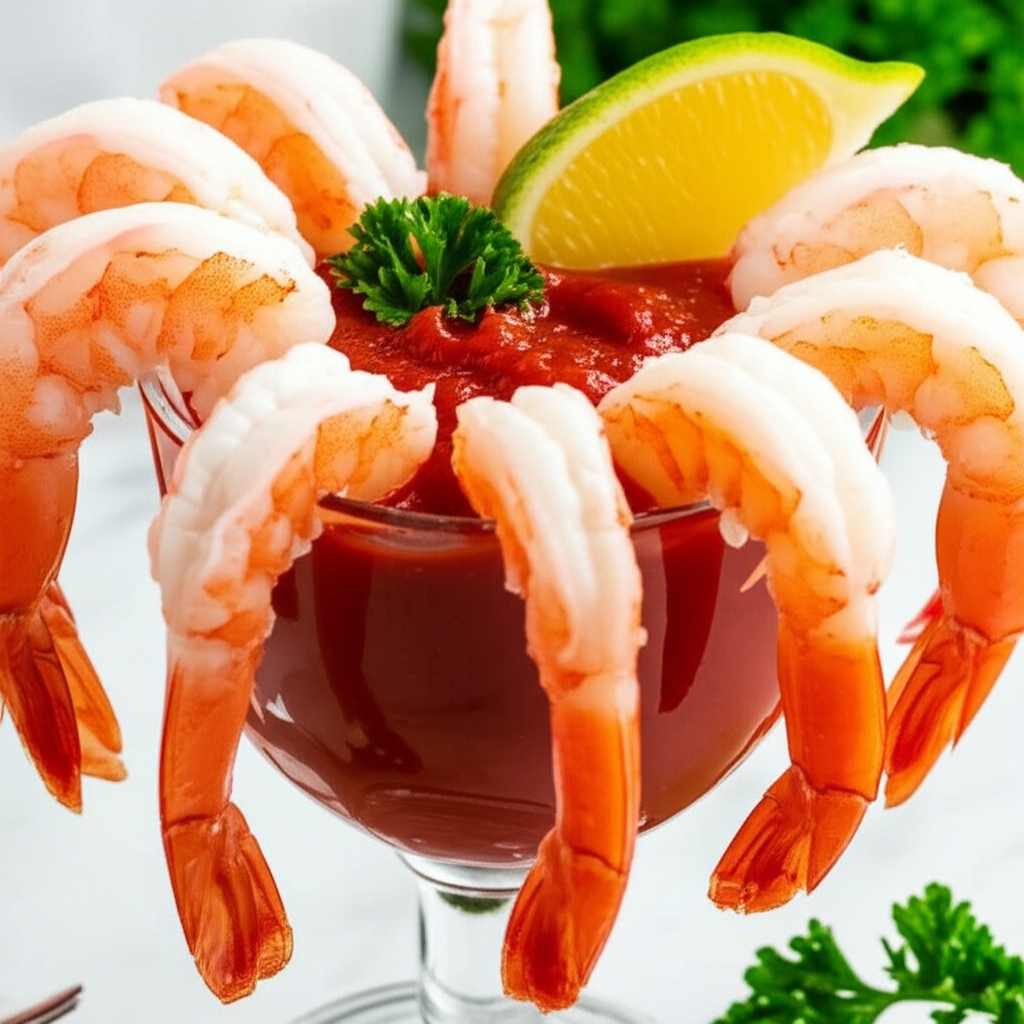
Finally, the chilled, cooked shrimp are arranged attractively, often around a central bowl of cocktail sauce. The sauce, usually a tangy mixture of ketchup, horseradish, Worcestershire sauce, and lemon juice, complements the sweet, mild flavor of the shrimp.
Why the “Raw” Question Matters
Understanding if shrimp cocktail is raw is more than just a trivia point. It touches on several important aspects:
- Food Safety: Raw seafood carries a higher risk of foodborne illnesses if not handled and prepared with extreme care. Knowing shrimp cocktail is cooked provides peace of mind regarding safety.
- Culinary Expectations: Different cooking methods yield different textures and flavors. Knowing shrimp cocktail is cooked helps set expectations for taste and mouthfeel.
- Aquarium Keeping Parallels: For those of us who love keeping aquarium shrimp, understanding the life cycle and dietary needs of our tiny aquatic friends is paramount. While we don’t eat our aquarium shrimp, the principles of proper care, diet, and understanding their biology are all connected. For instance, knowing what’s safe and healthy for a shrimp to consume in its natural environment or aquarium is a core part of successful shrimp keeping. For example, understanding that certain algae blooms or bacterial cultures are beneficial for aquarium shrimp, much like how proper cooking is essential for human consumption of shrimp.
Shrimp vs. Other Seafood: A Quick Comparison
It’s helpful to compare shrimp cocktail to other popular seafood preparations to highlight the differences:
| Seafood Item | Common Preparation | Raw or Cooked? | Key Characteristics |
|---|---|---|---|
| Shrimp Cocktail | Boiled or Steamed, then Chilled | Cooked | Pink, firm, opaque flesh; served cold with sauce. |
| Sushi/Sashimi (Fish) | Raw, sliced | Raw (with specific handling/sourcing) | Translucent, tender flesh; delicate flavor. Requires “sushi-grade” certification. |
| Oysters | Raw on the half shell | Raw | Briny, often slimy texture; served cold. |
| Scallops (Crudo/Carpaccio) | Thinly sliced, raw | Raw | Sweet, tender, slightly chewy; often dressed with oil and citrus. |
| Cooked Shrimp (e.g., Fried, Grilled) | Fried, grilled, sautéed | Cooked | Varied textures and flavors depending on method; served hot or cold. |
As you can see, shrimp cocktail falls firmly into the “cooked” category. This distinction is vital for anyone concerned about food safety and understanding culinary preparations.
Aquarium Shrimp: A Different World Entirely
Now, let’s gently shift our focus from the dinner plate to the aquarium. While the word “shrimp” is the same, the context is worlds apart! Our beloved aquarium shrimp, like Cherry Shrimp, Amano Shrimp, or Crystal Red Shrimp, are kept for their beauty, fascinating behaviors, and their role in a balanced ecosystem. We admire them, care for them, and observe them. We absolutely do not eat them!
Why We Don’t Eat Aquarium Shrimp
- Size: Most aquarium shrimp are quite small, making them impractical for consumption.
- Diet: They are fed specialized foods and consume biofilm and algae in the tank. Their diet is optimized for their health and well-being, not for human palatability or safety.
- Hygiene: Aquarium tanks, while maintained for the shrimp, are not sterile environments suitable for preparing food for human consumption.
- Ethical Considerations: The joy of keeping aquarium shrimp comes from nurturing them and appreciating their lives. Eating them would contradict the fundamental principles of responsible pet ownership and aquarium keeping.
Think of it this way: we use different tools and methods for different purposes. A delicate paintbrush is for art, while a sturdy shovel is for gardening. Similarly, edible shrimp are prepared for eating, and our aquarium shrimp are cared for as cherished pets and living additions to our aquascapes.
Caring for Your Aquarium Shrimp: Essential Knowledge
Since we’re talking about shrimp, let’s touch on what makes our little aquatic friends thrive. Understanding their needs is key to a successful and rewarding hobby. It’s all about creating the right environment and providing the right care.
1. Water Parameters: The Foundation
Aquarium shrimp are sensitive to water quality. Maintaining stable parameters is crucial. Here’s a general overview, but always research the specific needs of your shrimp species:
- Temperature: Most common dwarf shrimp prefer temperatures between 68-75°F (20-24°C).
- pH: A stable pH, often between 6.5-7.5, is generally preferred.
- GH (General Hardness) and KH (Carbonate Hardness): These are vital for exoskeleton development and molting. Specific ranges vary by species, but generally, shrimp need GH between 7-10 dGH and KH between 2-6 dKH. You can use GH/KH booster products to adjust these if needed.
- Ammonia, Nitrite, Nitrate: These should always be at 0 ppm. A cycled aquarium is essential.
For more detailed information on water parameters, the U.S. Environmental Protection Agency provides extensive resources on water quality standards, which, while broad, highlight the importance of pristine water conditions for aquatic life.
2. Tank Setup: Creating a Shrimp Paradise
A well-designed tank supports healthy shrimp.
- Substrate: Inert substrates like sand or fine gravel are usually best. Some shrimp, like Caridina species, may require specialized substrates that buffer pH and GH.
- Filtration: Gentle filtration is key. Sponge filters are highly recommended as they are safe for baby shrimp and provide biological filtration. Avoid filters with strong suction that could harm tiny shrimplets.
- Decorations: Provide plenty of hiding places. Live plants, driftwood, cholla wood, and rocks offer surfaces for biofilm growth (a primary food source) and safe spaces for molting and breeding.
- Lighting: Moderate lighting is usually sufficient, especially if you have live plants. Avoid intense lighting that can stress shrimp.
3. Diet: More Than Just Algae
While biofilm and algae are staples, supplementary feeding is important.
- Shrimp-Specific Foods: High-quality commercial shrimp foods are formulated with the necessary minerals and nutrients.
- Blanched Vegetables: Spinach, zucchini, and kale can be blanched and offered occasionally.
- Protein Sources: Once in a while, a tiny piece of protein like a bloodworm or brine shrimp can be offered, but sparingly.
It’s important not to overfeed. Uneaten food can quickly foul the water. A good rule of thumb is to only feed what they can consume within a couple of hours.
4. Molting: The Delicate Process
Shrimp molt their exoskeletons to grow. This is a vulnerable time. Ensuring adequate minerals (GH) in the water is critical for successful molting. Signs of molting issues can include soft shells or difficulty shedding.
5. Breeding: A Rewarding Experience
Many dwarf shrimp species are prolific breeders in the right conditions. Seeing shrimplets (baby shrimp) grow and explore the tank is one of the most rewarding aspects of the hobby!
Common Beginner Mistakes and How to Avoid Them
Starting out can have a learning curve, but avoiding these common pitfalls will set you up for success:
- Overfeeding: Leads to poor water quality and potential health issues. Feed sparingly.
- Ignoring Water Parameters: Fluctuating or incorrect parameters are the leading cause of shrimp death. Test your water regularly.
- Incompatible Tank Mates: Aggressive fish or larger invertebrates can prey on shrimp or outcompete them for food. Stick to peaceful tank mates.
- Adding Shrimp to an Uncycled Tank: This is a recipe for disaster. Always cycle your aquarium before adding any livestock. You can learn more about the nitrogen cycle from resources like the Fishkeeping World, which offers clear guides on establishing a healthy biological filter.
- Sudden Changes: Shrimp are sensitive to sudden shifts in temperature, pH, or water chemistry. Acclimate new shrimp slowly and make any water changes gradually.
Frequently Asked Questions About Shrimp Cocktail and Shrimp Keeping
Let’s address some common questions to solidify your understanding.
Are shrimp cocktail raw or cooked?
Shrimp cocktail is always cooked. They are typically boiled or steamed until opaque and then chilled before serving.
Why do shrimp turn pink when cooked?
The pink color comes from a pigment called astaxanthin, which is present in the shrimp’s shell. When heated, this pigment is released, causing the characteristic pink color change.
Is it safe to eat raw shrimp?
While some cultures consume certain types of raw shrimp prepared with specific methods (like ceviche, where acid “cooks” the shrimp), it generally carries a higher risk of bacterial or parasitic infections compared to cooked shrimp. Shrimp cocktail is specifically prepared using heat for safety.
What is the best way to cook shrimp for cocktail?
Boiling or steaming are the most common and effective methods. The goal is to cook them quickly until just opaque to maintain a tender texture.
Do aquarium shrimp need special water?
Yes, aquarium shrimp are sensitive to water parameters. They require stable temperatures, specific pH ranges, and crucially, the correct levels of General Hardness (GH) and Carbonate Hardness (KH) for molting. Always research the specific needs of your shrimp species.
Can I put aquarium shrimp in my fish tank?
It depends on the tank mates. Peaceful, small fish like nano rasboras or certain tetras can be compatible. However, avoid housing them with aggressive fish, larger fish that might eat them, or even some snails that can outcompete them for food.
How do I know if my aquarium shrimp are healthy?
Healthy shrimp are active, graze on biofilm, and will often be seen breeding. Look for vibrant colors (for their species), good mobility, and successful molting. Lethargy, hiding excessively, or visible distress can indicate a problem.
Conclusion: Confidence in Your Shrimp Knowledge
So, to definitively answer the question: no, shrimp cocktail is not raw! It’s a delicious, fully cooked delicacy. This knowledge not only satisfies culinary curiosity but also reinforces the importance of understanding preparation methods for food safety. For us aquarium keepers, it’s a gentle reminder that while the name is the same, our tiny aquatic friends have entirely different needs and purposes. We nurture them, providing stable water, suitable environments, and appropriate diets to ensure their health and happiness. Remember, the aquarium hobby is a journey of learning and observation. By understanding the basics of water parameters, tank setup, and diet, you’re well on your way to becoming a confident and successful shrimp keeper. Enjoy the fascinating world of your aquarium shrimp – they bring so much life and wonder to our homes!