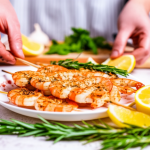

Are shrimp bad for dogs? Generally, plain, cooked shrimp are safe and healthy for dogs in moderation. However, raw shrimp, seasoned shrimp, or shrimp given as a frequent treat can pose risks. Always ensure shrimp is plain, cooked, and offered in small quantities to avoid digestive upset or allergic reactions.
Welcome, fellow shrimp enthusiasts! It’s Luna Grace here, ready to dive into a question that pops up surprisingly often in the aquarium world, but with a twist: the health of our aquatic friends versus the well-being of our furry companions. You might be wondering, “Are shrimp bad for dogs?” It sounds a bit unusual, but it’s a valid concern for pet owners who also have aquariums or are curious about what their dogs might get into. Many beginners worry about whether their beloved dogs could accidentally ingest shrimp from the tank or if feeding shrimp to dogs is a good idea. It can feel overwhelming trying to find clear, simple answers, but don’t worry! We’ll break down everything you need to know, step-by-step, to keep both your aquarium shrimp and your canine pals safe and sound. Let’s get your questions answered and build your confidence in managing your aquatic pets and your home environment!
Understanding Shrimp and Canine Consumption
It’s easy to get confused when we think about feeding our pets. When we talk about “shrimp” in the context of dogs, we need to be very clear about what kind of shrimp we mean and how they are prepared. The shrimp that live in your meticulously maintained aquarium are delicate creatures, and the shrimp that might be a treat for your dog are very different.
For your dog, the idea of eating shrimp usually comes up as a potential dietary addition or, unfortunately, as a risk if they get into something they shouldn’t. The key to understanding if shrimp are bad for dogs lies in the preparation, the quantity, and the individual dog’s health.
Nutritional Benefits of Shrimp for Dogs
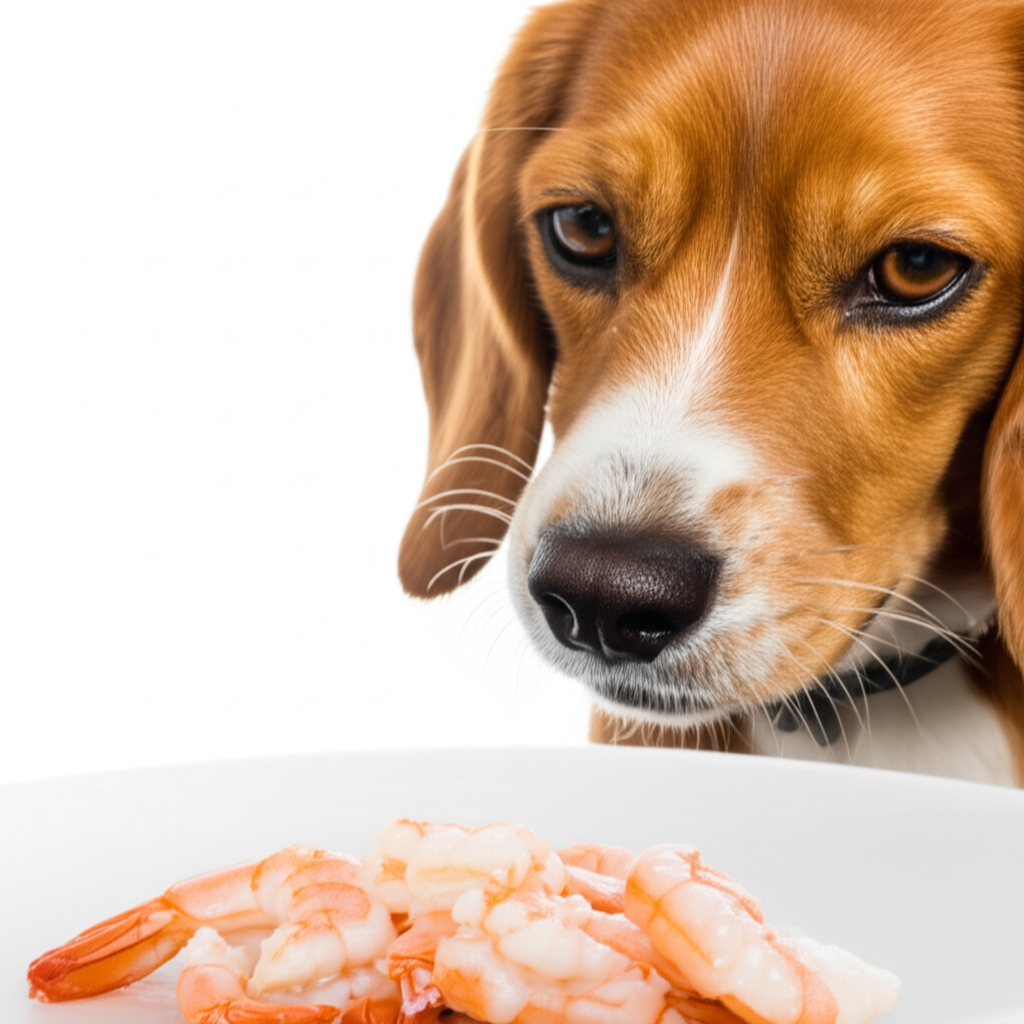
When prepared correctly, shrimp can actually be a nutritious treat for dogs. They are a good source of:
- Lean Protein: Essential for muscle building and repair.
- Vitamins: Such as Vitamin B12, which is crucial for nerve function and red blood cell formation.
- Minerals: Including phosphorus for bone health and selenium, an antioxidant that supports the immune system.
- Omega-3 Fatty Acids: These can contribute to healthy skin and a shiny coat.
The American Kennel Club (AKC) often discusses various safe foods for dogs, and plain, cooked shrimp is usually on the list of acceptable, occasional treats. This reinforces the idea that it’s not the shrimp itself, but how it’s given, that matters.
Potential Risks of Feeding Shrimp to Dogs
While beneficial in moderation, several factors can make shrimp problematic for dogs:
- Shells and Tails: These are choking hazards and can cause intestinal blockages or internal damage due to their sharp edges.
- Seasonings and Cooking Methods: Garlic, onions, salt, and other spices commonly used in human shrimp dishes are toxic to dogs. Deep-frying adds unhealthy fats.
- Allergic Reactions: Like humans, some dogs can be allergic to shellfish, leading to symptoms like itching, vomiting, or diarrhea.
- Digestive Upset: Even plain shrimp can cause stomach issues if a dog eats too much, especially if they aren’t used to it.
- Choline Content: Shrimp contains choline, which is generally good, but excessive amounts could potentially lead to issues for some dogs, though this is less common than other risks.
Safe Preparation of Shrimp for Canine Consumption
If you decide to offer shrimp as a treat to your dog, preparation is paramount. Think of it like preparing a healthy meal for yourself – you wouldn’t eat raw shrimp with garlic and butter, and your dog shouldn’t either!
Step-by-Step Guide to Preparing Shrimp for Dogs
Follow these simple steps to ensure you’re offering shrimp safely:
- Choose Plain Shrimp: Purchase raw, fresh, or frozen shrimp. Avoid any pre-seasoned, breaded, or cooked shrimp meant for human consumption.
- Thaw if Frozen: If using frozen shrimp, thaw them completely. You can do this by placing them in the refrigerator overnight or running them under cool water.
- Peel and Devein: Remove the shell, tail, and the dark vein (digestive tract) running along the back of the shrimp. These parts are indigestible and can cause harm.
- Cook Thoroughly: The safest cooking methods are boiling or steaming. Cook the shrimp until they turn pink and opaque. This kills any potential bacteria and makes them easier to digest.
- Cool Down: Allow the cooked shrimp to cool completely before offering them to your dog. Hot food can burn their mouth.
- Serve in Moderation: Cut the cooked shrimp into small, bite-sized pieces appropriate for your dog’s size. A few small pieces as an occasional treat are usually sufficient.
What to Avoid When Preparing Shrimp for Dogs
This is just as important as knowing what to do. Steer clear of these:
- Garlic and Onions: These are highly toxic to dogs and can cause severe gastrointestinal upset and damage to red blood cells.
- Salt and Other Seasonings: Excessive sodium can lead to dehydration and sodium ion poisoning.
- Oils and Butter: While small amounts might not be immediately harmful, they add unnecessary fat and calories, which can contribute to pancreatitis or obesity.
- Shells and Tails: As mentioned, these are a significant hazard.
- Raw Shrimp: Raw shrimp can carry bacteria like Salmonella and Listeria, which can make both dogs and humans sick.
Aquarium Shrimp vs. Edible Shrimp: A Crucial Distinction
It’s vital to understand that the tiny shrimp you see in your aquarium are not the same as the shrimp people eat. Aquarium shrimp, like Neocaridina or Caridina species, are primarily ornamental and are not intended for human or canine consumption. They are bred for their colors and patterns and kept in specialized aquatic environments.
Table 1: Aquarium Shrimp vs. Edible Shrimp
| Feature | Aquarium Shrimp (e.g., Cherry Shrimp) | Edible Shrimp (e.g., Pacific White Shrimp) |
|---|---|---|
| Purpose | Ornamental, bio-filtration, algae control | Food source for humans and sometimes pets |
| Size | Small (0.5 – 1.5 inches) | Medium to large (1 – 8 inches) |
| Habitat | Freshwater aquariums | Saltwater, brackish water, aquaculture farms |
| Diet | Algae, biofilm, specialized shrimp food | Varied (plankton, detritus, specialized feed) |
| Preparation for Consumption | Not recommended or intended | Cooked, de-shelled, de-veined for human/pet consumption |
| Potential Risks if Ingested by Dog | Low nutritional value, potential for intestinal blockage if large quantity, may carry aquarium-specific bacteria/medications. | Choking hazard (raw/unprepared), digestive upset, allergic reaction, toxicity from seasonings, bacterial contamination (raw). |
The shrimp in your aquarium are living organisms that require very specific water parameters and a specialized diet. They are not a food source for your dog. In fact, allowing your dog access to your aquarium could be detrimental to both your dog and your shrimp. Dogs might try to drink aquarium water, which can contain medications or impurities harmful to them. They might also attempt to “fish” for your shrimp, which is stressful for the shrimp and could lead to injury or death for both the shrimp and potentially the dog if they ingest tank decorations or other materials.
How Much Shrimp Can a Dog Eat?
Moderation is the golden rule. For most dogs, a few small pieces of plain, cooked shrimp as an occasional treat are sufficient. Think of it as a small supplement to their balanced diet, not a meal replacement.
- Small Dogs: 1-2 small pieces (about 1/2 inch square).
- Medium Dogs: 2-3 small pieces.
- Large Dogs: 3-4 small pieces.
Always observe your dog after giving them a new food, even in small amounts, to check for any adverse reactions. If your dog has a sensitive stomach or a history of allergies, it’s best to consult your veterinarian before introducing shrimp or any new food to their diet.
What If My Dog Ate Aquarium Shrimp?
If your dog managed to get their paws on one of your aquarium shrimp, don’t panic, but do take action. The immediate concern is usually not toxicity, but rather a potential physical obstruction or mild digestive upset.
Immediate Steps:
- Assess the Situation: How many shrimp did your dog eat? Are they acting normally?
- Monitor Closely: Watch your dog for any signs of distress, such as vomiting, diarrhea, lethargy, loss of appetite, or straining to defecate.
- Prevent Further Access: Ensure your aquarium is secure and your dog cannot reach it.
- Contact Your Vet: If you notice any concerning symptoms, or if your dog ate a significant number of shrimp, it’s always best to call your veterinarian. They can provide specific advice based on your dog’s size and health history.
Aquarium shrimp are very small, so a single shrimp is unlikely to cause a serious problem for most dogs. However, if your dog has a habit of eating things they shouldn’t, it’s a good indicator that your aquarium needs better security measures. Many aquarium hobbyists use aquarium lids or create barriers to keep curious pets out. For example, a sturdy aquarium lid can prevent accidental ingestion and keep other things from falling into the tank.
What If My Dog Ate Cooked Shrimp (Prepared for Humans)?
If your dog ate shrimp that was prepared for human consumption, the risks are higher, especially if it was seasoned. Here’s what to do:
Immediate Steps:
- Identify Ingredients: Try to recall all the ingredients used in the shrimp dish. Pay close attention to garlic, onions, chives, and excessive salt.
- Assess Quantity: How much did your dog eat? A small, unseasoned piece is very different from a large portion of heavily seasoned shrimp.
- Monitor for Symptoms: Watch for signs of gastrointestinal upset (vomiting, diarrhea), lethargy, weakness, pale gums, or difficulty breathing. Symptoms related to garlic or onion toxicity can take several hours to appear.
- Contact Your Veterinarian or Pet Poison Helpline: This is crucial, especially if the shrimp contained toxic ingredients or if your dog shows any symptoms. For immediate advice, you can contact the ASPCA Animal Poison Control Center at (888) 426-4435 or the Pet Poison Helpline at (855) 764-7661 (a consultation fee may apply).
It’s important to be aware of common toxic foods for dogs. Resources like the FDA’s guidelines on pet food safety can also offer broader insights into what to avoid feeding your pets.
FAQ: Your Top Shrimp and Dog Questions Answered
Let’s address some common questions beginner shrimp keepers and dog owners might have.
1. Can my dog eat my aquarium shrimp?
It’s strongly advised against. Aquarium shrimp are not meant for canine consumption. While a single, small aquarium shrimp is unlikely to cause severe harm, it offers little nutritional value and could potentially lead to a mild stomach upset or a blockage if many are ingested. More importantly, it’s a sign that your dog might have access to your tank, which can be dangerous for both the dog and the shrimp.
2. Is cooked shrimp safe for dogs?
Yes, plain, cooked shrimp (boiled or steamed, de-shelled and de-veined) can be a safe and healthy occasional treat for dogs in moderation. Ensure it is completely plain, with no seasonings, oils, or butter.
3. What are the dangers of feeding my dog seasoned shrimp?
Seasonings like garlic, onions, salt, and pepper can be toxic or harmful to dogs. Garlic and onions are particularly dangerous as they can damage a dog’s red blood cells, leading to anemia. Excessive salt can cause dehydration and sodium poisoning.
4. What should I do if my dog eats shrimp shells?
Shrimp shells are sharp and can cause internal damage or blockages. If your dog eats shells, monitor them closely for vomiting, diarrhea, abdominal pain, or straining to defecate. Contact your veterinarian immediately if you notice any of these symptoms or if you are concerned.
5. Can shrimp cause allergies in dogs?
Yes, just like humans, some dogs can develop allergies to seafood, including shrimp. Symptoms of an allergic reaction can include itching, hives, vomiting, diarrhea, and in severe cases, anaphylaxis. If you suspect your dog has an allergy, stop feeding them shrimp and consult your veterinarian.
6. How often can I feed my dog shrimp?
Shrimp should only be given as an occasional treat, not as a regular part of their diet. A few small pieces once or twice a week is generally considered safe for most dogs, depending on their size and overall diet. Always prioritize a balanced commercial dog food diet.
7. What are the signs my dog has eaten something bad?
General signs that your dog has eaten something harmful include vomiting, diarrhea, loss of appetite, lethargy, abdominal pain, bloating, excessive thirst or urination, pale gums, or difficulty breathing. If you observe any of these symptoms, contact your veterinarian or a pet poison control center immediately.
Conclusion: A Balanced Approach to Pet and Aquatic Life
Navigating the world of pet ownership often involves learning