

Are shrimp bad for diabetics? Generally, no. Shrimp can be a healthy addition to a diabetic diet when prepared properly. They are low in carbohydrates and calories, high in protein, and contain beneficial nutrients like omega-3 fatty acids. Focus on cooking methods and portion control to manage blood sugar effectively.
Navigating dietary choices with diabetes can feel like a maze, and seafood often comes up as a question mark. If you’re wondering, “Are shrimp bad for diabetics?” you’re not alone! Many people worry about how different foods might affect their blood sugar levels. It’s a common concern, and for good reason – making informed food choices is key to managing diabetes. But the good news is, you don’t have to give up delicious and healthy foods like shrimp. We’re here to break down everything you need to know in a simple, easy-to-understand way. Get ready to discover how shrimp can actually be a fantastic part of your balanced diabetic meal plan!
Understanding Shrimp and Diabetes
When we talk about diabetes, we’re primarily concerned with how food impacts blood glucose (sugar) levels. The main culprits that can cause spikes are carbohydrates. Foods high in carbohydrates are broken down into glucose, which enters the bloodstream. For people with diabetes, the body either doesn’t produce enough insulin (the hormone that helps glucose enter cells) or can’t use insulin effectively, leading to higher blood sugar.
So, when considering any food, the first question is usually: “How many carbs does it have?” This is where shrimp really shine!
The Nutritional Profile of Shrimp
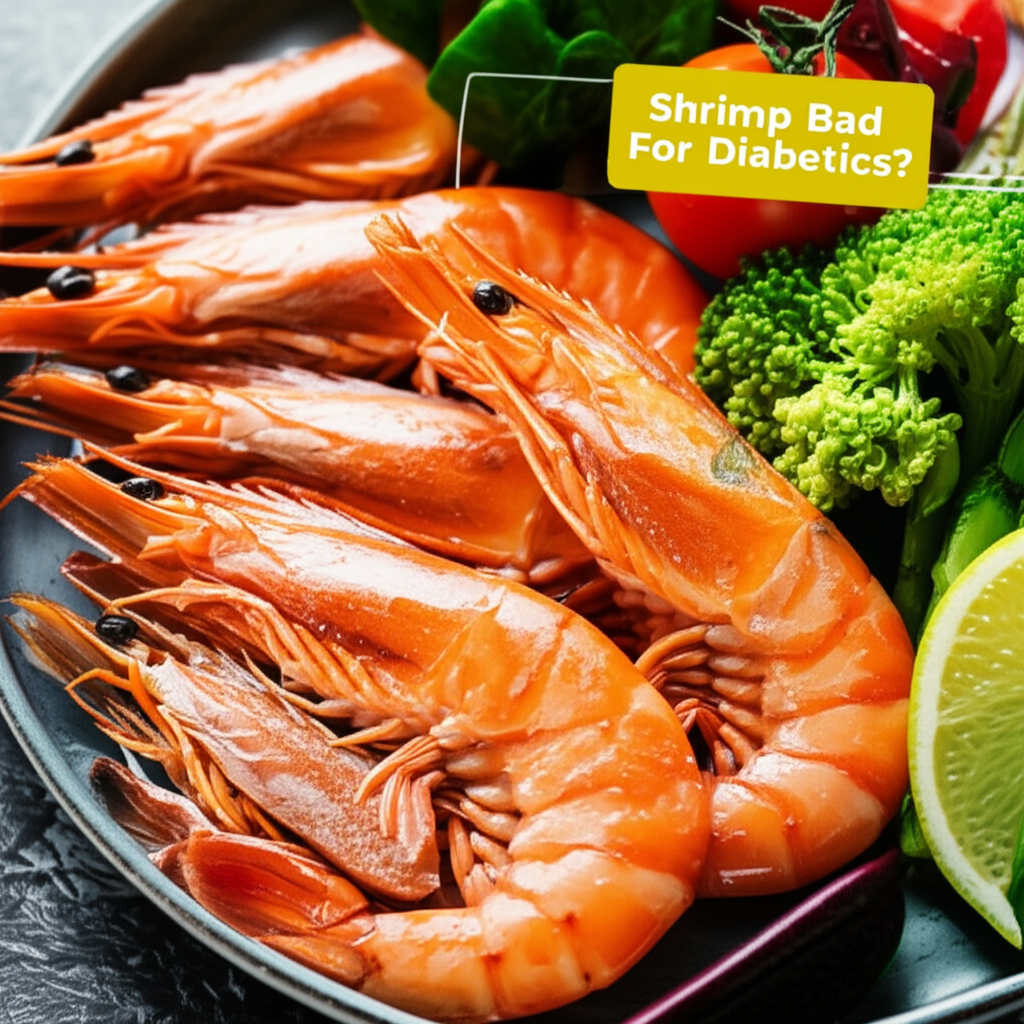
Shrimp are a nutritional powerhouse, and their macronutrient breakdown is very favorable for a diabetic diet. Let’s take a look at what makes them a good choice:
- Low Carbohydrates: Shrimp contain virtually zero carbohydrates. This is fantastic news because it means they won’t directly cause a blood sugar spike.
- High-Quality Protein: Protein is essential for building and repairing tissues. It also helps you feel full, which can be beneficial for weight management, a key aspect of diabetes care. Protein has a minimal impact on blood sugar levels.
- Low in Calories: A typical serving of shrimp is relatively low in calories, making them a great option for those managing their weight.
- Healthy Fats: Shrimp contain omega-3 fatty acids, particularly EPA and DHA. These are considered “good” fats and have anti-inflammatory properties, which can be beneficial for overall health, including heart health, which is often a concern for individuals with diabetes.
- Vitamins and Minerals: Shrimp are a good source of several important nutrients, including vitamin B12, selenium, iodine, and phosphorus. Selenium, in particular, is an antioxidant that helps protect cells from damage.
Let’s look at a typical nutritional breakdown for a 3-ounce (about 85 grams) serving of cooked shrimp:
| Nutrient | Amount |
|---|---|
| Calories | 80-100 kcal |
| Protein | 18-20 g |
| Total Fat | 0.5-1 g |
| Saturated Fat | 0 g |
| Cholesterol | 150-170 mg |
| Carbohydrates | 0 g |
| Fiber | 0 g |
| Sugar | 0 g |
| Sodium | 100-200 mg (can vary with preparation) |
It’s important to note that while shrimp are low in cholesterol, dietary cholesterol’s impact on blood cholesterol is less significant for most people than previously thought, especially compared to saturated and trans fats. The American Heart Association notes that saturated fat has a bigger impact on raising LDL (“bad”) cholesterol than dietary cholesterol does. Since shrimp are very low in saturated fat, they are generally considered heart-healthy.
The “Catch”: How Preparation Matters
While shrimp themselves are excellent, the way they are prepared can significantly impact their health benefits, especially for someone managing diabetes. This is where the “are shrimp bad for diabetics” question often stems from – not the shrimp itself, but what’s added to it!
Cooking Methods to Embrace
Opt for cooking methods that don’t add extra carbohydrates, unhealthy fats, or excessive sodium. These are your best friends:
- Boiling or Steaming: These are the simplest and healthiest methods. They require no added fat and preserve the natural flavor and nutrients of the shrimp.
- Grilling or Broiling: These methods are also excellent, allowing fat to drip away. Just be mindful of marinades – choose sugar-free options.
- Baking: Baking shrimp with herbs, lemon, and a touch of olive oil is a delicious and healthy choice.
- Sautéing (with minimal healthy oil): Use a small amount of olive oil or avocado oil and cook quickly over medium-high heat. Avoid deep-frying.
Methods to Approach with Caution
These methods can quickly turn a healthy shrimp dish into one that might negatively impact blood sugar control:
- Deep-Frying: Breaded and deep-fried shrimp, like popcorn shrimp or shrimp tempura, are loaded with refined carbohydrates from the batter and unhealthy fats from the frying oil. This can lead to significant blood sugar spikes and adds a lot of unnecessary calories.
- Heavy Sauces and Marinades: Many pre-made sauces, marinades, and glazes are packed with sugar, high-fructose corn syrup, and sodium. Always check the labels, or better yet, make your own with sugar-free ingredients.
- Creamy or Buttery Preparations: While delicious, dishes like shrimp scampi made with large amounts of butter and cream can add significant saturated fat and calories.
The key is to control the ingredients. Making your own marinades and sauces with herbs, spices, garlic, lemon juice, and a little bit of healthy oil gives you complete control over the carbohydrate and sugar content.
Incorporating Shrimp into a Diabetic Meal Plan
Now that we know shrimp are generally good for diabetics, let’s talk about how to make them a regular, enjoyable part of your diet.
Portion Control is Key
Even healthy foods need to be eaten in appropriate portions. A standard serving of shrimp is typically 3 to 4 ounces (about 85-113 grams). This is a good amount to get the nutritional benefits without overdoing it.
Pairing Shrimp Wisely
What you eat with your shrimp is just as important as the shrimp themselves. Aim for balanced meals that include lean protein, healthy fats, and plenty of non-starchy vegetables. Here are some ideas:
- Shrimp Salad: Toss cooked shrimp with mixed greens, cucumber, bell peppers, a light vinaigrette (olive oil and vinegar-based), and perhaps some avocado for healthy fats.
- Shrimp and Vegetable Skewers: Thread shrimp onto skewers with colorful vegetables like zucchini, cherry tomatoes, onions, and bell peppers. Grill or bake them. Serve with a side of quinoa or a small portion of brown rice.
- Shrimp Stir-fry: Sauté shrimp with a variety of colorful vegetables (broccoli, snap peas, carrots, mushrooms) in a light, sugar-free stir-fry sauce. Serve with a small portion of brown rice or cauliflower rice.
- Shrimp with Zucchini Noodles: A fantastic low-carb alternative to pasta. Sauté shrimp with garlic, herbs, and a light tomato sauce, then toss with spiralized zucchini noodles.
- Shrimp and Avocado Tacos: Use whole-wheat tortillas or lettuce wraps. Fill with seasoned shrimp, diced avocado, pico de gallo, and a squeeze of lime.
When including starchy sides like rice, pasta, or potatoes, be mindful of portion sizes. The goal is a balanced plate that keeps your blood sugar stable.
Considerations for Sodium
Some processed shrimp products or pre-seasoned shrimp can be high in sodium. If you’re monitoring your sodium intake, it’s best to buy fresh or frozen, raw shrimp and prepare them yourself. If using canned shrimp, rinse them thoroughly before using to reduce sodium content.
Shrimp and Cholesterol: What You Need to Know
For a long time, people with diabetes were advised to strictly limit dietary cholesterol due to concerns about heart health. Shrimp are relatively high in cholesterol compared to other seafood (around 150-170 mg per 3-ounce serving). However, current research suggests that for most healthy individuals, dietary cholesterol has a less significant impact on blood cholesterol levels than saturated and trans fats.
The U.S. Department of Agriculture’s MyPlate guidelines, which are based on the Dietary Guidelines for Americans, do not set a specific limit for dietary cholesterol. Instead, they recommend eating as little cholesterol as possible as part of a healthy eating pattern. The focus has shifted towards the overall quality of the diet, emphasizing whole, unprocessed foods, lean proteins, and healthy fats.
For individuals with diabetes, managing blood sugar, blood pressure, and weight are paramount for heart health. Since shrimp are low in saturated fat and calories, and rich in beneficial nutrients like omega-3s, they can be part of a heart-healthy diet for most people with diabetes. It’s always a good idea to discuss your specific dietary needs and concerns with your doctor or a registered dietitian, especially if you have existing heart conditions or high cholesterol.
Benefits of Including Shrimp in Your Diet
Beyond just being a safe food choice, incorporating shrimp into your diet can offer several health advantages, particularly for those managing diabetes:
- Supports Heart Health: The omega-3 fatty acids in shrimp can help reduce inflammation and may contribute to lower triglyceride levels, which are important markers for cardiovascular health.
- Aids in Blood Sugar Management: Their lack of carbohydrates means they won’t directly cause blood sugar spikes. The protein content also promotes satiety, which can help prevent overeating and snacking on high-carb foods between meals.
- Rich in Antioxidants: Shrimp are a good source of selenium, a powerful antioxidant that helps protect your body’s cells from damage. This can be beneficial for overall health and may play a role in preventing complications associated with diabetes.
- Nutrient Density: They provide essential vitamins like B12, crucial for nerve function and energy production, and minerals like iodine, vital for thyroid health.
Potential Concerns and How to Mitigate Them
While shrimp are generally safe and beneficial, there are a few things to be aware of:
- Allergies: Shellfish allergies are common and can be severe. If you have a known allergy, you must avoid shrimp entirely.
- Mercury Content: Shrimp are considered a “best choice” seafood by the FDA, meaning they have low mercury levels. This is a significant advantage over larger, predatory fish that can accumulate higher amounts of mercury. You can find more information on mercury levels in seafood from the FDA’s advice on eating fish.
- Sodium: As mentioned, pre-packaged or processed shrimp can be high in sodium. Opt for fresh or frozen, raw shrimp and control the seasoning yourself.
- Preparation Methods: The biggest “risk” comes from how shrimp are cooked and what they are served with. Breading, frying, and sugary sauces can negate the health benefits.
Frequently Asked Questions (FAQs)
Can I eat shrimp if I have type 1 diabetes?
Yes, individuals with type 1 diabetes can eat shrimp. Like those with type 2 diabetes, the key is to focus on preparation methods that don’t add carbohydrates or unhealthy fats, and to consider portion sizes as part of a balanced meal plan.
Are fried shrimp bad for diabetics?
Fried shrimp, especially when breaded, are generally not recommended for diabetics. The breading adds carbohydrates, and the frying process adds unhealthy fats, both of which can lead to blood sugar spikes and contribute to weight gain.
How many shrimp can a diabetic eat per day?
A typical serving size is 3-4 ounces (about 85-113 grams). Eating this amount a few times a week as part of a balanced diet is generally considered safe and beneficial for diabetics. Consistency with your overall meal plan is more important than a specific daily limit for shrimp alone.
What are the best ways for diabetics to cook shrimp?
The best methods include boiling, steaming, grilling, broiling, or baking. These methods require minimal or no added fats and do not introduce carbohydrates, making them ideal for diabetic-friendly meals.
Does shrimp affect blood sugar levels?
No, shrimp themselves do not directly affect blood sugar levels because they contain zero carbohydrates. Their protein and fat content have a minimal impact on blood glucose compared to carbohydrate-rich foods.
Are shrimp healthy for diabetics with high cholesterol?
For most people, the dietary cholesterol in shrimp has a limited impact on blood cholesterol compared to saturated and trans fats. Since shrimp are low in these unhealthy fats and rich in omega-3s, they can be part of a heart-healthy diet for diabetics, but it’s always best to consult with a healthcare provider for personalized advice.
Making Shrimp a Staple, Not a Spoil
The journey to managing diabetes is often about making informed, sustainable choices. Shrimp fit beautifully into this picture. They offer a lean, protein-rich, low-carb option that’s versatile and delicious.
Remember these key takeaways:
- Embrace the Nutrition: Shrimp are packed with protein, vitamins, and minerals, with virtually no carbohydrates.
- Master the Methods: Boiling, steaming, grilling, broiling, and baking are your go-to cooking techniques.
- Beware of Add-ins: Avoid breading, deep-frying, and sugary sauces.
- Pair Wisely: Combine shrimp with plenty of non-starchy vegetables and healthy fats for a balanced meal.
- Portion Control: Stick to standard serving sizes.
- Consult Your Doctor: Always discuss significant dietary changes with your healthcare provider or a registered dietitian.
By understanding how to prepare and enjoy shrimp, you can confidently add this nutritious seafood to your diet, supporting your health and enjoying great-tasting meals. It’s about making smart choices that empower you on your diabetes management journey. So go ahead, enjoy that shrimp!
For further insights into managing diabetes through diet, the American Diabetes Association is an excellent resource. You can explore their recommendations and find helpful articles on their website at diabetes.org.