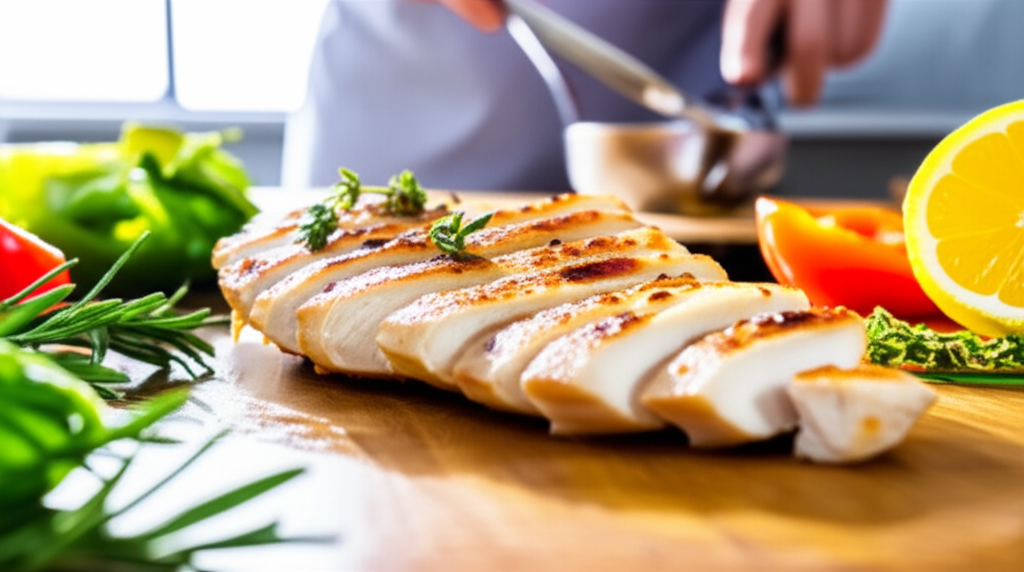

Yes, chicken is an excellent source of protein! It’s a complete protein, meaning it contains all nine essential amino acids your body needs. Chicken is a “genius essential” because it’s versatile, affordable, and incredibly beneficial for muscle building, repair, and overall health.
Ever stared at your plate, wondering about the powerhouse behind that delicious chicken breast? You’re not alone! Understanding what makes our food work for us is key to feeling great and fueling our bodies right. Sometimes, nutrition facts can seem like a secret code, leaving us feeling a bit lost. But don’t worry! We’re here to break down exactly why chicken is such a star player in the protein department. Get ready to discover how this everyday food can be a true “genius essential” for your well-being, with simple steps to make it work for you.
Why Protein is Your Body’s Best Friend
Think of protein as the building blocks for your entire body. It’s crucial for so many functions, from making your muscles strong to keeping your hair and nails healthy. Your body uses protein to repair itself, create important enzymes, and even keep your immune system humming along. Without enough protein, you might feel tired, find it harder to recover from exercise, and your body just won’t perform at its best.
When we talk about protein, you might hear terms like “complete” and “incomplete.” This sounds complicated, but it’s actually quite simple:
- Complete Proteins: These contain all nine essential amino acids. Your body can’t make these on its own, so you must get them from food. Animal products like chicken, beef, fish, eggs, and dairy are typically complete proteins.
- Incomplete Proteins: These are missing one or more of the essential amino acids. Most plant-based foods fall into this category. However, by eating a variety of plant foods throughout the day, you can still get all the essential amino acids your body needs.
Knowing this helps us understand why certain foods are so valuable. Protein is fundamental, and getting enough high-quality protein is a smart move for anyone looking to feel energized and strong.
Chicken: The “Genius Essential” Unpacked
So, why is chicken so often hailed as a “genius essential” when it comes to protein? It’s a combination of factors that make it a winner for almost everyone:
- Complete Protein Powerhouse: As we just learned, chicken is a complete protein. This means every bite delivers all the essential amino acids your body craves for muscle growth, repair, and all those vital bodily functions.
- Versatility King: Seriously, you can cook chicken in so many ways! Grilled, baked, stir-fried, in soups, salads, or stews – the possibilities are endless. This makes it easy to incorporate into your daily meals without getting bored.
- Budget-Friendly: Compared to other protein sources like beef or fish, chicken is often more affordable, making it an accessible option for many people looking to boost their protein intake without breaking the bank.
- Nutrient-Dense: Beyond protein, chicken provides important vitamins and minerals like B vitamins (niacin, B6, B12), phosphorus, and selenium. These nutrients play roles in energy production, brain health, and protecting your cells from damage. For more on the nutritional benefits of chicken, the USDA FoodData Central is a fantastic resource.
- Lean Options Available: Chicken breast, in particular, is known for being very lean, meaning it’s low in fat while being high in protein. This makes it a favorite for those watching their fat intake or focusing on building lean muscle.
It’s these combined qualities that elevate chicken from just another food to a truly “genius essential” – a smart, effective, and easy choice for meeting your protein needs.
How Much Protein Do You Actually Need?
This is a question many people have, and the answer isn’t a one-size-fits-all. Your individual protein needs depend on several factors:
- Activity Level: The more active you are, especially if you engage in strength training, the more protein your muscles need for repair and growth.
- Age: Protein needs can change as we age. Older adults, for instance, may need slightly more protein to help maintain muscle mass.
- Body Weight: Protein recommendations are often based on your body weight.
- Health Goals: Whether you’re aiming to build muscle, lose weight, or maintain your current physique, your protein intake might be adjusted.
A general guideline for most adults is to aim for around 0.8 grams of protein per kilogram of body weight per day. However, athletes or those with very active lifestyles might aim for 1.2 to 2.0 grams per kilogram.
Let’s look at a simple example:
| Scenario | Approximate Protein Needs (grams per kg of body weight) | Example for a 70kg (154 lb) person |
|---|---|---|
| Sedentary Adult | 0.8 g | 56 g |
| Moderately Active Adult | 1.0 g | 70 g |
| Very Active / Athlete | 1.6 g | 112 g |
To figure out your own needs, you can use your weight in kilograms (to convert pounds to kilograms, divide your weight in pounds by 2.2). Then, multiply that number by your target protein factor (e.g., 0.8 for sedentary, 1.6 for active). For instance, if you weigh 140 lbs, that’s about 63.6 kg. If you’re moderately active, you might aim for around 64-80 grams of protein per day.
It’s always a good idea to consult with a healthcare provider or a registered dietitian for personalized advice, especially if you have specific health conditions.
Boosting Your Protein Intake with Chicken: A Beginner’s Guide
Incorporating more chicken into your diet is simple and delicious! Here’s how you can make it a regular part of your meals, even if you’re new to cooking or nutrition tracking.
Step 1: Choose Your Chicken Wisely
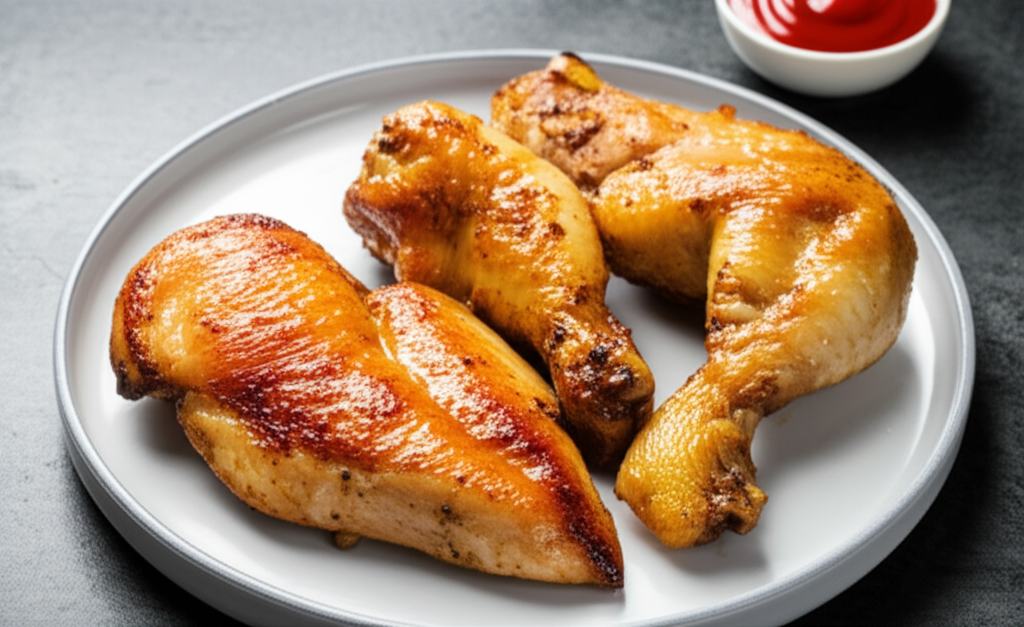
Not all chicken is created equal when it comes to protein and fat content. The most popular and protein-rich cuts are:
- Chicken Breast: This is the leanest option, packed with protein and relatively low in fat and calories. It’s incredibly versatile.
- Chicken Thighs: These have a bit more fat and flavor than breast meat, but they are still a great source of protein and are often more forgiving when cooking, staying moist.
- Chicken Wings and Drumsticks: These can be higher in fat, especially if the skin is consumed, but still offer good protein.
For maximum protein with less fat, chicken breast is your go-to. If you’re buying pre-packaged chicken, look for fresh, good-quality cuts.
Step 2: Simple Cooking Methods for Maximum Protein
How you cook your chicken can affect its nutrient profile and how easy it is to eat. Here are some beginner-friendly methods:
- Baking/Roasting: This is a hands-off method. Simply season your chicken (e.g., with salt, pepper, herbs, garlic powder) and bake in an oven at around 375-400°F (190-200°C) until cooked through. Chicken breast usually takes 20-30 minutes, depending on thickness.
- Grilling: Grilling adds a lovely smoky flavor. Marinate your chicken first for extra taste and tenderness. Grill over medium-high heat, flipping occasionally, until the internal temperature reaches 165°F (74°C).
- Pan-Searing: This is quick and creates a nice crust. Heat a little oil in a skillet over medium-high heat, add your seasoned chicken, and cook for a few minutes per side until done.
- Boiling/Poaching: This method is great for shredding chicken for salads or sandwiches. Simply simmer chicken in water or broth until cooked through.
- Stir-Frying: Cut chicken into bite-sized pieces and stir-fry in a wok or large pan with a little oil and your favorite vegetables.
Pro Tip: Always ensure your chicken is cooked to an internal temperature of 165°F (74°C) to kill any harmful bacteria. A meat thermometer is a great tool to have!
Step 3: Meal Prep for Success
One of the easiest ways to ensure you’re getting enough protein from chicken is to do a little meal prep.
How to Meal Prep Chicken:
- Cook a Batch: On a weekend or a day you have more time, cook a few pounds of chicken using your preferred method (baking, grilling, or poaching).
- Portion It Out: Once cooled, divide the cooked chicken into meal-sized portions. You can store them in airtight containers in the refrigerator for 3-4 days or freeze them for longer storage.
- Incorporate into Meals: Throughout the week, grab a pre-portioned chicken serving to add to salads, wraps, pasta dishes, stir-fries, or just eat it as is with a side of vegetables.
This saves you time during busy weekdays and ensures you have a healthy protein source readily available.
Step 4: Pairing Chicken for Balanced Nutrition
Chicken is fantastic, but it’s best enjoyed as part of a balanced meal. Pair your chicken with:
- Complex Carbohydrates: Think brown rice, quinoa, whole-wheat pasta, sweet potatoes, or oats. These provide sustained energy.
- Healthy Fats: Avocado, nuts, seeds, and olive oil add beneficial fats that help your body absorb vitamins and keep you feeling full.
- Plenty of Vegetables: Load up on colorful veggies like broccoli, spinach, bell peppers, carrots, and tomatoes. They provide fiber, vitamins, and minerals.
A balanced plate ensures you’re getting a wide range of nutrients, not just protein.
Chicken vs. Other Protein Sources: A Quick Look
Chicken is a champion, but it’s helpful to see how it stacks up against other common protein sources. This table gives you a general idea of protein content per 3.5-ounce (100-gram) serving of cooked protein.
| Food Item | Approximate Protein (grams per 100g cooked) | Key Nutrients | Pros | Cons |
|---|---|---|---|---|
| Chicken Breast (skinless) | 31 g | Niacin, B6, Selenium | Lean, complete protein, versatile, affordable | Can be dry if overcooked |
| Salmon | 20 g | Omega-3 Fatty Acids, Vitamin D | Heart-healthy fats, good protein | More expensive, specific taste |
| Lean Ground Beef (90% lean) | 23 g | Iron, Zinc, B12 | Rich in iron, good protein | Higher in saturated fat than chicken breast |
| Lentils (cooked) | 9 g | Fiber, Iron, Folate | Plant-based, high in fiber, inexpensive | Incomplete protein (combine with grains for complete profile), lower protein density |
| Eggs (large) | 13 g (per 100g, approx. 6g per egg) | Choline, Vitamins A, D, E, B12 | Complete protein, nutrient-dense, affordable | Contains cholesterol (dietary impact is debated), can be allergenic |
| Greek Yogurt (plain, non-fat) | 10 g | Calcium, Probiotics | Good source of protein, probiotics aid digestion | Lower protein than chicken, can be tart |
As you can see, chicken breast offers a very high protein-to-calorie ratio, making it an incredibly efficient protein source. For more detailed nutritional information, the USDA FoodData Central database is an excellent and authoritative resource.
Common Questions About Chicken and Protein
Let’s address some common questions you might have:
Are chicken nuggets a good source of protein?
While chicken nuggets contain protein, they are often breaded and fried, adding significant amounts of fat, carbohydrates, and sodium. The actual protein content per serving might be lower than expected, and the added unhealthy fats and calories can outweigh the benefits. Opting for baked or grilled chicken is a much healthier way to get your protein.
Is chicken skin protein?
Chicken skin does contain protein, but it’s also very high in fat, particularly saturated fat. If your goal is to maximize protein intake while minimizing fat, it’s best to remove the skin before or after cooking.
Can I get enough protein from chicken alone?
While chicken is a fantastic protein source, a balanced diet is key. Relying on just one food, even a healthy one like chicken, can lead to nutrient deficiencies. It’s important to incorporate a variety of protein sources (like fish, eggs, beans, lentils, and dairy) and plenty of fruits and vegetables to ensure you get a wide spectrum of nutrients.
How does cooking affect chicken protein?
Cooking methods like boiling, baking, and grilling generally preserve protein content well. Very high-heat methods or prolonged cooking can sometimes lead to a slight loss of protein, but for most common cooking techniques, the protein remains largely intact. The main impact of cooking is on moisture and fat content.
What are the signs I’m not getting enough protein?
Signs can include increased hunger, muscle loss or weakness, fatigue, slow wound healing, frequent infections, and brittle hair or nails. If you suspect you’re not getting enough protein, it’s wise to review your diet and consider increasing your intake of protein-rich foods like chicken.
Is it possible to eat too much chicken protein?
For most healthy individuals, it’s difficult to consume “too much” protein from food sources like chicken. Your body is generally efficient at processing it. However, extremely high protein intake over long periods, especially without adequate hydration, could potentially strain the kidneys in individuals with pre-existing kidney conditions. It’s always best to stick to recommended intake levels and consult a healthcare professional if you have concerns.
What’s the difference between chicken breast and chicken thigh protein?
Chicken breast is leaner and typically has more protein per ounce than chicken thighs. For example, 100 grams of cooked chicken breast has about 31 grams of protein, while 100 grams of cooked chicken thigh has about 24 grams of protein. Thighs have a higher fat content, which contributes to their richer flavor and moister texture.
Conclusion: Make Chicken Your Protein Powerhouse!
You’ve learned that chicken is indeed a “genius essential” for protein, offering a complete package of amino acids that your body absolutely needs. It’s not just about the protein itself, but also about how incredibly versatile, accessible, and nutrient-dense chicken is. From building muscle and repairing tissues to keeping you feeling full and energized, chicken plays a vital role in a healthy diet.
Remember, consistency is key. By incorporating simple cooking methods like baking or grilling, and perhaps trying out some meal prepping, you can effortlessly boost your protein intake throughout the week. Don’t forget to balance your chicken meals with plenty of colorful vegetables, complex carbohydrates, and healthy fats for a truly nourishing experience.
You have the knowledge and the simple steps to make chicken a cornerstone of your protein strategy. Feel empowered to experiment in the kitchen and enjoy the delicious benefits of this protein powerhouse. Your body will thank you for it!