

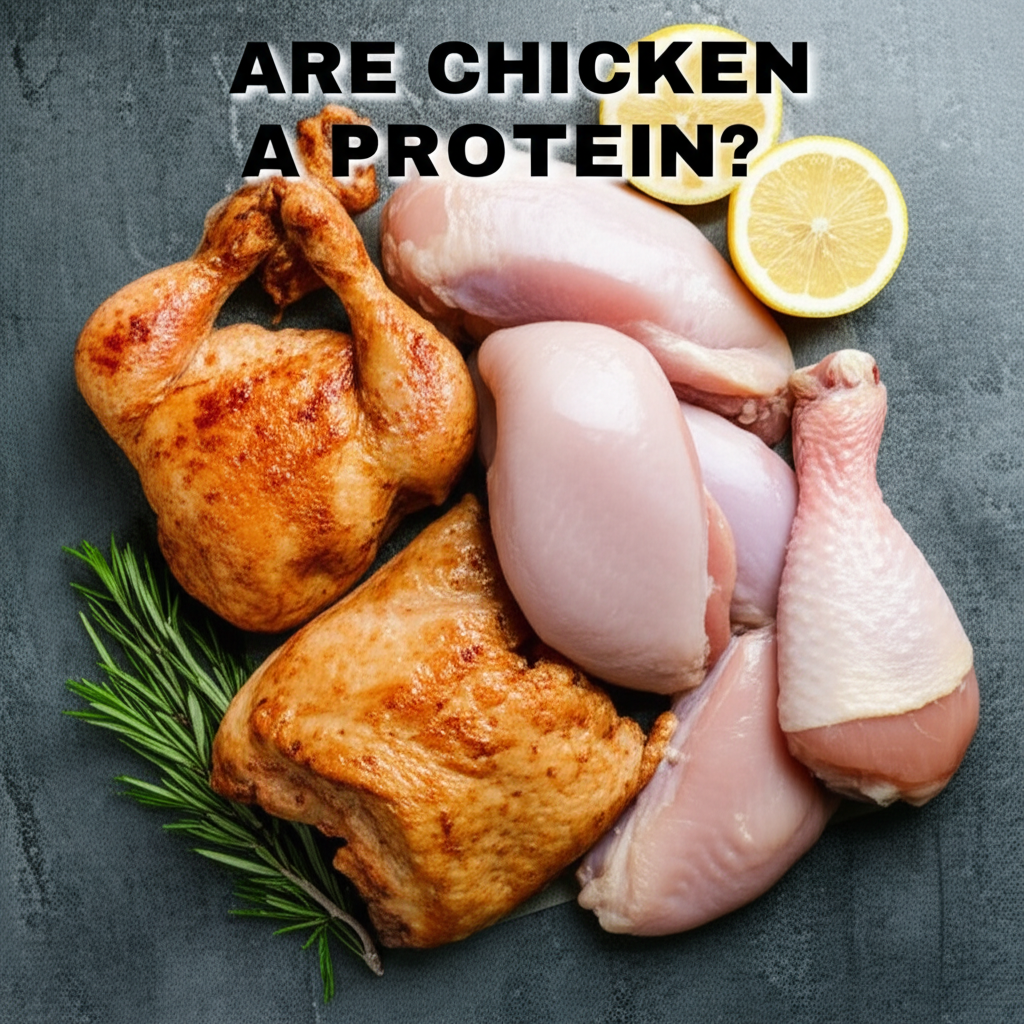
Yes, chicken is absolutely a protein! It’s a fantastic source of high-quality protein, essential for building and repairing muscles, supporting your immune system, and keeping you feeling full and satisfied. Think of it as a powerhouse nutrient for your body.
Ever stared at a chicken breast and wondered, “Is this really protein?” You’re not alone! Nutrition can feel confusing, with so many terms and claims flying around. It’s easy to get lost trying to figure out what foods are good for you. But understanding the basics, like whether chicken is a protein, is a super important step. We’re here to make it simple and clear. By the end of this guide, you’ll know exactly why chicken is a go-to for protein and how to easily include it in your meals. Let’s break down this delicious and healthy food together!
What Exactly is Protein?
Before we dive into chicken, let’s quickly understand what protein is. Think of protein as the building blocks of your body. It’s a macronutrient, meaning your body needs it in larger amounts. These building blocks are called amino acids, and they’re crucial for almost everything your body does.
- Building and Repairing: Protein helps build and repair tissues, like muscles, skin, and hair.
- Enzymes and Hormones: It creates enzymes that help with digestion and hormones that regulate bodily functions.
- Immune System: Protein is vital for a strong immune system, helping your body fight off infections.
- Feeling Full: Protein helps you feel satisfied after eating, which can be helpful for managing your weight.
There are 20 different amino acids, and your body can make some of them. However, nine of them, called essential amino acids, must come from the food you eat. Foods that contain all nine of these essential amino acids are called “complete proteins.”
Is Chicken a Complete Protein?
This is where chicken really shines! Yes, chicken is a complete protein. This means it contains all nine essential amino acids your body needs. This makes chicken an excellent choice for supporting your body’s functions and overall health. Because it provides all these essential amino acids, your body can efficiently use it for all its vital processes.
Complete proteins are like having all the right ingredients to build a sturdy house. Without all the essential building blocks, the house might not be as strong or complete. Chicken gives your body all the necessary pieces it needs to function at its best.
Why “Complete Protein” Matters
For beginners, understanding “complete protein” can feel a bit technical, but it’s straightforward. It simply means the protein source has all the essential amino acids your body can’t produce on its own. These are crucial for:
- Muscle growth and repair
- Producing important enzymes and hormones
- Supporting your immune system
- Maintaining healthy skin, hair, and nails
While many plant-based foods offer protein, some might be lower in certain essential amino acids. This is why combining different plant-based protein sources throughout the day is often recommended. However, with chicken, you get a full spectrum of these vital nutrients in one go!
The Nutritional Powerhouse: What’s in Chicken?
Chicken isn’t just about protein; it’s packed with other beneficial nutrients too. The exact nutritional profile can vary slightly depending on the cut (breast, thigh, wing) and how it’s prepared (skin on/off, fried/baked), but here’s a general idea of what you get:
A 3.5-ounce (100-gram) serving of cooked, skinless chicken breast typically contains:
- Protein: Around 31 grams
- Calories: About 165 calories
- Fat: Around 3.6 grams (mostly unsaturated)
- Vitamins: Good source of B vitamins, especially niacin (B3) and B6. These are important for energy production and brain function.
- Minerals: Contains phosphorus, selenium, and zinc. Phosphorus is vital for bone health, selenium is an antioxidant, and zinc supports the immune system.
Compared to other protein sources, chicken breast is particularly lean, meaning it’s low in fat and calories while being very high in protein. This makes it a popular choice for people looking to manage their weight or build muscle.
Chicken vs. Other Protein Sources
It’s helpful to see how chicken stacks up against other common protein sources. This can help you make informed choices for your meals.
| Food Item | Protein per 3.5 oz (100g) | Key Nutrients | Notes |
|---|---|---|---|
| Chicken Breast (skinless, cooked) | ~31g | B vitamins, Selenium, Phosphorus | Lean, complete protein, versatile |
| Salmon (cooked) | ~25g | Omega-3 fatty acids, Vitamin D, B vitamins | Fatty fish, excellent for heart health |
| Lean Beef (cooked) | ~26g | Iron, Zinc, B12 | Good source of iron, can be higher in saturated fat |
| Lentils (cooked) | ~9g | Fiber, Iron, Folate | Plant-based, incomplete protein (needs pairing), high in fiber |
| Eggs (1 large) | ~6g | Vitamins A, D, E, B vitamins, Choline | Complete protein, versatile, good source of choline |
As you can see, chicken breast offers a significant amount of protein per serving. Its versatility and lean profile make it a staple in many healthy eating plans. For more detailed nutritional information, you can refer to resources like the USDA FoodData Central, which provides comprehensive data on the nutritional content of foods.
The Health Benefits of Eating Chicken
Incorporating chicken into your diet can bring several health advantages, thanks to its rich nutrient profile. Here are some key benefits:
- Muscle Building and Maintenance: The high protein content is essential for repairing muscle tissue after exercise and for overall muscle growth. This is why chicken is a favorite among athletes and fitness enthusiasts.
- Weight Management: Protein is known for its ability to increase satiety, meaning it helps you feel fuller for longer. This can reduce overall calorie intake and support weight management goals. A study published in the Journal of Nutrition highlights the role of protein in satiety and energy balance.
- Bone Health: Chicken contains phosphorus, which works with calcium to build strong bones and teeth.
- Immune Function: The selenium and zinc in chicken play crucial roles in supporting a healthy immune system. Selenium, in particular, is a powerful antioxidant.
- Energy Levels: The B vitamins found in chicken, like niacin and B6, are vital for converting food into energy, helping to combat fatigue.
Adding chicken to your meals is a simple way to boost your intake of these important nutrients and support your body’s functions. It’s a win-win for taste and health!
How to Cook Chicken for Maximum Protein and Health
The way you cook chicken can affect its nutritional value, especially its protein content and fat levels. For beginners, choosing simple and healthy cooking methods is key to reaping the most benefits.
Best Cooking Methods:
- Baking/Roasting: This is a fantastic way to cook chicken without adding much extra fat. It allows the chicken to cook through evenly, preserving its moisture and protein.
- Grilling: Grilling imparts a lovely flavor and is also a low-fat cooking method. Just be mindful of any marinades you use, opting for lighter, healthier options.
- Poaching: Poaching involves simmering chicken in liquid (like water, broth, or wine). This method keeps the chicken incredibly moist and tender, and it’s very low in fat.
- Stir-frying: When done with minimal oil, stir-frying is a quick and healthy way to cook chicken. Pair it with plenty of colorful vegetables for a complete meal.
Methods to Use in Moderation (or Avoid for Leanest Results):
- Deep-frying: This method adds a significant amount of unhealthy fats and calories to the chicken, masking its lean protein benefits.
- Pan-frying with excessive oil: While pan-frying can be okay, using too much oil will increase the fat content.
- Creamy Sauces: While delicious, rich, creamy sauces can add a lot of extra calories and saturated fat.
Pro Tip: Always remove the skin before cooking or eating if you’re aiming for the leanest possible protein source. The skin contains most of the fat in chicken.
Easy Ways to Add Chicken to Your Diet
You might be thinking, “How do I actually get more chicken into my meals?” It’s easier than you think! Chicken is incredibly versatile and can be incorporated into almost any meal. Here are some simple ideas for beginners:
Breakfast Ideas:
- Chicken and Egg Scramble: Add diced, cooked chicken to your morning eggs for a protein-packed start.
- Chicken Breakfast Burrito: Fill a whole-wheat tortilla with scrambled eggs, black beans, salsa, and a little shredded chicken.
Lunch Ideas:
- Chicken Salad Sandwich: Mix shredded or diced cooked chicken with Greek yogurt or a light vinaigrette, celery, and onions. Serve on whole-wheat bread or in lettuce wraps.
- Grilled Chicken Salad: Top a bed of mixed greens with grilled chicken breast slices, your favorite vegetables, and a light dressing.
- Chicken Soup: A comforting and easy lunch. Use pre-cooked chicken or simmer a chicken breast in broth with vegetables.
Dinner Ideas:
- Baked Chicken Breast: Season with herbs and spices, bake until cooked through. Serve with roasted vegetables and a side of quinoa.
- Chicken Stir-fry: Slice chicken breast thinly and stir-fry with broccoli, bell peppers, carrots, and a light soy-ginger sauce. Serve over brown rice.
- Chicken Fajitas: Sauté sliced chicken with bell peppers and onions. Serve in whole-wheat tortillas with salsa and avocado.
- Chicken Skewers: Marinate chicken cubes and thread them onto skewers with vegetables like cherry tomatoes, zucchini, and bell peppers. Grill or bake.
Batch Cooking Tip: Cook a large batch of chicken breasts or thighs at the beginning of the week (bake, grill, or poach them). Then, you can easily shred or dice them to add to salads, sandwiches, pasta dishes, or wraps throughout the week. This saves a lot of time!
Frequently Asked Questions (FAQs)
Is chicken breast or chicken thigh healthier?
Chicken breast is generally considered healthier if you’re looking for the leanest option. It has significantly less fat and fewer calories than chicken thigh. However, chicken thigh is still a good source of protein and nutrients, and it tends to be more moist and flavorful due to its higher fat content. Both are healthy choices, but chicken breast is leaner.
How much chicken should I eat per day?
The amount of chicken you should eat depends on your individual needs, such as your age, activity level, and overall health goals. A general guideline for protein intake is around 0.8 to 1.2 grams of protein per kilogram of body weight per day for most adults. For example, a 150-pound (68 kg) person might aim for 54 to 82 grams of protein daily. One 3.5-ounce serving of chicken breast provides about 31 grams of protein, so you might incorporate one or two servings of chicken as part of your daily protein needs.
Can eating chicken help me build muscle?
Absolutely! Chicken is an excellent source of complete protein, which is vital for muscle protein synthesis – the process your body uses to build and repair muscle tissue. Consuming adequate protein, especially after exercise, combined with strength training, is key for muscle growth and recovery.
Is chicken good for weight loss?
Yes, chicken can be very beneficial for weight loss. Its high protein content helps you feel full and satisfied, which can reduce overall calorie intake and cravings. Chicken breast, in particular, is low in calories and fat, making it an ideal choice for a weight-loss diet. Remember to focus on healthy cooking methods like baking or grilling.
What are the risks of eating too much chicken?
While chicken is healthy, like any food, moderation is key. Eating excessive amounts of chicken, especially if it’s prepared with unhealthy fats or seasonings, could lead to an unbalanced diet. For instance, too much red meat (which is sometimes substituted with chicken) can be linked to increased risks of certain health issues. Also, be mindful of potential contaminants; ensure chicken is always cooked to the proper internal temperature to avoid foodborne illnesses. A varied diet is always best.
Does the color of chicken meat (white vs. dark) matter for protein?
The color of chicken meat indicates its myoglobin content, a protein that stores oxygen. White meat (like chicken breast) comes from muscles used less frequently, so it has less myoglobin and is leaner. Dark meat (like thighs and legs) comes from muscles used more often, contains more myoglobin, fat, and iron, and is therefore slightly higher in calories and fat but also richer in certain nutrients like iron. Both white and dark meat are complete proteins and offer valuable nutrients.
Putting It All Together: Your Chicken Protein Journey
So, there you have it! You’ve learned that chicken is indeed a fantastic source of complete protein, packed with essential amino acids and other vital nutrients that support everything from muscle building to immune function. We’ve explored why being a “complete protein” is so important and how chicken stacks up against other protein sources.
You also now have practical, beginner-friendly tips on how to cook chicken healthily and delicious ideas for incorporating it into your breakfast, lunch, and dinner. Remember, consistency is key! Don’t feel pressured to overhaul your entire diet overnight. Start with one or two of these simple ideas, like adding a bit of pre-cooked chicken to your salad or trying a baked chicken breast recipe this week.
Embrace the versatility of chicken and enjoy the journey of nourishing your body with this powerful, delicious food. You’ve got this!