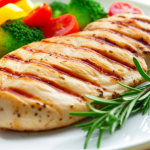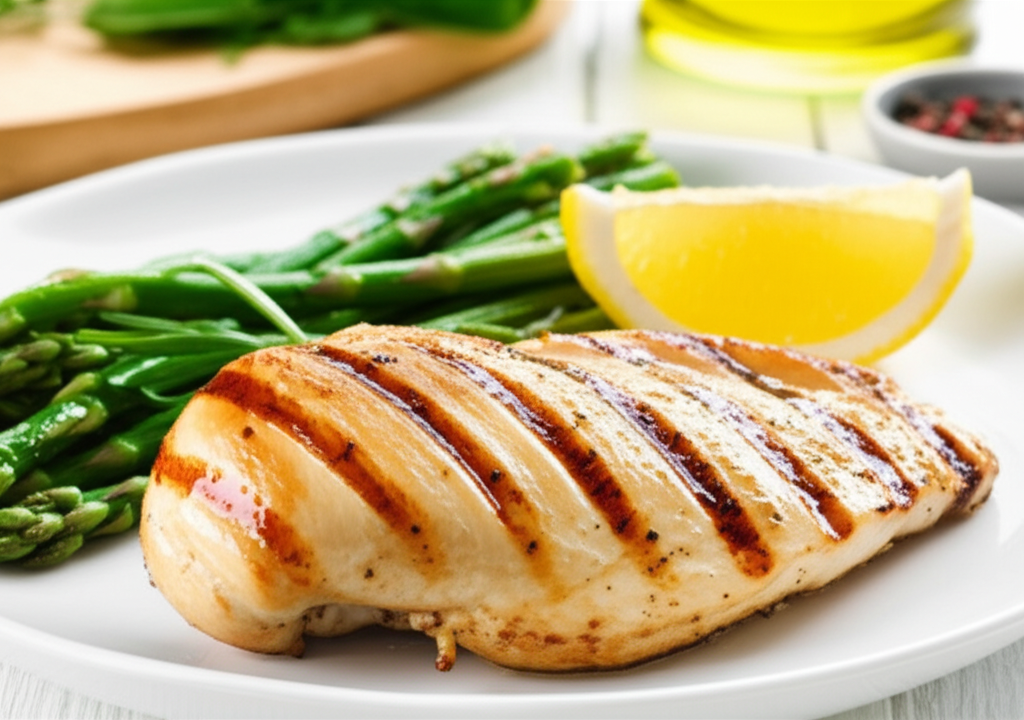

Yes, calories in a chicken breast are a key factor for many people tracking their nutrition. A typical 3.5-ounce (100-gram) serving of cooked, skinless chicken breast contains around 165 calories. This guide breaks down how to find accurate calorie counts for your chicken breast and understand their impact on your diet.
Ever stare at a chicken breast and wonder, “How many calories are really in this?” You’re not alone! Figuring out the exact calorie count for a simple chicken breast can feel surprisingly tricky. But understanding this is super important if you’re watching what you eat, trying to build muscle, or just want to make healthier choices. It doesn’t have to be complicated. We’ll walk through it step-by-step, making it easy to understand and apply to your meals. Get ready to feel confident about your chicken breast calorie knowledge!
The Simple Truth About Chicken Breast Calories
Let’s get straight to the point: chicken breast is a nutritional powerhouse, especially when it comes to protein and relatively low calories. It’s a favorite for a reason! But the exact number can change based on a few things. We’re going to break down the most common scenarios so you can get a clear picture.
The most commonly cited calorie count for a 3.5-ounce (100-gram) serving of cooked, skinless chicken breast is around 165 calories. This is a great starting point. However, it’s crucial to know that this number is an average. Factors like cooking method, whether the skin is on or off, and even the exact size and cut of the breast can influence the final calorie count.
For instance, chicken breast is primarily lean protein. Protein has about 4 calories per gram. Fat has 9 calories per gram, and carbohydrates also have 4 calories per gram. Since chicken breast is very low in fat and carbs, its calorie density is mostly driven by its protein content. This makes it an excellent food for satiety and muscle repair without a huge caloric hit.
To give you a better idea, let’s look at a general breakdown. Remember, these are approximate values:
| Serving Size | Calories (Approximate) | Protein (Approximate) | Fat (Approximate) |
|---|---|---|---|
| 3.5 oz (100g) Cooked, Skinless | 165 | 31g | 3.6g |
| 4 oz (113g) Cooked, Skinless | 187 | 35g | 4.1g |
| 3.5 oz (100g) Cooked, With Skin | 195 | 28g | 8.5g |
As you can see, the skin adds a significant amount of fat and therefore calories. If you’re aiming for the lowest calorie option, always go skinless!
Why Does This Matter for Your Diet?
Understanding the calorie content of your food is fundamental for managing your weight and meeting your health goals. Calories are units of energy. When you consume more calories than your body uses, that energy is stored, often as fat. Conversely, if you consume fewer calories than your body uses, you’ll lose weight.
Chicken breast is a popular choice for several reasons:
- High Protein: Protein is essential for building and repairing tissues, including muscles. It also helps you feel full longer, which can be a great advantage when managing your appetite.
- Nutrient-Dense: Besides protein, chicken breast provides essential vitamins and minerals like B vitamins (niacin, B6, B12), selenium, and phosphorus.
- Versatile: It can be prepared in countless ways, fitting into almost any meal plan.
Knowing the calorie count allows you to accurately track your intake, ensuring you stay within your target range for weight management or fitness goals. For example, if your daily calorie goal is 2000, knowing that a typical serving of chicken breast is around 165 calories helps you plan the rest of your meals effectively.
For reliable nutritional information, you can often refer to resources like the USDA FoodData Central. This database provides detailed nutritional information for a vast array of foods, including various types of chicken preparations.
How to Accurately Determine Calories in Your Chicken Breast
While we’ve provided averages, the best way to know the exact calories in your chicken breast is to weigh it and use a reliable source. Here’s how:
Step 1: Weigh Your Raw Chicken Breast
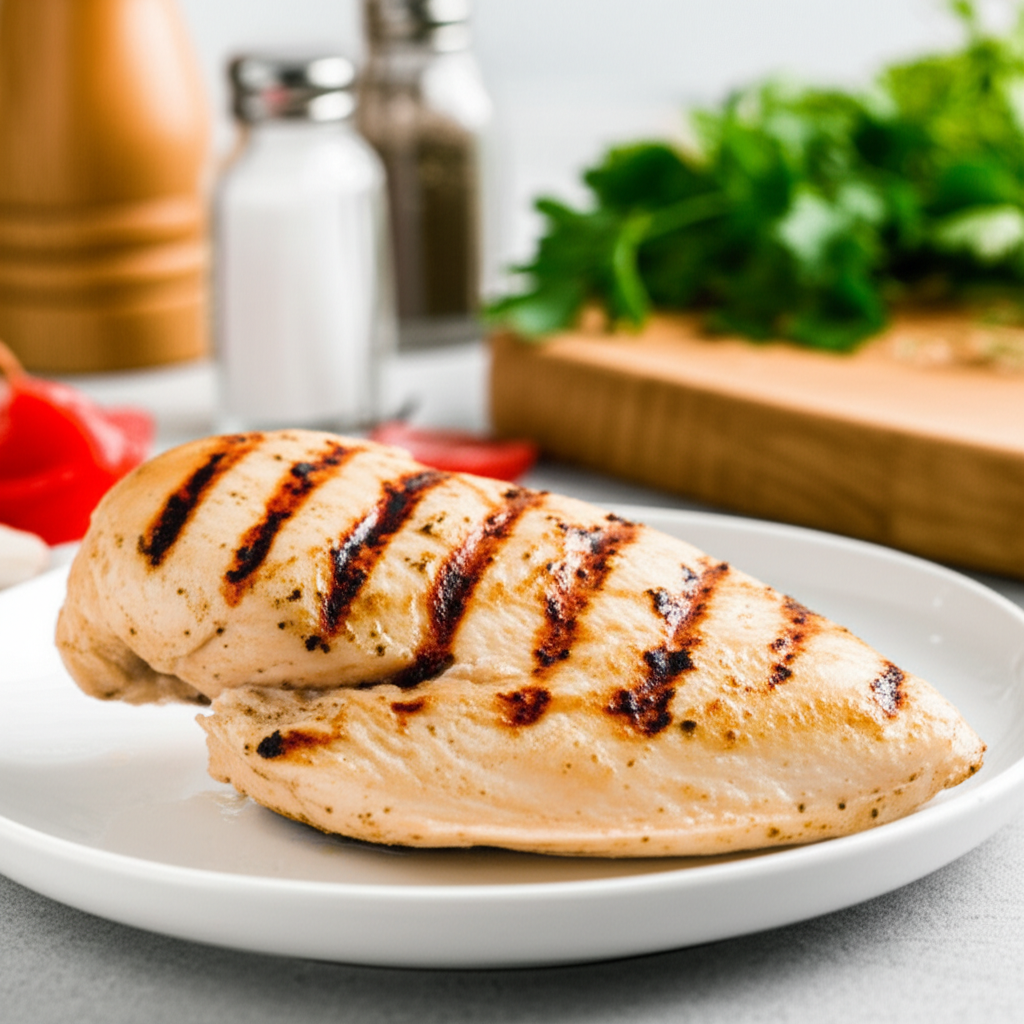
This is the most accurate starting point. Use a kitchen scale to weigh your raw chicken breast before cooking. Why raw? Because cooking methods can alter the weight (through moisture loss) and sometimes add calories (from oils or marinades). Weighing it raw gives you a consistent baseline.
Example: Let’s say you weigh your raw chicken breast and it’s 6 ounces (approximately 170 grams).
Step 2: Choose Your Cooking Method
The way you cook your chicken breast can affect its final calorie count, mainly due to added fats or seasonings.
- Baking/Roasting: Generally adds minimal calories if no oil or butter is used.
- Grilling: Similar to baking, minimal added calories unless marinades or oils are applied.
- Pan-Frying/Sautéing: Can add significant calories depending on the amount of oil or butter used.
- Boiling/Poaching: Adds no extra calories.
For the lowest calorie count, stick to methods that don’t require added fats.
Step 3: Account for Skin and Marinades
- Skin: As we saw, chicken skin is high in fat and calories. If you cook with the skin on but remove it before eating, the calories will be lower than if you eat it with the skin. However, some fat does render into the meat during cooking, so it’s not a perfect separation.
- Marinades and Sauces: These can significantly boost the calorie count. A simple lemon-herb marinade might add only a few calories, while a creamy or oil-based marinade can add many more. Always account for the ingredients in your marinades.
Step 4: Use a Reliable Calorie Tracking App or Database
Once you have your raw weight and know your cooking method (and any additions), you can use a calorie tracking app or a nutritional database. Popular apps like MyFitnessPal, Lose It!, or Cronometer have extensive databases where you can search for “chicken breast, cooked, skinless” and input your specific weight.
How to use an app:
- Open your chosen app.
- Go to the diary or logging section.
- Select “Add Food.”
- Search for “Chicken Breast, Cooked, Skinless.”
- Enter the weight you measured (e.g., 170 grams or 6 ounces).
- The app will automatically calculate the calories and other nutrients based on its database entry.
For example, if you weighed 170g (6 oz) of raw chicken breast and cooked it skinless without added fat, you would look up “chicken breast, cooked, skinless” and enter 170g. The app would likely show a value close to 280-290 calories (170g ~1.65 cal/g).
Step 5: Consider the “Cooked” vs. “Raw” Distinction
Nutritional information is often provided for both raw and cooked food. It’s important to be consistent. If you weigh your chicken raw, look up the nutritional information for “raw chicken breast.” If you weigh it after cooking, look up “cooked chicken breast.”
The USDA database, for example, provides values for both. A 100g serving of raw, skinless chicken breast has about 120 calories, while 100g of cooked, skinless chicken breast has about 165 calories. The difference is primarily due to water loss during cooking, which concentrates the nutrients (and calories) in the remaining weight.
General Rule of Thumb for Weight Change: Raw chicken typically loses about 25% of its weight when cooked due to water evaporation. So, 100g of raw chicken breast might yield about 75g of cooked chicken breast.
Calorie Breakdown by Cooking Method (and Additions)
Let’s delve a little deeper into how different cooking methods and additions can impact those chicken breast calories.
Skinless Chicken Breast (No Added Fat)
This is your leanest option. When baked, grilled, boiled, or poached without any added oil or butter, the calories remain close to the baseline.
- 3.5 oz (100g) Cooked: ~165 calories
- 4 oz (113g) Cooked: ~187 calories
- 6 oz (170g) Cooked: ~280 calories
Chicken Breast with Skin (Cooked)
The skin adds a considerable amount of fat. Even if you don’t eat the skin, some of that fat will render into the meat during cooking.
- 3.5 oz (100g) Cooked, With Skin: ~195 calories (This is a rough estimate; it can vary more widely based on how much skin is consumed and how much fat renders.)
Pan-Fried Chicken Breast (with Oil)
This is where calories can climb quickly. The amount of oil used makes a big difference.
- Using 1 tsp (5g) of Olive Oil: Adds about 40 calories.
- Using 1 tbsp (14g) of Olive Oil: Adds about 120 calories.
So, a 4oz (113g) cooked skinless chicken breast (187 calories) pan-fried with 1 tablespoon of olive oil could be around 307 calories.
Breaded and Fried Chicken Breast
This preparation method significantly increases calories due to the breading (flour, eggs, breadcrumbs) and the oil used for frying.
- A typical breaded and fried chicken breast can easily range from 300-500+ calories for a standard serving, depending on the thickness of the breading and the amount of oil absorbed.
Marinated Chicken Breast
The calorie impact of marinades depends entirely on their ingredients.
- Light Marinade (e.g., lemon juice, herbs, garlic): Minimal calorie addition, perhaps 10-20 calories per serving.
- Oil-Based Marinade (e.g., olive oil, soy sauce, honey): Can add 50-150+ calories per serving, depending on the oil and sugar content.
Always try to estimate or measure the ingredients in your marinades if you’re tracking closely.
Tips for Lower-Calorie Chicken Breast Preparation
Want to keep those chicken breast calories in check? Here are some simple, practical tips:
- Always Choose Skinless: This is the easiest way to slash fat and calories.
- Trim Visible Fat: Before cooking, trim away any visible white fat from the chicken breast.
- Use Non-Stick Cookware: This reduces the need for added oils or butter when pan-frying or sautéing.
- Opt for Baking, Grilling, or Poaching: These methods require little to no added fat.
- Use Cooking Sprays Sparingly: If you need a little oil for non-stick purposes, a light spray is much lower in calories than pouring oil.
- Be Mindful of Marinades: Use marinades based on vinegar, citrus juices, herbs, and spices. If using oil, measure it precisely.
- Control Portion Sizes: Even lean foods have calories. Use a food scale to measure your portion before cooking.
- Avoid Breading and Deep-Frying: If you love a crispy coating, consider baking breaded chicken or using an air fryer, which uses significantly less oil.
Understanding Macronutrients in Chicken Breast
Beyond just calories, it’s helpful to know about the macronutrients – protein, carbohydrates, and fats – that make up those calories.
For a 3.5-ounce (100-gram) serving of cooked, skinless chicken breast:
- Protein: Around 31 grams. This is a substantial amount, making it excellent for muscle building and repair, and for promoting satiety.
- Fat: Around 3.6 grams. This is considered very low, making it a lean protein source. Most of this fat is unsaturated.
- Carbohydrates: 0 grams. Chicken breast contains no carbohydrates.
This macronutrient profile makes chicken breast an ideal food for many dietary approaches, including low-carb, high-protein, and general healthy eating plans.
Frequently Asked Questions (FAQ)
Here are some common questions beginners have about calories in chicken breast:
- Q1: Is it better to weigh chicken breast before or after cooking?
- It’s generally best to weigh your chicken breast before cooking (raw). This is because cooking causes water loss, which changes the weight and concentrates the nutrients. Most nutritional databases provide values for both raw and cooked states, so be consistent with whichever you choose. Weighing raw gives a more consistent starting point.
- Q2: How many calories are in a small vs. large chicken breast?
- The calorie count depends directly on the weight. A “small” chicken breast might be 4-5 ounces (113-142g) cooked, while a “large” one could be 8 ounces (227g) or more. Always weigh it to be sure. For example, an 8-ounce (227g) cooked, skinless chicken breast would have roughly 330 calories (227g ~1.65 cal/g).
- Q3: Does adding spices or herbs change the calorie count?
- For most common dried herbs and spices (like pepper, garlic powder, onion powder, paprika, basil, oregano, etc.), the calorie contribution is negligible, especially in typical serving amounts. However, if you use spice blends that contain sugar, salt, or oils, they could add a small number of calories.
- Q4: Are boneless, skinless chicken thighs different in calories?
- Yes, chicken thighs are typically higher in calories and fat than chicken breasts because they come from a more active muscle group and contain more fat. A 3.5-ounce (100g) serving of cooked, skinless chicken thigh has around 200-220 calories, compared to the 165 calories in a chicken breast.
- Q5: What’s the best way to track chicken breast calories accurately?
- The most accurate way is to: 1. Weigh your raw chicken breast using a kitchen scale. 2. Look up the nutritional information for “raw chicken breast, skinless” in a reliable database or tracking app. 3. Enter the exact weight you measured. This accounts for variations in size and ensures precision.
- Q6: If I cook chicken breast with oil, how do I account for those extra calories?
- Measure the oil you use for cooking. For example, if you use 1 teaspoon (about 5g) of olive oil for cooking, add approximately 40 calories to your total. If you use a tablespoon (about 14g), add about 120 calories. Most tracking apps allow you to log cooking oils separately.
Putting It All Together: Making Informed Choices
Knowing the calories in a chicken breast empowers you to make food choices that align with your health and fitness goals. Chicken breast is a fantastic foundation for many meals, offering high-quality protein without excessive calories when prepared mindfully.
Remember, consistency is key. Don’t get discouraged if your first few attempts at weighing and tracking feel a bit cumbersome. With practice, it becomes second nature. You’ll start to intuitively understand portion sizes and the impact of different cooking methods.
By weighing your food, choosing lean preparations, and using reliable tracking tools, you can confidently incorporate chicken breast into a healthy and balanced diet. Whether your goal is weight loss, muscle gain, or simply eating healthier, understanding these basics will set you up